

Cold Snap turns Arc Raiders’ surface into a deep-freeze where the environment can kill you almost as fast as enemy fire. The new Snowfall map condition covers key locations in snow, brings in the Frostbite status effect, and forces raiders to think about temperature, shelter, and healing on every run.
Cold Snap and Snowfall map condition overview
Cold Snap introduces a winter variant of several existing locations. Snowfall can appear on Dam Battlegrounds, Buried City, Spaceport, and The Blue Gate, transforming them into snow-covered battlefields with reduced visibility and heavy weather.
Snowstorms roll across Speranza, laying down snow accumulation and frost build-up on surfaces. Lakes and other bodies of water freeze over, turning them into solid ice. On top of that, the open surface becomes significantly more dangerous because staying outside in the extreme cold now inflicts Frostbite, a creeping condition that drains health over time.
Cold Snap is a limited-time event, running from December 16 until January 13, 2026. During this window, the Snowfall condition and its survival mechanics can appear on the maps mentioned above, and several related progression features are active.
Frostbite in Arc Raiders: effect and triggers
Frostbite is the core survival mechanic in Cold Snap. It is active on Snowfall versions of Dam Battlegrounds, Buried City, Spaceport, and The Blue Gate.
When you spend too long exposed to the cold on these maps, your raider begins to suffer Frostbite. The effect steadily chips away at your health bar while you remain outdoors in the freezing conditions. Left unchecked, that ambient damage is strong enough to kill you within minutes even if no enemy lands a shot.
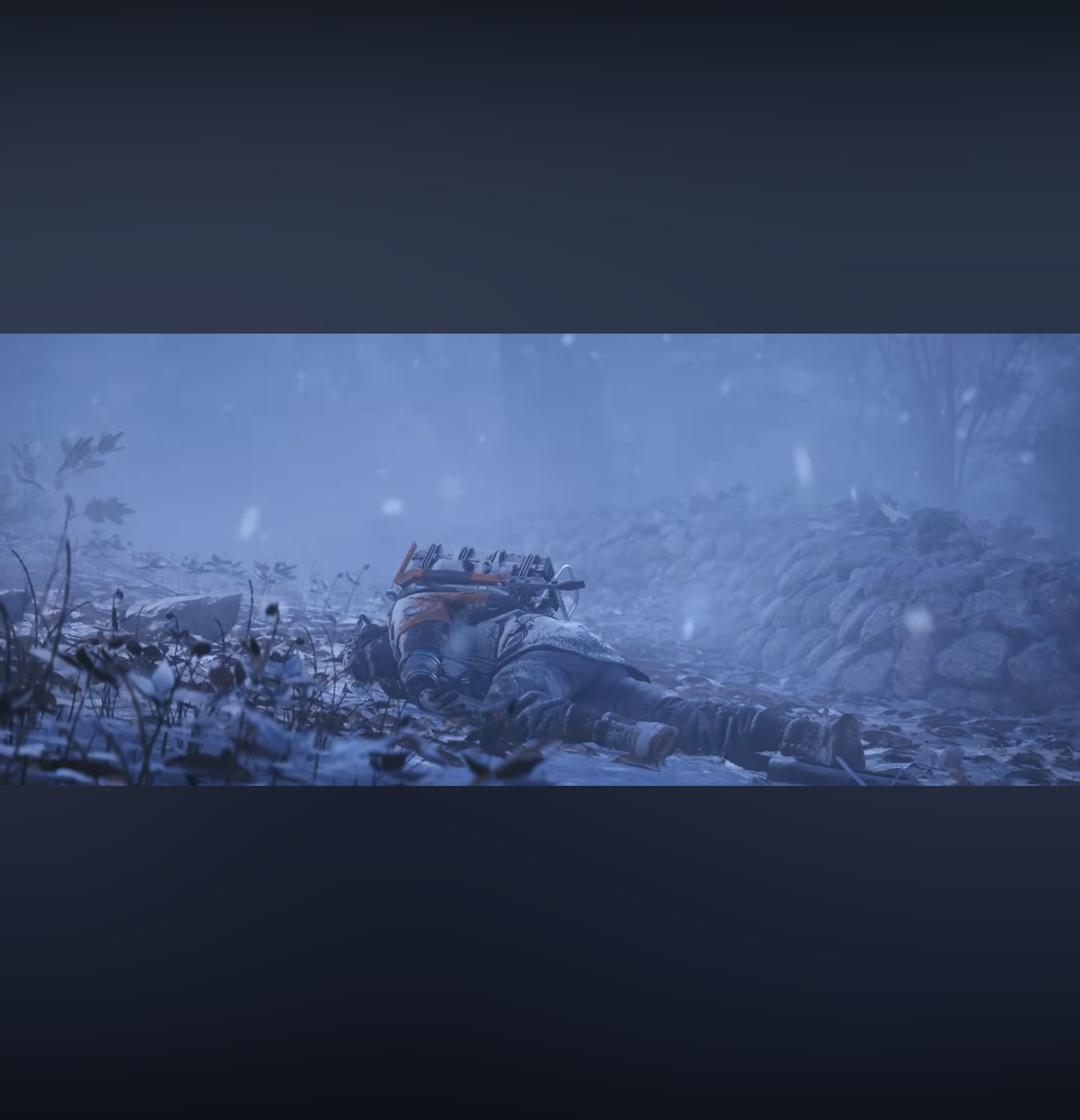
The only reliable way to break this spiral is to get out of the weather. Moving into indoor shelter or otherwise protected areas stops the cold from worsening your condition, and healing items are then needed to recover the health you lost. Survival in Snowfall runs is therefore a balance between time spent outside and the supplies you carry to undo the damage.
Core survival tactics in Snowfall conditions
Because the weather itself is lethal, treating the map like a simple open arena is no longer viable. A few basic habits go a long way toward staying alive when Snowfall is active.
Plan your route between shelters. Before striking out across the surface, always have your next indoor stop in mind. Think in short segments between buildings, bunkers, or other enclosed spaces instead of long treks across open ground. The longer you stay topside without a break, the more health Frostbite will drain.
Limit unnecessary roaming. Wandering the surface just to “see what’s there” now has a direct health cost. Prioritize clear objectives, extraction routes, and specific loot runs instead of aimless exploration, especially once your healing stock starts to run low.
Treat shelter as a hotspot. Every squad is forced indoors sooner or later to escape the cold. That makes common shelters and indoor hubs natural convergence points where PvP and PvE encounters become more likely. Approach these locations cautiously and assume other raiders may already be inside, also trying to wait out the weather or heal.
Respect frozen water and ice. During Cold Snap, lakes and other water surfaces freeze. Frozen water is slippery, so movement on it is less controlled and riskier. Avoid taking fights while standing on ice whenever you can, and think carefully before crossing a wide frozen area with little room to dodge.
Remember that footprints tell a story. Snowfall leaves your footprints visible in the snow. Other raiders can follow your tracks to your current or recent position, and you can do the same to them. When you cross open snowfields, assume that your path is easier to trace than usual and avoid looping repeatedly over the same exposed routes.
Accept shorter, more focused raids. Trying to clear every possible objective in a single Snowfall run is much riskier than under normal conditions. A tighter plan with a few high-value goals and a safe extraction often yields better survival odds than an overlong, greedy route that leaves you outside too long.
Loadouts and healing for the cold
Cold Snap puts much more emphasis on self-sustain and team support. Loadouts that work well in mild weather can feel fragile once Frostbite damage is added on top of normal combat.
Prioritize healing capacity. Bring more healing items than you usually would. Bandages and adrenaline become essential because they let you repair the constant chip damage from Frostbite as well as burst damage from fights. A healing-focused loadout keeps you and your squad alive long enough to reach the next shelter.
Build for team support. Cold Snap explicitly rewards raiders who can heal teammates, not just themselves. Tools, abilities, or items that restore group health or stabilize allies under pressure gain extra value because everyone is taking background damage from the environment.
Sacrifice some offense for sustain. Extra grenades or niche gadgets may be less valuable than an additional stack of healing supplies during Snowfall. If you often run out of heals before you finish a route, replace one offensive slot with another sustain tool until you consistently end raids with some healing to spare.
Use indoor time efficiently. Once you reach shelter and the cold stops ticking your health down, immediately heal to a safe level. Standing indoors on low health wastes the advantage you just earned; you want to step back out into the cold topped up and ready for the next segment.
Navigation, visibility, and PvP during Cold Snap
Snowfall does more than introduce Frostbite. It also dramatically changes how information and sightlines work on the affected maps.
Adapt to reduced visibility. Snowfall lowers how far you can clearly see. Long-range engagements are harder to manage, and enemies can come much closer before you spot them. Move more deliberately across open areas, and avoid assuming a route is safe just because you can’t see movement in the distance through the snow.
Expect closer engagements. With reduced sightlines and everyone funnelled into indoor spaces for warmth, fights tend to happen at shorter ranges. Weapons and tools that are strong in mid-range corridors, buildings, and around cover tend to perform well under these conditions.
Stay together as a squad. If your team splits while moving between shelters, a single raider caught outside alone suffers both Frostbite and any focused fire from enemies. Staying close lets you share healing, cover each other during sprints across open snow, and contest indoor spaces as a group instead of trickling in one at a time.
Be cautious around “safe” areas. Even familiar structures that feel safe in normal weather can hide danger during Cold Snap, because every group has to rotate through them to reset Frostbite and heal. Clear corners and listen for signs of activity before committing to a building you expect to use as shelter.
Flickering Flames event during Cold Snap

Cold Snap also brings new progression hooks that reward you for surviving and playing effectively in Snowfall conditions. The most prominent is the Flickering Flames event.
Flickering Flames is an endurance-style event that tests your ability to operate during Cold Snap. It offers a track of 25 rewards, including new gear, customization options, and Raider Tokens. You earn progress through a currency called Merits, which are automatically granted from the XP you gain during raids and then tallied when you return to Speranza.
All players are automatically enrolled once they have completed five rounds in Arc Raiders. There is no separate sign-up flow beyond simply playing enough matches.
Any activity that awards XP contributes to Merits, but some sources are especially efficient. Larger ARC enemies such as Bastions, Bombardiers, Leapers, and Rocketeers grant substantial XP, so taking them down during Snowfall runs accelerates Flickering Flames progress. However, these fights are also dangerous in a blizzard, so weigh the extra risk before committing to them when your healing is already strained by Frostbite.
Because Merits come from successful raids, the same habits that keep you alive in the cold — focused objectives, careful movement, strong team support — also move you further along the Flickering Flames reward track.
Candleberry Banquet project and Candleberries
Alongside Flickering Flames, Cold Snap introduces the Candleberry Banquet project, which adds another layer of activity to topside runs.
Candleberry Banquet is structured in five stages. To advance, raiders must scavenge unique items on the surface, including Candleberries. Each completed stage reveals a new scene on the banquet table in Speranza and pays out rewards such as cosmetic items, Raider Tokens, and additional Merits.

Those Merits feed back into the Flickering Flames event, so progress on Candleberry Banquet directly supports progress on the event reward track. In practice, that means a single well-planned Snowfall raid can push forward multiple goals: staying alive, collecting Candleberries and other required items, and banking XP and Merits for both systems.
Because Candleberries are found topside, pursuing this project keeps you outside longer than a simple objective-and-extract run. Factor Frostbite into your route planning: break Candleberry searches into short legs between sheltered locations rather than sweeping vast open areas in one go.
Goalie Raider Deck and useful rewards
The Goalie Raider Deck is the seasonal Raider Deck tied to Cold Snap. It becomes available on December 26 and works similarly to a battle pass, but with some important differences.
The deck is free for all players and is a permanent part of the game rather than a limited-time pass. You unlock its contents at your own pace instead of racing a timer. Progress comes from earning Creds through the daily Feats system, which you then spend to purchase rewards from the deck.

Rewards in the Goalie Raider Deck include a hockey-inspired in several color variants, other cosmetic items, Raider Tokens, and gameplay items that can assist on raids. There is also a hockey stick skin for the Raider Tool, fitting the cold-weather theme.
While much of the deck is cosmetic, the additional items and currency you obtain from it can indirectly improve survivability in Snowfall conditions by letting you refine your loadouts and stock up on the tools you rely on most during Cold Snap.
Expedition Project Raider Reset and long-term play
The Expedition Project Raider Reset arrives alongside Cold Snap and offers an optional way to restart your Arc Raiders journey with extra benefits. It is not mandatory and is aimed at players who want a fresh progression path while keeping certain advantages.
To access an Expedition, you first need to gather the key materials required to build a Caravan for your current raider. Once the Caravan is ready, you can sign up for departure during a defined Expedition window. The first window runs from December 17 to December 23.
Departing on an Expedition wipes your existing progress — including levels, blueprints, quests, upgrades, and credits — and replaces your raider with a new one. In exchange, you receive a set of permanent and temporary bonuses that carry into the new journey.
Permanent Expedition bonuses:
- Up to 5 extra skill points (one for each million credits you hold when departing, up to a maximum of five million credits).
- 12 additional stash spaces.
- A special Expedition icon.
- Janitor Cap cosmetic for Scrappy.
- Patchwork Raider outfit.
Temporary Expedition bonuses:
- 6% increased Scrappy materials.
- 5% increased XP gain.
- 10% cheaper repairs.
These boosts ease the early grind and can help offset the extra demands of surviving in Cold Snap’s harsh conditions. If you aim to maximise the permanent skill points from the first Expedition, you need to accumulate up to five million credits before signing up, since you get one point per million held at departure.
Cold Snap survival checklist
The key Cold Snap mechanics and events all point toward a few consistent habits that keep raiders alive in the cold:
- On Snowfall versions of Dam Battlegrounds, Buried City, Spaceport, and The Blue Gate, treat time outdoors as a limited resource; always know where your next shelter is before leaving cover.
- Take Frostbite seriously; being exposed to the cold for too long will steadily drain your health and can kill you quickly if you ignore it.
- Build a healing-focused loadout with extra bandages and adrenaline, and favor tools that let you support teammates as well as yourself.
- Avoid taking extended fights on frozen lakes or other icy surfaces where movement is slippery and hard to control.
- Remember that Snowfall preserves footprints in the snow, so assume other raiders can track your movements across open fields.
- Use the Flickering Flames event and Candleberry Banquet project to earn gear, cosmetics, Raider Tokens, and Merits while you complete your normal raids.
- If you opt into an Expedition reset, plan your credits so you leave with as many permanent skill points as you want, and use the post-reset bonuses to rebuild quickly in the harsher winter environment.
Approaching Cold Snap with these principles in mind turns the new weather hazards into a tactical layer you can manage instead of a constant surprise that ends your raids early.