

Star Wars: Fate of the Old Republic is the next big single-player Star Wars RPG, pitched as a spiritual successor to Knights of the Old Republic rather than a direct sequel. It was revealed with a cinematic teaser at The Game Awards 2025 and is now in early development at Arcanaut Studios, Casey Hudson’s new team in Canada.
Release date and realistic launch window
There is no official release date or even a formal release window yet for Star Wars: Fate of the Old Republic.
Shortly after the reveal, speculation solidified around a “2030” launch, driven by the fact that Arcanaut Studios was only founded in July 2025 and the game is still in early development. Casey Hudson publicly pushed back on that specific date, stating that the game will launch before 2030 and joking that he is “not getting any younger.” A separate comment framed the launch as being within roughly the next four years.
Those statements, combined with the project’s current state, put the most plausible window somewhere in the second half of this decade. A late‑2020s release – 2028 or 2029 – lines up with how long large, story-driven console and PC games usually take to ship, especially from a new studio that still needs to scale up.
Anything earlier than 2027 would require unusually fast production for a modern AAA RPG. Anything pushing into the early 2030s would directly contradict Hudson’s current messaging. For now, the only firm fact is that the game is “many years away” and slated to arrive before 2030.
Confirmed and likely platforms
Star Wars: Fate of the Old Republic is confirmed to be in development for “PC and consoles.” No specific console family has been named.
Every description of the project frames it as a modern, big-budget release, and coverage consistently assumes PlayStation 5 and Xbox Series consoles alongside PC. Given the timeframe, it is also reasonable to expect that it could straddle the tail end of the current generation and the start of the next one, much like cross-gen titles have done in previous transitions. There is no indication of a Nintendo platform version at this stage.
Preorders are not available yet. With no date and no detailed platform list, any storefront listing that appears now would be placeholder rather than a concrete commitment.
Who is making Fate of the Old Republic
The game is being developed by Arcanaut Studios, an independent team based in Edmonton with an additional office in Kelowna, British Columbia. Arcanaut’s leadership includes:
- Casey Hudson – CEO and game director, previously director on the original Star Wars: Knights of the Old Republic and the Mass Effect trilogy, and later project lead on Anthem.
- Chris Bain – Chief financial officer.
- Cordy Rierson – Chief operating officer.
- Ryan Hoyle – Chief technology officer.
The studio describes its mission as building “magical, interactive storytelling” and emphasizes giving developers powerful tools in a “safe and rewarding environment.” Team members bring experience from large studios including Microsoft, Epic, Remedy, The Coalition, and ZeniMax.
Arcanaut was founded in mid‑2025 and is collaborating directly with Lucasfilm Games on Fate of the Old Republic. The Game Awards trailer clearly doubled as a recruitment and signaling moment: the project needs to attract senior developers and long-term funding to deliver the kind of scope fans expect from a modern Star Wars RPG.
Genre, structure, and what kind of game this is
Star Wars: Fate of the Old Republic is a single‑player, narrative‑driven action RPG.
Several key points define its structure:
- Single-player only – There is no multiplayer or live-service framing in any official description so far.
- Action RPG – Expect direct control in combat rather than Knights of the Old Republic’s more abstract real‑time‑with‑pause system. The exact combat model and camera perspective have not been shown.
- Player choice and morality – The pitch leans heavily on “every decision” shaping a path toward light or darkness, echoing KOTOR’s alignment-driven storytelling while using contemporary design and tech.
The basic fantasy is clear: you play as a Force user in a galaxy “on the brink” or “on the edge of rebirth,” making choices that push you toward the light or dark side while uncovering the remnants and consequences of previous Old Republic conflicts.
Story setup and where it fits in Star Wars canon
Fate of the Old Republic takes place in the Old Republic era but is not presented as KOTOR 3.
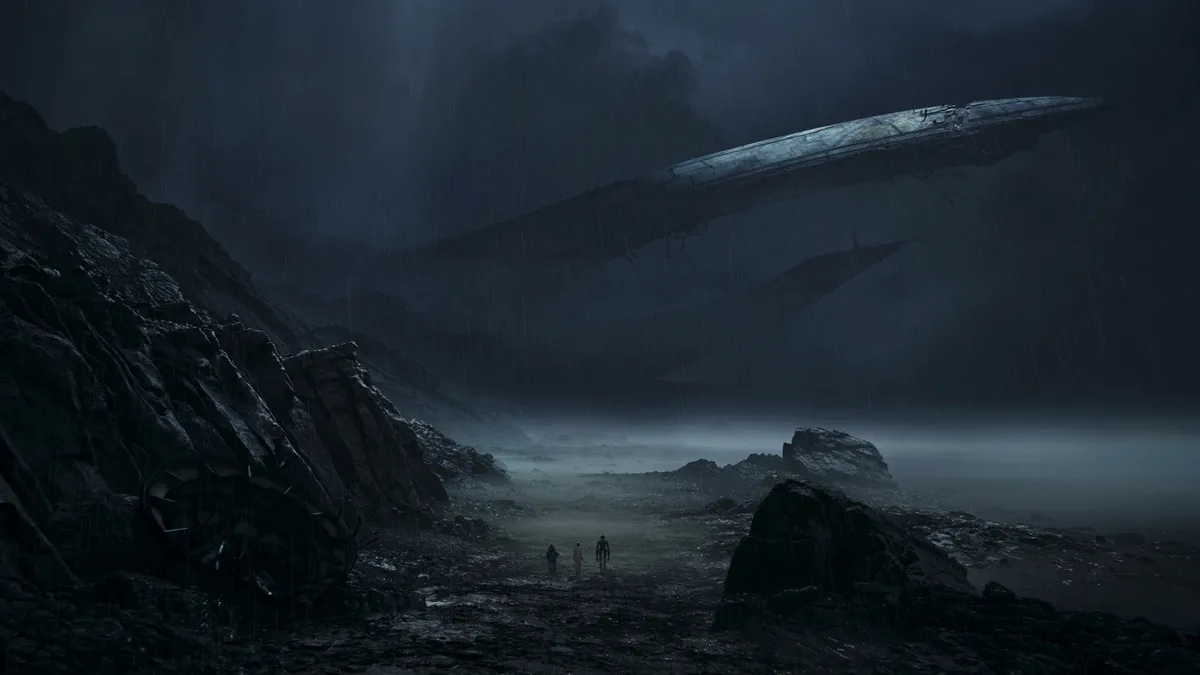
Lucasfilm describes it as an all‑new story with new characters, set at the end of the Old Republic. The teaser trailer backs that up thematically: a small crew lands on a stormy, hostile world; a robed Force user explores a wrecked capital ship half‑claimed by nature. The imagery implies an era where the great wars are over and the galaxy is literally walking among the bones of the KOTOR age.
Several important clarifications emerge from the official framing:
- Not a direct continuation of KOTOR 1 or 2 – Revan, the Exile, Bastila Shan, and other existing protagonists are not positioned as central playable characters. The story avoids locking into any one KOTOR ending.
- KOTOR-adjacent, not a remake – Fate of the Old Republic sits in the same broad era and draws on its tone and themes, but it is a different timeline slice with different leads.
- Focus on aftermath and “rebirth” – The “end of the Old Republic” description gives writers freedom to explore political and spiritual fallout rather than retread familiar battles.
In interviews, Casey Hudson talks about crafting “a completely new and different story” using everything learned since KOTOR, with an emphasis on choice, destiny, and the timeless conflict between light and dark. The ambition is to deliver what feels like a definitive Star Wars role‑playing experience for contemporary hardware without rewriting existing Old Republic stories.
How “spiritual successor to KOTOR” should be read
“Spiritual successor” does a lot of work here, and it is worth unpacking what that usually means for a project like this.
On the continuity side, it signals that:
- The narrative is independent. You do not need a specific Revan or Exile ending to be canon.
- The game can reference past events, wars, factions, and technology from the Old Republic era without being bound to specific party members or plot twists.
On the design and tone side, it hints at a closer relationship:
- Cinematic storytelling with strong companions – Arcanaut positions Fate of the Old Republic as an “epic interactive saga,” which suggests party dynamics, fully voiced dialogue, and character‑driven arcs in the vein of KOTOR and Mass Effect.
- Meaningful choice and consequence – Light/dark decisions are foregrounded as more than flavor, aimed at reshaping your path and possibly your relationships.
- Darker, more philosophical themes – Commentary around the project repeatedly nods to the existential questions KOTOR II explored about the Force, hinting that Fate of the Old Republic may revisit that more mature angle rather than the pulp‑only side of Star Wars.
At the same time, the explicit use of “action RPG” points toward more immediate, modern combat and traversal than the early‑2000s design of the original games. A useful mental model is “KOTOR‑era story sensibilities with present‑day action‑RPG mechanics” rather than expecting a direct mechanical sequel.
What the first teaser trailer actually shows
The Game Awards teaser is all mood and no HUD, but it still sets expectations.
Key beats from the trailer include:
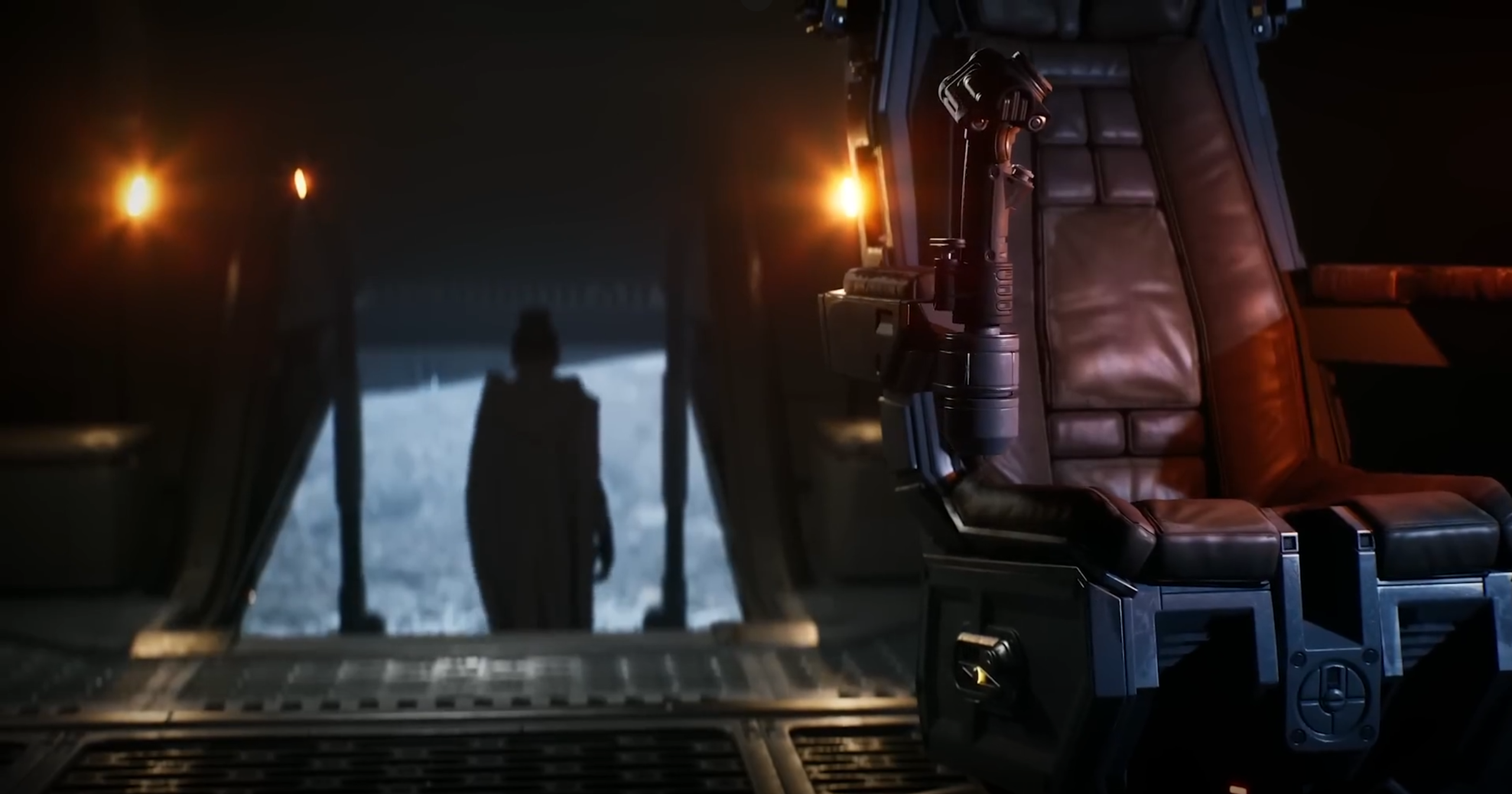
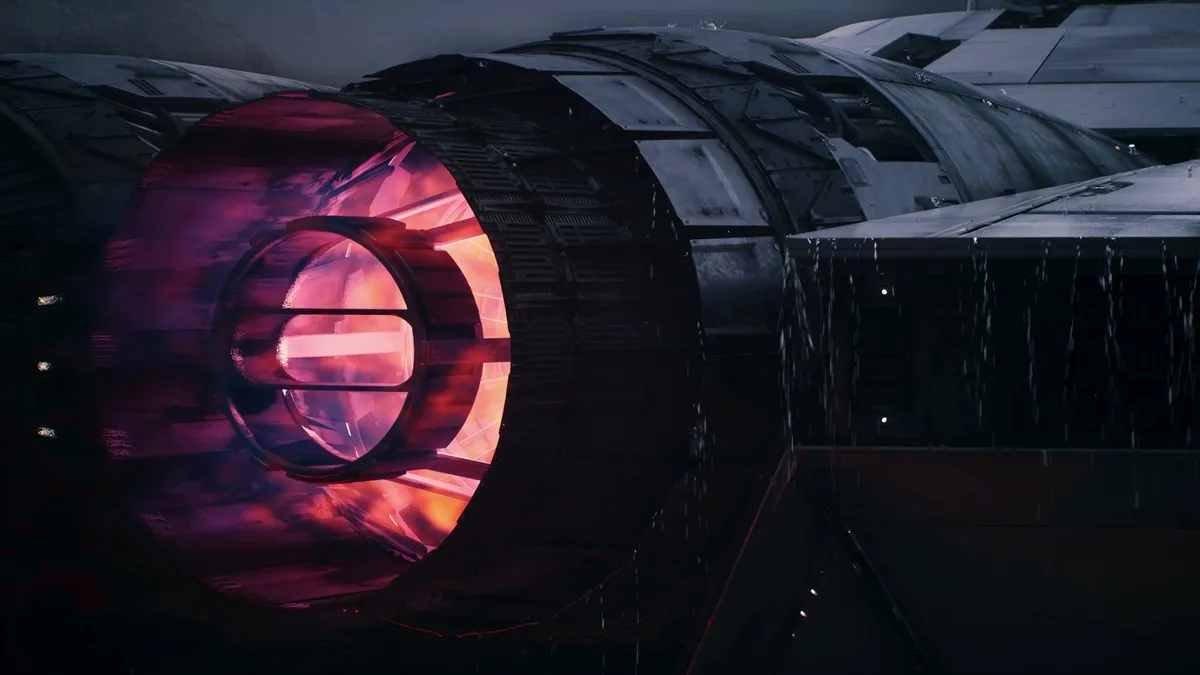
- A ship making landfall on a rain‑lashed, hostile planet, with more than one figure disembarking.
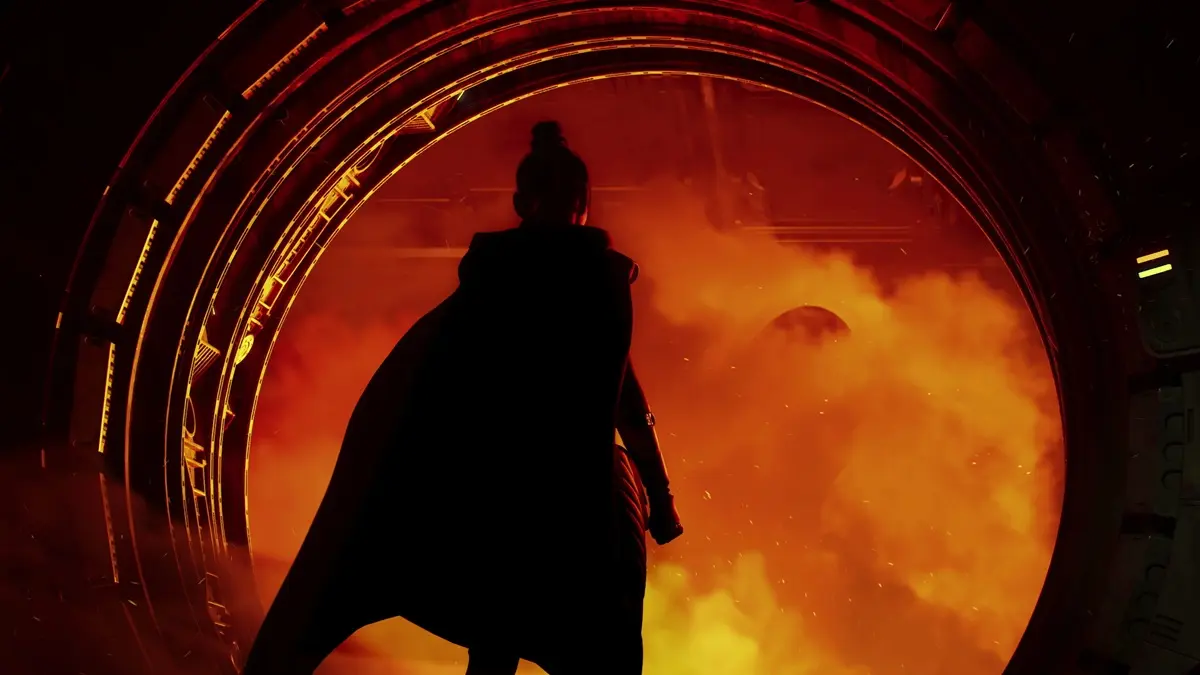
- A central character in pale robes – many viewers interpret them as a woman – walking with controlled calm toward danger.
- A wrecked capital ship half‑submerged and overgrown, reminiscent of KOTOR’s Leviathan‑class designs, implying time has passed since the major Old Republic conflicts.
The trailer avoids showing any direct combat, user interface, or exploration systems, which is consistent with the “early development” status. It functions primarily as a tone piece and a statement that the Old Republic era is back on the table in single‑player form.
Why the announcement came so early
The reveal timing – years before release and before the studio has fully staffed up – has sparked debate among fans, especially given the history of delayed or cancelled Star Wars projects like the KOTOR remake or Star Wars 1313.
Several practical reasons sit behind this kind of ultra‑early announcement:
- Hiring – A Star Wars Old Republic RPG directed by Casey Hudson is a strong hook for programmers, artists, and writers weighing new roles. The teaser plants a flag to attract that talent.
- Funding and partnerships – Public enthusiasm around a high‑profile IP makes it easier to secure long‑term investment and production support.
- Brand positioning – For Lucasfilm Games and Disney, publicly committing to a new Old Republic single‑player project helps reset expectations after the stalled KOTOR remake and shows that the era still matters.
The trade‑off is that players are now being asked to hold interest for four-plus years, during a time when cancellation risk and shifting priorities across the Star Wars slate are very real. Community sentiment reflects that split: enthusiasm that KOTOR‑style storytelling is returning, matched by skepticism around whether Fate of the Old Republic will ship on time – or at all.
How it relates to other Old Republic games
The Old Republic era already has a dense history across games:
- Star Wars: Knights of the Old Republic and KOTOR II – Single‑player RPGs set thousands of years before the films, focused on Revan and the Jedi Exile, with heavy emphasis on choice, companions, and morality.
- Star Wars: The Old Republic – A long‑running MMORPG for PC and macOS with multiple story arcs, factions, and expansions that continued to flesh out the era.
- Knights of the Old Republic remake – Announced but still unreleased, with its status and timeline unclear.
Fate of the Old Republic sits alongside these rather than on top of them. It is not an expansion of the MMO, not a remake of the originals, and not marketed as a strict trilogy closer. Instead, it gives Lucasfilm and Arcanaut a way to reengage with the Old Republic as a premium, single‑player experience without being trapped by the complex branching canon those earlier games created.
For players, that means two things: long‑time fans can expect callbacks, visual echoes, and thematic through‑lines; new players should be able to drop in without having completed a backlog of early‑2000s RPGs or an entire MMO’s worth of story content.
For now, the shape of Star Wars: Fate of the Old Republic is defined less by concrete systems and more by intent. It is a long‑term project from a new but veteran‑led studio, aimed at delivering a contemporary, choice‑driven Star Wars RPG in the Old Republic era, targeting PC and modern consoles sometime before 2030. Until gameplay appears, the safest stance is cautious optimism: interested enough to pay attention, patient enough to let the team actually build it.