

The Cat is one of the monsters in 99 Nights in the Forest, alongside The Deer, The Owl, The Ram, and The Bat. It is treated as a major hostile threat, and the practical way to deal with it is to survive its active window instead of forcing a direct duel.
Quick answer: When the Cat is active, stay near the campfire, keep a flashlight ready, avoid chasing it into the biome, and prioritize surviving the encounter over trying to burst it down.
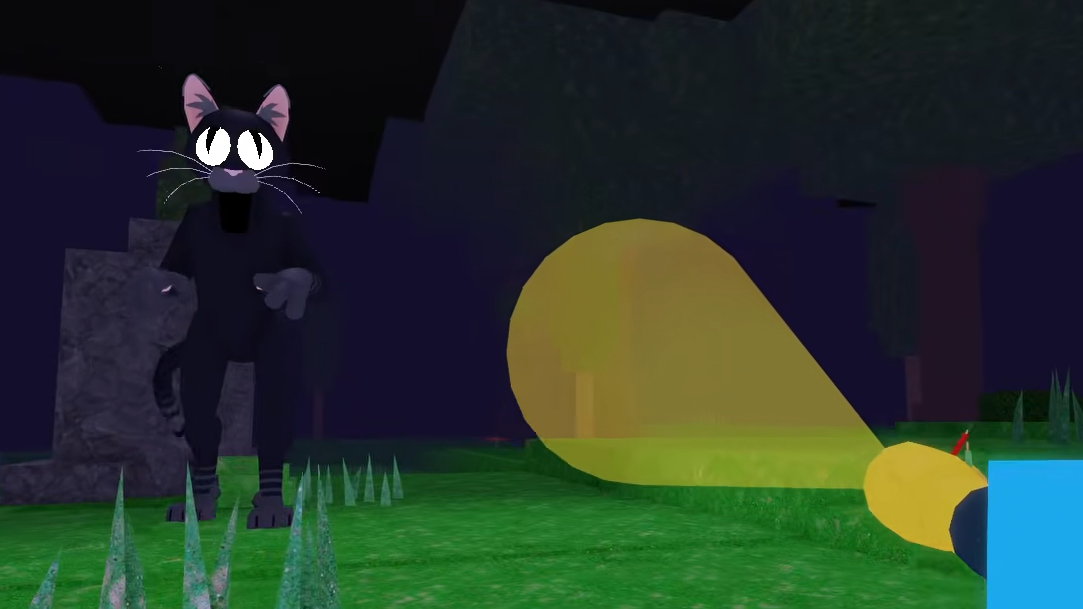
Cat Entity behavior that matters
The Cat is a monster-class enemy, not a neutral animal. That puts it in the same broad category as the game’s other major night threats, which means you should treat it as an event-level danger rather than normal biome pressure.
Two details shape the fight more than anything else. First, the Cat is framed as a very strong creature. Second, players repeatedly tie it to nighttime behavior, which fits the way it is encountered and how dangerous it feels when it appears.
| Detail | What it means in practice |
|---|---|
| The Cat is a monster | Expect a lethal threat, not a passive or conditional encounter. |
| It is considered very strong | Do not assume standard melee trading will be enough. |
| It is associated with nighttime activity | Be fully prepared before night starts. |
| Flashlight is treated as important | Carry one whenever you expect the Cat to become active. |
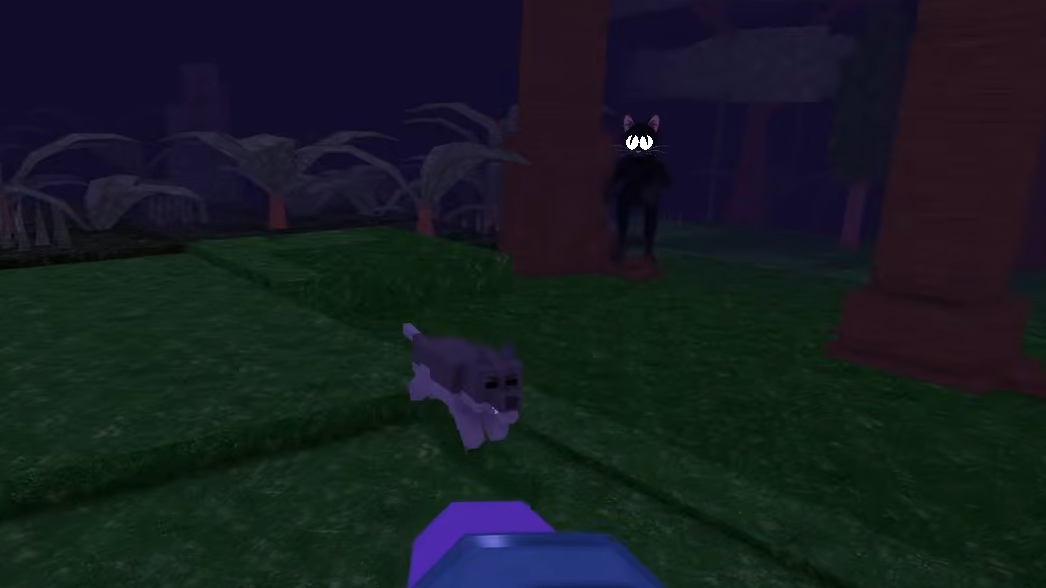
How to deal with the Cat
The winning approach is defensive. Staying close to the campfire gives you the safest anchor point in the game, keeps your recovery path simple, and prevents the fight from turning into a chase through the dark.
If you leave the fire and try to track the Cat through open space, you add more problems at once. You lose safe positioning, you make food and healing harder to manage, and you risk getting caught while already dealing with other hostile pressure.
Step 1: Be back at camp before the Cat becomes active. Do not start a long run through the map once night pressure is already building.
Step 2: Keep your flashlight equipped or immediately accessible. It is the one item most directly associated with managing the Cat.
Step 3: Stay within quick reach of the campfire. The campfire is your safest position, and the whole goal is to make the Cat come into your space on your terms rather than meeting it in the dark.
Step 4: Focus on survival resources first. If you are low on food, healing, or control of your position, fix that before thinking about damage.
Step 5: Only commit to damage when you are not giving up your safe spot to do it. If the choice is between landing a few extra hits or keeping control of the fight, keep control.
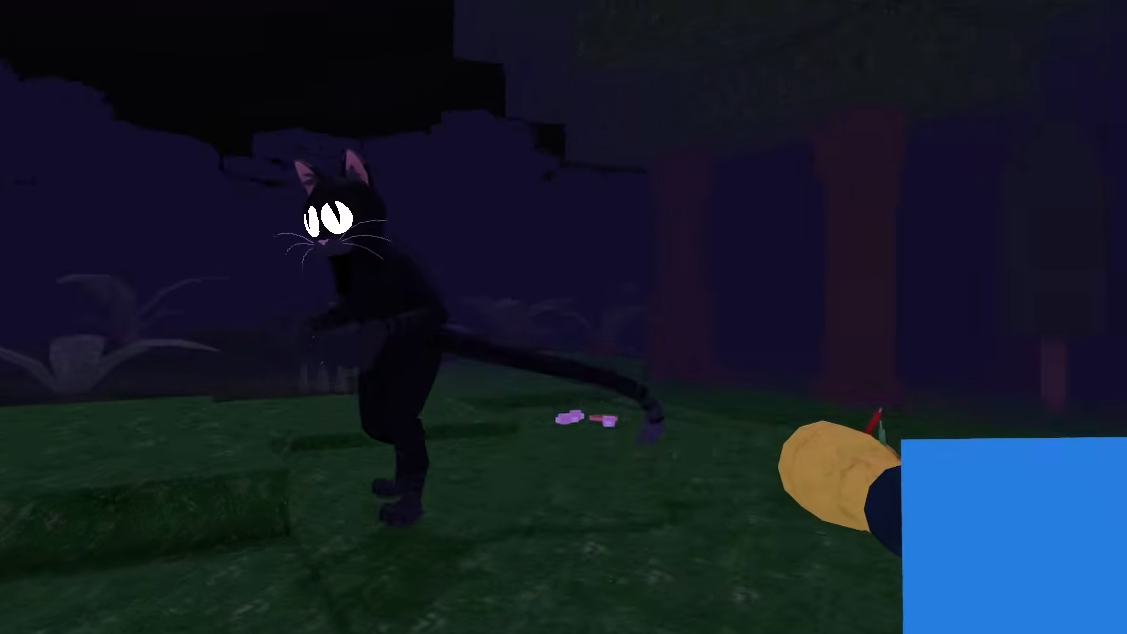
Why staying near the campfire works
The Cat is dangerous because it turns the encounter into a survival check. Near the campfire, every decision gets simpler. You know where you are, you shorten the distance to safety, and you avoid getting separated from the place that keeps your run stable.
This also cuts down on panic movement. Most failed monster encounters in 99 Nights in the Forest come from trying to do too much while out of position. The Cat punishes that harder than normal enemies do.
What not to do against the Cat
The Cat is not the kind of enemy you should test with improvisation once it is already on you. A few habits make the encounter much worse.
| Mistake | Why it fails |
|---|---|
| Running deep into the biome to chase it | You give up the safest part of the map and create a harder retreat. |
| Taking the fight far from camp | You turn the encounter into a long survival scramble. |
| Starting the night low on food or healing | The Cat punishes weak prep more than weak damage. |
| Treating it like a normal hostile mob | It is a monster-level threat, not routine enemy pressure. |
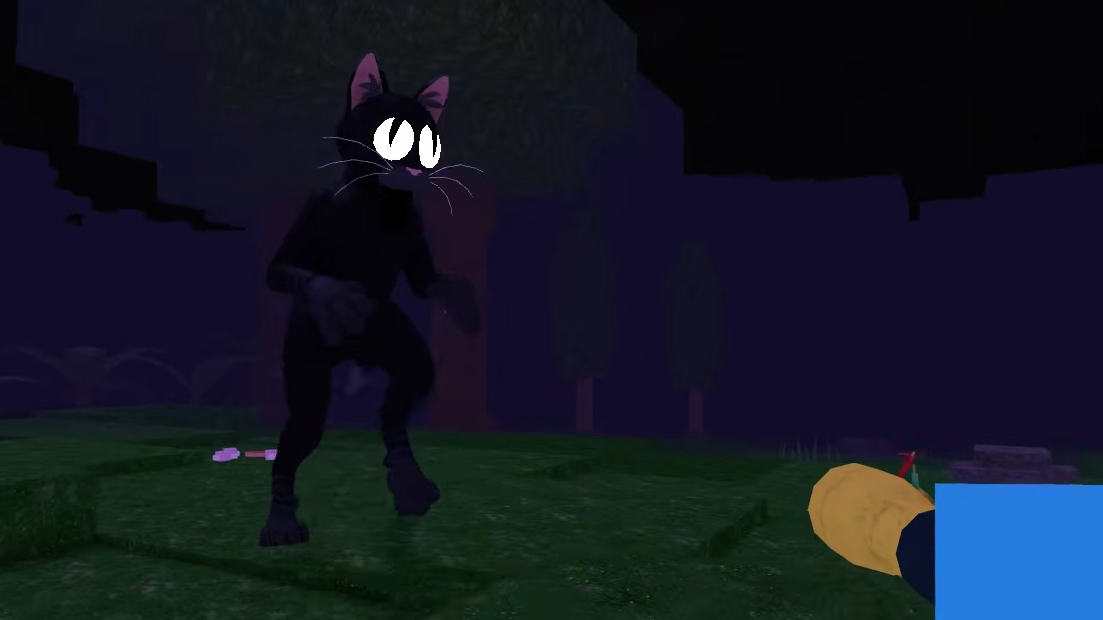
What you need ready before the Cat shows up
You do not need a complicated build plan to handle the Cat. You need a clean survival setup. The key pieces are a stable campfire, a flashlight, and enough food or healing to avoid collapsing the moment the fight drags out.
That is why the Cat is less about perfect execution and more about being prepared before the encounter starts. If your camp is stable and you do not panic, the fight is manageable in a way it is not when you are caught far from base.
| Preparation | Priority |
|---|---|
| Campfire access | Essential |
| Flashlight | Essential |
| Food on hand | High |
| Healing available | High |
| Extra roaming damage | Secondary |
How to know your Cat response is working
You are handling the Cat correctly if the fight stays controlled. In practice, that means you are not getting dragged away from camp, you are not losing track of your position, and you still have enough health and resources to survive the encounter window.
If the fight turns into a map-wide chase or you are forced to burn everything just to stay alive, the setup has already broken down. Resetting to safer positioning is more important than trying to win the trade immediately.
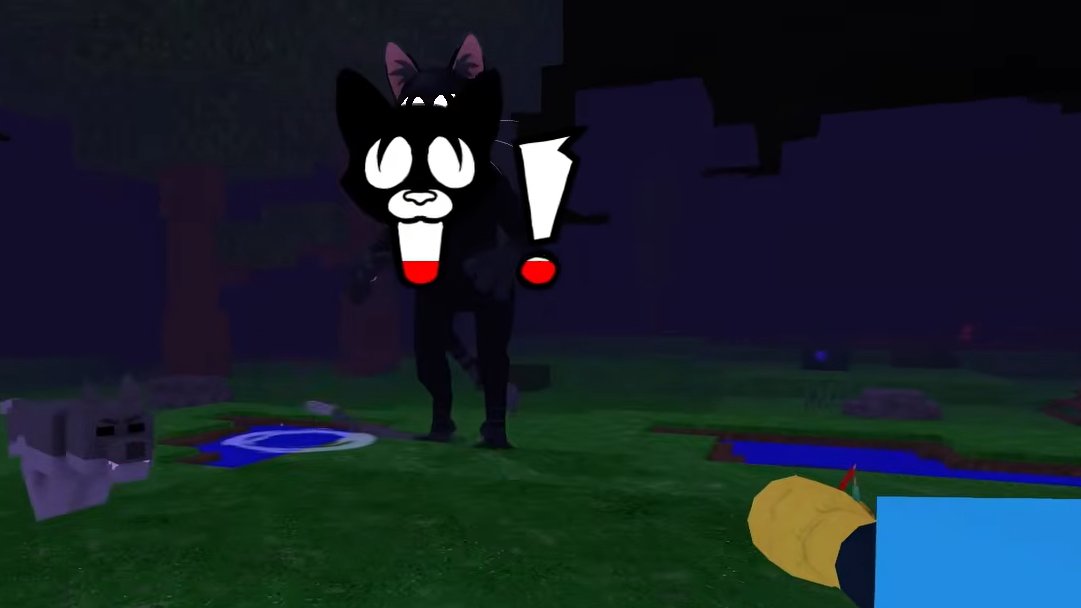
When the Cat becomes a problem
The Cat becomes hardest to manage when two things happen together: you are away from camp, and night pressure is already active. That is the danger state. Once both are true, even small mistakes snowball fast.
The clean fix is simple. Get home earlier, carry the flashlight every time, and treat the Cat like a survival event instead of a target to hunt.
If you remember one rule, make it this one: the Cat is not a fight you win by being aggressive first. You deal with it by staying near the campfire, keeping your flashlight ready, and surviving the encounter without losing control of your position.