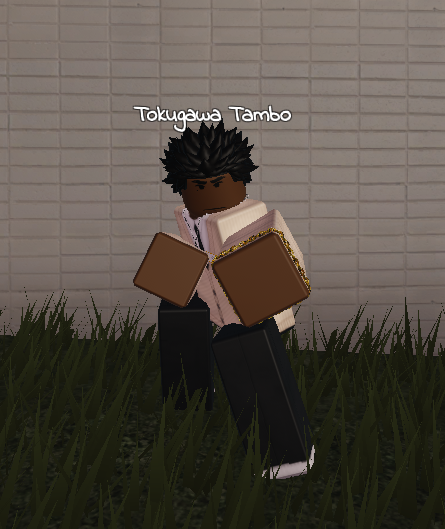
Combat in Gakuran is a timing-based brawler system built around light attacks, heavy attacks, dodging, blocking, parrying, and posture management. There are no set objectives in the game yet, so most of your time in Nishikata will be spent socializing and fighting other players. Mastering the combat mechanics is what separates a fighter who wins duels from one who gets guardbroken and slammed. This guide covers every core mechanic in the Gakuran combat system.
Light Attacks (M1)
Light attacks are your bread-and-butter offense. You can chain up to a 4-hit combo by either tapping or holding the M1 key, with holding being the more reliable method. The combo resets after a short gap with no attacks, so keep your pressure consistent. The 4th and final M1 acts as a combo finisher that deals extra knockback, and both the damage and hitbox of your M1s scale with your character’s height.
Heavy Attacks (M2)
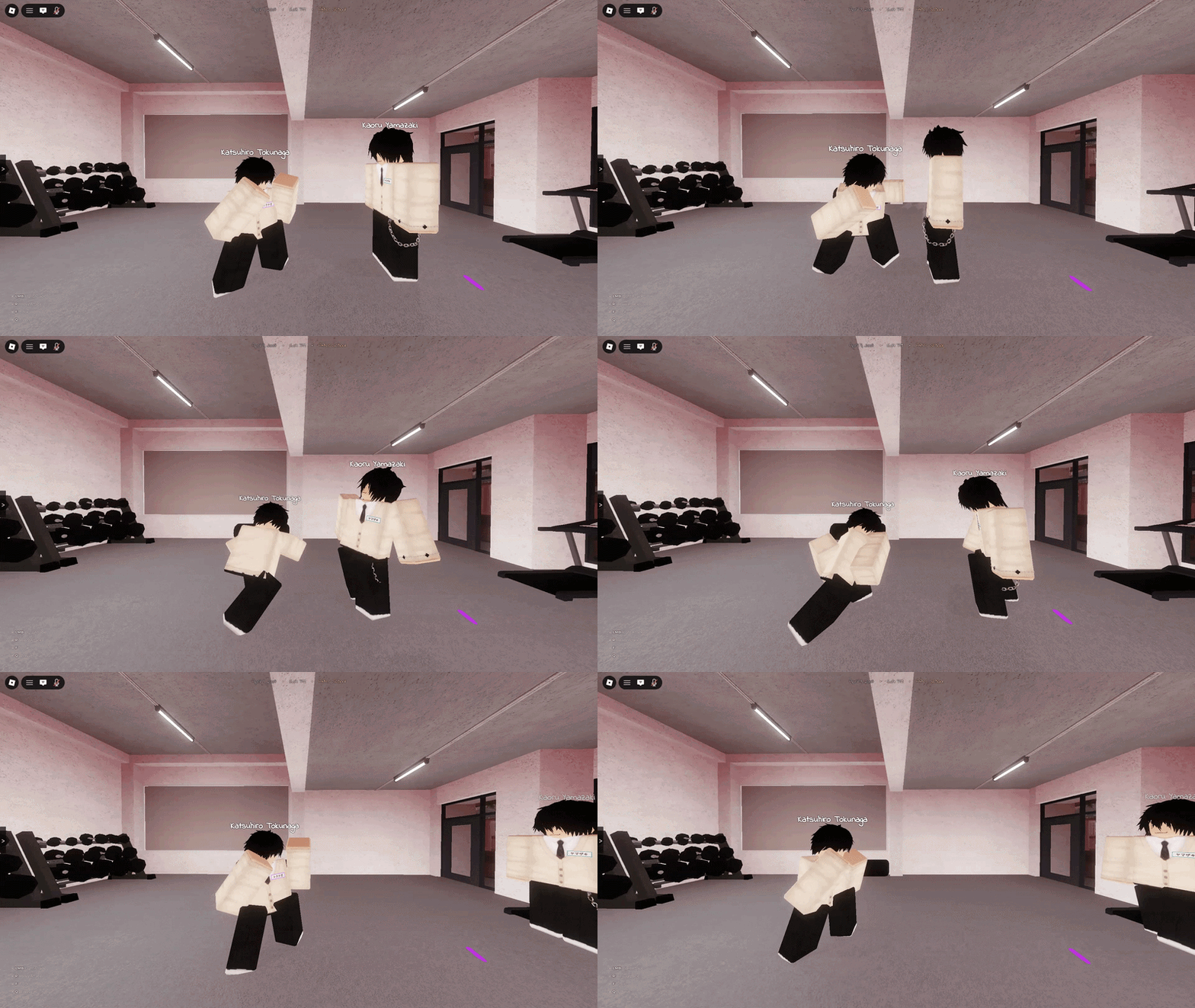
The heavy attack is a standalone strike on a universal cooldown that applies to all heights. It hits for roughly 1.7x the damage of a single M1 (+70%), which makes it your main burst tool. Crucially, heavy attacks cannot be blocked: you must parry or avoid them. Some styles also have ragdoll M2s that knock the victim to the ground for a short time, opening them up for follow-up punishment.
Evasive Dodge
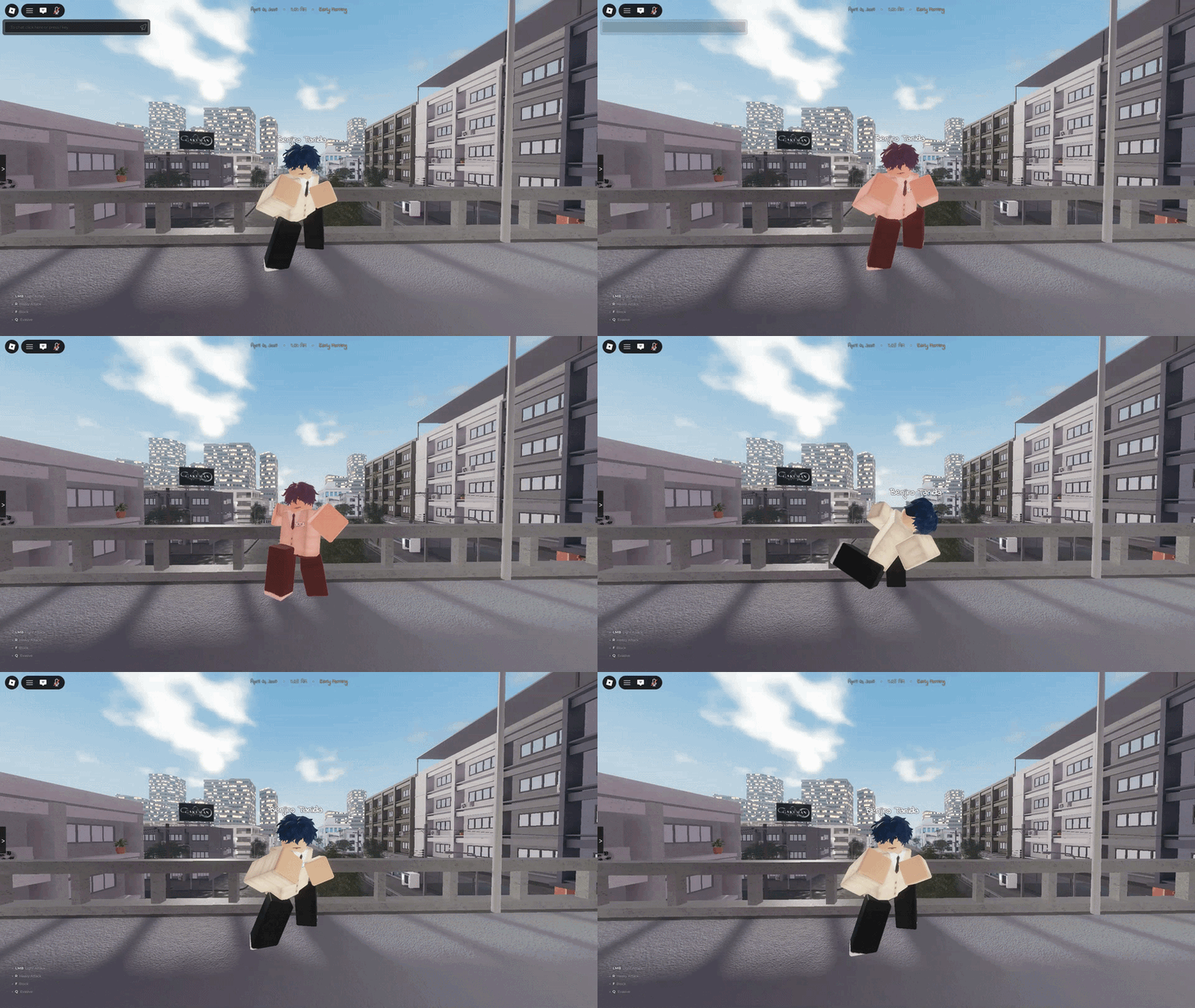
Your dodge has a very short cooldown and grants a brief window of invincibility frames, letting you slip through incoming attacks or reposition. As of now, dodging does not consume any stamina or posture, though that may change in the future. Certain style perks reward dodging, such as Quickstep, which cuts your dash’s remaining cooldown by 50% if you land a hit within one second of dodging.
Blocking and Posture
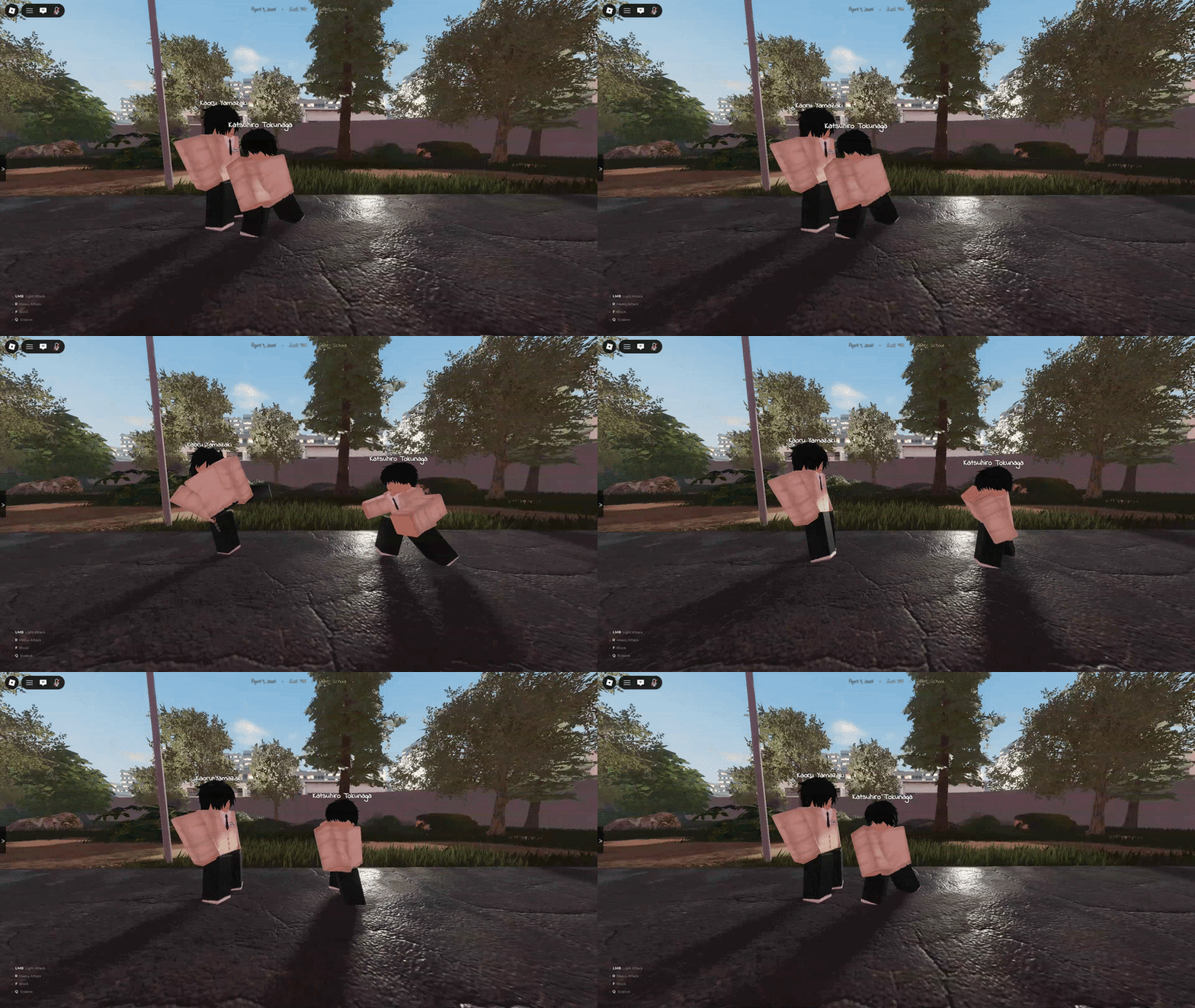
Holding block raises your guard, but blocking is not free. Every blocked hit chips away at your posture, a resource that acts like a stamina bar for defense. Blocking also lets some chip damage through depending on the attacker’s Guard Pierce rank. Manage your posture carefully, because if it runs too low your guard becomes vulnerable to breaking.
Parrying and Perfect Blocking
A parry is a precisely timed block executed right as an attack is about to land while you are facing the attacker. Nail the timing window and you perfect block instead of taking a normal block. Unlike a regular block, a parry costs you nothing: no damage, no block chip, and no posture loss. It also stuns the attacker briefly, handing you the opening to counterattack. Style perks like Counterstrike (+5% damage after a parry) and Perfect Reflex (reduces M2 cooldown on parry) reward players who master parrying.
Blockbreaks and Guardbreaks
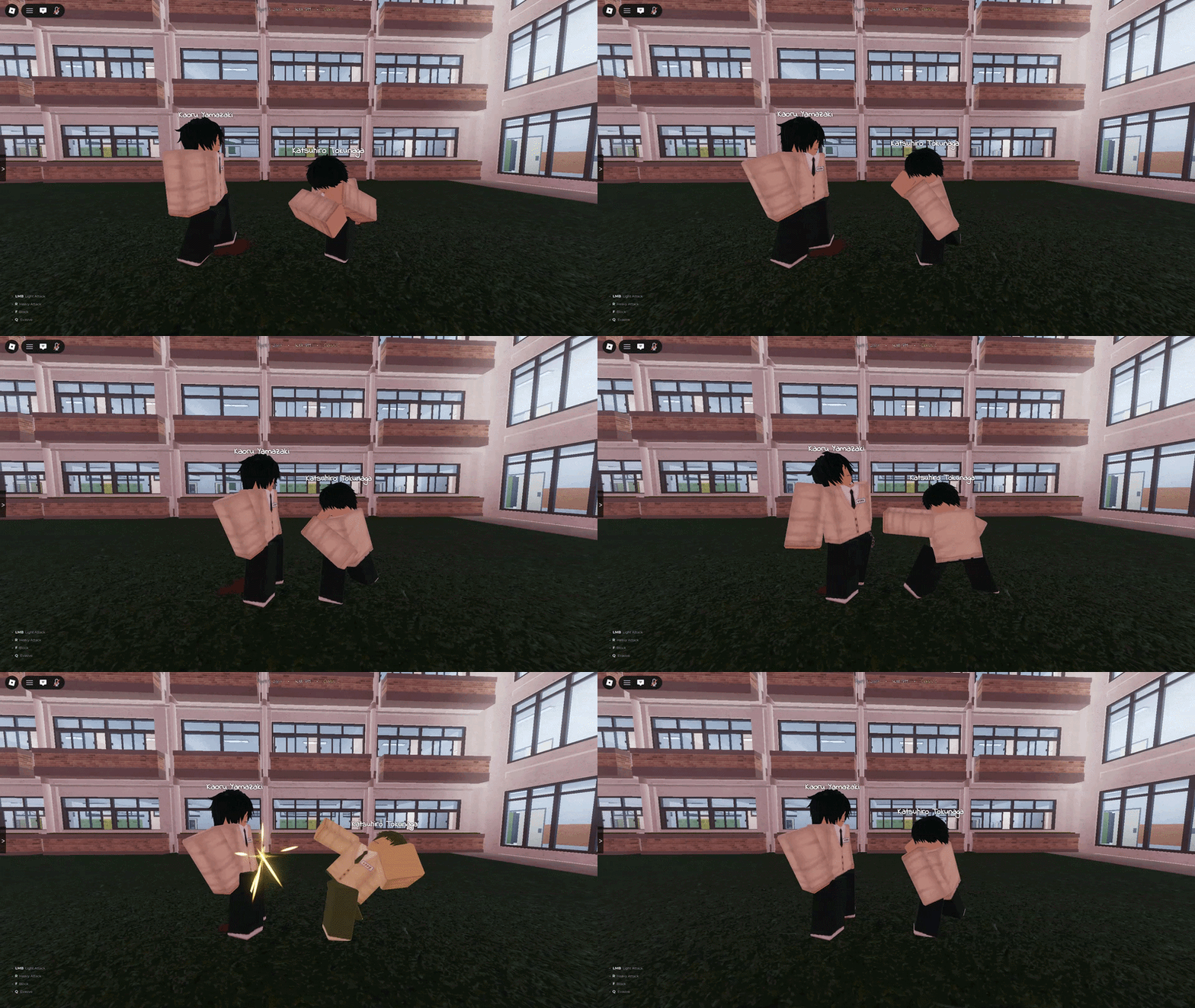
A guardbreak happens when your block is broken. You take full guardbreak damage and get stunned for roughly 2 seconds, though you do not take block chip damage on a guardbreak. There are two ways your guard breaks:
- Heavy attacks (M2) always break your block, so you must parry, dodge, or beat the attacker to the punch.
- Light attacks (M1) can break your block if you run too low on posture (below 10).
The Heavy Hitter perk line increases guardbreak damage, ranging from +5% up to +15% on styles like Wrestling.
Grappling (Clinch)
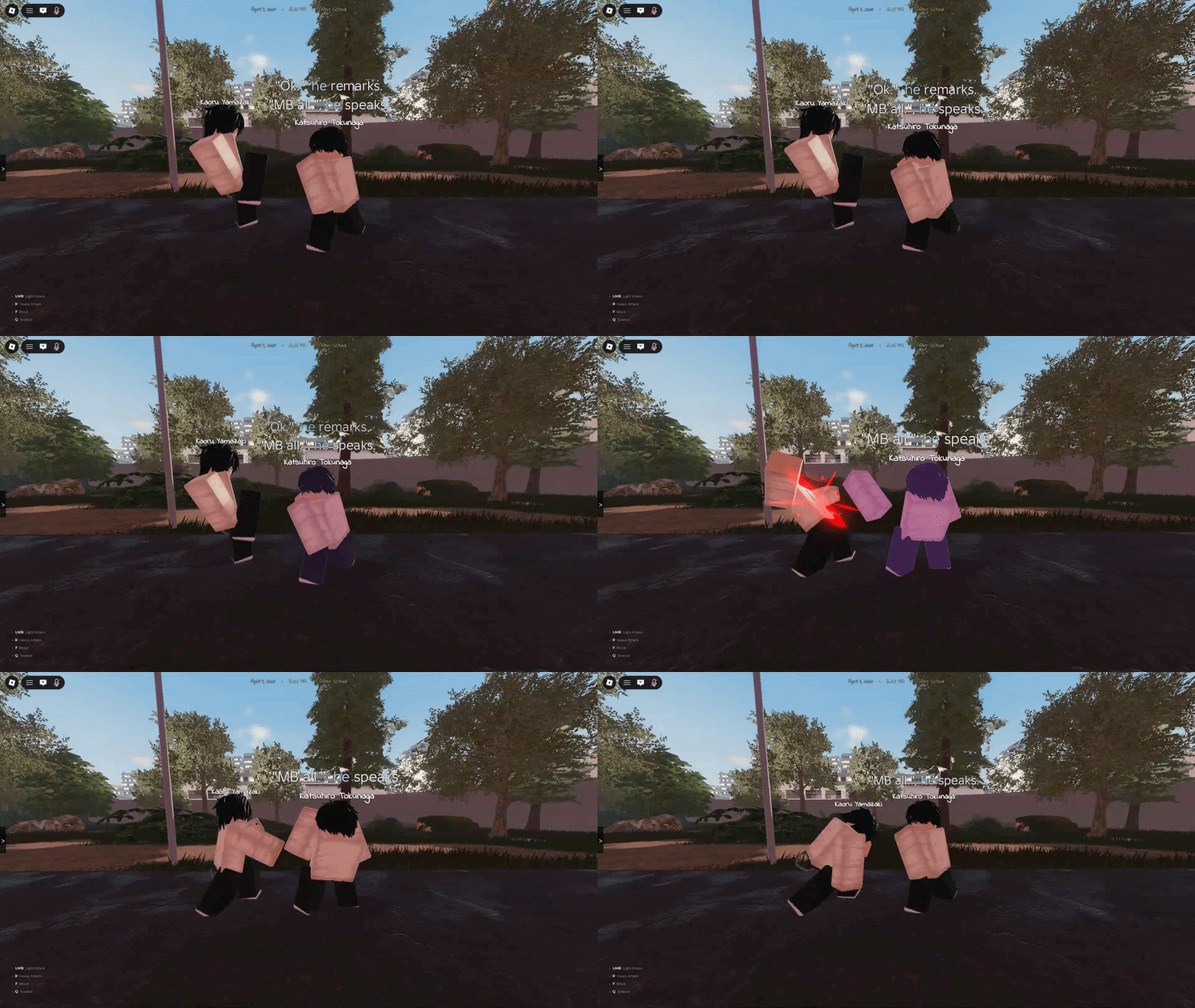
When two fighters throw the same attack tier (M1 vs M1 or M2 vs M2) at almost the same moment, their attacks can clash into a grapple. Both fighters lock into a brief clinch, and the one who swung first wins, shoving the other back with 50% reduced damage. The chance of a grapple is rolled off the defender’s Resilience perk. For example, a Karate user has Resilience II for a 25% grapple chance, while Muay Thai and Wrestling sit at Resilience V for 55%.
Block Chip Damage
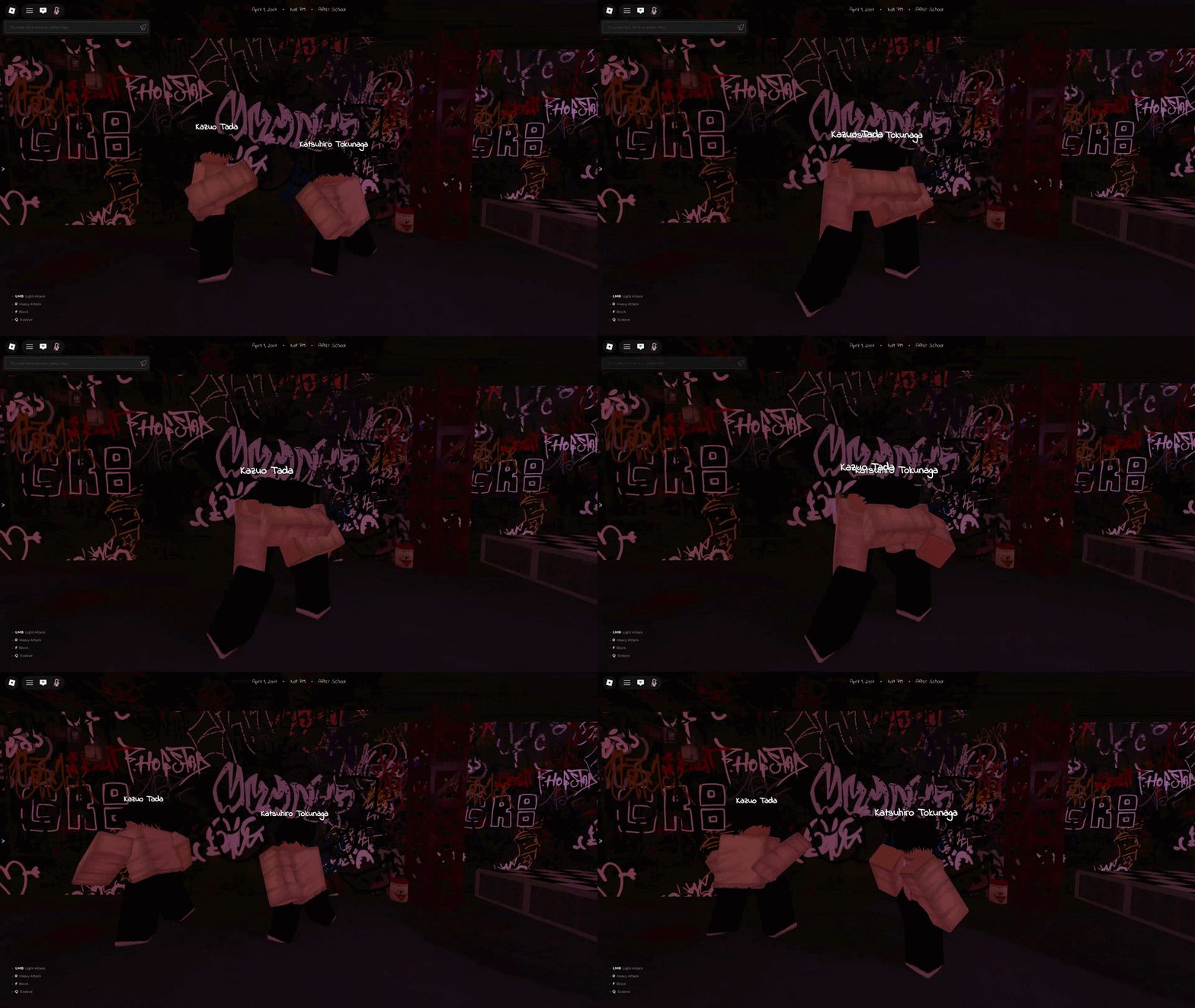
Even a successful block lets some damage through, and how much depends on the attacker’s Guard Pierce rank. This chip damage is why you cannot simply hold block forever against an aggressive opponent, especially one running a maxed Guard Pierce V style like Slugger or Muay Thai at 30% block chip.
Height-Based Combat Modifiers
Your character’s height directly changes how you fight, creating a trade-off between power and speed:
- Taller characters: more damage, more health, larger hitboxes, but slower attacks and longer combo reset timers.
- Shorter characters: faster attack speed and cooldowns, smaller hitboxes, but less damage and health.
Health differences are minor around normal heights (base is 100 HP) and only become significant at extreme heights. Taller players can lean into a ranged, spacing-focused playstyle thanks to their larger hitboxes, while shorter players win through speed and pressure.
Putting It All Together
The best Gakuran fighters weave these systems together: they bait heavies to parry them, watch their posture so they never get guardbroken, use iframe dodges to reset spacing, and pick attack timings that avoid unfavorable grapples. Learn the fundamentals here first, then pick a style that amplifies the parts of your game you rely on most.