

Anime Auto Chess is built around two layers of power: the champion you field and the trait you roll on them. You can clear most early stages with almost anything, but high-difficulty content quickly exposes weak units and low-impact traits. This breakdown focuses on the release meta, combining unit and trait rankings into a single view so you know what to pull, what to build around, and when to reroll.
Anime Auto Chess unit tier list (release meta)
Tier lists differ slightly between communities, but the same names keep bubbling to the top. The units below are grouped by overall impact in late-game and high-difficulty runs, not just how they feel in the tutorial.
| Tier | Units | Notes |
|---|---|---|
| S (best) | The Light Admiral, The Lava Admiral, The Ice Admiral, Flame Reborn, Weather Manipulator, Cat Burglar, Young Boy, Blade Master, Sword Queen, Alien Antagonist, Blue Bird, Fire Gunner, Sharkbone | Run-defining damage or economy; core of most late-game boards. |
| A (very good) | Fire Gunner, Hell Flame, Light Admiral, Lava Admiral, Ice Admiral, Blade Dancer, Sasook, Red Dog, Yellow Monkey, Fused Gatsu, Genius Gunslinger | Flexible carries or frontliners that can anchor teams when S‑tier is unavailable. |
| B (decent) | Yellow Flash, Alien Antagonist, Sharkbone, Sword Man, Mr Third, Fused Gatsu, Sakke, Kuroiashi, Genius Gunslinger, Sand Kid, Pikko, Medic Ninja, Kikigo, Picke Alien, Itadakiru, Mr First, Spiral Sigma, Seaweed, Arrow Demon, Sub Subordinate | Good for progression and early waves; fall off without strong traits or synergies. |
| C (weak) | Itadakiru, Young Joe, Mr First, Girl Soul Reaper, Kombo, Subordinate, Nihongo, Alien Captain, Giant Gatsu, Seaweed, Arrow Demon, Young Boy, Cat Burglar | Outscaled by higher-rarity options; a few have niche utility (economy, healing). |
| D (very weak) | Seiya Prince, Ki Student, Giant Gatsu, Demon Hunter Trainee, Alien Captain, Strong Alien Brawler, Strong Demon Brawler, White Gatsu, Elite Swordman Pirate, Chunnin Assassin, Advanced Alien Shooter, Demon Brawler, Swordman Pirate, Genin Swordman, Genin Assassin, Alien Shooter, Alien Brawler, Pirate Gunner | Mostly early-version or common units that are heavily outclassed. |
Be careful with overlap: some champions, such as The Light Admiral, Lava Admiral, Ice Admiral, Fire Gunner, Alien Antagonist, Sharkbone, Fused Gatsu, Genius Gunslinger, Young Boy, Cat Burglar, and Alien Captain appear in multiple lists with slightly different ranks. The consistent pattern is that Mythical and Legendary units with strong kits sit at the top, while older Common and Uncommon units sit at the bottom and are currently unobtainable in normal banners.
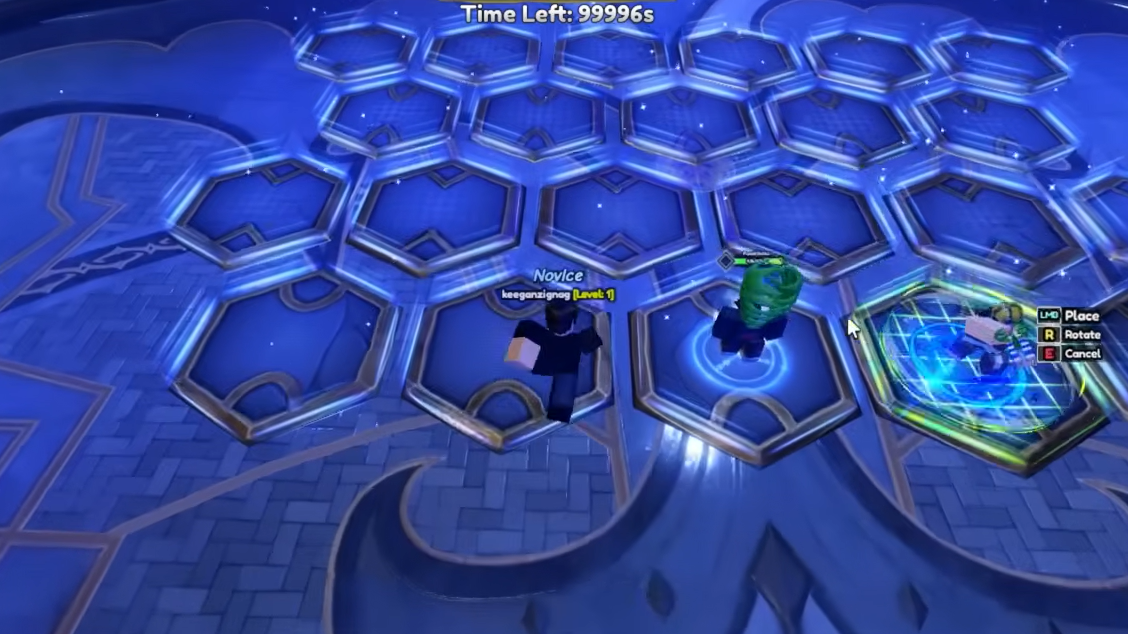
Best Anime Auto Chess champions by rarity
Rarity directly drives base stats, upgrade scaling, and access to evolutions. Within each rarity, a handful of standouts define the meta.
Top Mythical and Legendary champions
- The Light Admiral, The Lava Admiral, The Ice Admiral – These three Mythical “Admirals” are the face of the current meta. They offer high damage, strong scaling, and, once evolved, become some of the best end-game carries in the game. You prioritize them whenever their banner is up.
- Weather Manipulator – A Legendary with one of the strongest economic passives. On top of contributing damage, it generates extra currency, speeding up upgrades across your entire board.
- Fire Gunner, Hell Flame, Light Admiral, Ice Admiral, Lava Admiral – Among Legendaries, these are the premier damage dealers. They combine high attack or ability damage with good scaling passives and are regularly cited as the best non-Mythic investments.
- Blade Master, Sword Queen – Legendary Swordsmen that frequently land in S‑tier. Both serve as reliable physical carries that benefit heavily from crit- and attack-speed-focused traits.
- Alien Antagonist, Red Dog, Yellow Monkey, Blue Bird, Sharkbone – Brawler and Swordsmen frontliners and carries that round out the top-end roster. Alien Antagonist and Red Dog offer strong frontline pressure, Yellow Monkey pairs tankiness with Guardian utility, Blue Bird supplies ranged DPS, and Sharkbone adds crowd control.
Top Epic, Rare, and support picks
Lower rarities exist for more than just filling early slots. A few Epic and Rare units are effectively mandatory in efficient runs because they create resources or keep your board alive.
- Cat Burglar (Epic) – One of the most important support units in the game. Its passive money-generation lets you reach max upgrades and rerolls much faster than pure DPS units would. It regularly ranks right alongside Mythic carries in overall value.
- Young Boy (Epic) – Another economic engine. Young Boy’s income passive stacks with Cat Burglar and Weather Manipulator, giving you a much larger budget to level units, roll traits and experiment with compositions.
- Fused Gatsu, Sword Man, Mr Third, Sakke, Kuroiashi (Epic) – High-value Epics that can anchor early and mid-game boards. Fused Gatsu and Kuroiashi act as durable Guardians, Sword Man and Mr Third serve as reliable Swordsmen carries, and Sakke adds extra damage and utility.
- Medic Ninja (Rare) – The standout Rare. While its raw numbers lag behind high-rarity units, its healing is valuable in difficult waves where keeping key carries alive for a few more seconds can swing the fight.
Most other Rare units test as underwhelming in comparison. They might stall progression early, but you switch out of them as soon as you secure stronger Epics or Legendaries.

Roles in Anime Auto Chess and why they matter
Roles dictate baseline behavior and stats, independent of individual passives. Understanding what each role does helps you build coherent boards instead of just piling on high-rarity faces.
| Role | Core behavior | Typical use |
|---|---|---|
| Swordmen | Higher Parry chance | Close-range DPS that can negate hits and punish attackers. |
| Brawler | Higher Dodge chance | Frontline bruisers that soak and avoid damage while dealing sustained DPS. |
| Musketeer | High range and physical DPS, low durability | Backline carries; you must protect them with Guardians or Brawlers. |
| Mage | High ranged ability damage, low durability | Spell-based carries; rely heavily on mana gain and ability power. |
| Guardian | Very tanky, draws aggro | Front row that keeps enemies away from your backline. |
| Healer | Focus on regenerating allies’ health | Back-row sustain for carries and tanks. |
| Supporter | Buff allies, debuff enemies, sometimes generate income | Utility slots that multiply the value of your main carries. |
| Assassin | Jumps to the furthest enemy | Deletes enemy backline (healers, supporters, squishy DPS). |
Strong boards typically combine at least one Guardian or Brawler frontline, one or two primary carries (Swordsmen, Musketeers or Mages), and at least one dedicated support or Healer, plus an Assassin to disrupt the enemy backline.
Anime Auto Chess trait tier list
Traits are permanent augments you reroll on individual champions using Power Fragments. They are so influential that a mid-tier unit with an S‑tier trait often outperforms a top-tier unit stuck with a weak one.
| Tier | Traits | What they do |
|---|---|---|
| S (meta) | Deity, Blade Master, Godspeed, Vanguard | Huge multi-stat packages that increase damage, mana gain, ability haste, defenses, and attack speed; some add powerful unique passives such as Judgement, Ascend, Blade Engage, God Slayer or Lightning Dodge. |
| A (very good) | Blood Lust, Harvester, Maskman, Critical III, Nimble III, Reinforce III | Focused offensive or defensive boosts: lifesteal, executes, crit scaling, movement and attack speed, or high armor/resistance. |
| B (decent) | Guardian, Scholar, Strong III, Carrier II, Fortitude III, Flexibility III, Adept | Specialized or economy traits that work well in the right context but don’t hard-carry runs on their own. |
| C (mid) | Critical II, Nimble II, Reinforce II, Fortitude II, Carrier I, Flexibility I | Reasonable early placeholders; usually replaced once you have enough Fragments. |
| D (weak) | Critical I, Nimble I, Reinforce I, Fortitude I | Low values that rarely justify keeping over another reroll, even in the early game. |
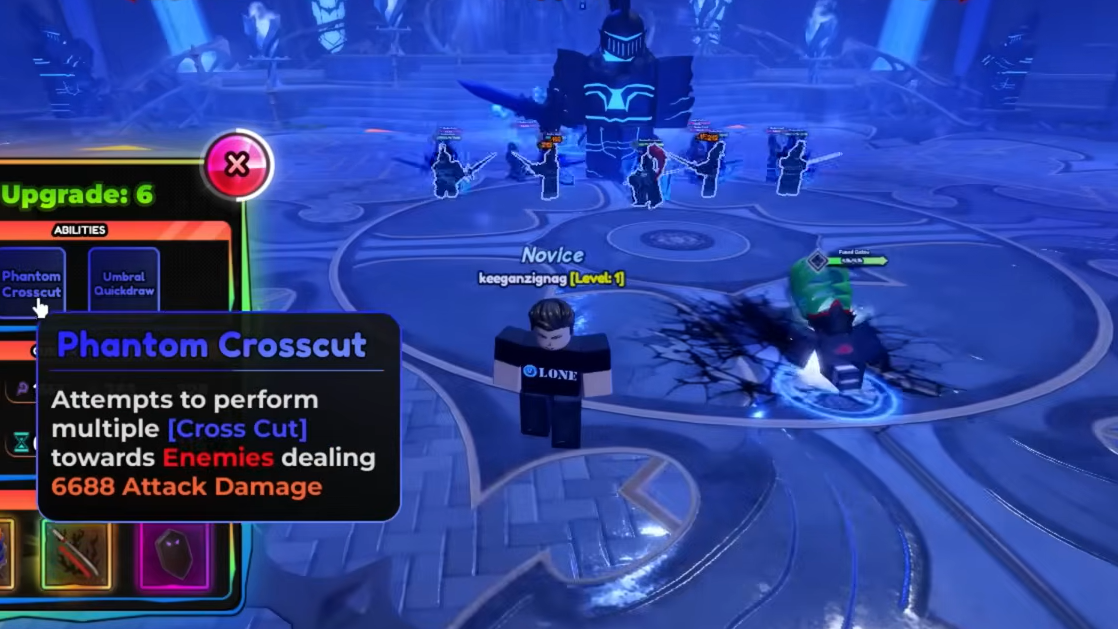
Anime Auto Chess trait details and best picks
S‑tier traits (Deity, Blade Master, Godspeed, Vanguard)
- Deity – The most complete stat line in the game. It grants 25% Attack Damage, 25% Ability Power, extra Armor and Resistance, more Mana Gain, Ability Haste, and Attack Speed, plus Judgement and Ascend. Put this on any major carry or hybrid bruiser, and it turns them into a boss-level unit.
- Blade Master – Ideal for Swordsmen or any auto-attacking DPS. It adds Attack Damage, Ability Power, a large Mana Gain boost, Ability Haste, Parry and Dodge chance, and Attack Speed, alongside Blade Engage and God Slayer. This aggressively pushes both damage and spell uptime.
- GodSpeed – A mobility and tempo trait that combines Attack Damage, Ability Power, very high Attack Speed, massive Movement Speed, extra Mana Gain and Ability Haste, plus a Lightning Dodge effect. Auto attackers become extremely smooth to play and scale very hard with this equipped.
- Vanguard – Focused on frontline durability. It grants Armor, Resistance, bonus HP, Mana Gain, and Ability Haste, along with a Vanguard passive. This is the go-to pick for tanks and Guardians you want to keep alive through the nastiest waves.
A‑tier traits (Blood Lust, Harvester, Maskman, Critical III, Nimble III, Reinforce III)
- Blood Lust – Blends aggression and sustain with extra Attack Damage, Ability Power, Armor, Resistance, Attack Speed, and a significant Vampiric effect. It shines on bruisers and melee carries that stay in the thick of combat.
- Harvester – Provides extra Attack Damage, Ability Damage, Mana Gain, Ability Haste, Attack Speed, and a Harvester effect that executes low-health enemies. This is particularly strong on boss-killing carries, letting them end fights faster and protect your HP.
- Maskman – Tailored for crit-based physical carries. It adds Attack Damage, Attack Speed, Critical Chance, and Critical Damage. Musketeers and high-crit Swordsmen benefit most.
- Critical III – Pure crit scaling with a large boost to Critical Chance and Critical Damage. It’s the keystone for crit-centered builds and pairs well with Maskman or high base crit units.
- Nimble III – A big Movement Speed boost and extra Attack Speed. On paper it is utility; in practice, it improves positioning and uptime enough that damage output climbs in longer fights.
- Reinforce III – A chunky Armor and Resistance bump for units that need to eat hits. While not as complete as Vanguard, it still lifts survivability significantly on dedicated tanks.
B‑tier traits (Guardian, Scholar, Strong III, Carrier II, Fortitude III, Flexibility III, Adept)
- Guardian – Extra Armor and Resistance plus Ability Haste. Useful on frontline units you want cycling skills quickly; less impressive on glass-cannon carries.
- Scholar – High Ability Power, higher Mana Gain, and Ability Haste. Extremely powerful on true Mage champions but mediocre elsewhere, simply because many units scale more on Attack Damage than AP.
- Strong III – Flat boosts to Attack Damage and Ability Damage. Solid, generic power but lacks the unique passives that define S‑tier traits.
- Carrier II – A mid‑value Attack Damage and Ability Damage increase; fine on early carries while you roll for something better.
- Fortitude III – A sizeable HP increase. Best used on units that already have strong defensive stats so the percentage health feels more meaningful.
- Flexibility III – Modest Dodge and Parry boosts. It helps melee units feel a little slipperier but remains more of a luxury than a must-have.
- Adept – A pure economy trait with 65% Bonus EXP. It accelerates your entire run by pushing levels and upgrades faster, indirectly making every unit on the board stronger.
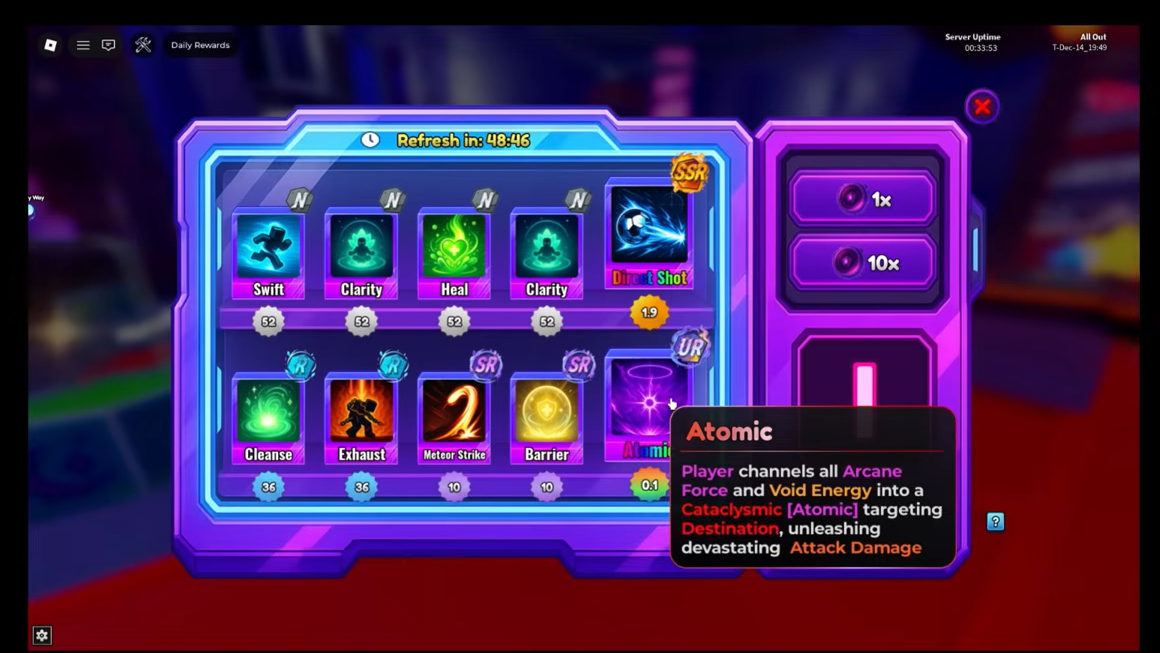
C‑tier and D‑tier traits (when to keep and when to reroll)
C‑tier traits such as Critical II, Nimble II, Reinforce II, Fortitude II, Carrier I and Flexibility I offer small but noticeable boosts. They are acceptable early when Power Fragments are scarce, especially on units you expect to replace soon. As your resource income improves, you reroll these aggressively in search of at least B‑tier and preferably A‑ or S‑tier traits.
D‑tier traits — Critical I, Nimble I, Reinforce I and Fortitude I — provide very low stat values. They rarely change combat outcomes and are effectively placeholders. Outside of the first few stages, they are almost always worth rerolling as soon as you have a Fragment to spare.
How to reroll traits and get Power Fragments
Trait management happens in the main lobby rather than inside a run.
Step 1: Launch Anime Auto Chess on Roblox. From the lobby, move toward the Manufacturing building on the western side of the map.
Step 2: Interact with the NPC Dr.Senki in the center of the building to open the Trait Menu for your champions.
Step 3: Select the unit you want to modify, then spend Power Fragments to roll a new trait. The game will show the trait result before you confirm, so you can decide whether to keep it or roll again.
Power Fragments come from three main sources: Challenges, Lootbags, and redeemable codes. If you want to shortcut the grind, you can also buy them directly from the Trait Shop using Robux. Champions can only hold one trait at a time; every reroll replaces the existing one.
Best traits for different champion types
While S‑tier traits are strong on nearly anything, some pairings are especially efficient:
- Primary carries (Swordsmen, Musketeers, mixed-damage Mythics) – Deity, Blade Master, Godspeed, Blood Lust, Harvester, Maskman, Critical III, Carrier II/Strong III as temporary picks.
- Frontline tanks (Guardians, Brawlers) – Vanguard, Reinforce III, Guardian, Fortitude III, Blood Lust if they contribute meaningful DPS.
- Mages – Deity or Scholar as first picks, with Harvester as a strong alternative when you want execute pressure and mana sustain.
- Supporters and Healers – Deity and Vanguard if you want them to survive focus fire, Adept if you want to lean into faster leveling, or Godspeed on mobile supports that benefit from movement and cast tempo.
Traits such as Adept and the economic support units (Young Boy, Cat Burglar, Weather Manipulator) stack in interesting ways: more income and experience mean more rerolls, more upgrades, and more chances to land the truly broken combinations before the hardest stages.
Summoning strategy and banner priority
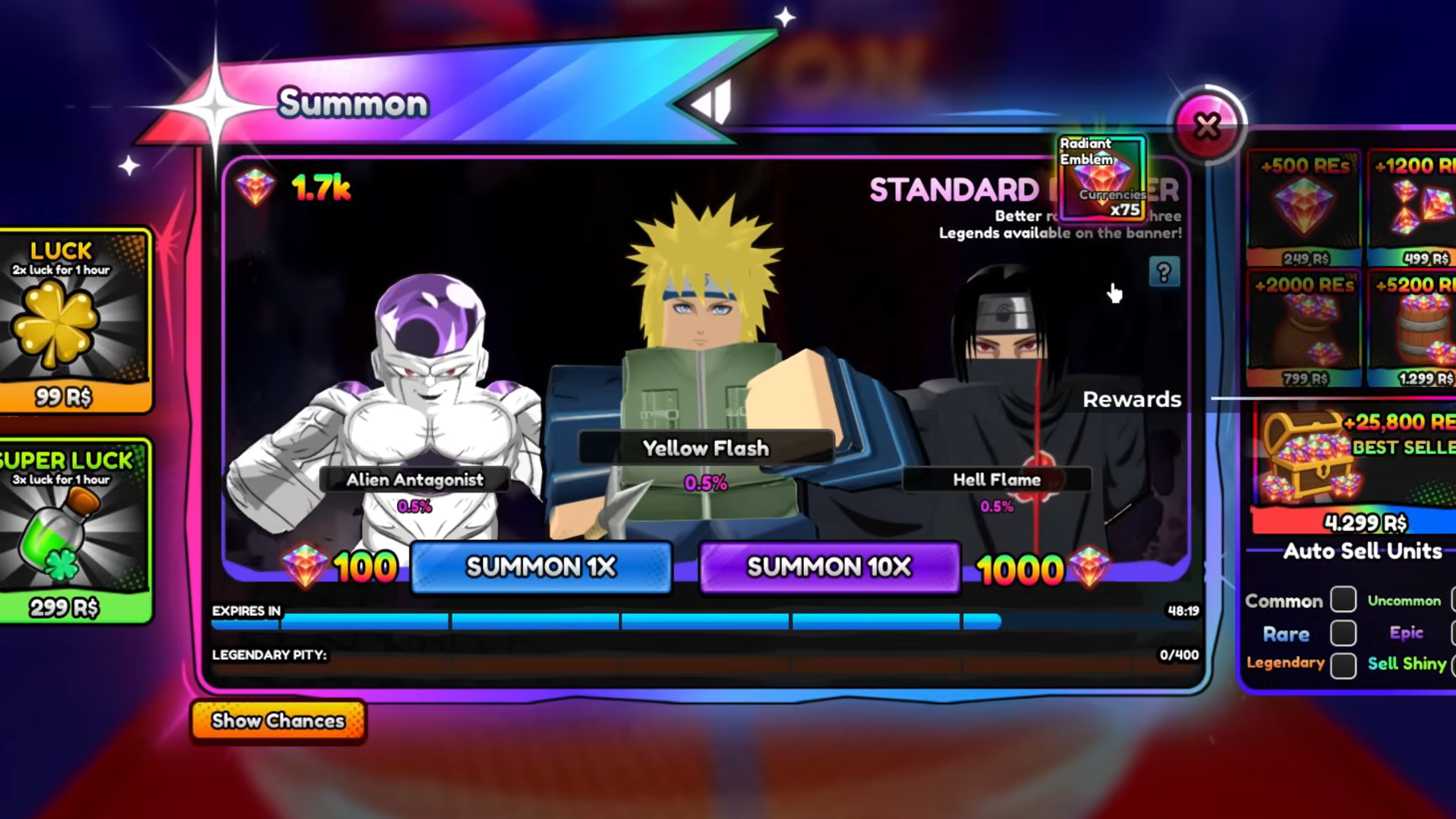
Summons in Anime Auto Chess are accessed from the Summon area in the lobby. From the main screen, use the Teleport button on the left side, select the Summon zone, then choose between single and ten-pull options.
The key to not wasting currency is timing. Banners feature specific Mythic and Legendary units, and pity resets whenever the banner changes. Instead of trickling Emblems into random banners, it is far more efficient to:
- Wait for banners that showcase S‑tier Mythics and Legendaries such as The Light Admiral, The Lava Admiral, The Ice Admiral, Blade Master, Sword Queen, Fire Gunner, Sharkbone, Alien Antagonist, Blue Bird, Red Dog or Yellow Monkey.
- Commit enough currency to reach pity on a banner you like, rather than splitting pulls across several banners and resetting your progress each time.
When you do not hit top-tier units, strong Epics like Fused Gatsu, Genius Gunslinger, Young Boy, Cat Burglar, and Kuroiashi will still move your account forward and carry early content while you stockpile for the next meta banner.
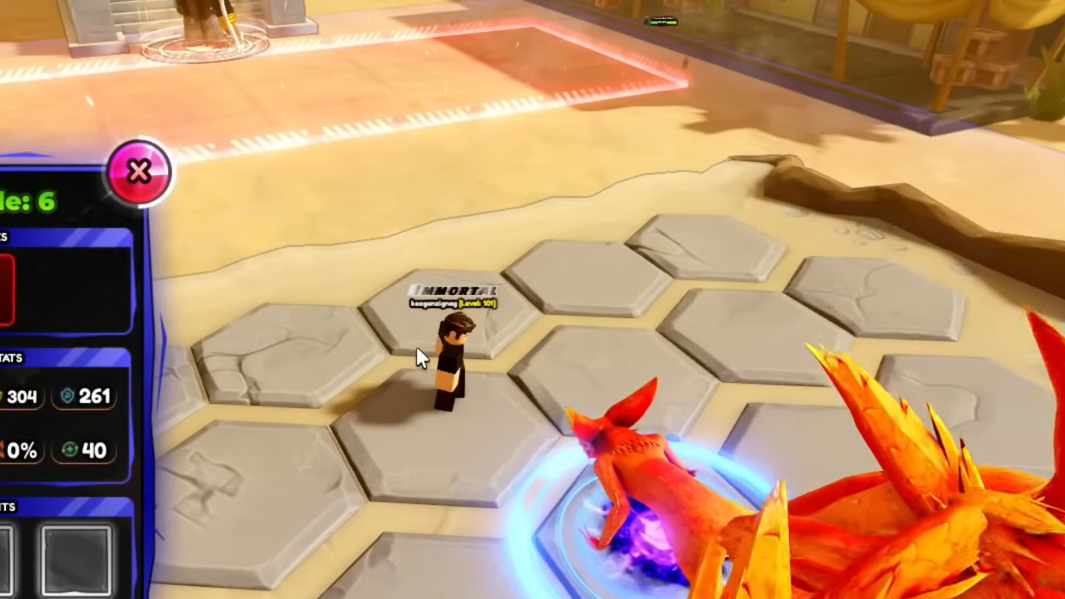
Anime Auto Chess is still evolving, with new champions, traits and banner rotations always threatening to shake up the rankings. The pattern remains stable, though: prioritize Mythical and Legendary carries in S‑tier, pair them with economic supports like Young Boy and Cat Burglar, and chase multi-stat traits such as Deity and Blade Master. With those pieces in place, even the hardest waves start to look manageable.