

The Shrouded Sky content update for ARC Raiders went live on February 24, 2026, and its headline feature is the Hurricane map condition — a full-scale weather system that doesn't just look dramatic but fundamentally alters how you move, fight, and loot on the surface. Unlike previous map conditions such as Cold Snap, the Hurricane applies directional physical force to your Raider, changes throwable trajectories, degrades your shield passively, and cuts visibility to almost nothing. If you want to walk away with loot instead of a respawn timer, you need to understand exactly how each of these mechanics works and adjust accordingly.
Quick answer: Move with the tailwind whenever possible to conserve stamina, run a Light or Medium shield to limit your visibility beacon, skip smoke and gas grenades in favor of frag grenades, and stick to hard cover between objectives.
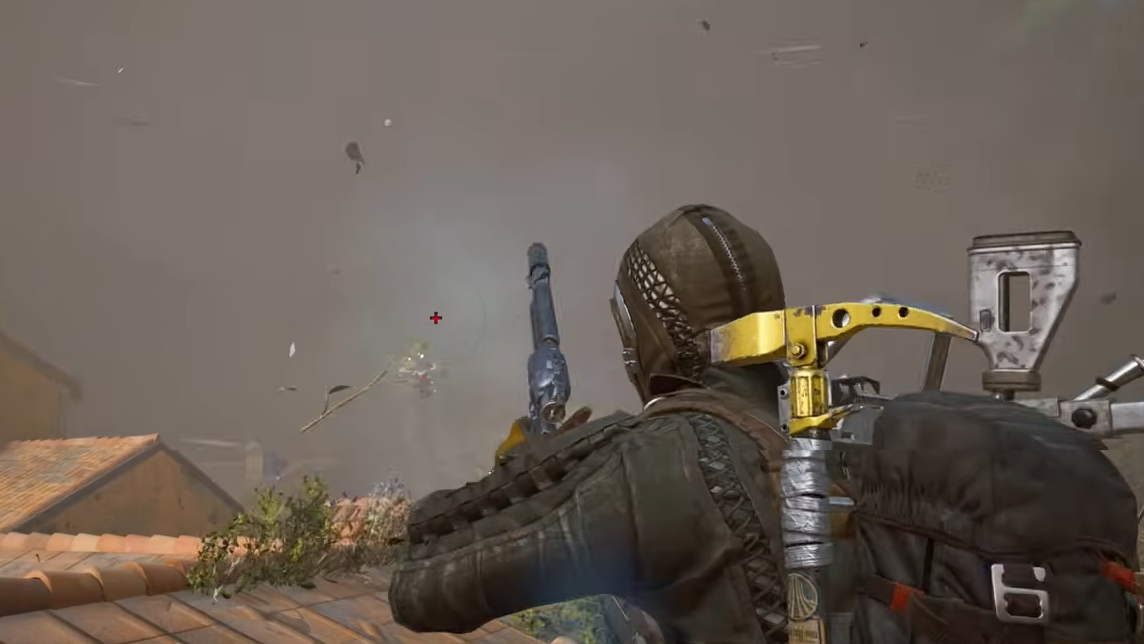
How wind affects movement and stamina
The Hurricane introduces vector-based wind that pushes and pulls your Raider in real time. When you travel with a tailwind, you get a noticeable speed boost and feel lighter on your feet. Moving into a headwind, however, slows you to a crawl and drains stamina at a significantly faster rate. This isn't a subtle effect — long-distance sprints directly into the gale can leave you completely gassed before you reach cover.
Jumping is also affected. Rooftop gaps in areas like Buried City that you could clear easily under normal conditions become risky when the wind is pushing against you. Plan your rotations and escape routes around the wind direction rather than the shortest path. If you need to cross open ground, wait for the wind to shift or loop around so it's at your back.
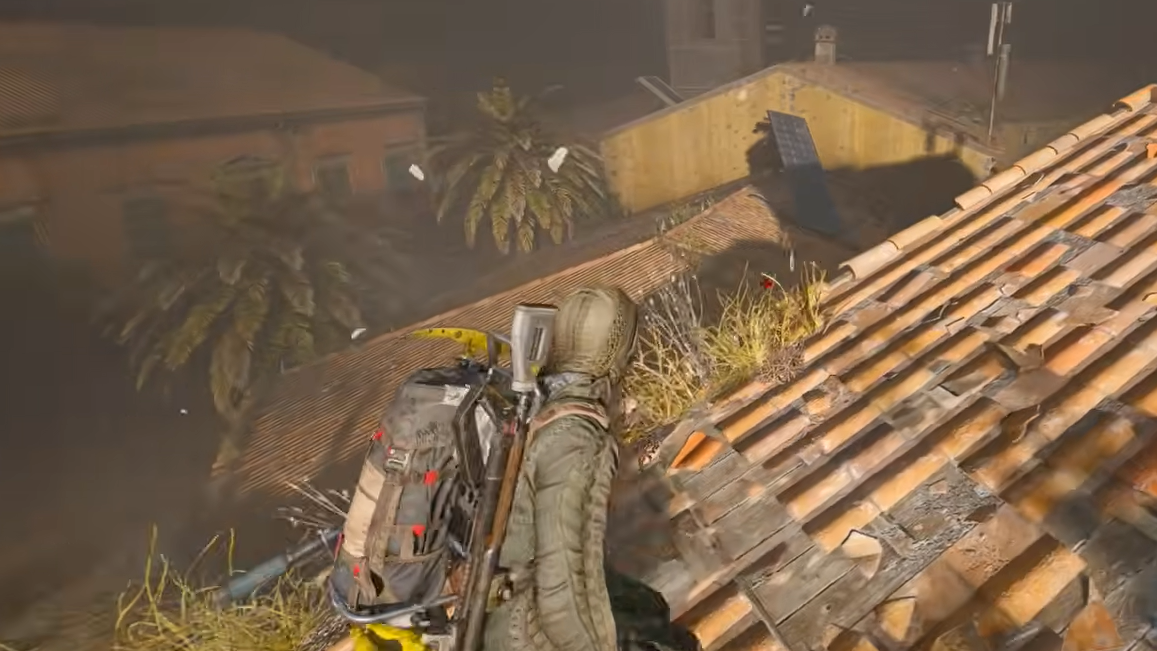
Throwables behave unpredictably
Grenades, smoke, gas, and fire all get caught by the Hurricane's gusts. A grenade tossed at a cluster of ARC machines can sail well past its intended landing spot if the wind catches it mid-arc. Smoke and gas clouds disperse or drift in directions you didn't plan for, which makes them unreliable for blocking sightlines or area denial.
The practical takeaway is straightforward. Prioritize direct-damage throwables like frag grenades over utility items during Hurricane runs. You'll need several practice attempts to internalize the adjusted trajectories, and even then, the wind can shift. Treat every throw as a gamble until you've built muscle memory for the conditions.
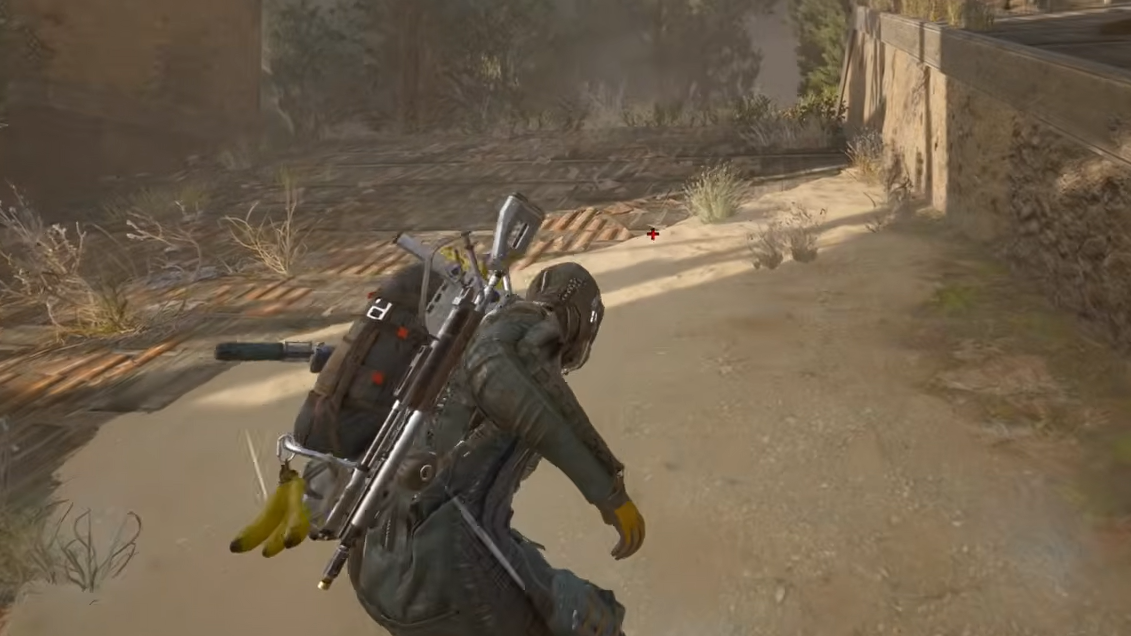
Debris degrades your shield and makes you glow
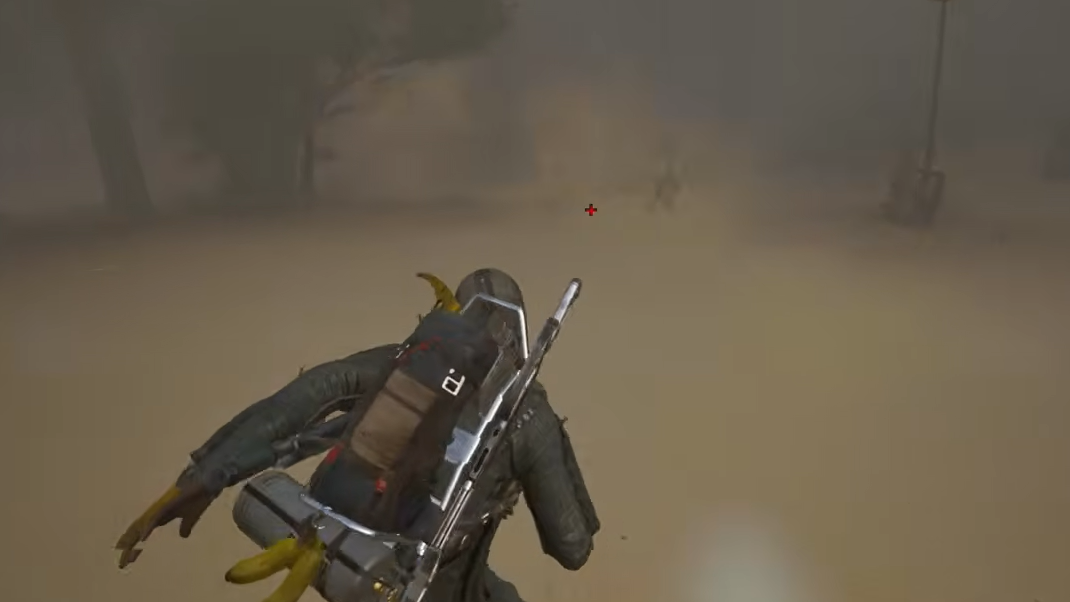
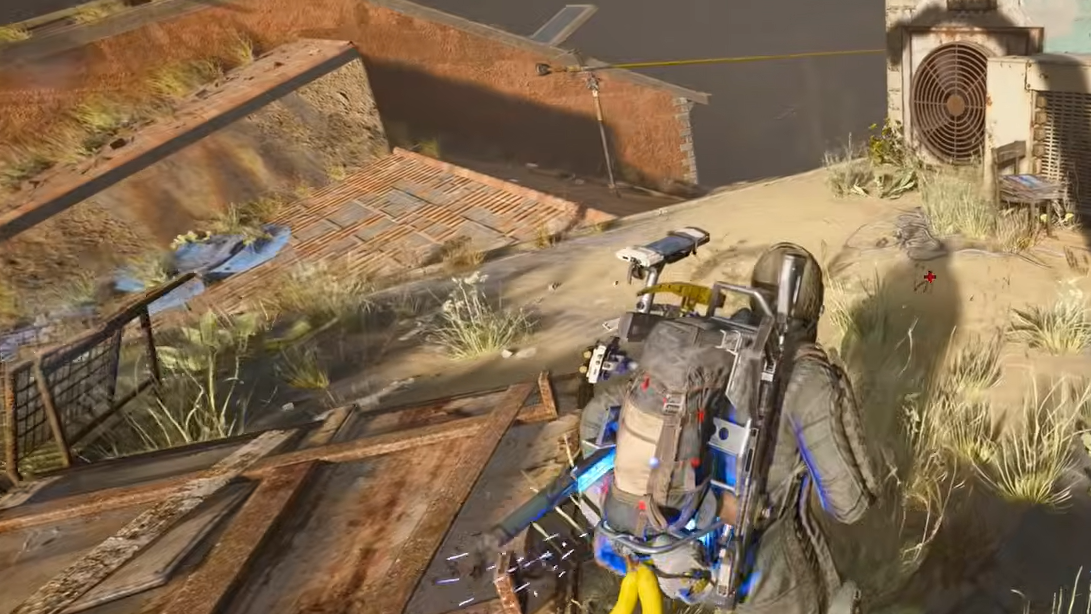
High-speed dirt and small objects kicked up by the storm constantly strike your shield while you're in the open. Each impact causes the shield to glitch, spark, and lose durability over time. The degradation itself is a problem, but the bigger issue is visibility — every spark turns your Raider into a bright, flickering target that rival players can spot through the fog from a considerable distance.
Embark Studios has explicitly suggested that removing your shield entirely during the Hurricane may be the smarter play in certain situations. Without a shield, you blend into the chaos of the storm and become much harder to track. The trade-off is obvious: no passive protection means debris and enemy fire hit you directly.
A middle-ground approach works well. Run a Light or Medium shield rather than a Heavy one. You still get some protection, but you reduce the duration and intensity of the sparking effect. Recharge your shield only when you're behind solid cover, not while crossing open terrain.
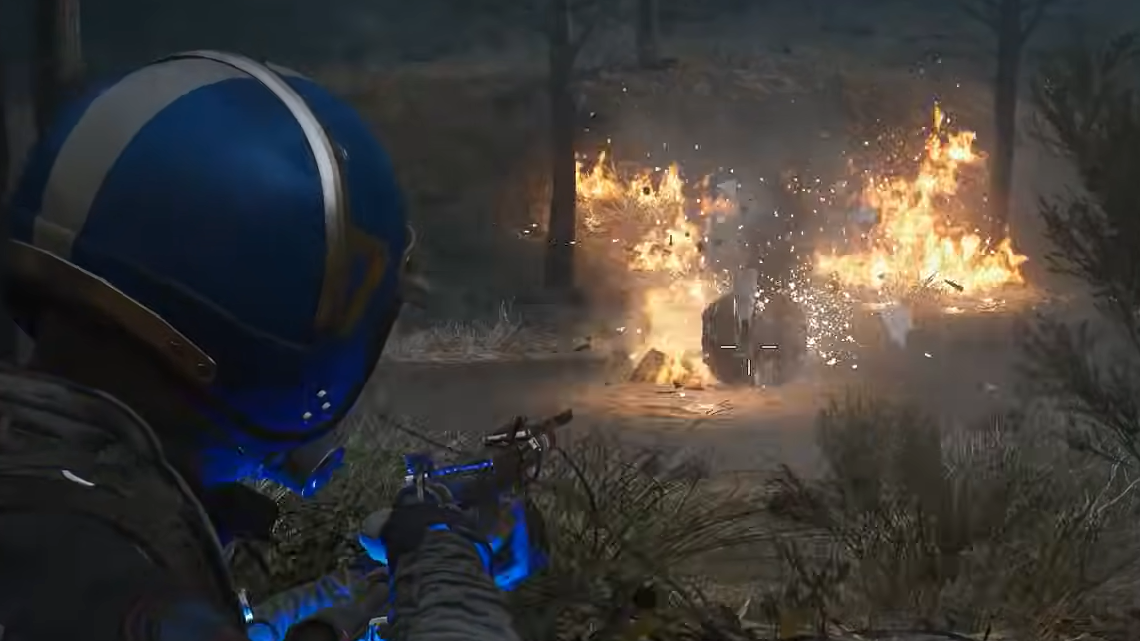
Visibility drops to almost nothing
Thick, low-hanging clouds and rolling mist make Topside nearly unrecognizable during the Hurricane. You won't see ARC units or other Raiders until they're practically on top of you. Ranged engagements become extremely difficult — lining up shots at distance is unreliable when you can barely make out silhouettes through the haze.
Audio cues matter more than ever, but the howling wind drowns out many of the sounds you'd normally rely on to detect incoming threats. Stay alert for the distinct mechanical noises of ARC machines, and keep your head on a swivel. The reduced visibility cuts both ways, though. When you're shieldless, other players have just as hard a time spotting you, which creates opportunities for flanking and repositioning that don't exist under clear skies.
New ARC threats in the fog
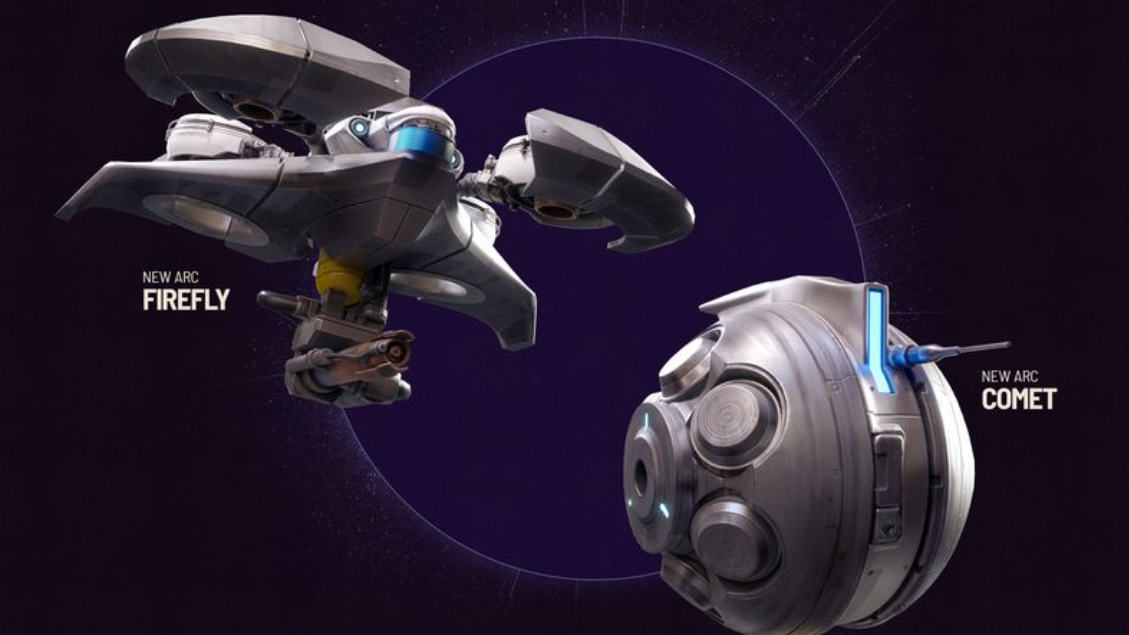
The Shrouded Sky update also introduced two new ARC machines that patrol the surface during the Hurricane, and both demand different responses.
The Firefly is an armored flying unit that attacks with a sustained jet of flame. It's fast and hard to track in low visibility. Your best option is to move quickly out of its burn cone or break line of sight behind solid structures. Standing still against a Firefly in the open is a death sentence.
The Comet is a spherical machine that patrols calmly until it detects a Raider. Once it locks on, it charges with single-minded focus and detonates with a massive explosion. Keep your distance the moment you spot one, and do not let it close the gap. The combination of low visibility and the Comet's lock-on behavior makes it especially dangerous — you may not see it until it's already tracking you.
First Wave Caches make the risk worth it
The Hurricane's ferocious winds have unearthed First Wave Raider Caches across the surface — buried relics from an earlier era that contain extremely valuable loot. These caches are the primary incentive for braving the storm rather than waiting for calmer conditions.
Competition for these caches will be fierce. Every Raider on the map has the same motivation, and the low visibility means you might stumble into a firefight over a cache without any warning. Approach cache locations cautiously, listen for combat sounds through the wind, and be ready to disengage if the situation turns against you.
Survival checklist for Hurricane runs
- Plan routes with the wind — travel with tailwinds for speed, avoid long headwind sprints that drain stamina.
- Use a Light or Medium shield — limits your visibility beacon while still offering some debris and damage protection.
- Drop the shield entirely when stealth matters more than defense, especially when moving between cover near other Raiders.
- Swap smoke and gas grenades for frags — utility throwables are too unreliable in high wind.
- Hug hard cover — buildings, rock formations, and dense wreckage are your best protection when shields are unreliable, and visibility is low.
- Listen through the wind — audio is muffle,d but still your most reliable early-warning system for ARC units and rival Raiders.
- Watch for Fireflies and Comets — the new ARC machines are especially lethal in fog conditions.
The Hurricane map condition is optional — you can wait for the rotation to cycle to something less punishing. But the First Wave Caches and the tactical depth the storm adds make it one of the more rewarding conditions to master. Work with the wind instead of against it, keep your shield usage deliberate, and treat every open-ground crossing as a calculated risk. The Raiders who adapt fastest will be the ones hauling the best loot back to Speranza.