

ARC Raiders is about to get its most punishing — and potentially most rewarding — map condition yet. The Shrouded Sky update arrives on February 24, 2026, introducing the Hurricane to the Rust Belt's existing maps. Unlike previous conditions such as Cold Snap or Electromagnetic Storms, the Hurricane simultaneously affects movement speed, stamina, throwable trajectories, shield integrity, and visibility, making it the most mechanically complex weather event the game has seen.
Quick answer: The Hurricane map condition launches February 24 as part of the Shrouded Sky update. It adds directional wind that boosts or slows your movement, degrades your shield with airborne debris, drastically reduces visibility, and introduces First Wave Caches containing high-value loot.

How Wind Changes Movement and Combat
Wind in the Hurricane condition is directional. Running with a tailwind makes you noticeably faster and more agile, which is useful for aggressive repositioning or sprinting toward an extraction point. Moving against the gale, however, slows you down significantly and drains your stamina at an accelerated rate. This isn't a minor inconvenience — it fundamentally changes how you plan routes across the map.
The wind also warps the behavior of throwable items. Grenades, smoke, gas clouds, and other projectiles will follow altered trajectories, drifting and stretching in the wind's direction. Area-denial tools like gas grenades become far less predictable, and even jumping pushes your Raider in unexpected directions mid-air. If you rely on Wolfpack Grenades or Blaze Grenades, expect a learning curve before you can place them reliably during a Hurricane raid.
Debris and Shield Degradation
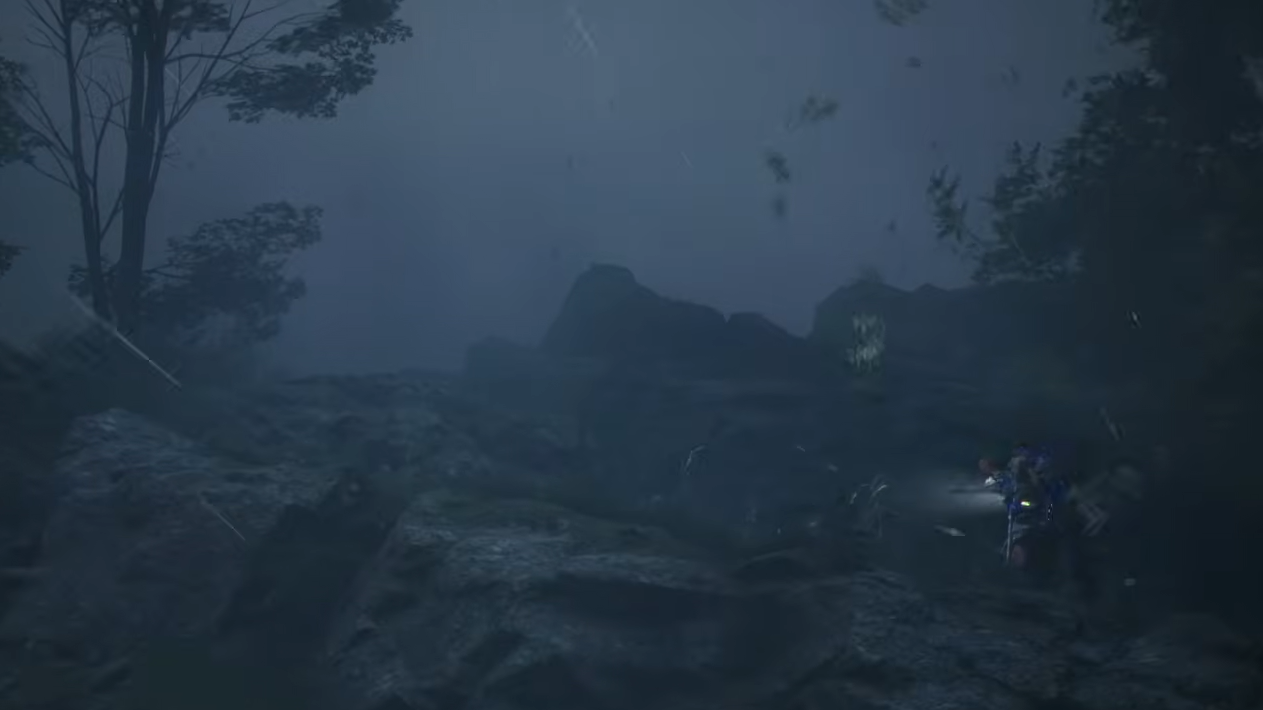
The Hurricane's gale-force winds tear loose dirt, metal fragments, and other wreckage from the Rust Belt's surface, sending it flying across the map. Your energy shield was not designed for this kind of sustained bombardment. Out in the open, constant debris impacts cause the shield to glitch and spark, steadily wearing down its integrity over time.
The bigger problem is visibility. A sparking, flickering shield makes you stand out against the grey chaos of the storm, essentially broadcasting your position to every nearby Raider. This forces a tactical choice that previous map conditions haven't demanded in quite the same way. You can keep your shield active and accept the degradation and increased visibility, or you can go shieldless and blend into the storm. Shieldless Raiders are significantly harder to spot in the low-visibility conditions, which could make stealth-oriented playstyles unusually effective during Hurricane rotations.
Reduced Visibility and Audio Awareness
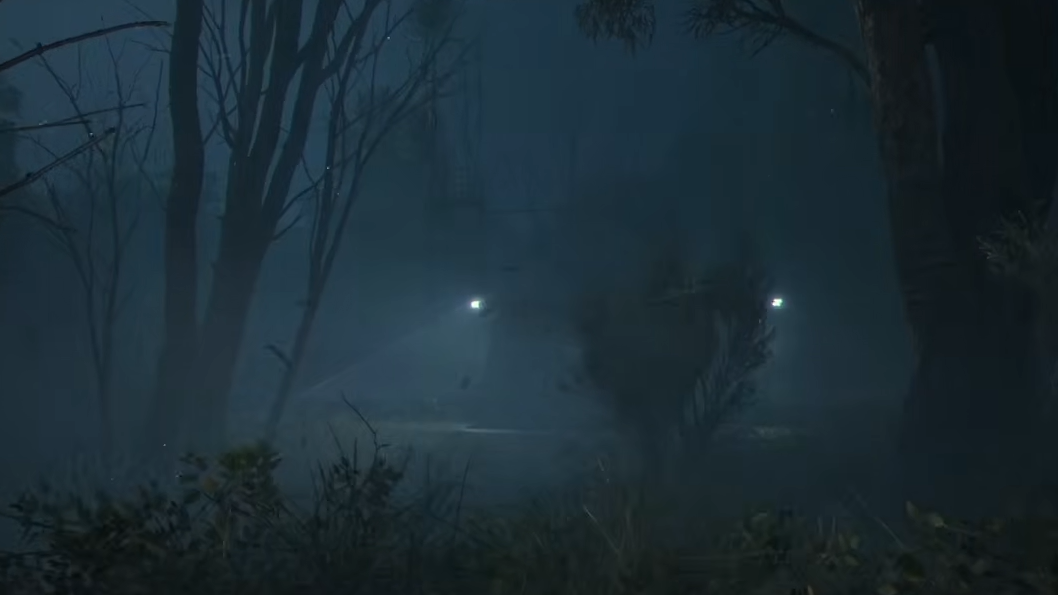
Low-hanging clouds and driving wind shroud the surface in dense haze. Familiar landmarks become difficult to recognize, and line-of-sight distances drop dramatically. ARC units can appear with almost no warning, turning routine encounters into sudden, close-range fights.
Reduced visibility cuts both ways, though. Raiders without shields become nearly invisible in the murk, and audio awareness becomes the primary way to detect threats. Distinguishing ARC movement from the constant howl of the wind is the key survival skill during this condition. If you haven't already adjusted your audio settings, consider enabling night mode, which rebalances sound levels and can make environmental audio cues like footsteps and ARC servos easier to pick out beneath the wind noise. A quality headset makes a real difference here.
First Wave Caches
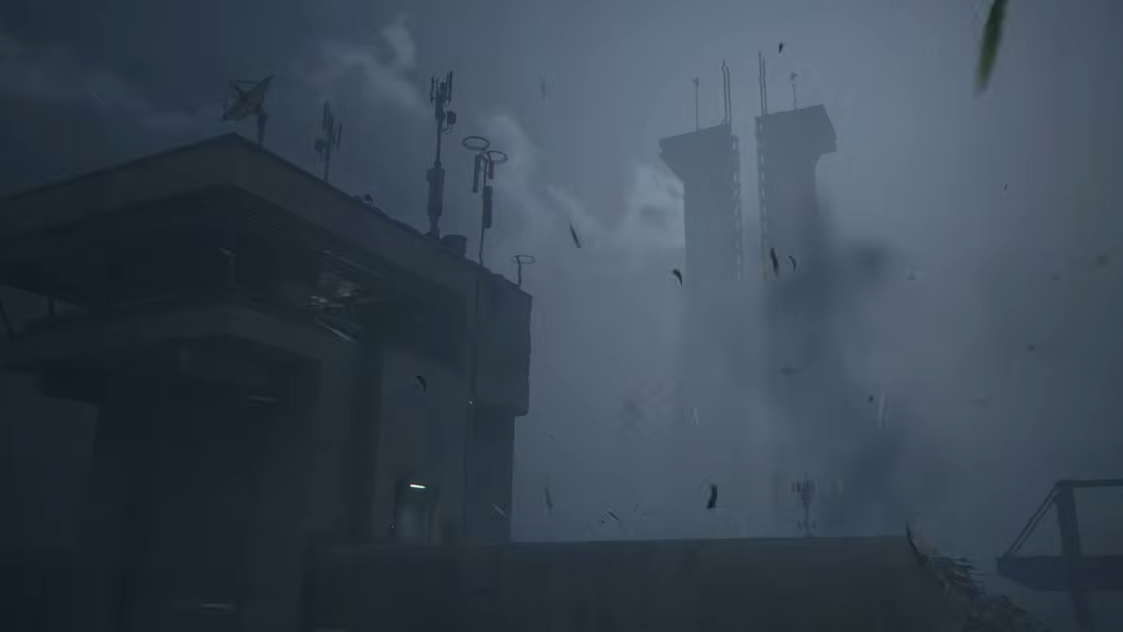
The Hurricane isn't purely punitive. The ferocious winds have unearthed First Wave Caches — rare supply stashes left behind by the original generation of Raiders who first resisted the ARC invasion. These caches are described as containing exceptionally valuable loot, making them high-priority targets during Hurricane raids.
The catch is obvious: every other Raider topside will be hunting for the same prizes. Combined with degraded visibility, unpredictable ARC patrols, and the wind mechanics that can leave you stamina-drained and exposed if you approach from the wrong direction, cache runs are likely to produce some of the most intense PvPvE encounters the game has generated. Existing Raider Caches in the game emit a ticking sound that can be heard while sprinting past, along with a fainter wheezing noise at longer range. Whether First Wave Caches use similar audio cues remains to be seen, but the Hurricane's ambient noise will make listening for them considerably harder regardless.
New Cosmetics and Beard Customization
Shrouded Sky also brings new skins to the in-game store. Two have been revealed so far. The first features a hooded Raider wearing a red/maroon jacket, tactical goggles, and a rebreather mask — a look that players have been requesting ever since it appeared in early promotional material. The second shows a bald, bearded Raider in a rugged tan outfit, wielding a Venator.
That second skin is significant because it confirms that beard customization options are finally arriving in ARC Raiders. Facial hair has been one of the most consistently requested cosmetic features from the community, and the Shrouded Sky update appears to be delivering it.

What Else Comes with Shrouded Sky
The Hurricane map condition is the headline feature, but the Shrouded Sky update includes additional content. A new Raider Deck, map updates, and a new ARC threat are all expected to arrive alongside the Hurricane on February 24. The teaser trailer for Shrouded Sky appeared to briefly show a previously unseen ARC enemy near its end, though Embark Studios hasn't officially confirmed details about the new threat yet.
The update also coincides with the end of the Shared Watch event. Second Expedition sign-ups begin February 25, with the Expedition itself launching on March 1. The broader ARC Raiders roadmap for January through April 2026 outlines further updates beyond Shrouded Sky: the Flashpoint update in March brings another map condition, and Riven Tides in April is headlined by an entirely new map.
Surviving the Hurricane — Practical Approach
Plan movement around wind direction. Use tailwind sprints for aggressive pushes, flanks, and extraction runs. Avoid long upwind treks in the open, which will leave you stamina-depleted and vulnerable. Buildings and terrain features that block wind preserve both your stamina and your shield, so treat them as staging points rather than just passing through.
Decide early whether to run shielded or shieldless. In open areas, the shield's sparking effect from debris makes you a visible target. If you're prioritizing stealth and the storm provides enough concealment, ditching the shield may be the stronger play. If you're holding a defensive position indoors, keeping it active makes more sense since debris won't reach you.
Test throwables before relying on them in combat. Grenade trajectories will behave differently than you're used to, and wasting ordnance on a bad throw during a firefight can be fatal. Spend the first few minutes of a Hurricane raid getting a feel for how the wind shifts your usual arcs.
Lean on audio over visual scanning. With sight lines drastically shortened, your ears become more important than your eyes. Learn to separate ARC sounds — servos, footsteps, weapon charges — from the ambient wind. Raider Caches typically emit a ticking sound at close range and a wheezing sound from farther away, though the Hurricane's noise floor will make both harder to detect.
The core philosophy Embark has outlined for the Hurricane is straightforward: work with the storm, not against it. Raiders who adapt their routes, loadouts, and engagement tactics to the wind's direction will have a significant edge over those who try to play the same way they would on a clear day.