

Arc Raiders ties every skill point to your Raider level. There’s no separate “skill point” currency to grind or buy: if you want more skills, you have to level up.
The catch is that you can’t unlock the whole tree. The game currently offers around 135 individual points of investment, but a standard Raider only ever gets 76 skill points from levels 0–75, with a handful more coming from Expeditions. That gap is intentional. It forces you to choose a direction for your build instead of ticking every box.
How skill points work in Arc Raiders
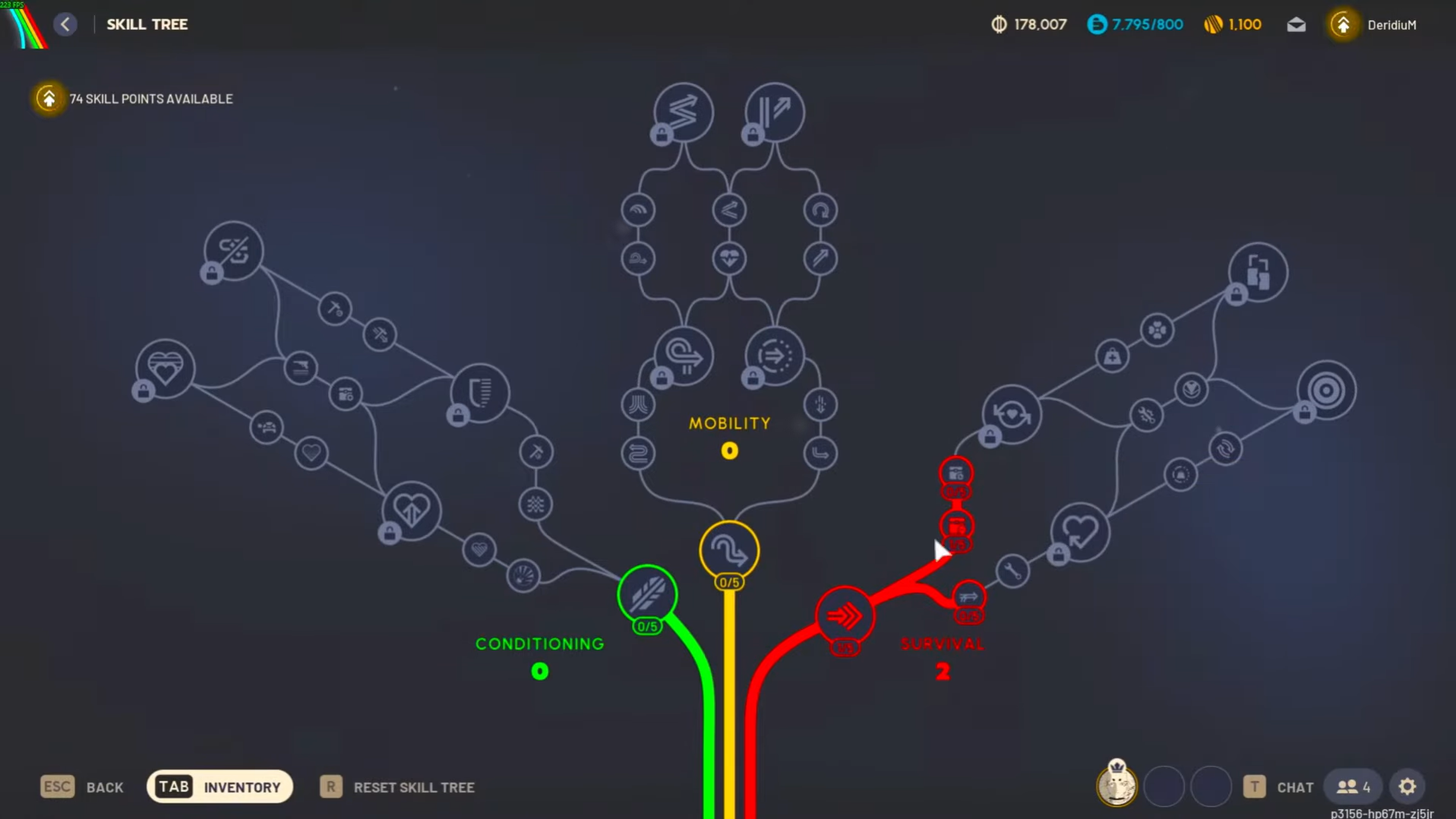
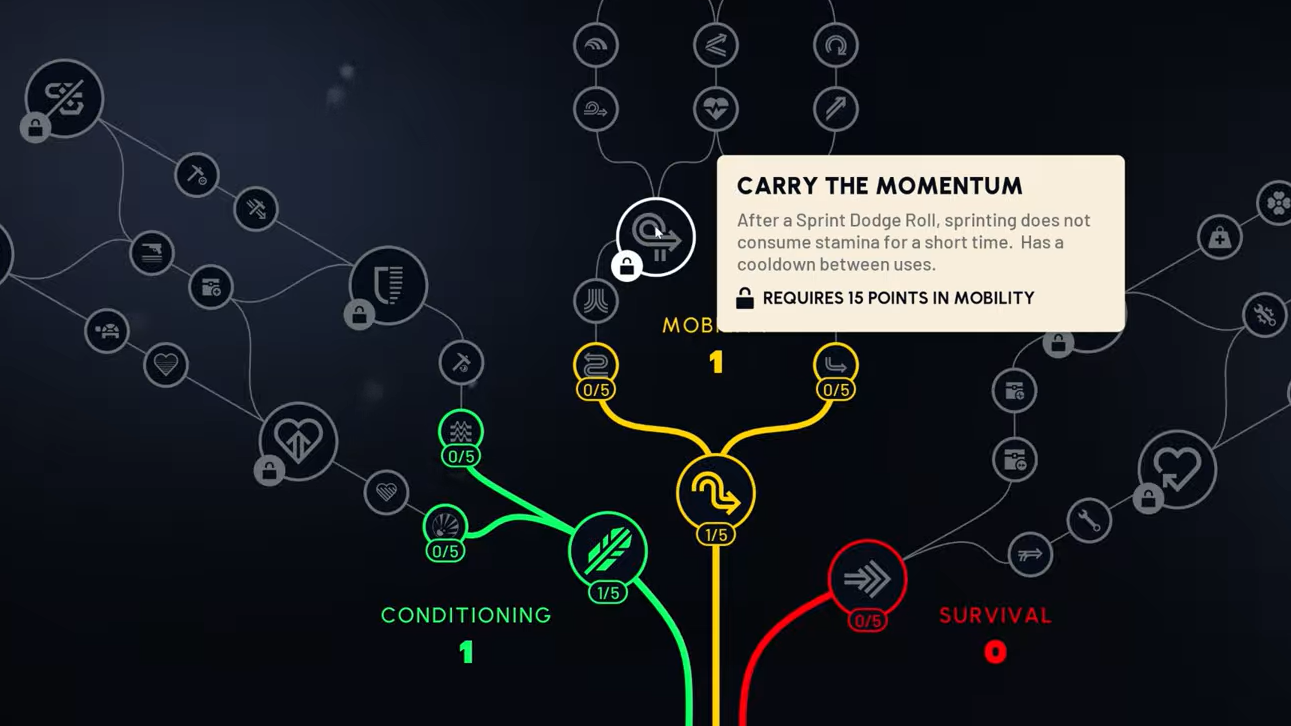
Every time your Raider levels up, you gain one skill point to spend in the tree. There are three branches:
- Conditioning (green): shield movement penalties, breaching bonuses, getting away when things go wrong.
- Mobility (yellow): stamina pool, stamina regen, sliding, rolling, vaulting, crawling while downed.
- Survival (red): looting speed, loot audio, in-round crafting, carry weight, Security Breach access.
By default, you can earn 76 skill points between level 0 and 75. On top of that, completing the current Expedition project can award up to 5 extra points if you send in a sufficiently valuable stash. That puts the practical ceiling at 81 points for a late-game character that has gone on Expedition with maximum value.
Skills are gated in two ways:
- Each node may require specific earlier skills (for example, Proficient Pryer needs Gentle Pressure).
- Mid- and end-tier skills require a total number of points in that branch. The 36-point capstones like Security Breach and Back On Your Feet are deliberately expensive, so committing to one means sacrificing depth in the others.
How to earn more skill points quickly
Since skill points are locked to leveling, the only way to “farm” them is to maximize XP per hour. Arc Raiders quietly rewards almost everything you do topside, but some activities are dramatically more efficient than others.
XP sources that feed skill points
| Action | Typical XP | Why it matters |
|---|---|---|
| Time spent in raid | ~100–300 XP per minute | Simply staying alive and active builds a baseline of XP. |
| Searching standard containers | ~200 XP per container | Fast, low-risk XP that stacks quickly in loot-dense areas. |
| Searching high-value containers / bodies | Up to ~500 XP each | Dead Raiders, ARC machines, and multi-compartment caches give a big chunk. |
| Damaging players / ARC | Scales with damage dealt | You get XP for contributing damage even without landing the final blow. |
| Downing a Raider | ~250–500 XP | PvP knockdowns are one of the single biggest event rewards. |
| Killing ARC units | ~100–500 XP depending on type | Large machines like Rocketeers and Bastions are worth the most. |
Method 1: Stay topside and abuse passive XP
Raids run on a ~30-minute timer until annihilation. You’re rewarded simply for existing in that window.
Step 1: Queue into a raid with a clear goal for the materials you actually need. Pick a map where you know several safe routes and mid-tier loot routes so you aren’t wandering aimlessly.
Step 2: Once you land, prioritize survival over early PvP. Move between points of interest, loot, and clear isolated ARC patrols. The goal is to remain topside, not to rush early fights.
Step 3: Watch the annihilation timer at the top of the HUD. As long as you have meds and a reasonable extract route, keep working the map. That constant 100–300 XP per minute adds up to a couple thousand XP even in a “quiet” run.
Step 4: Extract only when you’ve either filled your inventory with useful loot, completed your upgrade shopping list, or are out of resources to survive a third party. Dying loses the gear but not the XP you earned that round.
Method 2: farm other players efficiently
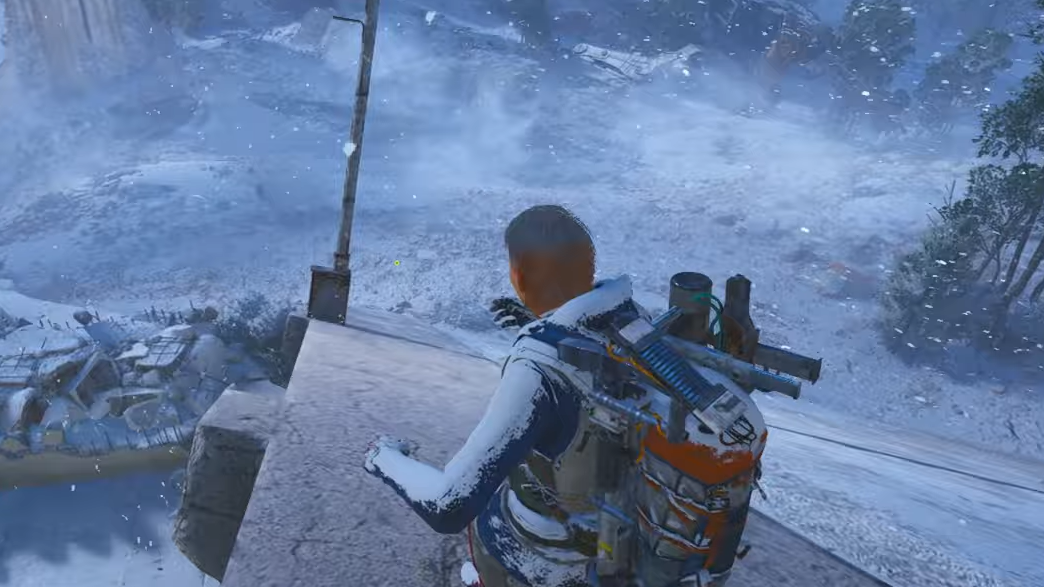
If you’re comfortable in gunfights, PvP is one of the fastest ways to push your skill points early, because each knock-out throws a large XP spike on top of the baseline from looting.
Step 1: Build a loadout with reliable mid-range weapons, plenty of shield rechargers, and some healing. You want to be able to take at least one full engagement without immediately exiting topside.
Step 2: Drop on high-traffic areas: big compounds, weapon case locations, or ARCs that broadcast gunfire. Listen for fighting; third-partying is safer than raw 1v1s on even footing.
Step 3: Focus on finishing downs. A single knock-out can be worth around 500 XP, and you still receive XP for damage even if someone else cleans up.
Step 4: Always search enemy bodies. Each search can give another ~500 XP, and you can tap-search: start the interaction, let the first item reveal, then back out if you don’t need anything else. You still get the XP.
Method 3: Loot everything you can see
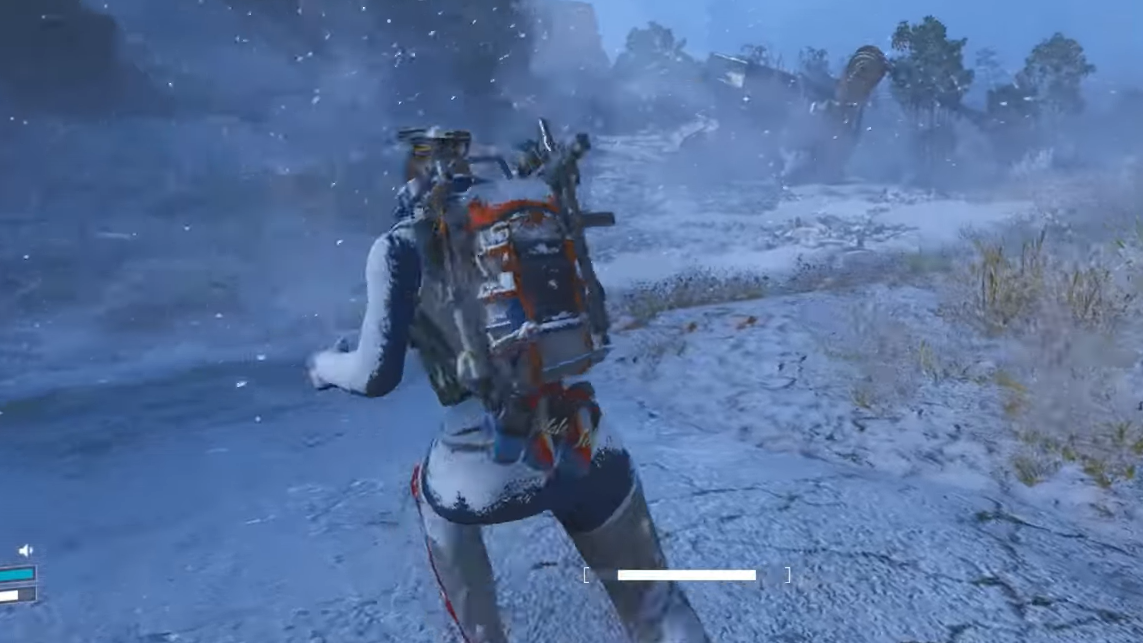
Looting is the most underestimated XP engine in Arc Raiders. The game rewards you generously for simply searching things, especially ARC bodies and special containers.
Step 1: When you enter a room or pass debris, look for the small white dot marker that indicates something is searchable. Containers, cabinets, crates, corpses, and ARC wrecks all count.
Step 2: Interact with every container and body you pass, even if you think it’s “trash.” Standard containers yield around 200 XP; dead Raiders and ARC can hit 500 XP per search, and multi-compartment caches pay that per compartment.
Step 3: If you’re short on space or in a hurry, perform partial loots. Start a search, wait for the first item to reveal, then cancel. The XP is tied to the reveal, not to looting every slot.
Step 4: Consider focusing your Survival branch on the Looter's Instinct, Silent Scavenger, and Looter's Luck cluster early. Faster reveals and quieter looting turn this XP stream into a safer, more efficient loop and set you up for Security Breach later if you want it.
Method 4: Hunt ARC machines with the Hole Cracker
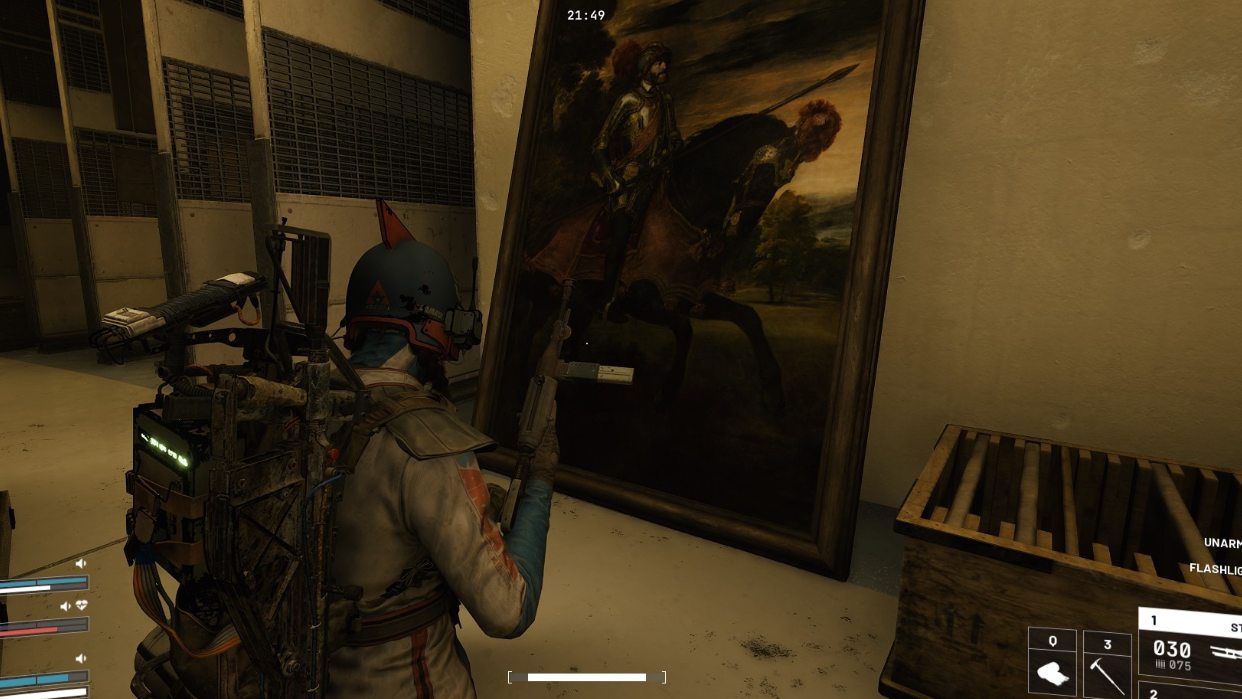
High-tier ARC machines are walking XP and money. The problem is their durability and the ammo you burn killing them. The Hole Cracker launcher exists almost entirely to solve that problem.
Step 1: Save up roughly 50–60k coins from normal play. Then, at the gun shop trader, buy one Hole Cracker launcher and several stacks of its special ammo. The launcher is available once per in-game day for about 30,000 coins, and its ammo stacks of 10 cost around 3,000 coins.
Step 2: Build a dedicated ARC-hunting kit. Bring the Hole Cracker as your primary tool, a backup gun for emergencies, and plenty of grenades or stuns. Plan to carry 50–60 rounds of launcher ammo so you can clear most big ARC spawns on a map.
Step 3: Queue into ARC-dense maps like Dam Battlegrounds or The Blue Gate. On Blue Gate, for example, you’ll frequently see a Bastion in the underground and a Bombardier in the parking area above, plus Rocketeers, Leapers, and drone packs in surrounding zones.
Step 4: Engage large ARC units with the Hole Cracker, aiming for weak points when you can (Leaper eye, Bastion and Bombardier legs/back, Rocketeer thrusters). The launcher’s damage is high enough that even imperfect hits shred them.
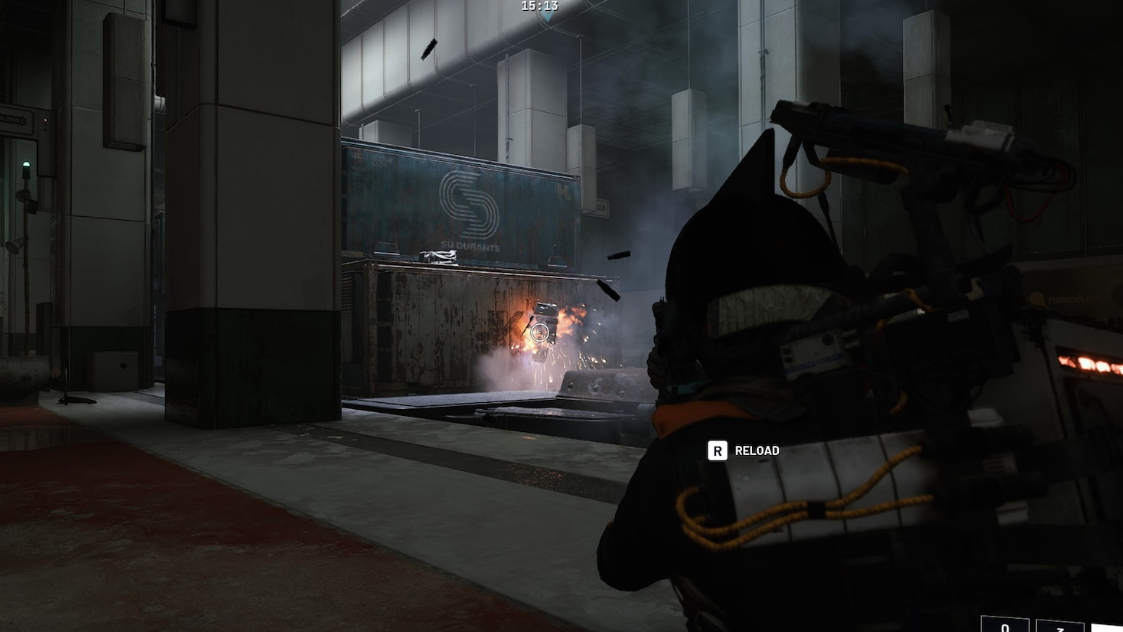
Step 5: After each kill, walk every glowing loot node on the carcass and fully search or tap each part. You earn XP for damage dealt, the kill itself, and every individual component you loot. On a good route, it’s realistic to walk out with 30–60k XP and a stash full of high-tier ARC parts that sell for 5k+ each.
How Expeditions give you extra skill points
Beyond level 20, you unlock the Expedition project rotation. Expeditions are seasonal wipes for a single Raider, not server-wide resets, and they come with meta rewards.
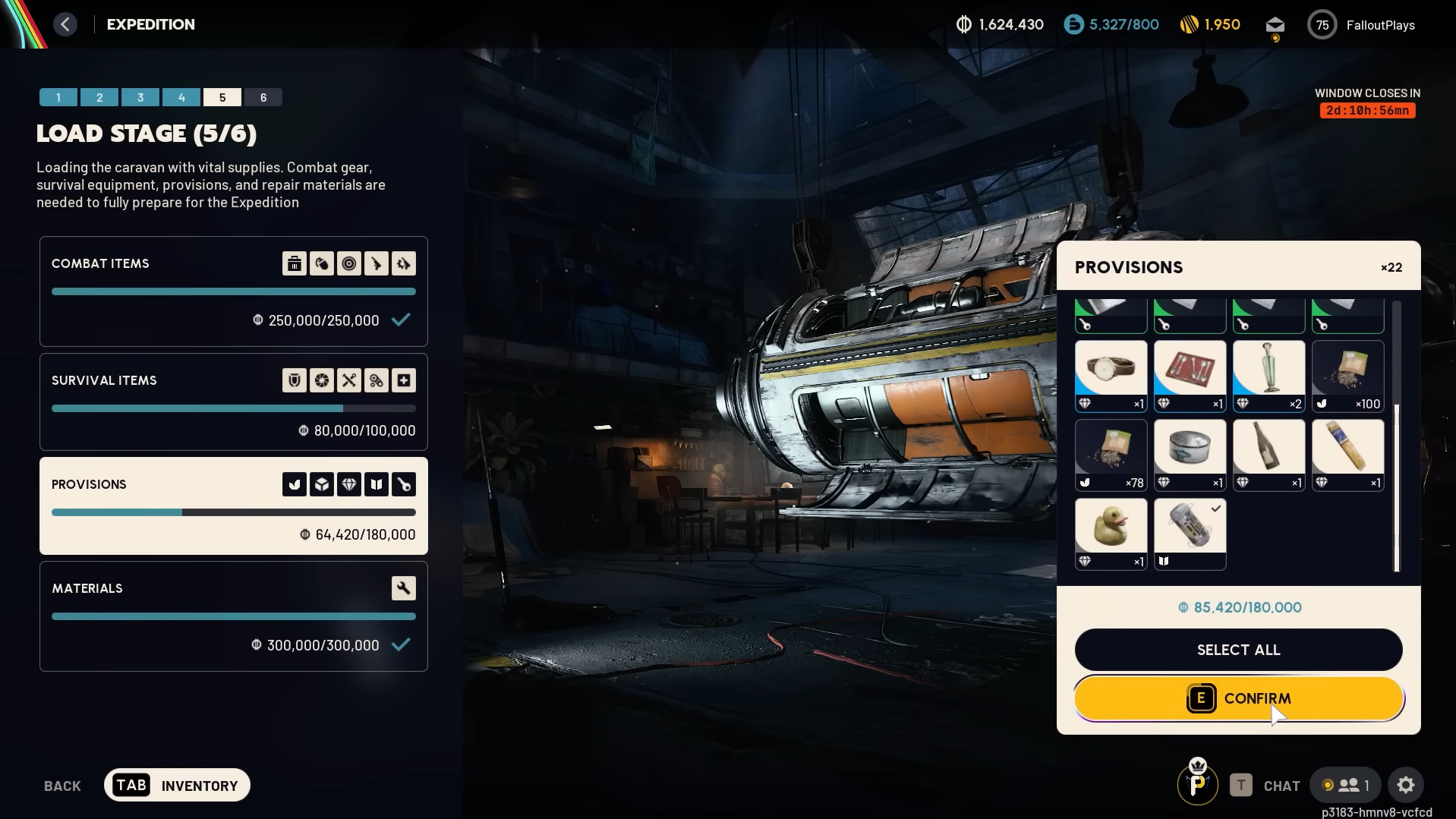
For the current Expedition project, sending your Raider on Expedition grants 1 bonus skill point per 1,000,000 coins of stash value you commit (items plus currency), up to 5 extra skill points total. That bonus applies to the new Raider you start after the Expedition, effectively bumping your cap from 76 to 81.
Expeditions also wipe your character progression, stash, blueprints, and quests, but you keep account-level things like cosmetics and map unlocks, plus any extra stash space and buffs the project offers. The trade-off is clear: more long-term power and a clean skill tree at the price of regrinding your gear.
How to reset your skill tree without wiping
Arc Raiders originally only allowed “respec” through Expeditions. A later update added a standard skill tree reset that costs coins.
You can now reset your current Raider’s skills directly in exchange for 2,000 coins per skill point. The reset returns all spent points to your unallocated pool so you can rebuild from scratch, but the coin fee scales with how far you’ve progressed. A mid-game Raider with 40 points invested pays 80,000 coins to respec; a fully capped Raider with 76 points pays 152,000.
That price is high enough that you don’t want to shuffle points casually, but it’s far more forgiving than burning an entire character through Expedition just to fix a bad early build.
How many skill points you should plan around
The numbers matter because they define how ambitious your pathing can be:
- A standard, non-Expedition Raider can expect 76 total points.
- A Raider who has completed a max-value Expedition can reach 81 total points.
- The tree contains about 135 “slots” worth of investment, spread across 45 skills and their per-node ranks.
- Any capstone skill that requires 36 points in one branch eats nearly half your total budget.
Committing to a 36-point capstone like Security Breach means accepting that you’ll never fully flesh out both of the other branches on that character, even with Expedition bonuses. That’s why many high-hour players end up with hybrid trees that grab early- and mid-tier highlights across all three paths instead of tunneling for every capstone.
The practical takeaway is simple: every level is a skill point, and every skill point is expensive. If you want more of them, stay topside, search everything, pick fights you’re confident you can win, and consider dedicating some runs to pure ARC farming with tools like the Hole Cracker. Then decide whether you’d rather spend coins on the freedom to reset your current build, or pack your vault and step into an Expedition for a slightly higher ceiling.