

Arc Raiders hit a rough patch in early February 2026 when a cascade of inventory-related exploits threatened to unravel the game's entire economy. The most disruptive of these was a weapon repair glitch that allowed players to restore any gun to full durability at zero cost, paired with a related infinite ammo bug that turned ordinary firearms into bottomless magazine monsters. Both exploits stemmed from the same underlying inventory behavior, and both were patched by developer Embark Studios via a server-side hotfix on February 11, 2026.
Quick answer: The repair glitch and infinite ammo exploit in Arc Raiders have been patched. If you're still experiencing issues, restart your game client — no download is required.
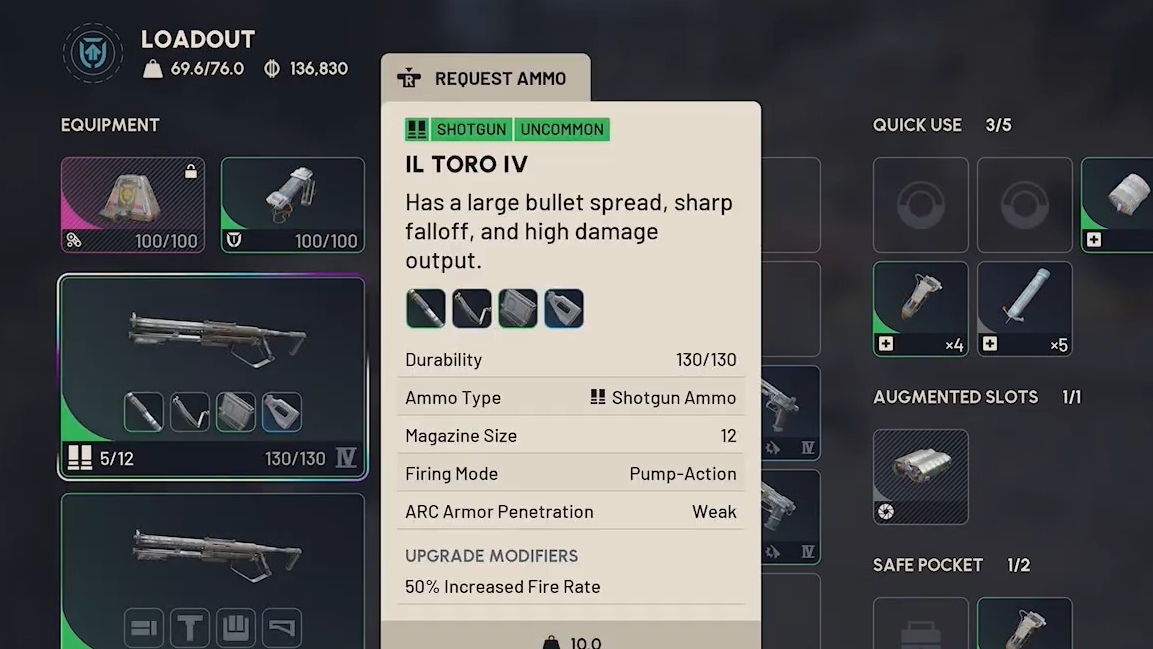
How the repair glitch worked
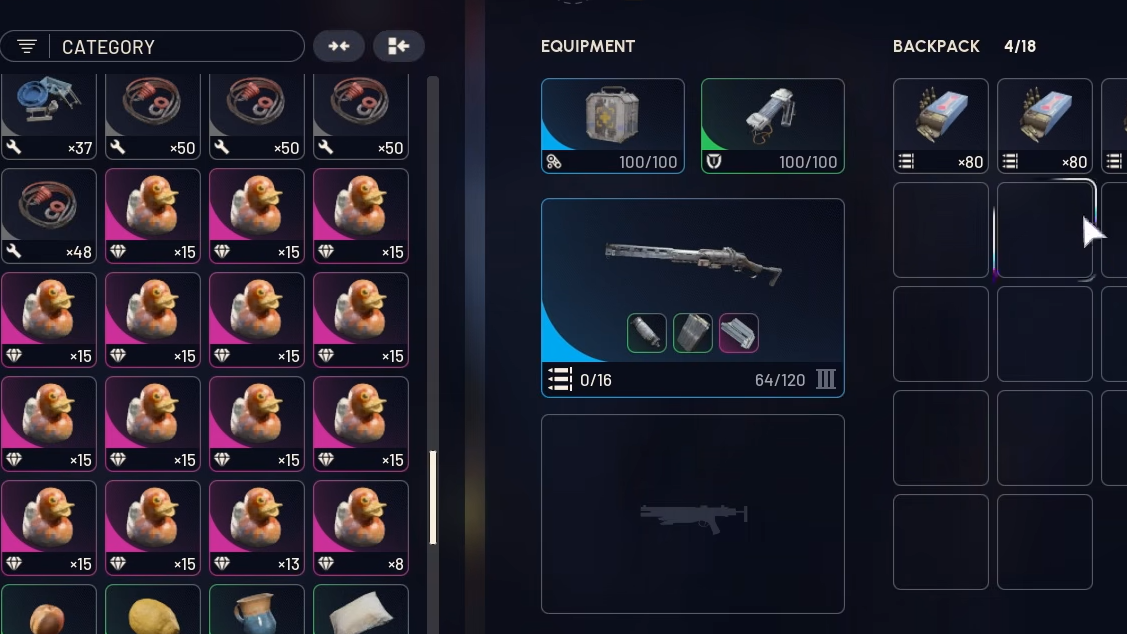
The exploit relied on a deceptively simple inventory manipulation. A player needed two weapons — one with high durability and one nearly broken. By rapidly swapping between the two weapons in the inventory and then dropping the repaired weapon on the ground, the game would copy the durability value from the healthy gun onto the damaged one. Picking the weapon back up made the change permanent. This worked on weapons of any quality tier, including expensive high-end guns like the Bettina and Tempest that normally cost significant materials to maintain.
The glitch was functional on both PC and console, making it a cross-platform problem. On PC, players could trigger it by pressing Tab to open the inventory and quickly toggling between weapon slots. The simplicity of execution meant it spread rapidly once videos demonstrating the method appeared on social media and YouTube.
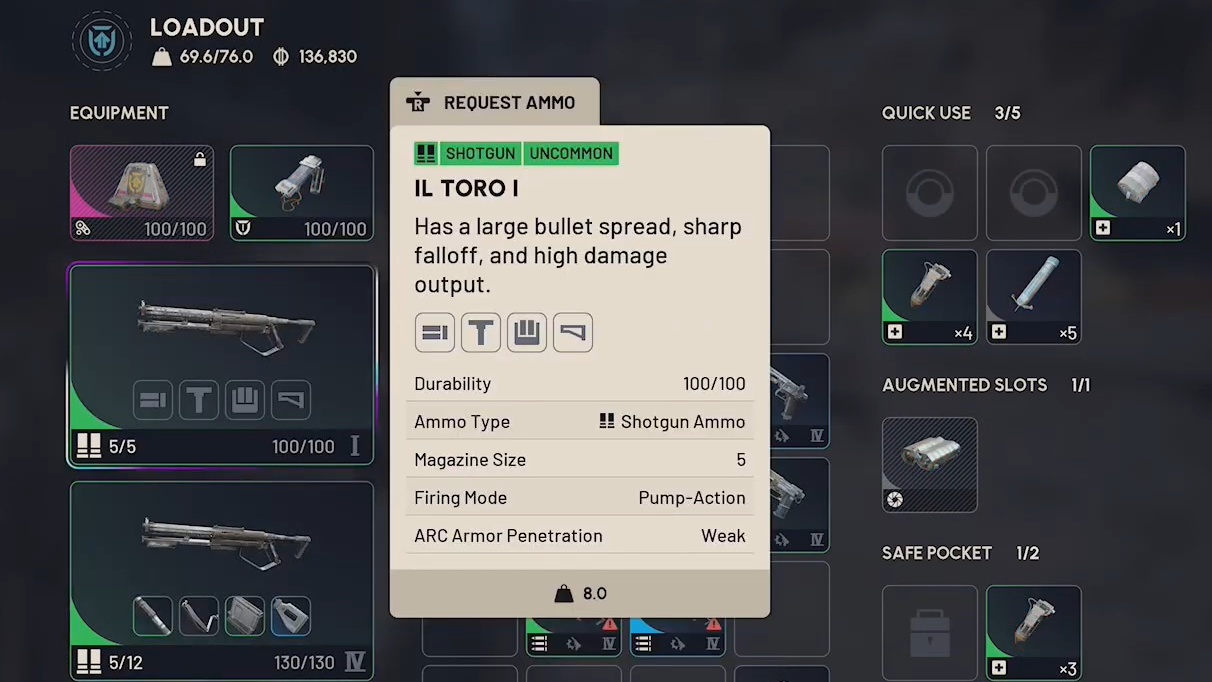
Infinite ammo and magazine transfer
The same inventory swap mechanic had a second, arguably more destructive application. Instead of copying durability, players discovered they could transfer magazine capacity between weapons. By holding a high-capacity weapon like the Torrente (which can hold 72 rounds with an Extended Mag III attachment) and performing the swap glitch with a smaller weapon like a Ferro, Bobcat, or Venator, the smaller gun would inherit the Torrente's magazine size.
The result was absurd. A Bobcat — a fast-firing SMG designed to burn through ammo quickly — could suddenly hold 102 rounds in a single magazine. A Ferro, normally a semi-automatic weapon, could fire its entire expanded magazine without reloading. A Vulcano with a Kinetic Converter attachment and 72 borrowed rounds became an overwhelming force in both PvE and PvP encounters.
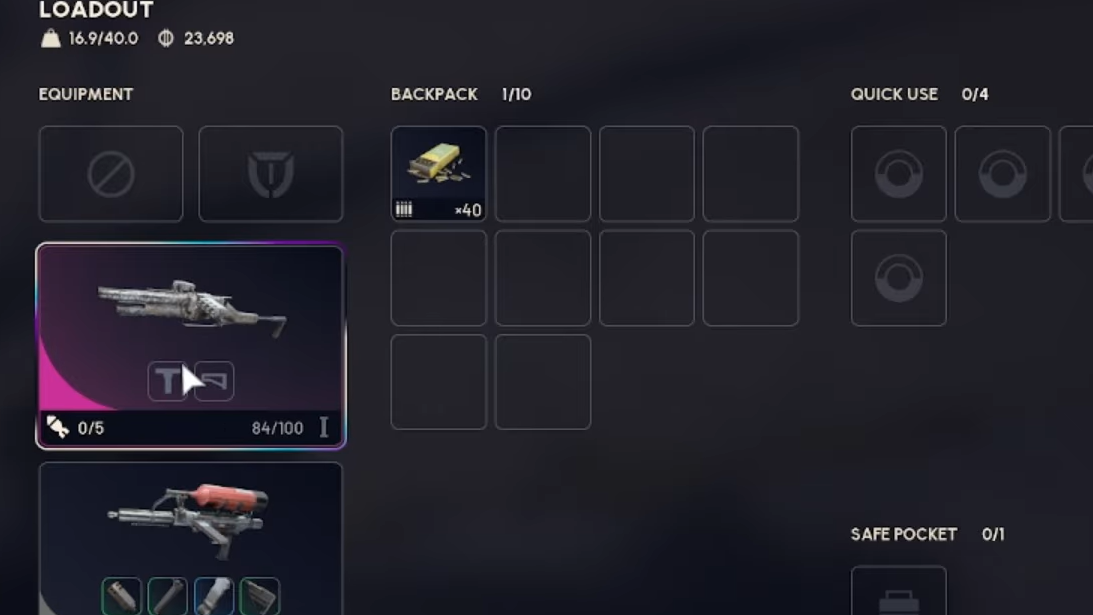
Players could also generate ammo out of thin air by repeatedly unloading weapons after performing the swap. This worked particularly well with expensive launcher ammunition like Hullcracker rounds, which could then be sold for massive profit — effectively turning the glitch into an unlimited money exploit as well.
Impact on Trials and competitive play
The timing of these exploits was especially painful for the Arc Raiders community. The glitches surfaced during the final two weeks of the current Trials season, when players were fighting to maintain or improve their ranked positions. Trials in Arc Raiders feature a weekly leaderboard system tied to cosmetic rewards at higher ranks like Hotshot and Daredevil.
Players using the exploits could bring in duplicated premium loadouts with no risk. If they died, they simply loaded up another identical set of duped gear and tried again, incurring zero economic loss. Legitimate players, meanwhile, had to spend real in-game currency on crafting ammo and risked losing expensive equipment every raid. The competitive gap became untenable, with some exploit users posting trial scores that were functionally impossible to match through normal play.
Compounding the frustration, the Trials system penalizes inactivity. Taking a break to wait out the exploits meant losing rank, so many competitive players felt trapped between playing in a broken environment and watching their progress erode.
The duplication glitch that started it all
These exploits didn't appear in isolation. They followed closely on the heels of a major item duplication glitch that had been present in the game for weeks — possibly months, dating back to the Cold Snap update. The dupe bug allowed players to multiply any item in their inventory, most famously rubber ducks (a valuable in-game currency item). Some players extracted with millions of credits worth of duplicated goods.
Embark pushed a hotfix to address the duplication exploit, but the fix appears to have either exposed or failed to account for the related inventory swap vulnerabilities. Within less than a day of the dupe patch going live, the repair and ammo glitches were being widely demonstrated across YouTube, TikTok, and Twitch.
A prominent streamer played a significant role in accelerating the fix timeline. Community members noted a pattern: exploits that had been reported on Embark's Discord bug channel for weeks went unpatched until they were demonstrated live on stream to large audiences. Both the duplication glitch and the subsequent ammo/repair exploits were hotfixed within roughly 12 hours of being showcased by this streamer, leading to heated debate about whether Embark prioritizes fixes based on public visibility rather than internal bug reports.
Embark's response and the hotfix
Embark deployed a server-side hotfix on February 11, 2026, addressing the infinite ammo glitch, the repair exploit, and additional duplication methods that had surfaced after the initial dupe patch. The fix required no client download — players only needed to restart their game. The official Arc Raiders account confirmed the patch and stated that the team was "dedicated to investigating and squashing exploits."
Embark also indicated that bans would be issued for players who abused the duplication glitch, with the severity of punishment tied to the extent of abuse. The studio had previously warned that it was "investigating the full impact of the issue" and would "take action based on the severity of different cases." Whether similar enforcement would apply to players who used the repair and ammo exploits was less clear, though the community broadly expected at least temporary suspensions.
The hotfix did introduce at least one new issue: some players reported losing their entire loadout upon extraction, including items they brought into the raid and loot they collected. This inventory-loss bug appeared shortly after the patch and was flagged across Reddit and Steam forums.
Player count dip and community sentiment
During the exploit wave, Arc Raiders hit its lowest 24-hour player peak since launch, dropping to around 80,000 concurrent players from a previous high of roughly half a million. A quarter of a million players were still active at peak, which remains a strong number, but the downward trend alarmed the community.
Opinions on how Embark should handle exploit abusers were split. A community poll with over 4,300 votes showed 64 percent of respondents opposed banning players who duplicated items, arguing that the responsibility lies with the developer for shipping exploitable code. Others pushed for stricter enforcement, pointing to games like Fortnite where Epic Games has historically issued swift and severe penalties for exploit abuse, creating a deterrent effect.
The broader concern is structural. All of the recent exploits share a common root in how Arc Raiders handles inventory state between client and server. The fact that rapidly swapping items in the UI could alter durability values, magazine sizes, and ammo counts suggests that the client has significant authority over item data that the server doesn't properly validate. Until Embark addresses this underlying architecture, the community expects more inventory-related exploits to surface — a prediction that some Discord communities are already proving correct with additional unreported bugs kept under wraps.
Arc Raiders remains a popular and broadly well-regarded extraction shooter, and Embark's turnaround time on these specific fixes was genuinely fast once the exploits went public. But the pattern of bugs sitting in the game for weeks or months before viral exposure forces action has become a recurring frustration. For players invested in the Trials system and the game's risk-reward economy, the stakes are real — and the margin for error from the development team is shrinking.