

Classes in Arcane Odyssey are locked in by how you invest your stat points into Magic, Strength, Weapons, and Spirit. There is no simple reroll button: you get a single free reset around level 10 and any later respecs depend on rare potions. Picking a path early matters, so it helps to know what each class actually does well in both PvE and PvP.
Global tier overview (full release meta)
The full release update pushed almost every class into a usable state. Some are still clearly stronger or easier to build, but nothing is outright unplayable if you know what you’re doing.
| Tier | Classes | Highlights |
|---|---|---|
| S | Mage, Oracle, Warlock, Conjurer, Warrior | Best-in-slot for either progression, bossing, or high-level PvP. |
| A | Warlord, Paladin, Berserker, Warlock (1v1), Knight, Juggernaut | Very strong but with sharper build or skill requirements. |
| B | Juggernaut (PvE), Knight (PvE), Berserker (PvE), Paladin (1v1) | Solid but situational; often shine in one mode and struggle in another. |
| C | Savant | High ceiling, but demanding to build and weak during early progression. |
That table hides a lot of nuance. The same class can sit in S tier for one game mode and drop to B or C in another, and hybrid stat lines behave very differently from pure paths. The sections below break that down.

Mage (60% Magic)
Mage is the straightforward “pure caster” route and the single best starting point if you are new to Arcane Odyssey.
Stat template: push Magic to 60 percent, then distribute the remainder between survivability and mobility stats rather than Strength. Magic governs your spell damage and unlocks two Magic choices, both of which can grant Leaps.
PvE performance. Mage sits at the top of PvE. Leaps from both Magic slots give you excellent exploration and boss kiting; you can sit at range, dodge telegraphed attacks, and punish with blasts and beams. Large area spells, especially with elements like Metal or an Ice/Snow combination, clear groups safely and accelerate story progression.
PvP performance. In Clan PvP, Mage is S tier thanks to huge AoE and access to attack size builds. You flood choke points with massive hitboxes and punish anyone diving into melee with Snare or self-explosion tools. In 1v1 duels, Mage drops closer to B tier; the same wide hitboxes are harder to leverage against a single agile target, and you live or die on aim and timing.

Oracle (60% Spirit)
Oracle is the primary Spirit build, built around Relics instead of traditional weapons or fighting styles. It is flexible, defensive, and very comfortable to progress with.
Stat template: invest 60 percent into Spirit. This unlocks powerful Relic move sets such as Eagle Patrimony, Crystal Orb, and Staff of Night.
PvE performance. Oracle is S tier for general PvE. Eagle Patrimony lets you spam Spirit Blast for consistent ranged damage while Spirit Wall gives you a reliable shield, making early and mid-game fights forgiving. Many Relics you find during progression have strong, self-contained kits, so you rarely feel underpowered. Crystal Orb stands out against bosses by letting you summon a clone that adds “free” damage and pressure.
PvP performance. Oracle is excellent in Clan battles. Staff of Night is a standout Relic for that mode, providing huge AoE when combined with attack size gear, and Oracle’s inherent tankiness lets you hold ground for your team. In 1v1 duels, Oracle is more of an A-tier pick. It lacks the tight combo chains of Warlock or Berserker and leans on spacing and zoning rather than burst.

Mage vs. Oracle vs. Paladin as beginner picks
If you care mostly about ease of play and safe progression, three classes stand out:
- Mage offers the most direct “stand back and cast” gameplay with two Magic types and very strong boss kiting.
- Oracle trades raw spell variety for Relic versatility and a natural mix of offense and defense.
- Paladin (40% Magic / 40% Spirit) fuses both concepts, adding more health and regeneration.
All three are forgiving if you make small mistakes in positioning and reward learning movement early, which is why they consistently rank as top beginner choices.
Warrior (60% Weapons)
Warrior is the pure weapon specialist. It has one of the highest ceilings in the game and defines the meta for boss farming and high-level dueling, but it asks more of you than Mage or Oracle.
Stat template: push Weapons to 60 percent. That unlocks the full potential of Bows, Guns, Pistols, Swords, Staffs, and other weapons, and lets you lean into Bleeding-focused sets.
PvE performance. Warrior is S tier for boss killing. Access to ranged options like bows, guns, and pistols means you can play matchups safely while stacking Bleeding and leveraging high weapon scaling. The downside is progression friction: the class only truly comes online once you acquire good weapons, and it has limited inherent mobility compared with Magic or Spirit builds.
PvP performance. In PvP, Warrior is highly flexible. In Clans, you can pivot into attack size builds with moves like Whirlwind or shockwave spear thrusts to control space. In 1v1s, you pivot to attack speed, grabs, and rapid stabs to keep opponents locked down. Because you can swap between very different weapon loadouts, Warrior adapts to a wide range of enemy builds but expects you to understand that match-up dance.

Warlord (40% Weapons / 40% Strength)
Warlord is the weapon-and-Strength hybrid: think Warrior with more emphasis on fighting style synergy and Bleeding.
Stat template: split between Weapons and Strength with neither exceeding 60 percent. This lets you combine weapon procs with Strength-based fighting styles that inflict or exploit Bleeding.
PvE performance. For pure bossing, Warlord performs similarly to Warrior once the build is complete. Weapon-and-style combos can tear through boss health bars when Bleeding is constantly reapplied. Like Warrior, it isn’t beginner-friendly; the build relies on acquiring and pairing specific weapons and fighting styles to really shine.
PvP performance. Clan PvP is where Warlord excels. Shot and Smash moves, combined with Bleeding-focused styles, provide a toolkit full of large, punishing hitboxes. In duels, Warlord trends toward A tier: the damage is there, but you feel slower than the pure Strength or pure Weapon classes and need attack speed gear and good grab timing to compensate.
Warlock (40% Magic / 40% Strength)
Warlock enchants fists with Magic effects, creating one of the most oppressive 1v1 classes in Arcane Odyssey. It demands more game knowledge than most but pays that off with unmatched flexibility.
Stat template: invest around 40 percent in Magic and 40 percent in Strength, keeping each under the 60 percent cap. Strength fuels fighting styles, while Magic adds on-hit effects and ranged tools.
PvE performance. Warlock is not the simplest leveling path, but you can lean on your Magic early to clear content. The hybrid only unlocks its true potential once you acquire strong fighting styles that synergize with your chosen Magic (for example, stacking status effects through repeated hits).
PvP performance. In 1v1s, Warlock is S tier. You can contest at range with spells, then convert a single opening into high-damage grab and style strings. Cooldowns are split between Magics and fighting styles, letting you chain pressure in ways pure builds cannot. In Clan battles, you can play more like a caster by focusing on Magic AoE and attack size, while still keeping melee threat online.

Conjurer (40% Magic / 40% Weapons)
Conjurer mixes ranged casting with weapon pressure. It never quite reaches Warlock’s combo insanity, but it is easier to build and highly effective across all content.
Stat template: aim for 40 percent Magic and 40 percent Weapons. Typically you start with more Magic for early progression and pick up Weapons investment later as you gather gear.
PvE performance. During the story, prioritizing Magic gives you access to strong elements like Metal for smooth clearing. Against bosses, the build is “fine” early on and gets much better once you begin shifting points into Weapons and picking up powerful blades or ranged weapons. By late game, Conjurer performs well in boss fights by weaving spells and weapon strings.
PvP performance. PvP is Conjurer’s primary selling point. Weapons provide sharp, direct threat in 1v1s, while Magic AoE dominates Clan fights. You can constantly swap between safe zoning and close-range pressure, adjusting to how your opponent wants to play.
Paladin (40% Magic / 40% Spirit)
Paladin is a tankier fusion of Mage and Oracle. It trades raw damage for survivability and utility, which can be appealing if you prefer a sturdier frontline caster.
Stat template: split between Magic and Spirit, both capped under 60 percent. This grants access to Relic Leap plus Magic’s five-times Leap, alongside healing and regeneration bonuses.
PvE performance. In PvE, Paladin is a solid, beginner-friendly all-rounder. You use Leaps to kite bosses in a similar way to Mage and Oracle, but you’re harder to kill and can recover from mistakes more easily. The trade-off is a slightly slower clear speed compared with full S-tier specialists.
PvP performance. In Clan PvP, Paladin is valued for team utility. You combine large AoE Magic and Relic attacks with increased health and regen to act as a bruiser that refuses to die. In 1v1s, Paladin drops closer to B tier; it can win duels with attack speed and precise orb minion play, but doesn’t have the oppressive combo game of the top melee classes.

Berserker (60% Strength)
Berserker is the pure Strength brawler focused on fighting styles, grabs, and relentless close-range offense. Its performance diverges sharply between PvE and PvP.
Stat template: invest 60 percent in Strength. That unlocks multiple fighting styles and the full grab-focused kit.
PvE performance. In PvE, Berserker sits near the bottom. Many of its signature grabs simply do not work on bosses, effectively removing half the kit in the most important fights. Progression also expects you to find and master several fighting styles and stack Strength before your damage feels rewarding. A common approach is to level with a more PvE-friendly class, then respec into Berserker once you have styles like Axe-Slash and Thermo Fist plus gear that boosts raw Power.
PvP performance. In PvP, Berserker is A–S tier depending on your skill. With strong parry and dodge fundamentals, it becomes one of the deadliest melee classes in the game. You have uppercuts for targets above, smash moves for grounded enemies, and shot-style attacks for lateral pressure. Because cooldowns are per fighting style, you can rotate through multiple styles and effectively “spam” offense without giving opponents breathing room. It is extremely punishing for opponents’ mistakes, but equally punishing if you whiff.
Juggernaut (40% Spirit / 40% Strength)
Juggernaut wraps Spirit’s Relics around a Strength core. It plays like a moving wall in PvP but inherits some of Berserker’s problems in PvE.
Stat template: split investment between Spirit and Strength, each staying under 60 percent. This allows combinations like Eagle Patrimony with Iron Leg or Sailor Style.
PvE performance. Against bosses, Juggernaut struggles for the same reason as Berserker: grab moves do not function, undercutting part of its kit. Relics soften this problem somewhat by giving safer ranged options, so story progression is less painful, but Juggernaut still sits around B tier for PvE.
PvP performance. In Clan battles, Juggernaut is S tier. Combinations like Iron Leg or Sailor Style with Eagle Patrimony stack powerful status effects over large areas, and access to a defensive dodge reflex, such as Ekrix, further reduces incoming damage. With attack-size gear, you can launch enormous shockwaves and relic blasts from the middle of a fight and soak punishment while you do it.
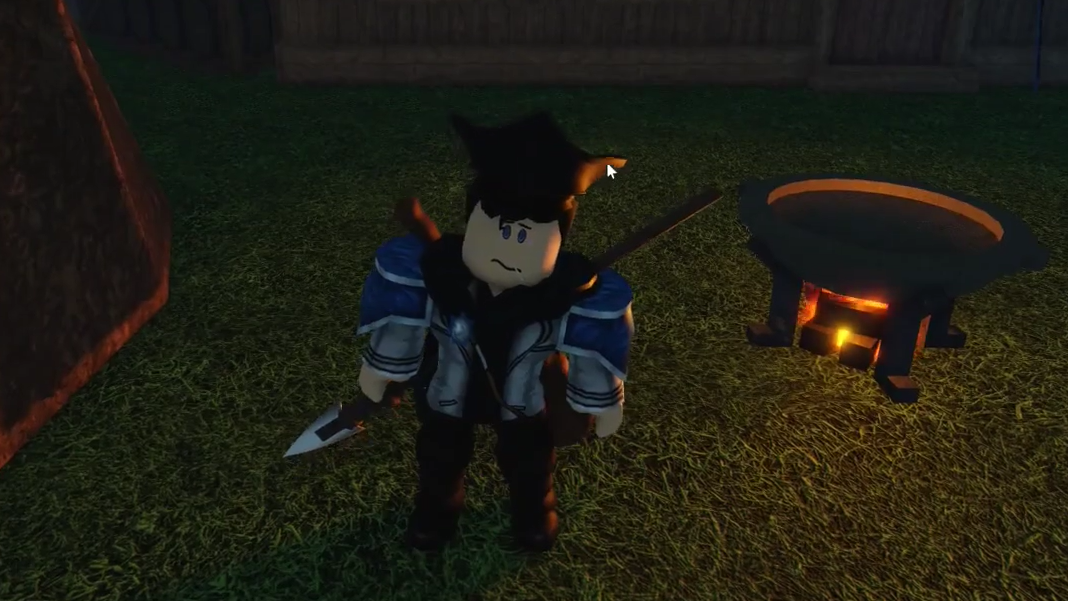
Knight (40% Spirit / 40% Weapons)
Knight combines Spirit’s sustain with Warrior-style weapon play. It used to be underwhelming but is now fully viable after the full release update’s loadout changes.
Stat template: invest around 40 percent in Spirit and 40 percent in Weapons. This delivers weapon DPS plus healing and regeneration.
PvE performance. Knight now offers decent PvE output. It cannot match Warrior or Warlord for raw boss melt, but Spirit-backed healing lets you survive mistakes and play more aggressively in extended encounters.
PvP performance. In 1v1s, Knight is an A-tier defensive duelist. Extra health and regen make trades more forgiving, and flexible weapon selection lets you pick counters for specific enemy classes. With the right weapons, you can also invest into shockwave moves and attack size for Clan PvP, creating a tank that still contributes meaningful AoE pressure.
Savant (three-stat hybrid)
Savant is the “everything at once” build. It spreads points across at least three stats, with at least 10 percent in each, no stat above 50 percent, and no more than two stats above 40 percent.
Stat template: There is no single correct allocation, which is the main challenge. You must design a coherent plan and support it with very specific weapons, fighting styles, relics, and magics.
PvE performance. For most players, Savant is C tier in PvE. Early and mid-game progression feel weak unless you emphasize Magic first, and even then, your damage and survivability trail behind more focused builds. To make Savant work, you typically need late-game gear (such as Arcanium items) and a deep roster of unlocked styles and relics, which means it functions best as a respec option rather than a starting class.
PvP performance. In PvP, Savant has a very high ceiling but an equally high failure rate. It is easy to create a build that looks creative on paper but underperforms against focused classes. Hybrid builds such as Warlock, Conjurer, or Warlord usually reach similar goals with less effort. Savant only makes sense if you enjoy heavy experimentation and already understand how all the other classes operate.

Which class to pick for your priorities
Different players care about different parts of Arcane Odyssey. Picking a class by mode keeps the choice simple:
| Goal | Recommended classes | Why |
|---|---|---|
| Safest first playthrough | Mage, Oracle, Paladin, Conjurer | Good range, intuitive kits, strong exploration and story progression. |
| Boss farming / PvE focus | Warrior, Warlord, Mage, Oracle | High single-target DPS, Bleeding abuse, or safe long-range damage. |
| 1v1 PvP duels | Warlock, Berserker, Conjurer, Warrior, Knight | Access to strong combos, grabs, and adaptable pressure tools. |
| Clan PvP / large fights | Mage, Oracle, Paladin, Juggernaut, Warlord | Big AoEs, strong defensive tools, excellent team utility. |
| High-skill “laboratory” play | Warlock, Savant | Demand deep knowledge but can answer virtually any meta if built correctly. |
How and when you can respec
Class identity in Arcane Odyssey is tied to how you distribute core stats, which means respecs are the only way to switch paths without starting over.
Step 1: Level to the early reset threshold and use your one free stat reset there if you realize the class you picked does not fit your playstyle. This is the best time to swap into something like Mage or Oracle if an experimental build feels too punishing.
Step 2: Later in the game, use rare stat reset potions if you want to pivot into advanced classes such as Berserker, Warlord, or Savant. These builds rely on late-game styles and gear, so waiting until you have those tools before respeccing avoids needless frustration.

Every class in Arcane Odyssey can win fights and clear content, but they do not all ask the same things from you. Pure paths like Mage or Warrior reward specialization, hybrids like Warlock and Conjurer reward matchup understanding, and Savant rewards patience and a willingness to grind for a very specific vision. Decide what type of challenge you want, lock in a stat spread that supports it, and commit—your class will shape the rest of your journey.