

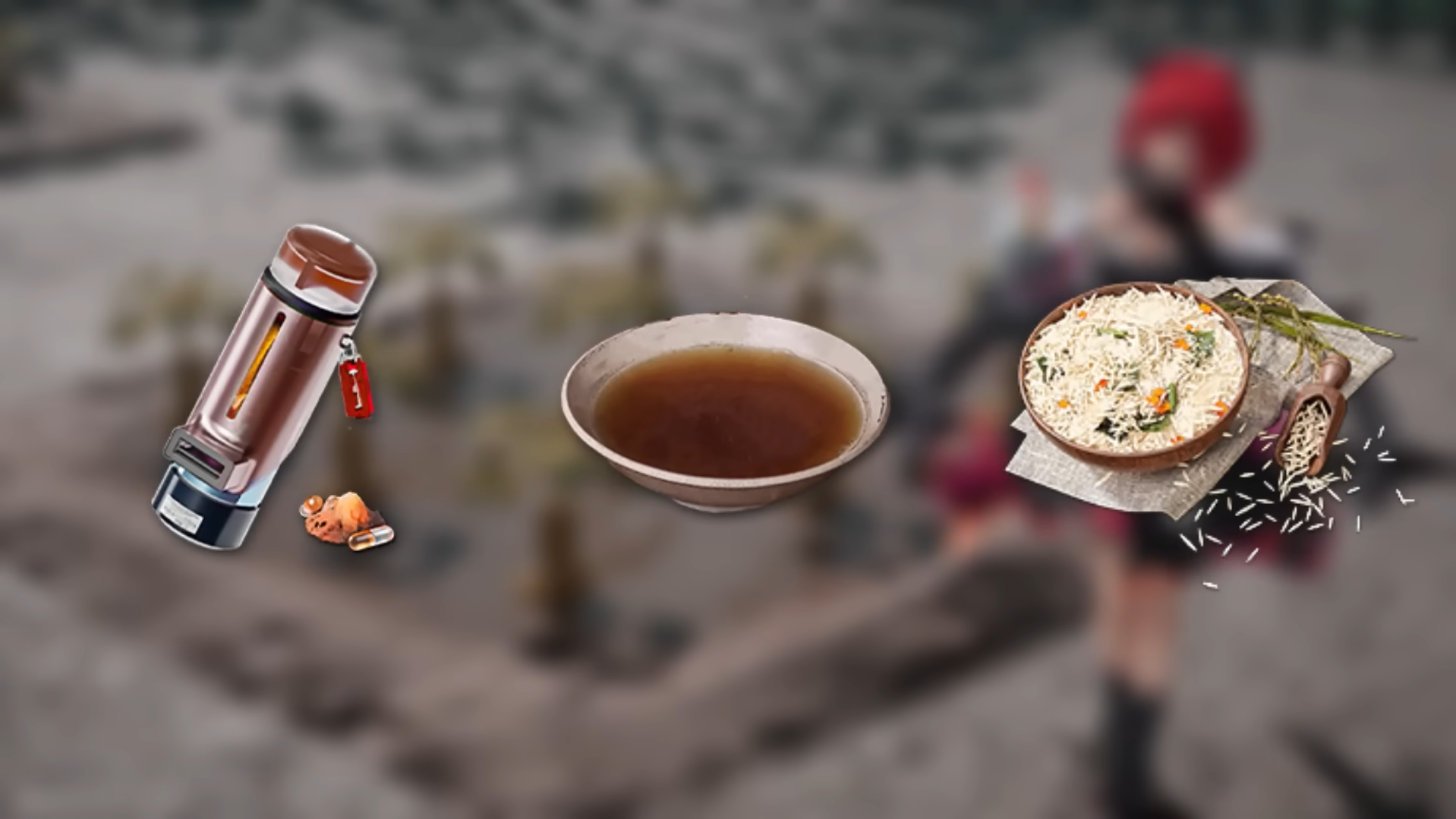
Arknights: Endfield offers dozens of consumables, but two ginseng-based recipes stand out for their raw performance: Ginseng Meat Stew and Fortifying Infusion. Both provide flat attack bonuses and critical-rate increases that outperform percentage-based alternatives in most combat scenarios, especially during the early and mid-game when base stats remain modest.
Quick answer: Ginseng Meat Stew grants +180 flat attack and +11% critical rate for 300 seconds. Fortifying Infusion grants +9% critical rate and +18% all damage for 300 seconds. Both require Redjade Ginseng, which you farm on eco-plots after collecting the single world spawn south of Wuling City.
Why Ginseng Meat Stew Outperforms Percentage Buffs
Percentage-based consumables like Yakob's Legacy (+27% attack) and Kunst Tube (+25% damage) scale poorly when your character's base attack sits below 1,000. Ginseng Meat Stew provides a flat 180 attack bonus, which translates to immediate, consistent damage regardless of your current gear level. The 11% critical-rate increase further multiplies damage potential over extended fights, making it the strongest DPS consumable for sustained encounters.
Fortifying Infusion offers a similar advantage: +9% critical rate and +18% all damage. The flat critical-rate boost ensures reliable damage spikes, while the all-damage multiplier applies to every hit. Both recipes share the same core ingredient—Redjade Ginseng—so setting up a single farm supplies both consumables.

Locating and Unlocking Redjade Ginseng
Only one Redjade Ginseng plant spawns in the open world. Travel south of Wuling City to the market-leaf map marker and search the mountainside. Harvesting this plant unlocks the Redjade Ginseng crafting manual, which reveals both Ginseng Meat Stew and Fortifying Infusion recipes.
After collecting the world spawn, purchase five Redjade Ginseng seeds daily from Wellmorin, an NPC stationed outside the Wuling farm entrance. Alternatively, process harvested ginseng plants into seeds using a seed-picking unit at a 1:2 ratio. Two guaranteed ginseng nodes also exist in Jingu Valley: teleport to the point below Treasure Grotto and head beneath the ancient tree.

Building Redjade Ginseng Eco-Plots
Step 1: Open your backpack's crafting menu and switch to the planting tab. Craft Redjade Ginseng Fields using seeds and carbon. Carbon is produced by feeding Buckflower into a refining unit at your factory.
Step 2: Place around 20 plots in your Wuling eco-farm area. Space plots carefully to prevent AI teammates from getting stuck during automated harvests. Poor placement slows down collection and creates unnecessary friction when you visit the farm.
Step 3: Germinate and water each plot manually for the first cycle. This starts a four-hour countdown. After the initial watering, the rest of the process can be automated with sprinklers.

Automating Watering with Sprinklers
Ginseng requires watering every four hours. Without automation, this becomes tedious. Install sprinklers to reduce manual intervention to roughly every 12 hours. Each sprinkler covers two plots when placed optimally, so position them to maximize coverage.
Connect sprinklers to a fluid pump at the top-left water source using water pipes. Use pipe splitters to feed multiple sprinklers from a single pump. One fluid pump supports all 10 sprinklers in a standard Wuling setup because sprinklers only run briefly every half hour and store enough water internally to handle downtime. Double-check that all pipes are connected and sprinklers are powered before leaving the farm.
Dedicate all 20 plots to ginseng if your primary goal is DPS optimization. Mixing crops slows down consumable production and dilutes your farming efficiency.

Farming Fillet for Ginseng Meat Stew
Ginseng Meat Stew requires one Fillet per craft. Fillet drops from wild beasts and cannot be farmed passively. The most efficient hunting route starts at the teleport point near the Plateau Trunkway in Power Plateau. Multiple beast spawns populate this area, offering a good balance between enemy density and travel time.
Valley 4's hub area also contains reliable Fillet sources. Four beasts spawn southwest of the core AIC, and three more cluster northwest of the AIC. The northwest section of Hub Base and Southern Meadows scatters around 15 beasts across the zone. Players often place gun turrets or zap towers near these spawn points to automate kills, though you still need to collect the drops manually.
Use the interactive map at endfieldtools.dev to locate Wild Tuskbeast and Bonekrusher Ripptusk spawns. Bring high-mobility characters to reduce downtime between encounters and speed up the farming loop.

Crafting Jincao Powder for Fortifying Infusion
Fortifying Infusion requires Jincao Powder instead of Fillet. Jincao Powder is produced by shredding Jincao plants, which you grow in standard eco-plots or factory production lines. Automate Jincao farming by setting up a seed-picking unit, planting unit, and shredding unit connected via water pipes in your Wuling farm.
Blueprint codes for automated Jincao farms are available for Asia (EFO01u8U47O48E09UAoOU) and North America (EFO014o5IA0au831E71A) servers. Import these blueprints to skip manual setup. Ensure the water pipes connect to the planting unit and add Jincao to the seed-picking unit before activating the system.

Unlocking Recipes and Maximizing Rewards
Crafting recipes unlock automatically when you acquire the required ingredients for the first time. Open the crafting manual under the crafting window to view unlocked recipes. Producing or collecting more of the same ingredients unlocks higher-grade recipes and grants free Oroberyl rewards.
Mass-produce plants using automated farm blueprints to accelerate recipe unlocks. Wuling and Valley 4 auto-plant farm blueprints are available for download. These setups streamline ingredient collection and reduce the time spent manually harvesting crops.
Fertilizer and Optional Enhancements
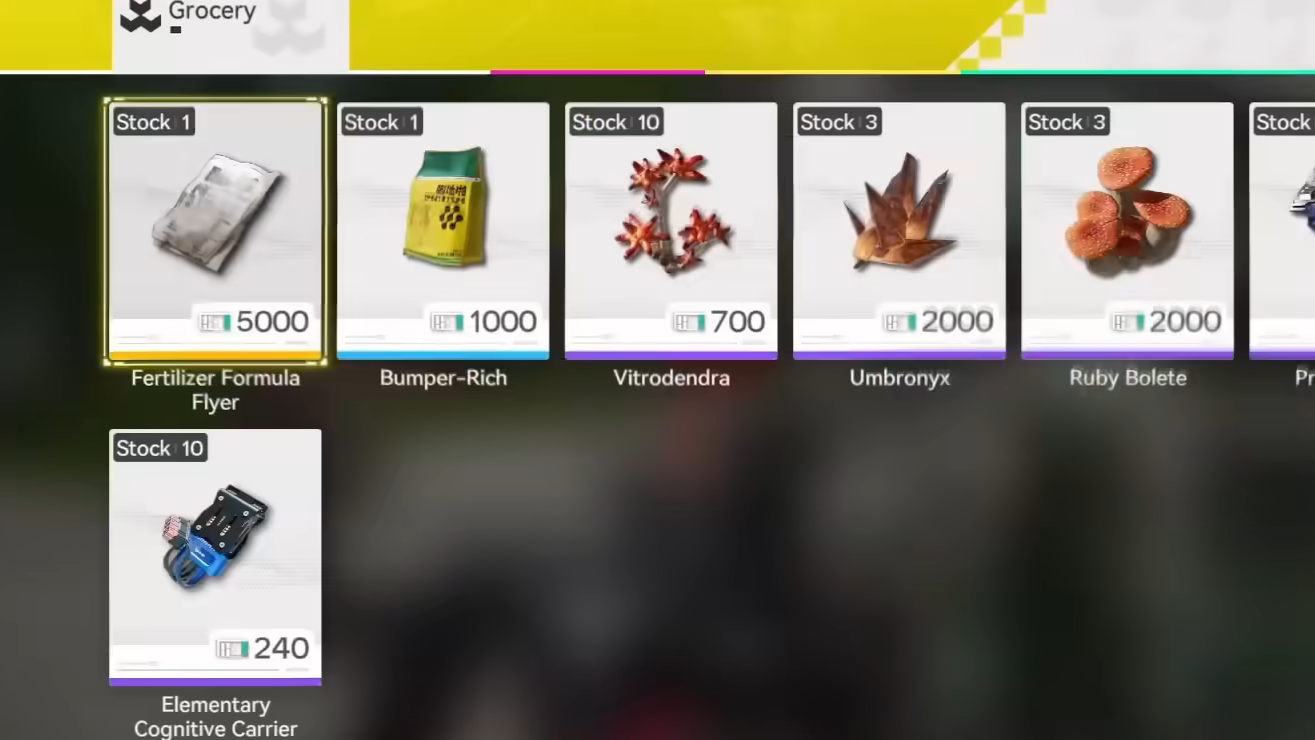
Complete the Burdenbeast Tales side-quest from LiFeng to unlock fertilizer. The quest starts near Wuling City and takes five to ten minutes. It concludes southeast of Wuling City, where packs of Burdenbeasts spawn. Each Burdenbeast can be patted daily to drop Burdo-Much, which functions as eco-farm fertilizer. Fertilizer accelerates crop growth but is not required for standard ginseng farming.
Build a zipline from your core AIC to the eco-farm area to save travel time during daily harvests. This minor quality-of-life improvement reduces the friction of checking your farm multiple times per day.
Healing Alternatives: Yazhen Spray
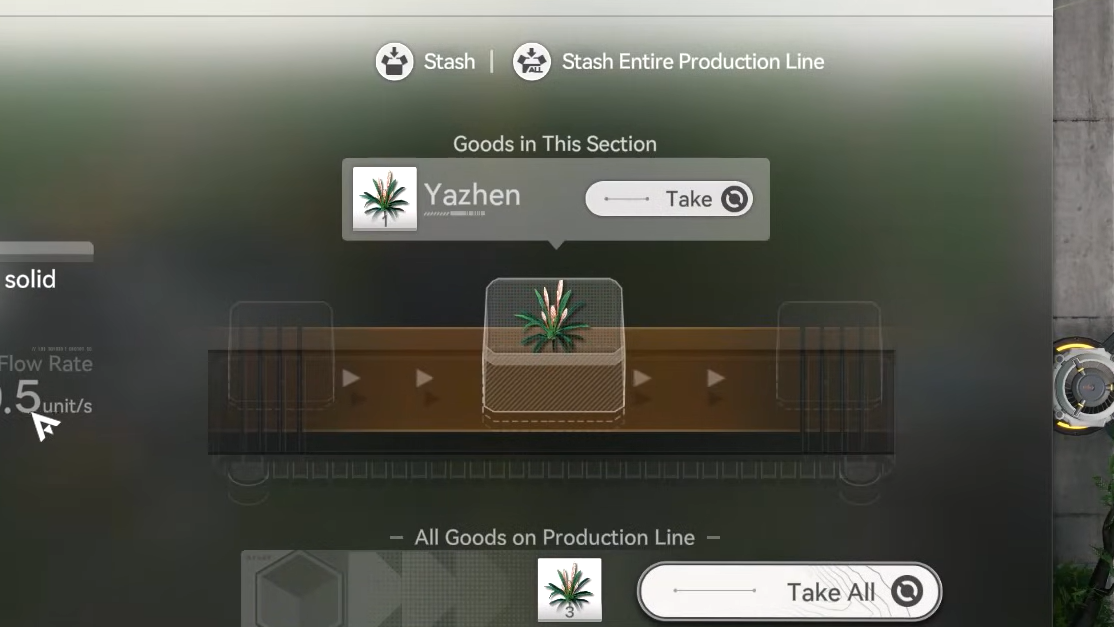
While ginseng-based foods dominate offensive buffs, Yazhen Spray remains the strongest farmable healing consumable. A late-game character with over 6,000 HP recovers approximately 4,300 HP over six seconds from a single Yazhen Spray. This heal-over-time effect consistently outperforms instant-heal equivalents by roughly 50 percent.
Yazhen Spray is crafted by hand-shredding Thorny Yazhen plants and bottling the resulting powder. Thorny Yazhen is a rare plant that spawns alongside common Yazhen in eco-plots. One plot yields about two Thorny Yazhen per hour-long harvest cycle. A fully planted Wuling farm produces around 40 Thorny Yazhen per session, enough to craft 16 Yazhen Sprays if you have steel bottles on hand.
Steel bottles are produced in Valley 4, where Ferrium is plentiful. Crafting in a depot zone pulls from your global inventory, so you do not need to transfer bottles between zones. If you run short on Yazhen Spray, use the unbottled Thorny powder for 3,800 healing per dose. One hour of farm production yields 80 powder doses.
Instant-heal items like Jincao Infusion remain useful for supporting teammates. AI-controlled characters can use instant heals to restore the main DPS character's HP, while heal-over-time items cannot be applied by support characters to the controlled operator. Equip heal-over-time items on your main DPS and instant heals on the rest of the team for optimal coverage.
Other Offensive Food Options
Kunst Tube and Perplexing Medicine offer simpler alternatives when ginseng is unavailable. Kunst Tube requires only a Scorch Bug and a Ferrium bottle, making it the most convenient offensive consumable. It grants +25% damage for 300 seconds, which is competitive with ginseng-based foods but lacks the flat attack bonus.
Perplexing Medicine provides +24% ultimate efficiency and is crafted from Buckflower Powder and Citromix, both of which are farmable. The alternative ultimate-efficiency food requires Bamboo Sprouts and Meat, which must be hunted. Perplexing Medicine is the better choice for players who want to avoid monster farming.
Defensive foods like Wuling Fried Rice, Wuling Flame-Boyance, and Pan-Fried Double Crisp offer nearly identical protection values. Wuling Fried Rice is the easiest to craft, requiring only Amber Rice and Fillet. Since only one food buff can be active per character at a time, prioritize Kunst Tube or Perplexing Medicine unless you have a specific need for defensive boosts.
Ginseng Meat Stew and Fortifying Infusion convert a rare eco-farm crop into the game's strongest DPS consumables. The upfront setup cost—locating the world spawn, building plots, and automating watering—pays off quickly. Once established, the farm produces enough ginseng to support regular use in boss fights, high-difficulty encounters, and exploration-heavy sessions. Combine ginseng farming with targeted Fillet hunting or automated Jincao production to maintain a steady supply of both recipes.