

Arknights: Endfield is a free-to-play action RPG with factory simulation features developed by Hypergryph and published globally by GRYPHLINE. It’s positioned as a genre shift from Arknights’ tower defense roots into a real-time 3D RPG built around party tactics, exploration, and an unusually deep industrial base-building layer.
Release date, platforms, and what kind of game it is
Arknights: Endfield is scheduled to release on 22 January 2026 for Windows, PlayStation 5, iOS, and Android. The game runs on Unity and supports both single-player and multiplayer modes.
GRYPHLINE’s product framing is straightforward: a “real-time 3D RPG with strategic elements.” If you want the canonical product entry point for announcements and pre-release funnels, use the official site: endfield.gryphline.com.
Where Endfield fits in the Arknights universe
Endfield is a spinoff of Arknights, and it leans into that relationship rather than treating it like a clean break. Familiar concepts and organizations reappear, including Originium (an energy-rich mineral) and Arts (the setting’s pseudo-magical abilities), plus references to Rhodes Island.
The key difference is where the story happens. Instead of Terra, Endfield is set on a moon called Talos-II. The player character takes the role of the “Endministrator,” working under (and often reacting to crises inside) the corporation Endfield Industries.
Talos-II’s core premise: stranded pioneers and a hostile frontier
Talos-II was colonized 152 years before the start of the story by pioneers from Terra who traveled through a dimensional portal known as an “Æthergate.” That gate was destroyed roughly a century before the game’s present, leaving those Terran settlers stranded and forcing Talos-II into a long, messy era of survival, expansion, and political friction.
Like Terra, Talos-II is shaped by recurring natural disasters called “Catastrophes.” The moon also suffers from a major supernatural hazard called “Corruption,” which distorts environments and causes abnormal physical phenomena in affected regions.
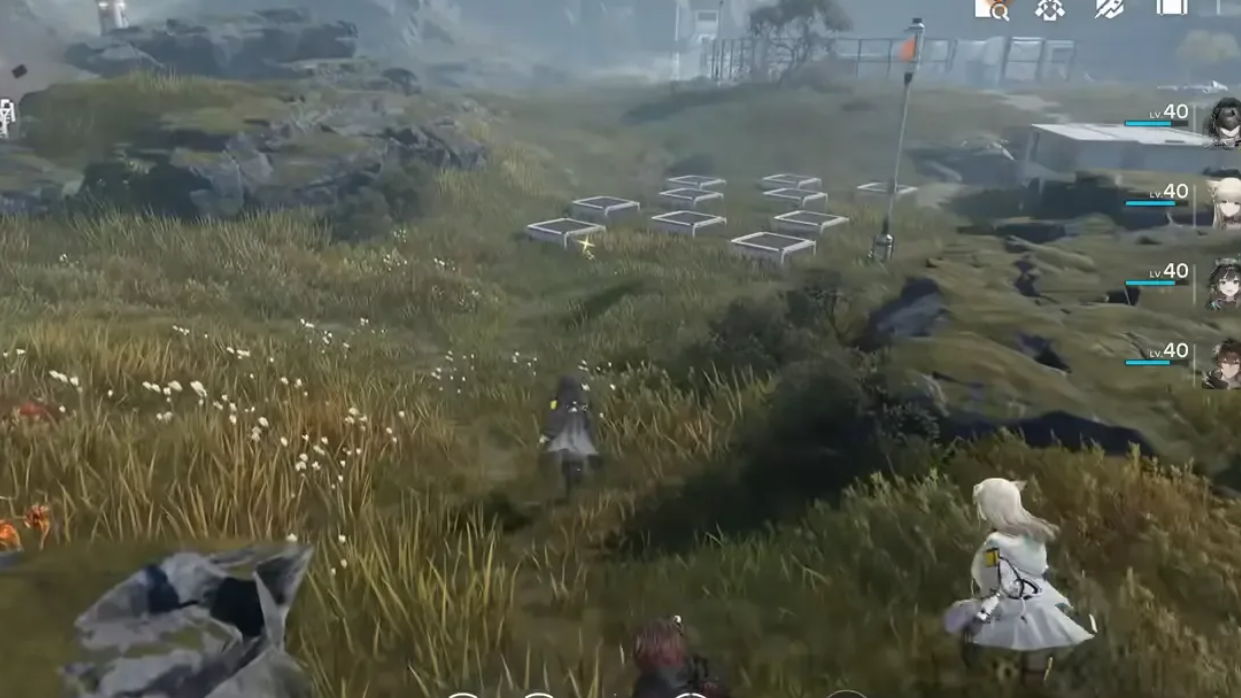
The frontier framing isn’t just vibes. Much of Talos-II remains wilderness and no-man’s land, with threats that range from endemic creatures called “Aggeloi” to armed raiders known as “Landbreakers,” who operate on the fringes through scavenging and crime.
Endfield Industries and the “Automated Industry Complex”
Industrial expansion is baked into the narrative. As exploration of ruins resumes, a group called the Protocol Recycling Department is rebuilt under the leadership of Endfield Industries’ Superintendent Perlica. Prototype equipment from that department feeds into a major initiative: the development of an “Automated Industry Complex.”
One named flashpoint is “Valley No. 4,” described as the most barren area of Talos-II and selected as a test target to prove transmission technology and serve as a base for outward exploration.
Combat basics: four operators, one fight, constant switching
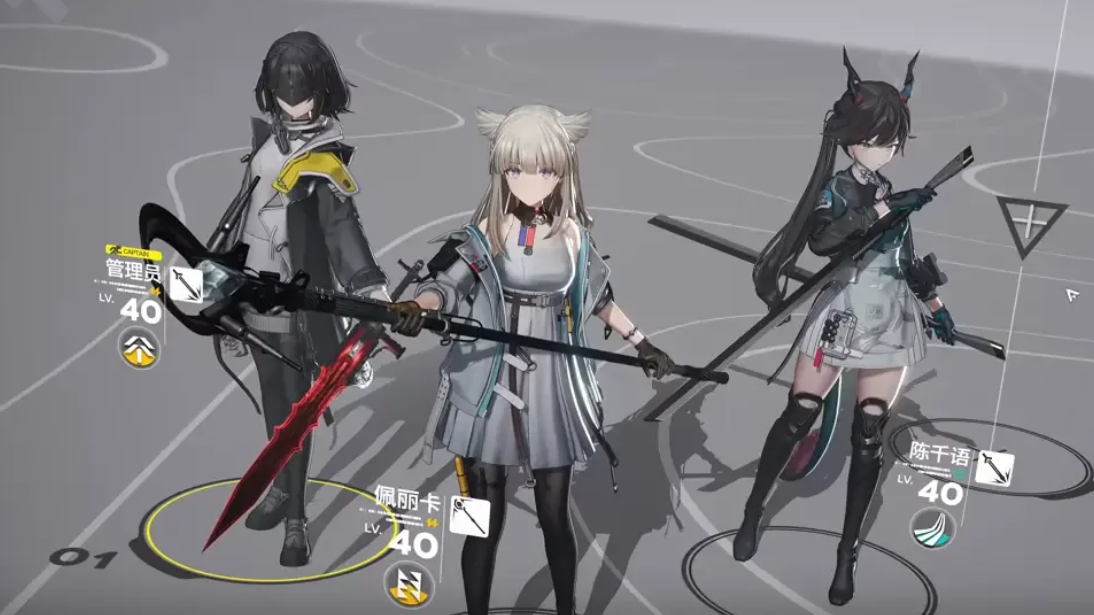
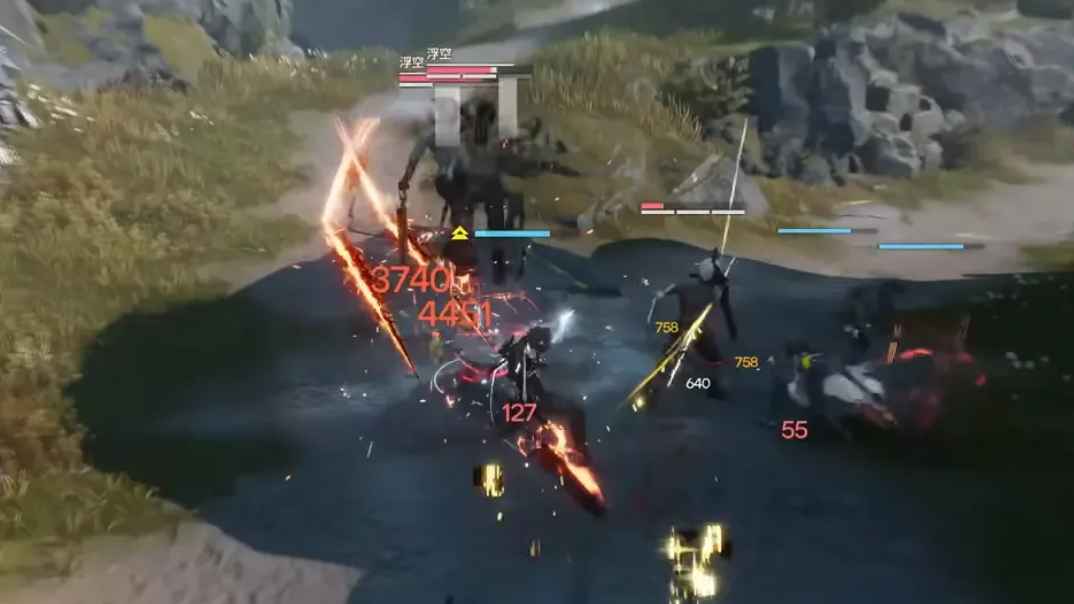
Endfield’s combat is built around controlling a four-member team in real time, with the option to switch between characters during battle. The design emphasis is tactical party combat, where all four characters are active in the encounter, while the player decides who is directly controlled at any moment.
Attacks and abilities are organized into multiple types, including basic attacks, tactical skills, combo skills, and ultimate abilities. Basic attacks also include variants such as drop attacks, dodge pursuit, and execution moves, giving the moment-to-moment fighting more texture than a single “light/heavy” loop.
Skill gauges and the “imbalance” system
A central layer of strategy comes from shared resources. Instead of each character owning an isolated cooldown economy, the party shares three skill gauges. Any operator can consume one gauge to trigger a tactical skill, and those gauges regenerate over time.
Combat also plays with pressure and payoff through “imbalance.” Heavy hits can add segments to the shared skill gauge while raising an enemy’s imbalance value. Once an enemy’s imbalance gauge fills, it enters an imbalanced state, takes increased damage, and becomes vulnerable to execution attacks. That window is temporary, so the loop becomes a rhythm of building imbalance, cashing in with coordinated skills, then rebuilding again.
Base building and industrial management: ziplines, belts, and power budgets
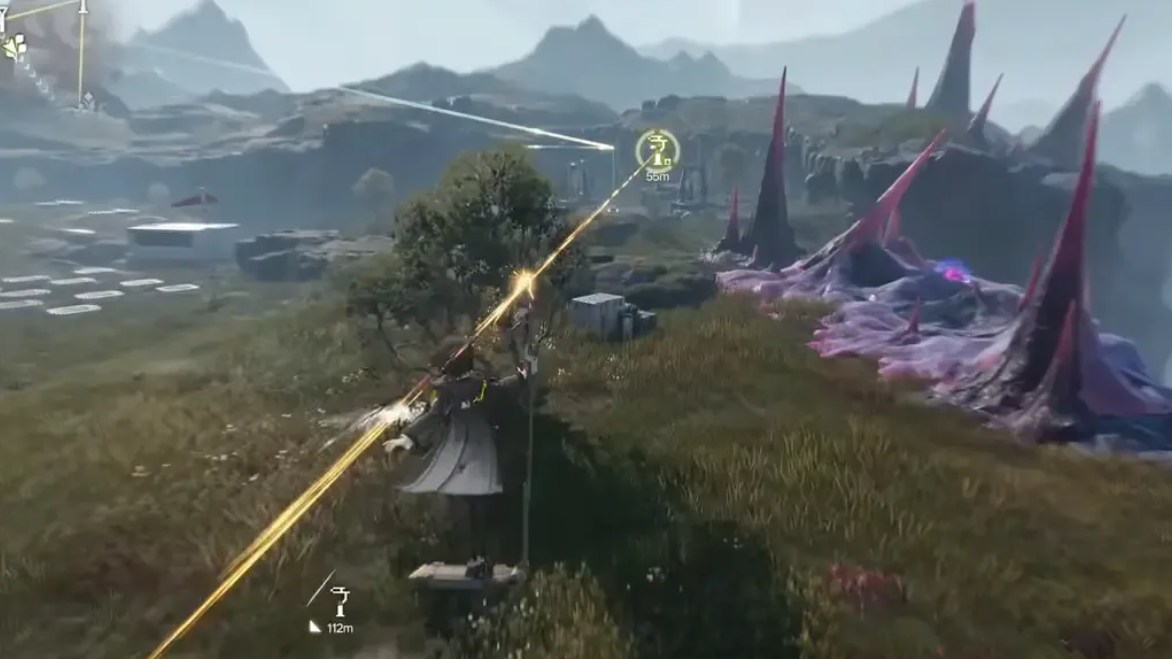
The factory simulation side is not a side quest. Endfield’s base-building system ties exploration directly to industrial throughput. Resources are harvested from remote mining nodes and connected back to your operation using custom ziplines. Materials are refined and processed in specialized machines, then routed through conveyor belts for crafting and broader progression.
The management component focuses on practical constraints: electricity distribution, input/output routing, and juggling different ore types. It’s less about placing a decorative base and more about designing a functioning supply chain that can expand as the game asks for more complex outputs.
One notable design goal is flexibility. The balance between RPG play and factory building is intended to be adjustable, described as targeting an adaptable 50:50 ratio so players can steer their time toward combat/exploration or industrial planning.
What “strategic elements” means in practice
In Endfield, “strategy” isn’t only about choosing the right character to swing the sword. It shows up in how you time shared-gauge skills, how you coordinate combo and ultimate abilities, and how you exploit imbalance windows. And it’s just as present outside combat, where efficient routing, power allocation, and production planning determine how quickly you can turn raw добыt into progression-ready gear and materials.
The throughline is systems thinking: build the party loop that breaks enemies efficiently, then build the industrial loop that feeds that party with upgrades and resources.
Development timeline and testing
Arknights: Endfield surfaced publicly in 2022 with official accounts and an early trailer. A first technical test on PC took place in January 2024, followed by a limited beta test in January 2025. The release date is set for 22 January 2026.

For Arknights players, Endfield is less a sequel and more a translation of familiar worldbuilding into a different kind of game: real-time party combat on the front end, and a production pipeline that can sprawl into something closer to an automated industrial park on the back end.