

Arknights: Endfield wraps a fairly aggressive monetization scheme in a dense web of pity counters, bonus pulls, and cross-linked weapon currency. Once you strip the jargon away, the structure is clear – and it has big implications for how you should (and shouldn’t) pull.
Basic banner structure and currencies
Endfield splits gacha into three pillars:
- Chartered Headhunting – limited-time character banners with rate-up 6★ Operators.
- Basic Headhunting – the permanent standard character banner, fixed 6★ roster at launch.
- Arsenal Exchange – weapon gacha and a rotating shop, paid with Arsenal Tickets instead of Oroberyl.
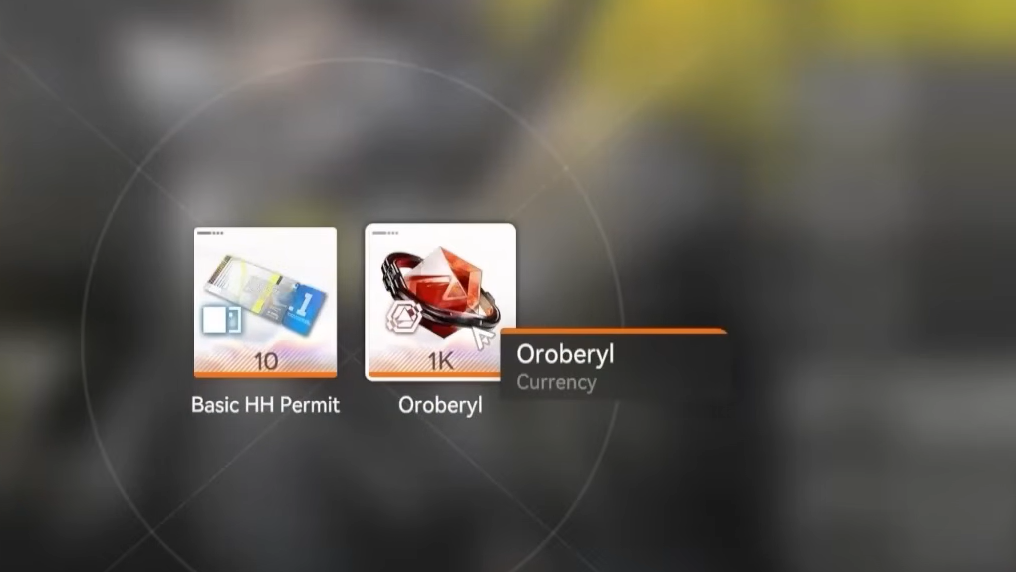
Character pulls use Oroberyl. One pull costs 500 Oroberyl; a 10-pull costs 5,000. Oroberyl itself is primarily earned in-game, but it can also be bought using the premium currency Origeometry (1 Origeometry converts to 75 Oroberyl).
Weapons never drop on character banners. Instead, character pulls feed the weapon system by generating Arsenal Tickets:
- 6★ Operator → 2,000 Arsenal Tickets
- 5★ Operator → 200 Arsenal Tickets
- 4★ Operator → 20 Arsenal Tickets
Arsenal Tickets then fuel weapon 10-pulls or can be spent directly in the Arsenal shop.
Character gacha base rates
All character banners – beginner, standard, and limited – share the same base odds:
| Rarity | Base chance per pull |
|---|---|
| 6★ Operator | 0.8% |
| 5★ Operator | 8.0% |
| 4★ Operator | 91.2% |
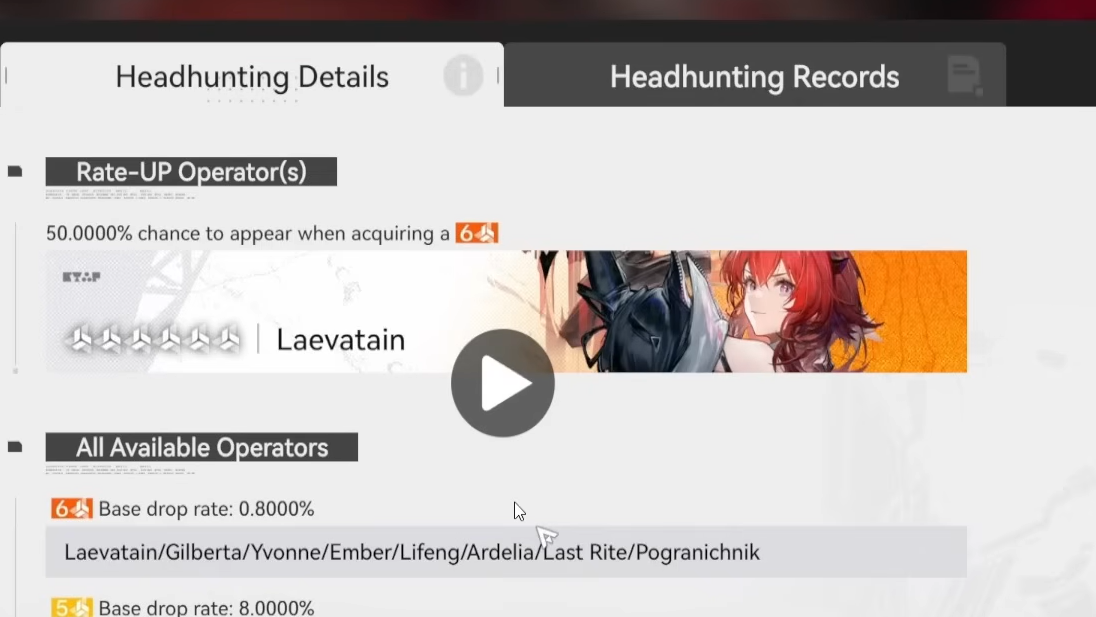
On Chartered banners, when a 6★ appears there is a 50% chance it is the featured limited character. The remaining 50% is split between standard 6★ units and the rate-up 6★ from the two previous limited banners.
On the permanent Basic banner, any 6★ is chosen evenly from the five standard 6★s available at launch.
Universal character pity: 10, 65, and 80 pulls
Several pity rules apply across both standard and limited character banners and do carry over when a banner ends:
- 10-pull 5★ guarantee. Every 10 character pulls you are guaranteed at least one 5★. This counter is global to each character banner type; a sequence like 7 pulls on one Chartered banner and 3 on the next will still trigger the 5★ on the 10th pull.
- 65-pull soft pity for 6★. If you go 65 pulls with no 6★, the 6★ rate starts ramping up. Each pull after 65 adds 5 percentage points to the 0.8% base, so the 6★ chance climbs sharply between 66 and 80.
- 80-pull hard pity for any 6★. If you still haven’t seen a 6★ by pull 80, the 80th pull is guaranteed to be 6★. On a limited banner, that 6★ is a 50/50 between the rate-up pool and everything else; on the standard banner, it comes from the fixed standard pool.
Crucially, the 80-pull 6★ pity counter carries over between banners until you actually pull a 6★. If you stop at 60 pulls and the banner ends, you will only need 20 pulls on the next banner to force a 6★.
Once a 6★ appears – featured or not – the 6★ pity, soft and hard, resets.
Chartered Headhunting: the limited banner
The limited Chartered banner is where almost all of Endfield’s friction sits. It layers the shared 10/65/80 pity on top of two additional systems: a one-shot 120-pull guarantee for the featured character and a 240-pull guarantee for a dupe.
Limited banner odds and the “previous banners” pool
On a Chartered banner, when you hit a 6★ (whether by luck, soft pity, or the 80-pull hard pity) the game flips a 50/50:
- 50% chance for the current featured 6★.
- 50% chance for an off-rate 6★.
The off-rate half is itself split three ways:
- 7.14% of the total 6★ pool for each of the two previous limited characters.
- 35.72% of the total 6★ pool for standard 6★ units.
That structure means any limited 6★ remains “snipable” for two banners beyond its own, but only if you lose the 50/50 on newer banners.
The 120-pull featured character guarantee (and why it doesn’t carry)
In parallel with the 80-pull 6★ pity, Chartered banners track a second, separate counter for the featured character guarantee:
- If you reach 120 pulls on a Chartered banner without ever getting the featured 6★, you can claim that character directly.
- This claim is a banner-specific reward, not a gacha roll. It does not use the 0.8% rate or the 50/50 – it simply hands you the unit.
This 120-pull guarantee is one-time per banner and, importantly, does not carry over when the banner ends. When the timed banner goes away, any progress short of 120 is wiped for the featured guarantee. Your 80-pull 6★ pity carries; your 120-pull “spark” does not.
There are two additional wrinkles players often miss:
- If you pull the featured 6★ early on that banner – whether on pull 1, 20, or 80 – the 120-pull guarantee disappears because you already own the character; the counter for that banner is effectively complete.
- Any 6★ you pull, featured or not, resets the 80-pull pity, because you did get a 6★. It does not reset the 120-counter unless that 6★ is the featured character.
This split is why “building pity” on a banner you can’t finish is risky. Stopping at 90 pulls on a limited banner and then failing to finish the last 30 before it ends leaves you with:
- Zero progress toward the 120-pull featured guarantee on the next banner.
- However many 6★s you actually pulled along the way, plus whatever 80-pull pity progress remains toward your next 6★.
The practical reading many players have settled on is simple: do not commit to a Chartered banner unless you are confident you can reach 120 pulls before it ends.
Guaranteed dupes at 240 pulls
Endfield also formalizes long-tail dupes with a 240-pull token for the featured 6★:
- Every 240 pulls on a specific Chartered banner guarantee one Memento (dupe) for that banner’s featured 6★, even if you never drew a copy of them again naturally.
- This 240 counter is scoped to that banner and does not carry forward. If you stop at 200 pulls and the banner ends, there is no partial progress toward dupe pity on the next one.
Pulling the featured 6★ before 240 does not stop the 240-counter from completing; the 240 reward is a bonus token layered on top of whatever you pulled. That means extremely unlucky runs eventually get a floor on how many dupes you can miss, but the price is high – you are deep into whale or long-term saver territory.
Chartered banner freebies: Headhunting Dossier and global launch 10-pull
Two limited-banner “free pulls” exist, and they work differently.
First, after 60 total pulls on a limited banner, you receive a Headhunting Dossier. This turns into a 10-pull for the next limited banner and must be used there; it expires if you skip that banner. The Dossier 10-pull does consume the banner’s base rates and can trigger 6★s, but it is just extra currency from the game’s point of view.
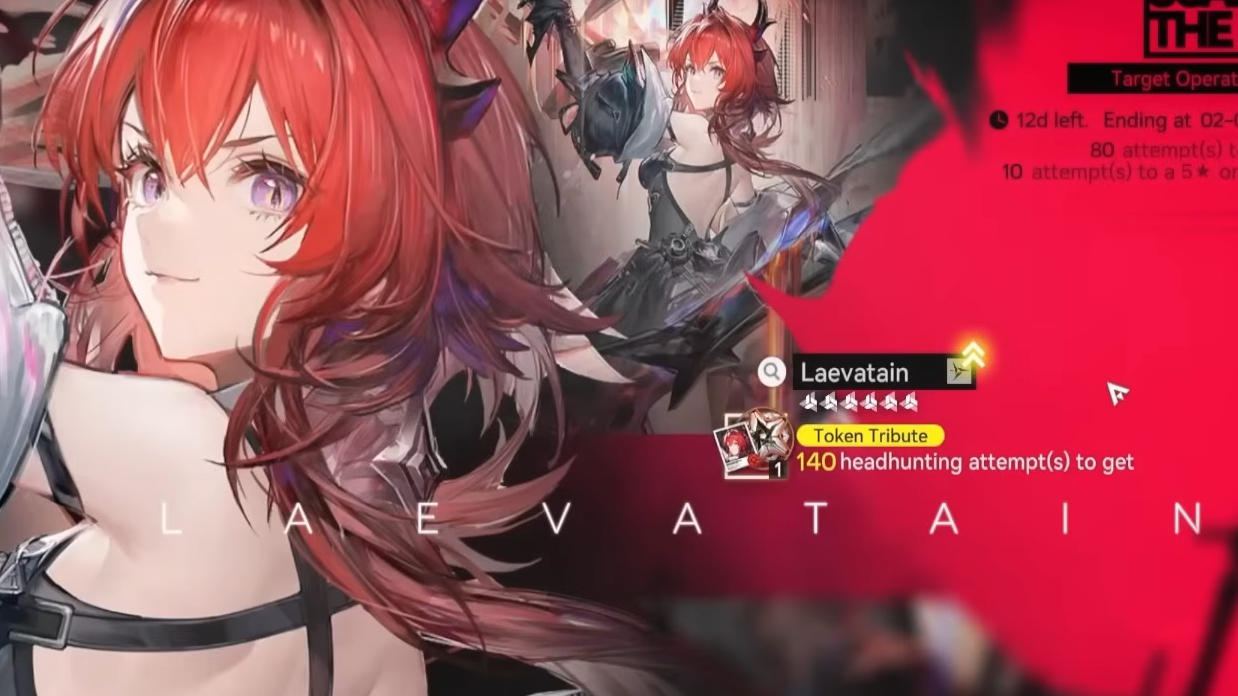
Second, starting with Laevatain’s launch banner, there is a separate Urgent Recruitment mechanic at global release: once you reach 30 paid pulls on that banner, you get a one-off 10-pull that does not count toward any pity and also does not spend any of your pity counters. It is treated as an isolated roll sequence that cannot push you over 80 or 120, but can still spit out good results.
In both cases, the intent is to sweeten the sting of going deep into a banner, not to rescue a failed pity path.
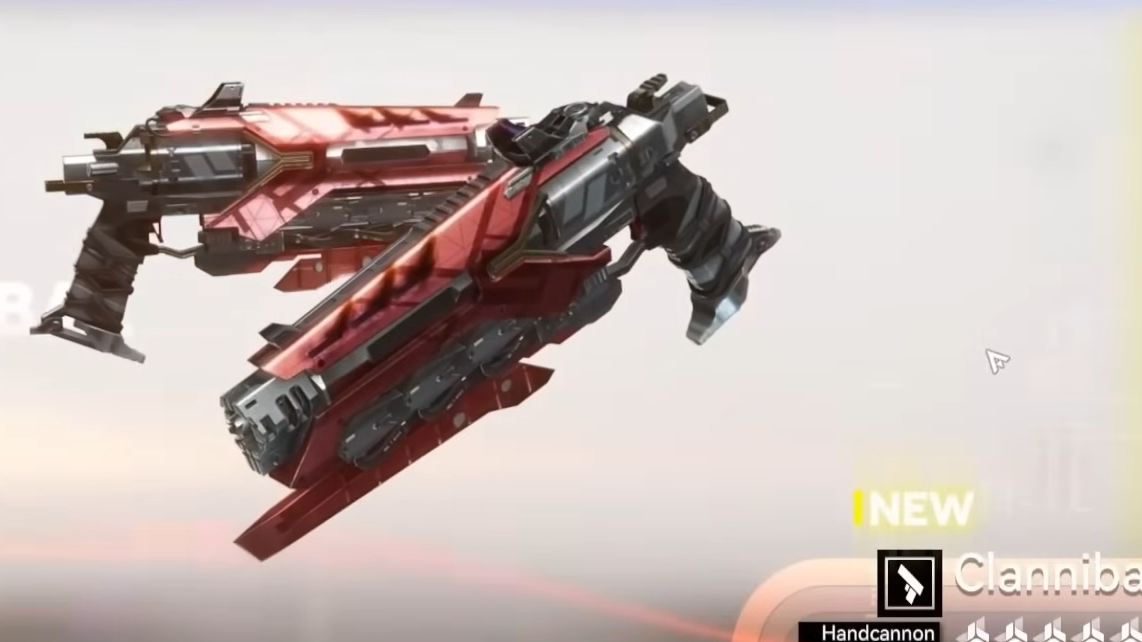
Standard banner: simpler pity, very slow selector
The permanent Basic Headhunting banner mirrors much of the limited banner math but strips away the 50/50 and 120-spark:
- Same 0.8% / 8% / 91.2% base rates.
- Same 65-pull soft pity and 80-pull hard pity for 6★.
- Same 10-pull 5★ guarantee.
Differences:
- No rate-up 6★. Any 6★ comes randomly from the five standard 6★s, all at equal weight.
- No 120-pull featured guarantee. There is no “spark” on the standard banner.
- 300-pull selector. After 300 pulls on the Basic banner, you earn a one-time choice of any standard 6★ from its roster.
That 300-pull selector is a very long-term safety net rather than something you actively plan around for short-term targets. The main practical use of the standard banner is to slowly round out your core roster, while limited banners deliver the newest units.
Beginner banner: New Horizons
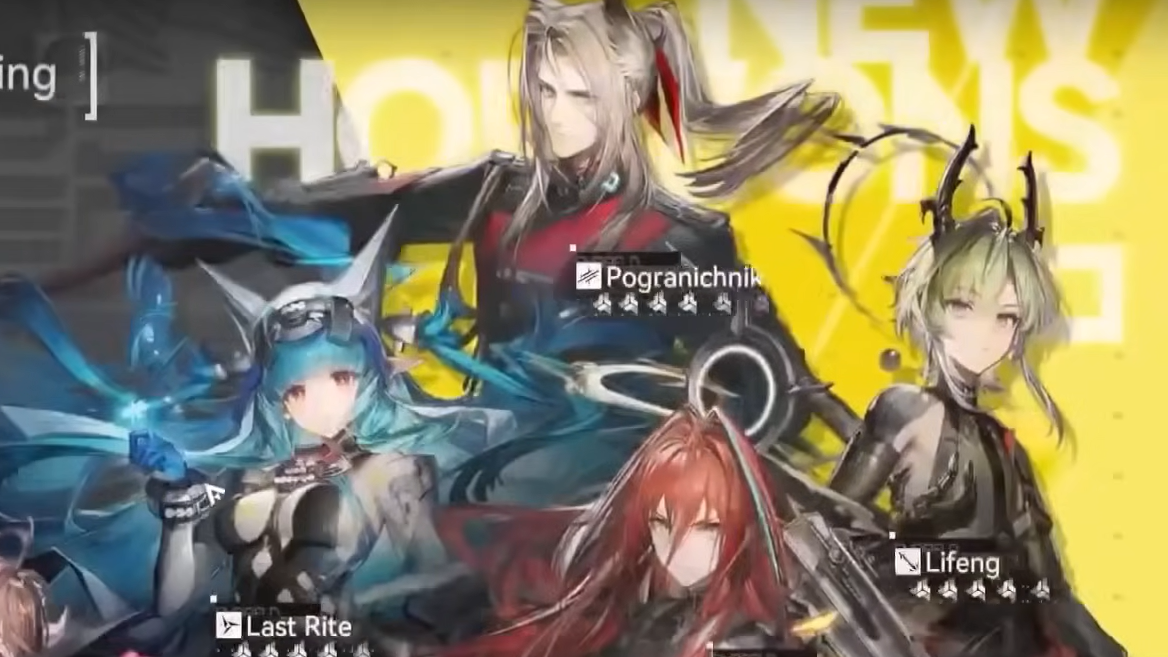
New players also see a time-limited beginner banner called New Horizons Headhunting. It uses a separate ticket type and:
- Offers the same base rates as other character banners.
- Provides four 10-pulls as you clear early story quests like “Break the Siege” and “Secure Sanctuary”.
- Guarantees at least one 6★ across those four multis, but not more than that.
You can get lucky and see a 6★ before the final 10-pull. If that happens, the fourth 10-pull no longer has a guaranteed 6★. You still keep the standard pity behavior inside that banner; you are just no longer protected by an additional hard floor.
Weapon gacha: high rates, low mercy
The Arsenal Exchange system is its own ecosystem. You cannot single-pull; every weapon roll is a 10-pull priced at 1,980 Arsenal Tickets.
Base weapon rates:
| Weapon rarity | Base chance per weapon |
|---|---|
| 6★ weapon | 4% |
| 5★ weapon | 15% |
| 4★ weapon | 81% |
Among 6★ weapons, each drop has a 25% chance to be the banner’s featured weapon and 75% to be one of the other 6★s. Weapon pity is more straightforward than character pity but also far less forgiving because no weapon pity carries between banners at all.
Weapon pity thresholds
- Every 10 pulls: at least one 5★ weapon.
- Every 40 pulls: at least one 6★ weapon. The 25% / 75% split between featured and non-featured still applies.
- First 80 pulls: if you haven’t obtained the featured 6★ weapon by then, the next 6★ is guaranteed to be featured. This is a one-time safeguard for that banner.
On top of this, the system layers an Arms Offering loop at higher investment levels:
| Total weapon pulls | Bonus reward |
|---|---|
| 100 pulls | Arms OC: Smelting Forge – choose any non-featured 6★ weapon |
| 180 pulls | Guaranteed featured 6★ weapon |
| 260 pulls | Arms OC: Smelting Forge again |
| 340 pulls | Guaranteed featured 6★ weapon again |
After 180 pulls, the pattern simply alternates every 80 pulls – selector, featured, selector, featured – but always within that specific weapon banner. None of these counters transfer when the Arsenal banner changes.
Finally, the Arsenal shop lets you bypass gacha for some weapons. Standard 4★, 5★, and some 6★ weapons periodically appear for direct purchase with Arsenal Tickets. Limited featured weapons do not appear there; they live exclusively behind the weapon gacha.
How character pulls and weapons interact
Character pulls and weapon pulls are linked two ways:
- Every character 10-pull generates a predictable floor of Arsenal Tickets – at least 380 from the guaranteed 5★ and nine 4★s, plus more when you hit 6★s.
- Origeometry can be converted into either Oroberyl (for characters) or Arsenal Tickets (for weapons), effectively letting spenders rebalance between the two tracks.
This design means getting a character early on their banner has an awkward tradeoff. You save Oroberyl, but you also generate fewer Arsenal Tickets from that banner, which can slow progress toward their signature weapon. Conversely, slamming all 120 pulls into a character banner virtually guarantees a comfortable Arsenal Ticket stockpile for their weapon, but only if you are willing to keep pulling beyond the point where you already own the unit.
Practical pull strategy: how to play around this system
Most of Endfield’s pain points show up when players treat it like more forgiving gachas and “throw a few pulls” at a banner. The mechanics strongly reward a different mindset.
For limited characters:
Step 1: Decide whether you care about the featured 6★ more than whatever might appear in the next banner or two. Chartered units never move into the standard pool; after three banners they vanish except for reruns.
Step 2: Count your pulls. Add everything you can reasonably earn from current events and the patch window. If that total is lower than 120, understand that you are gambling purely on 0.8% plus soft pity and the 50/50 – there is no structural safety net.
Step 3: If you can cross 120, treat the character as effectively costing 120 pulls in the worst case and less when you get lucky. You can start pulling earlier if you are sure you can finish, but don’t let yourself be trapped at 90 pulls with no realistic way to close.
Step 4: Remember that the 80-pull 6★ pity is global to that banner type. If you end a banner at, say, 60 pulls without a 6★, you will hit a 6★ very early next time – but that 6★ will still be a 50/50 and does nothing for a new banner’s 120 guarantee.
For weapons:
Step 1: Treat signature weapons as luxury, not baseline. The weapon pity is unforgiving, and nothing carries over; if you know you cannot reach at least the 80-pull featured safeguard, it is safer to skip.
Step 2: Track Arsenal Tickets from your character pulls before you go into weapon gacha. Because weapons require 1,980 tickets per 10-pull, rough targets are:
- 40 pulls → 7,920 tickets → one guaranteed 6★ (25% to be featured).
- 80 pulls → 15,840 tickets → first guaranteed featured 6★ if you were unlucky before.
- 100 pulls → 19,800 tickets → first Arms Offering selector.
Step 3: Check the Arsenal shop before rolling. If a strong non-limited weapon for your character is available for a flat ticket price, buying it is often cheaper than chasing a single limited 6★ weapon through the gacha.
Endfield’s gacha setup is not built for casual, impulsive pulling. It rewards players who treat Oroberyl and Arsenal Tickets as long-term budgets, who are willing to skip multiple banners, and who enter a banner only when they can see a clear path to the relevant pity thresholds. Understanding which counters carry over – the 10-pull 5★ and the 80-pull 6★, but not the 120 or any weapon pity – is the difference between controlled planning and watching dozens of pulls disappear into a gap between banners.