

CODE VEIN II’s combat is built around a tight loop: land weapon hits to set up blood-draining actions, convert that drain into Ichor, then spend Ichor on Formae while managing stamina and your Partner bond.
Quick answer: In most fights, you’ll alternate Weapon Action to build wounds, Revenant Action (Drain Attack via your Jail) to gain Ichor, then spend Ichor on Formae while keeping LP high so Link Traits stay active.
Weapon Action (melee fundamentals)
Weapon Action is the baseline melee layer. You can swap between different weapons during combat, and each weapon’s reach and moveset changes how you take space, punish openings, and keep pressure up.
Weapon hits also matter for your resource economy. Damaging enemies “wounds” them, which sets up better returns when you follow with a Drain Attack that generates Ichor.
Revenant Action: the Jail and Drain Attacks
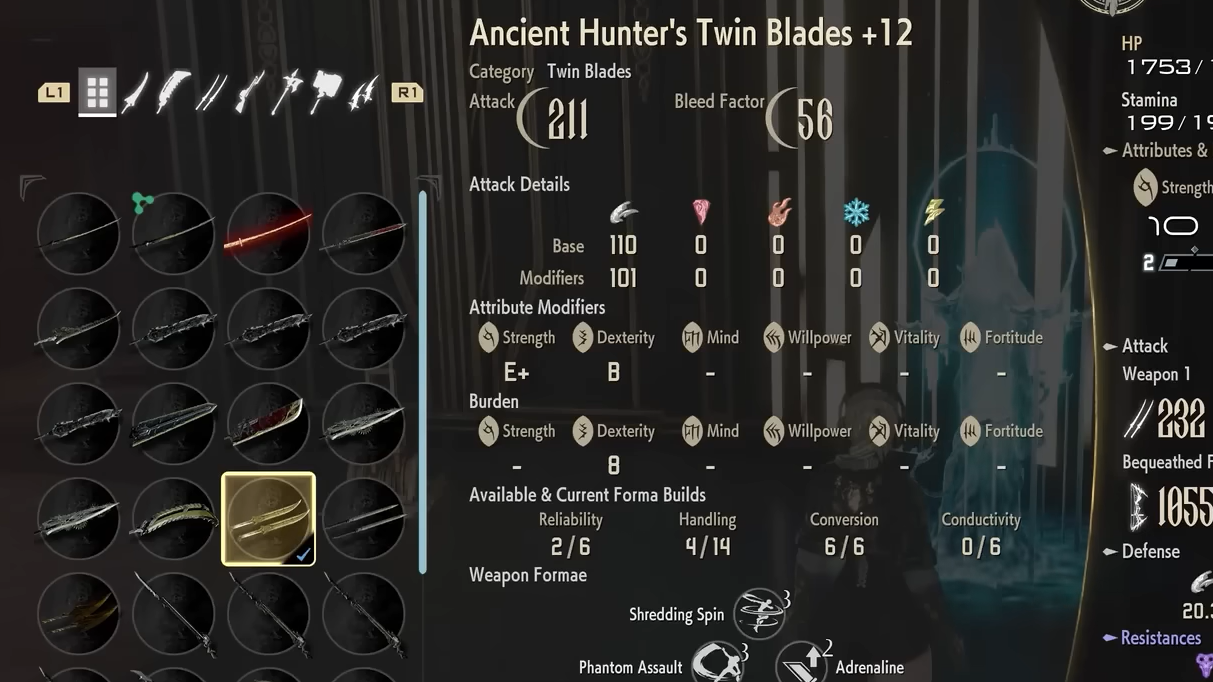
Revenant Action is the game’s vampiric spike. You channel power through the Jail and perform Drain Attacks that both hit hard and siphon blood to create Ichor.
Ichor is the key combat resource. It’s required to activate Formae, so Drain Attacks aren’t optional flourish moves; they’re the bridge between your basic swings and your strongest actions.
Ichor: what it is and how you get it
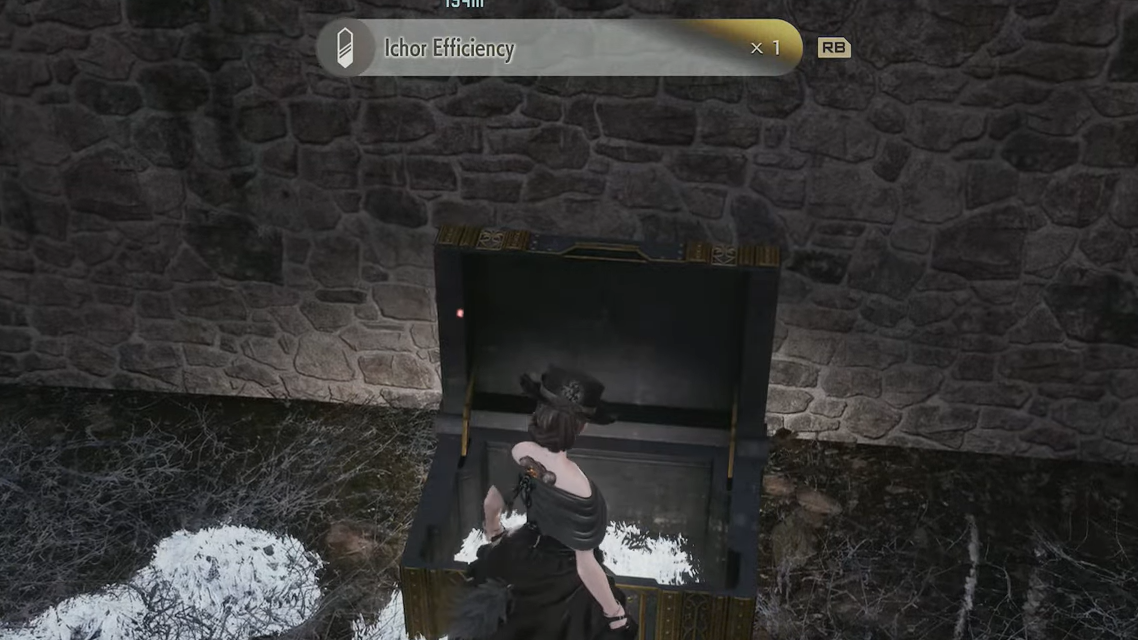
Ichor is the resource you spend on Formae. The most direct way to refill it is to weave Drain Attacks into your offense. Partners can also contribute by draining enemies themselves and sharing a portion of the absorbed blood with you, restoring a small amount of your Ichor.
The practical implication is simple: if you stop converting openings into drains, you lose access to the tools that define your build.
Formae: skills powered by Ichor
Formae are Revenant abilities that consume Ichor. They cover offense, defense, and evasion, and they’re designed to be used mid-fight rather than saved for rare moments.
Formae are grouped into three functional categories.
Weapon Formae (up to four per weapon)
Weapon Formae are equipped directly onto a weapon, with up to four slotted at once. They fall into three subtypes:
- Combat Formae for weapon-based attacks that extend or amplify melee pressure.
- Magic Formae for longer-range attacks.
- Support Formae for buffs and enhancements.
This is the layer that turns a weapon type into a build, since the same weapon can play differently depending on which Formae you attach.
Bequeathed Forma (summoned weapon strike)
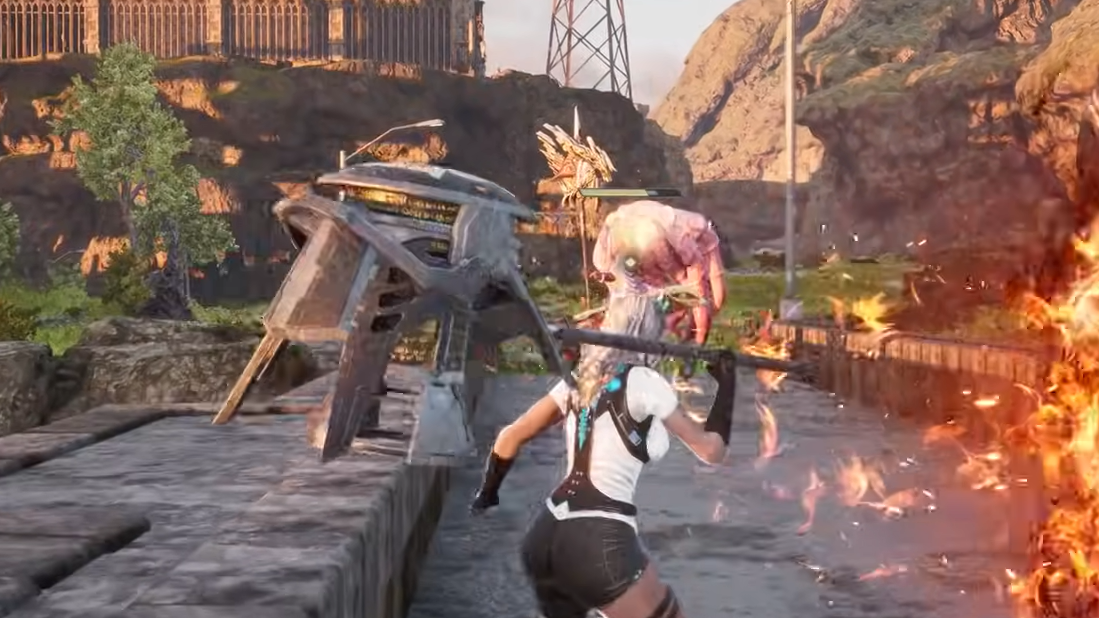
Bequeathed Forma is the “summon a weapon” category. Activating one calls a unique weapon into battle for a single, high-impact attack. The summon takes time, so it’s generally used to convert a safe opening into a finishing-level hit.
Defensive Formae (your equipped defensive action)
Defense in CODE VEIN II is routed through Defensive Formae. You equip one option at a time, choosing between a Guard, a Counter, or a special Evasive Maneuver.
That choice shapes your risk profile in a fight because it determines what “safe” looks like: blocking through pressure, turning attacks into counters, or repositioning with a unique evade.
Weapon types (seven categories)
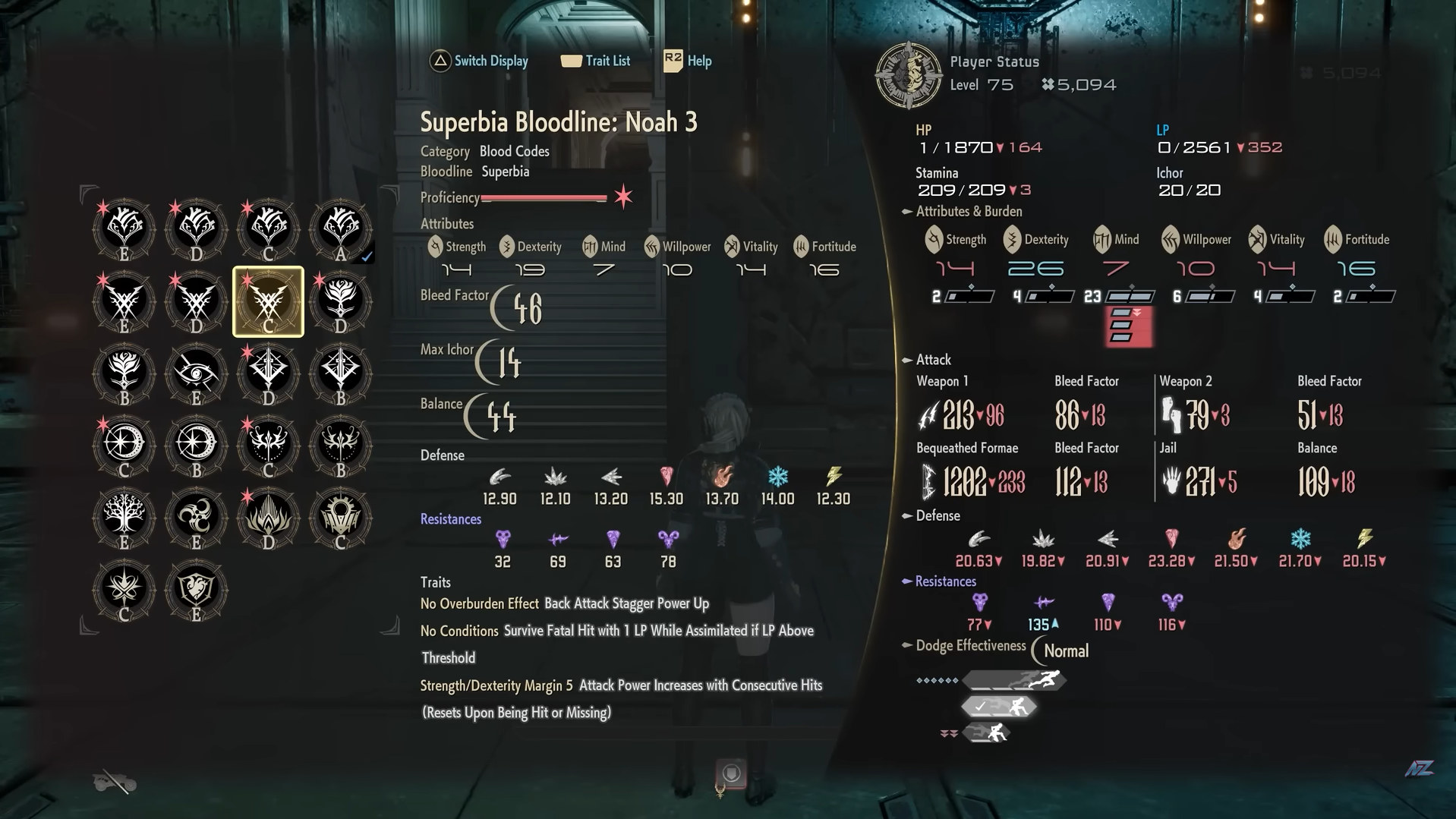
There are seven weapon types that define your baseline moveset and scaling direction:
- One-Handed Swords
- Two-Handed Swords
- Bayonets
- Halberds
- Hammers
- Twin Blades
- Rune Blades
Even within a single weapon type, speed, reach, and combo flow can vary, which is why swapping weapons mid-combat can be more than a cosmetic choice.
Stamina and positioning (the shared cost)
Stamina is the common constraint across movement and defense. Dodging, blocking, and activating Defensive Formae all draw from the same pool, and running dry at the wrong moment reliably converts into damage taken.
Enemy attacks also tend to punish constant backpedaling. Side dodges, circling, and staying close enough to capitalize on openings are safer patterns than repeatedly retreating.
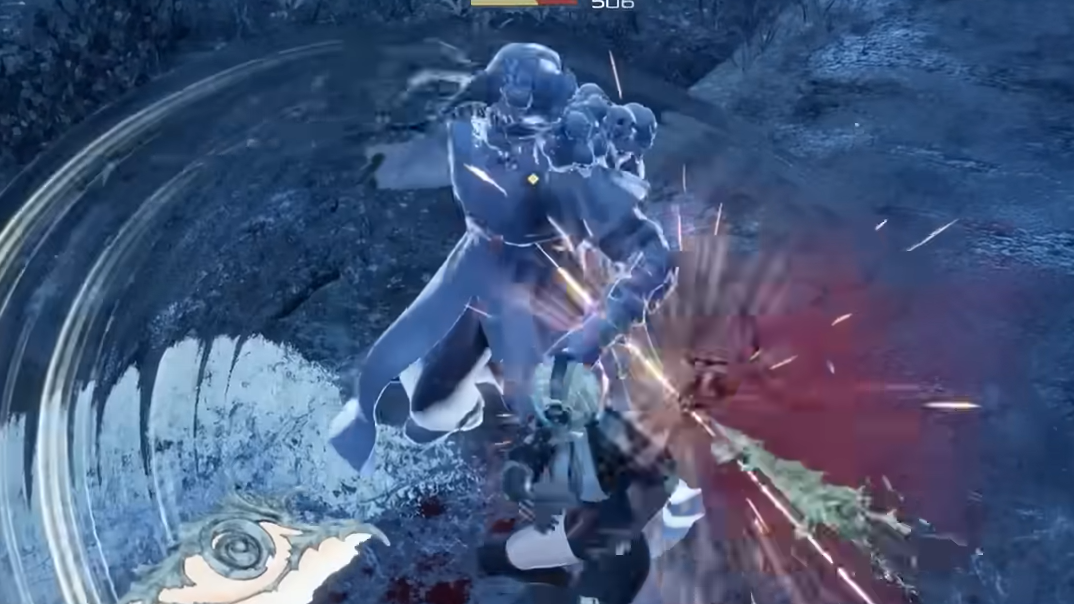
Partner System: Summoning vs Assimilation
The Partner System has two modes that you can swap between during play:
- Summoning puts your Partner on the field as an independent combatant. They attack, support, and help manage groups with pressure and flanks.
- Assimilation stores your Partner in the Jail on your back, merging with them to increase your stats. This mode is framed for tougher one-on-one encounters where raw stats matter more than having a second body drawing attention.
HP and LP: how damage and healing are prioritized
CODE VEIN II tracks two main survivability resources:
- HP (yellow), your health.
- LP (blue), your bond with your Buddy.
Damage is applied to LP first. Only when LP is depleted does HP start dropping. Healing effects restore HP first, and any healing beyond max HP then refills LP.
This creates a clear mechanical incentive: staying topped up isn’t only about survival; it’s also how you maintain the bond-dependent advantages that partners grant.
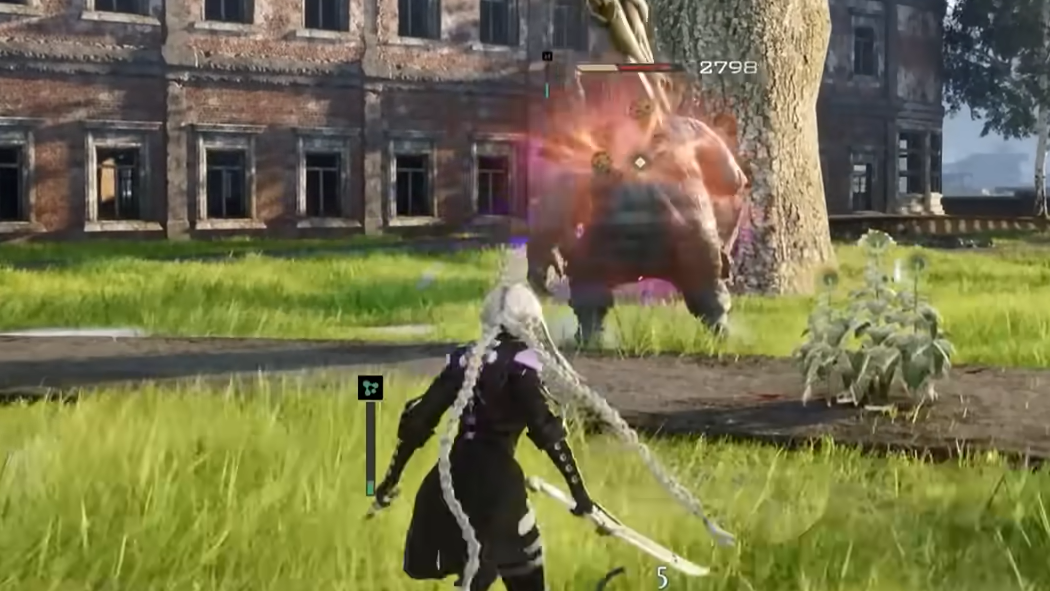
Partner Actions: Drain Attacks / Formae and Restorative Offering
Partners participate in the same ecosystem you do. They can perform their own Drain Attacks and use unique Formae for offense and support, and a portion of the blood they absorb is shared with you as Ichor recovery.
Partners can also trigger Restorative Offering when your HP hits zero, restoring you. After it activates, the Partner is incapacitated briefly and can’t immediately repeat the action.
Link Traits and Partner Trait Bonuses
Partners provide two layers of passive effects:
- Link Traits are special effects that apply in combat and exploration, but only while your bond is strong. If LP is broken by taking enough damage, Link Traits stop until LP is restored.
- Partner Trait Bonuses are passive bonuses that remain active as long as that character is accompanying you, with additional effects unlocked by deepening your relationship.
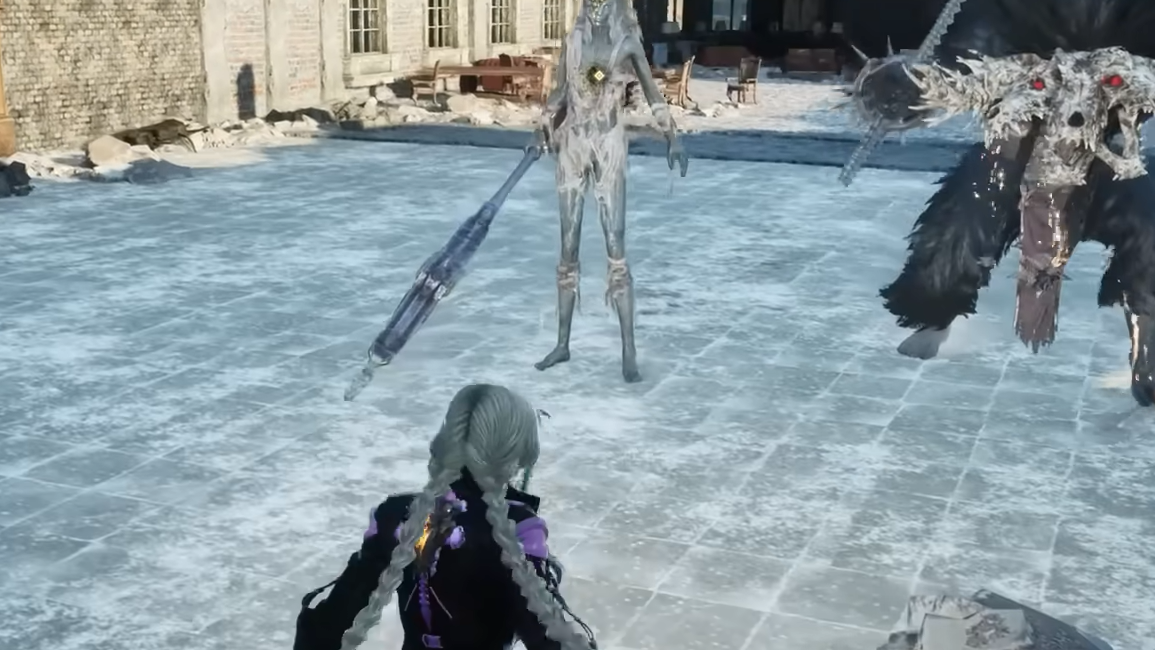
Partner traits (what each one changes mechanically)
| Partner | Weapon | Drain Attack | Link Trait | Mechanical emphasis |
|---|---|---|---|---|
| LOU | One-Handed Sword | Bat | Ichor recovery when hit | Defense-oriented support; uses “Prismatic Veil” (elemental resistance) and “Forma Extension” (longer buffs); Bequeathed Forma “Battle Axe: Idris’s Conceit” slows nearby enemies. |
| JOSÉE | Two-Handed Sword | Hound | Increases Defense and Balance while charging an attack | Trades blows for staggers; “Unquenchable Flame” for group pressure; “Precision” to make enemies easier to break. |
| LYLE | One-Handed Sword | Reaper | Gain Ichor upon a successful dodge | Evasion-focused attacker; “Raikasen” lightning strike; “Overdrive” boosts Attack Power for both characters until one is hit. |
| HOLLY | Bayonet | Stinger | Increased activation speed when using formae | Long-range consistency with bayonet fire and ice Magic Formae; “Glacious Barrage”; “Panacea’s Essence” cures status ailments. |
| NOAH | Twin Blade | Ogre | Reduced stamina consumption | Close-quarters tempo; “Deep Impact” helps stagger; “Morale Boost” increases maximum Stamina. |
| VALENTIN | Rune Blade | Bat | Activate Formae by sacrificing HP when Ichor is depleted | Formae-heavy technical play; Magic Formae like “Blast Bolt EX” and “Bloody Impact”; “Forma Prowess” increases Formae activation speed for both characters. |
| Lycoris | Rune Blade | Ivy | Elemental Attack Power Up | Elemental magic focus with ice Formae like “Guard of Honor” and “Ice Spikes”; support “Bridge of Glory” increases Attack power based on Mind. |
| Iris | Hammer | Reaper | Defense Up | Aggressive hammer assaults like “Dive Bomb” and “Gaia Impact”; support “Perfect Balance” improves resistance to Disruption on the next hit. |
| Zenon | Halberd | Hound | Perfect guards deflect and disrupt enemies; parries are easier | Front-line technical partner; “Heliosphere” builds “Sunblight” for large damage when filled; support “Regenerator” improves regeneration amount. |
Defensive Formae and parrying requirements
Parrying is not a default universal action. It’s tied to specific Defensive Formae. For example, Mutinous Bracer is a Defensive Formae that enables parries, and successful parries require tight timing just before an enemy attack connects.
Blocking similarly depends on having a shield-type Defensive Formae equipped and holding it to negate damage, with stamina as the ongoing cost.
When all of these layers click, combat stops being a sequence of isolated moves and becomes a resource pipeline. Weapon hits create opportunities, Drain Attacks turn those opportunities into Ichor, Formae convert Ichor into burst or utility, and the Partner system forces constant tradeoffs between field presence, stat boosts, and maintaining LP so your Link Traits don’t blink off mid-fight.