

Crimson Desert handles gear progression differently from most RPGs. There are no character levels, no experience bars, and no traditional quest-reward loops that hand you flat stat boosts. Instead, your equipment — and the NPCs who help you improve it — drive how powerful you become. Blacksmiths are among the most important service NPCs in the game, letting you craft, upgrade, and modify weapons and armor using materials gathered from hunting, mining, and combat.
Quick answer: The first blacksmith in Crimson Desert is located in the City of Hernand. A second blacksmith has been spotted in the area around Pywel, where witches can also help upgrade weapons.
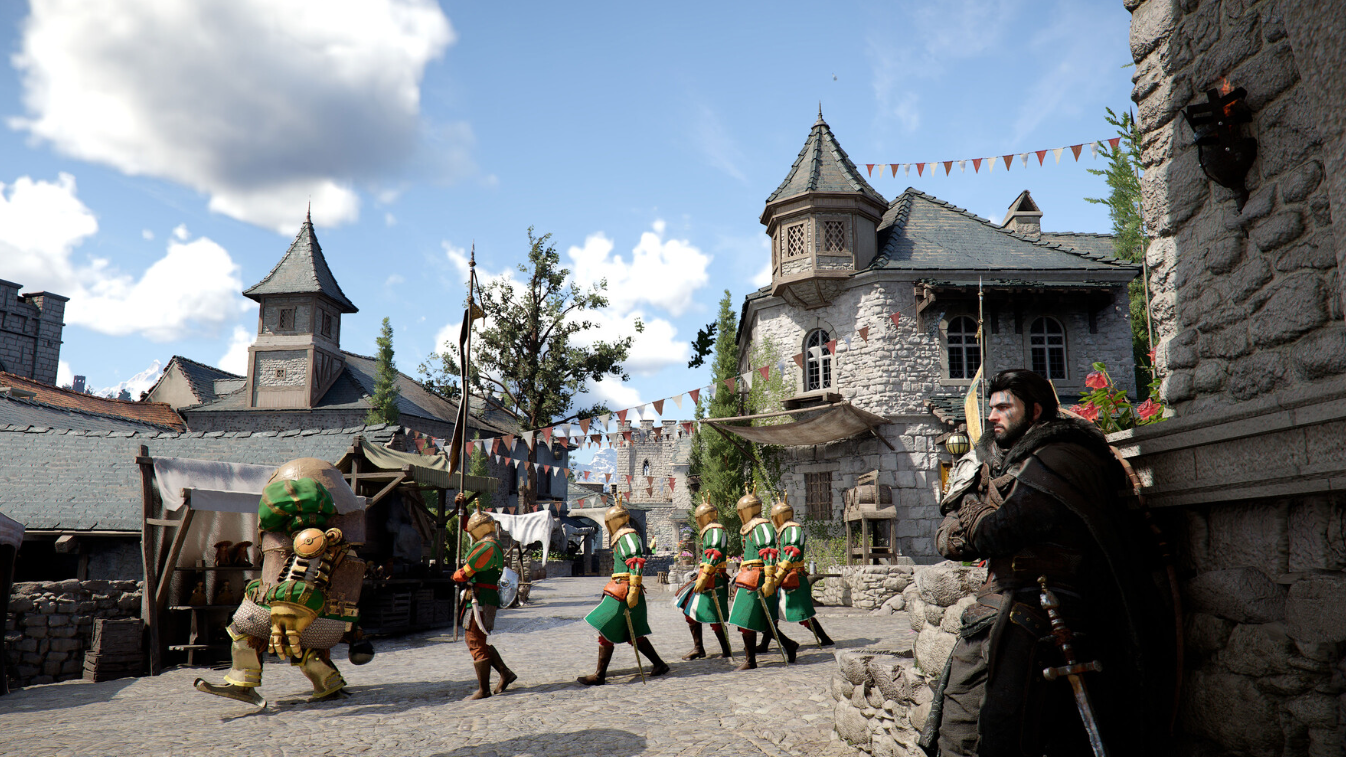
City of Hernand — First Blacksmith Location
Hernand is the earliest confirmed city where you can access a blacksmith. Because Crimson Desert lacks a leveling system, reaching a blacksmith early matters more than it would in a traditional RPG. Gear you craft or upgrade here directly determines how comfortably you handle enemies in the first region and beyond. The blacksmith in Hernand can craft gear and likely perform basic upgrades, though the full scope of available services may expand as you progress into harder regions.
To gather the materials you need before visiting the blacksmith, focus on three activities: hunting wildlife, mining resource nodes, and looting defeated enemies. Boss enemies in particular drop gear that is generally stronger than what normal foes carry, and leftover equipment from any source can potentially be broken down into crafting components.
Pywel — Additional Blacksmith and Witch Services
A second blacksmith location has been confirmed in the vicinity of Pywel. This area also features witches who can assist with weapon upgrades, suggesting that different NPC types offer distinct upgrade paths. The blacksmith likely handles physical crafting and modification, while witches may provide enchantment-style bonuses or alternative stat adjustments. Exact details on how these two services differ remain limited, but having both available in one area gives players flexibility in how they build out their loadout.
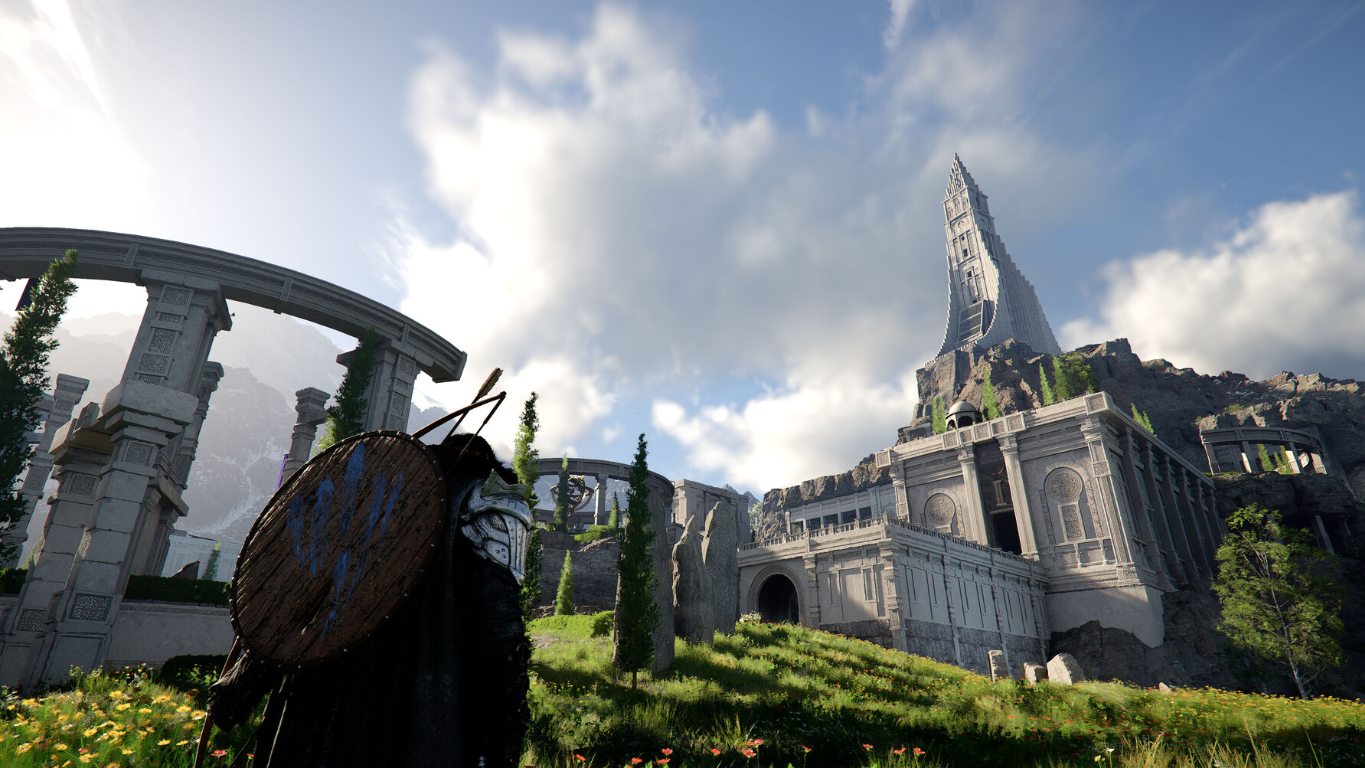
How Blacksmiths Fit Into Crimson Desert's Progression
Crimson Desert is built around five major regions, each with its own difficulty tier. Enemies do not scale to your power — they stay fixed to their region's challenge level. That means gear you craft at a blacksmith in an earlier zone will eventually be outclassed as you push into tougher territory. Vendors and blacksmiths in later regions are expected to offer stronger options, more materials, and broader upgrade paths.
| Progression Pillar | How It Works |
|---|---|
| Gear drops | Bosses drop unique, powerful equipment; normal enemies drop usable gear and crafting materials |
| Blacksmith crafting | Craft and upgrade gear using gathered materials; potentially as strong as boss drops |
| Abyss artifacts | Found through exploration, quests, and strongholds; grant flat stat bonuses like HP, stamina, and likely damage |
| Abyss gear socketing | Slot jewels into weapon and armor sockets for passive stat bonuses such as attack speed |
| Enchanters | Apply socketed jewels to gear for additional passive benefits |
| Observing enemies | Watch enemy and NPC combat moves to learn new skills for your own kit |
Blacksmith crafting sits alongside boss farming and artifact hunting as a core way to grow stronger. Players who prefer gathering — through hunting, smithing, and mining — can potentially produce gear that rivals what drops from elite enemies. Skipping these systems entirely and rushing the main story is technically possible, but doing so leaves you significantly underpowered for later regions.
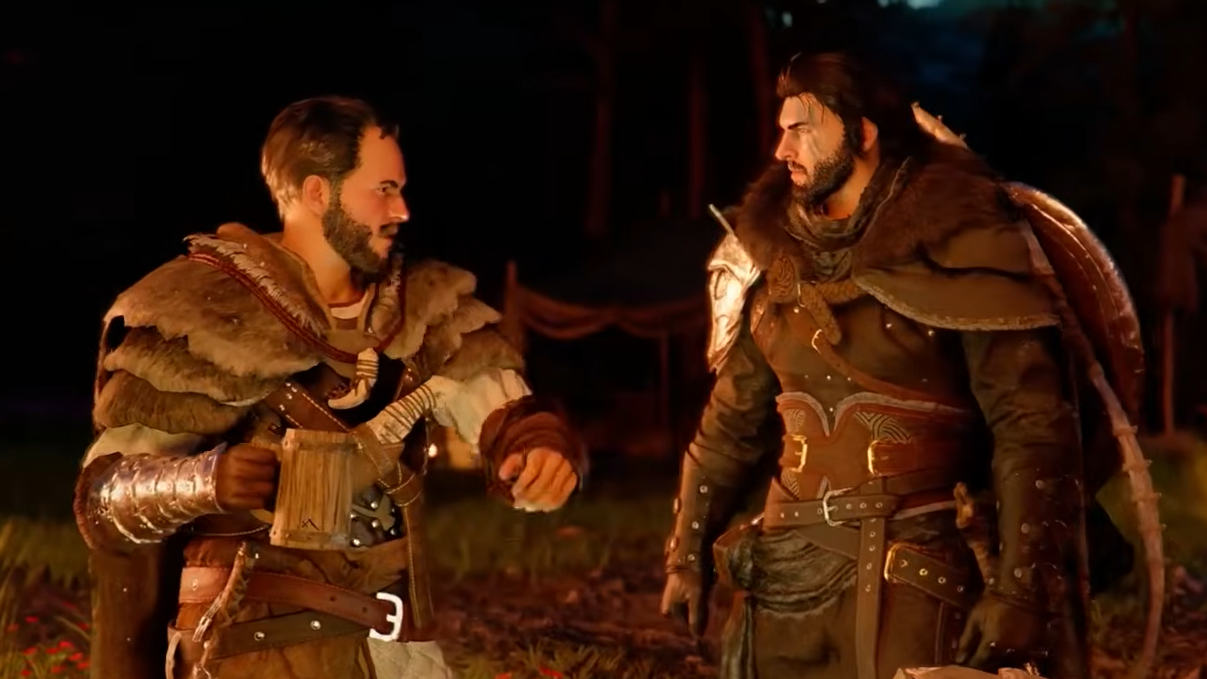
NPC Schedules and Finding Blacksmiths in the World
NPCs in Crimson Desert follow structured daily routines rather than standing in one spot permanently. Blacksmiths work at their forges during daytime hours, meaning you need to visit during the right part of the in-game day cycle. If you arrive at night, the blacksmith may have left the forge for their home or another location. Farmers, townspeople, and other NPCs follow similar patterns, moving between workplaces, residences, and public spaces throughout the day.
What Blacksmiths Cannot Do
Blacksmiths handle physical gear crafting and upgrades, but they are not the only upgrade NPC you need. Enchanting — specifically slotting abyss jewels into gear sockets — appears to be handled by a separate enchanter NPC. Weapons have been shown with up to three jewel slots, and armor and shields may support sockets as well. Visiting a blacksmith alone won't maximize your gear's potential; you'll want to seek out enchanters and, in Pywel's case, witches to round out your build.
Hernand and Pywel are the only two confirmed blacksmith locations so far. As players explore deeper into Crimson Desert's five regions, additional blacksmiths in later-game settlements are expected, each likely offering access to higher-tier crafting recipes and materials that match the difficulty of their surrounding area.