

Crimson Desert features large-scale dragon and wyvern encounters scattered across the continent of Pywel. These massive creatures inhabit specific regions and serve as challenging combat encounters that test your mastery of the game's action-oriented combat system. Players control Kliff, a member of the Greymanes mercenary group, as they navigate a medieval fantasy world filled with rival factions, mythical creatures, and dangerous wildlife.
Quick answer: Dragon and wyvern encounters appear in designated nest locations such as Desolate Wyvern Nest and Wyvern's Cradle, marked as occupied territories controlled by "The Wyvernheart" faction.
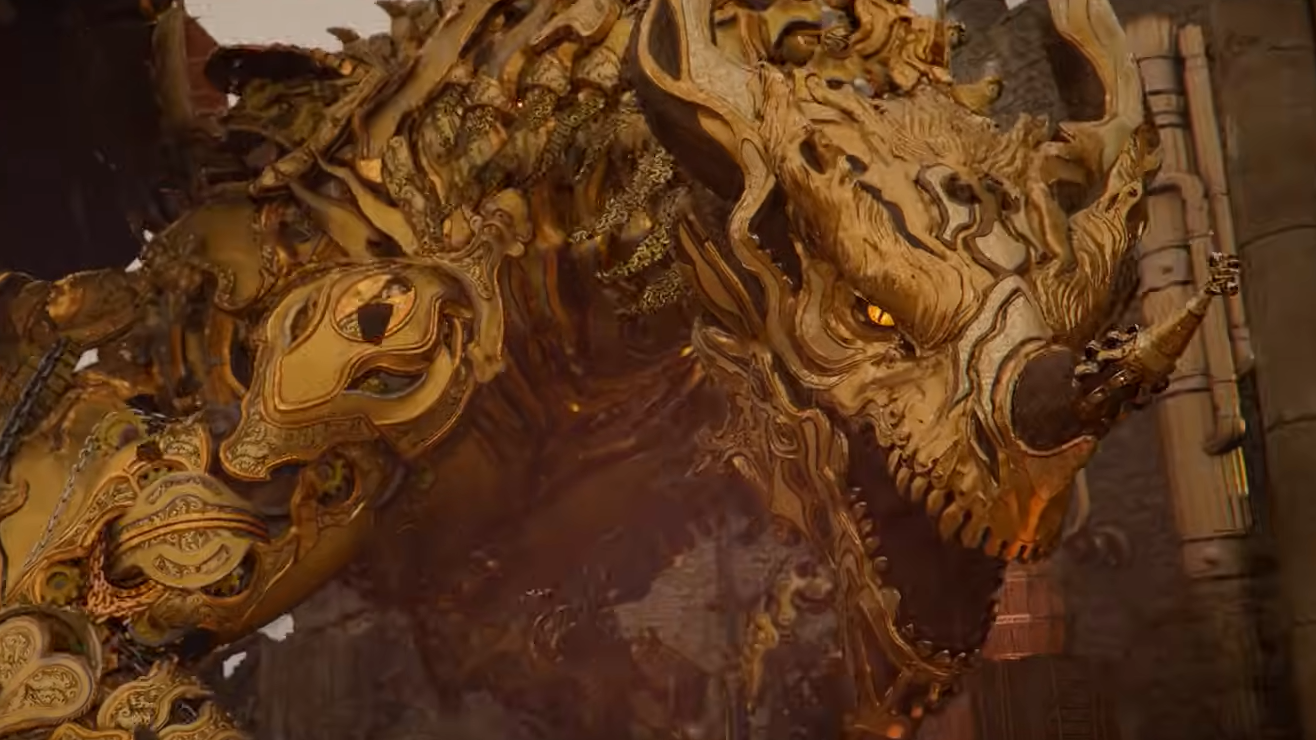
Wyvern Nest Locations
The open world contains multiple wyvern territories that players can discover during exploration. Each nest functions as an occupancy zone with a completion percentage, similar to bandit camps and other enemy strongholds.
Key wyvern locations include:
| Location Name | Occupancy Faction | Status |
|---|---|---|
| Desolate Wyvern Nest | The Wyvernheart | 100% occupied |
| Wyvern's Cradle | The Wyvernheart | 91.11% occupied |
These territories appear on the map with clear indicators showing the controlling faction and completion status. The Wyvernheart designation suggests these creatures operate as a distinct faction within the game's territory control system, separate from human enemies like bandits or the Black Bears.
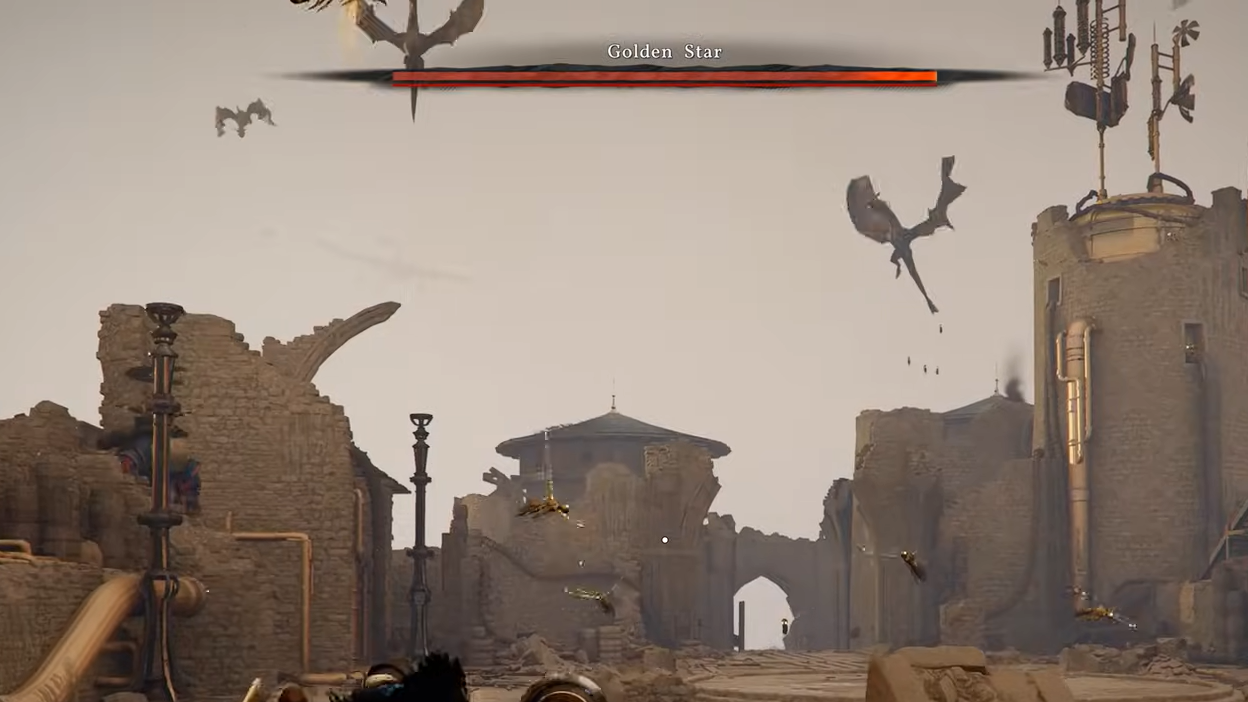
Dragon Combat Mechanics
Combat against dragons and wyverns utilizes the same core mechanics as standard encounters, but on a much larger scale. The BlackSpace Engine powers dynamic combat sequences that combine melee attacks, combo chains, and strategic positioning.
Players can engage in horseback combat when approaching these creatures, using mounted attacks before dismounting for close-quarters fighting. The combat system includes:
- Standard attack chains with light and heavy strikes
- Defensive options including blocking, parrying, and dodging
- Special abilities unlocked through the skill tree system
- Elemental weapon enhancements for additional damage types
- Stamina management for sustained offensive pressure
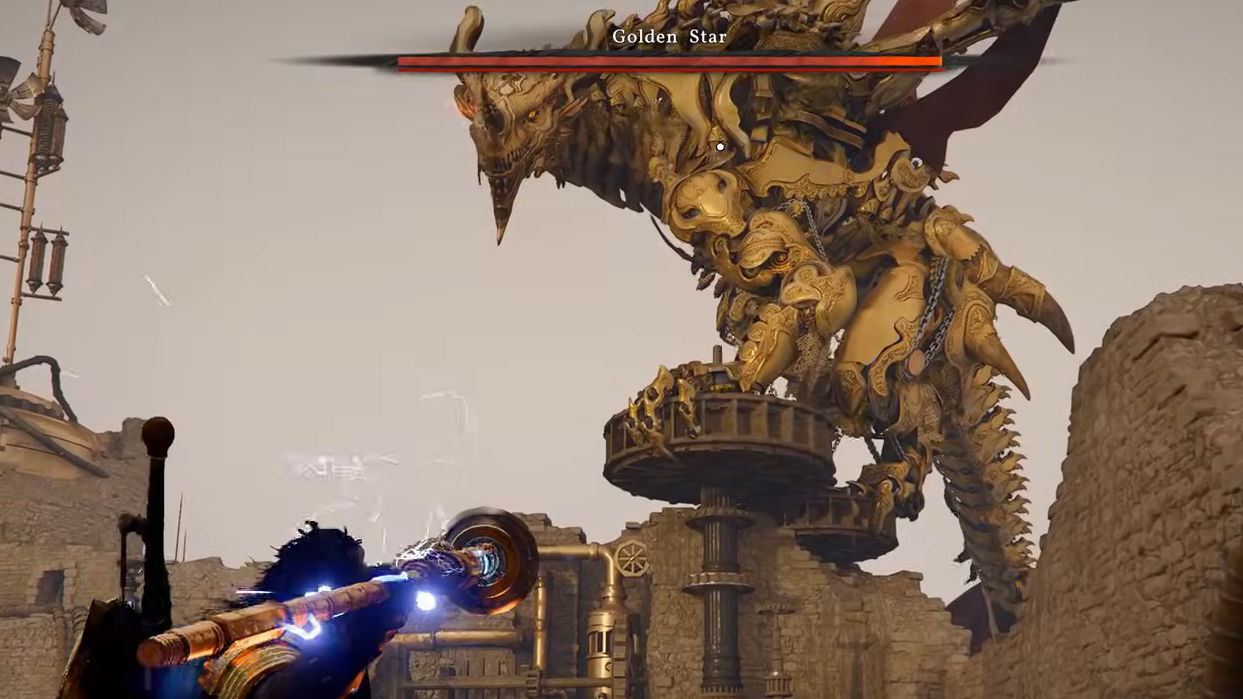
Boss encounters feature multi-phase battles where dragons transition between attack patterns as their health depletes. These fights demand careful resource management, particularly healing items, as the extended duration can exhaust your supply of consumables.
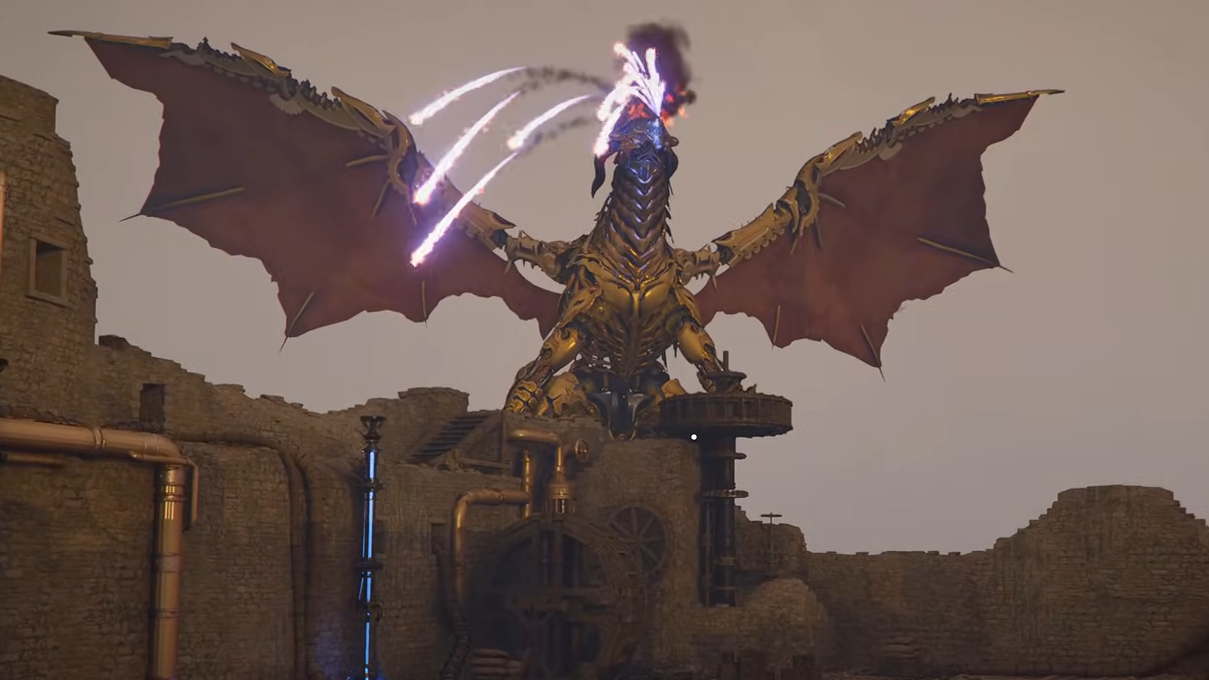
Character Preparation
Successful dragon encounters require proper character development and equipment optimization. The skill tree system offers multiple progression paths that enhance combat effectiveness against large enemies.
Core stats that affect dragon combat performance:
| Stat Category | Combat Impact |
|---|---|
| Attack Power | Base damage output per strike |
| Defense | Damage reduction from enemy attacks |
| Critical Rate | Frequency of high-damage critical hits |
| Attack Speed | Combo execution speed and DPS |
| Stamina | Sustained action capacity before exhaustion |
| Spirit | Special ability resource pool |
The skill tree includes mobility enhancements such as gliding and grappling abilities that help navigate around large enemies. Combat-focused skills unlock shield bashes, dropkicks, and other specialized attacks that create openings in enemy defenses.
Elemental resistance stats (Fire, Ice, Lightning) provide protection against dragon breath attacks and magical damage types. Leveling these resistances reduces incoming damage from elemental sources during prolonged encounters.
Region Liberation System
Dragon territories integrate with the broader region liberation mechanics that govern territorial control across Pywel. Clearing wyvern nests contributes to overall regional stability and unlocks rewards similar to bandit camp liberation.
When you successfully clear an enemy-controlled area, the game displays a "Region Liberated" notification indicating that the territory now belongs to the Greymanes faction. This system applies to all occupancy zones, including dragon nests, bandit camps, and enemy fortifications.
Liberation provides tangible benefits:
- Contribution experience points toward faction reputation
- Access to previously restricted areas and resources
- Reduced enemy presence in surrounding regions
- Potential quest progression tied to territorial control
The occupancy percentage visible on the map indicates how much of a region remains under enemy control. Reducing this percentage to zero completes the liberation process and triggers the region transfer.
Combat Challenges and Design
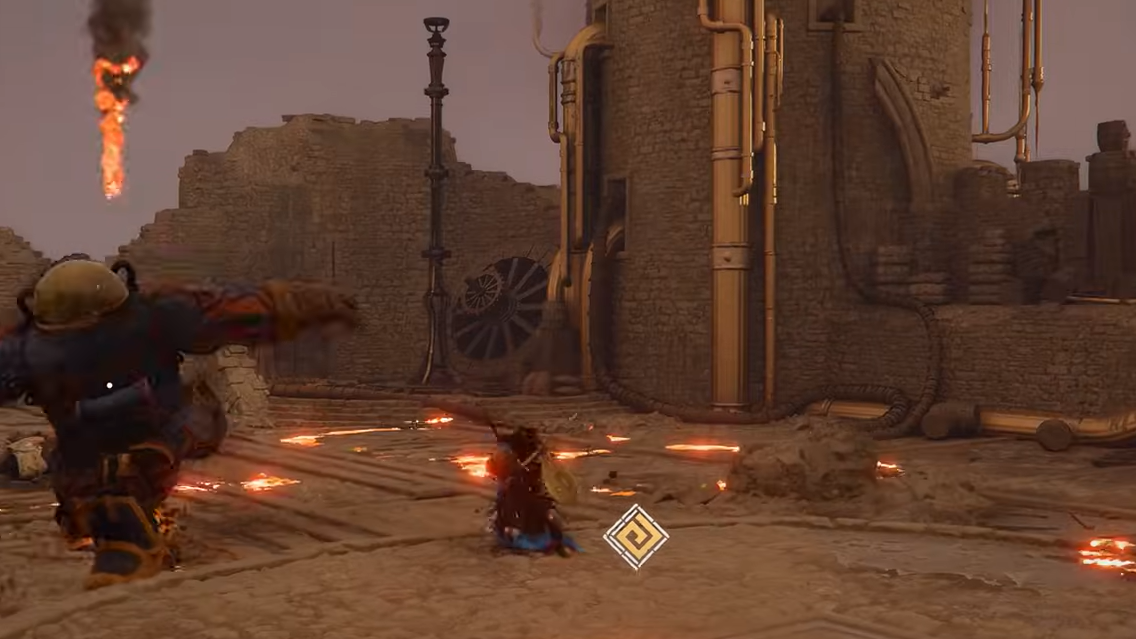
Dragon encounters exemplify the game's approach to boss design, which emphasizes endurance and resource management over mechanical precision. These fights feature extended durations with multiple enemy waves and phase transitions that test your ability to sustain offensive pressure.
Common challenges during dragon battles include:
- Large groups of additional enemies spawning during the fight
- Limited opportunities to disengage and recover stamina
- Area-of-effect attacks that cover wide zones
- Phase transitions that reset positioning and momentum
- Resource depletion from prolonged combat duration
The combat system prioritizes animation commitment over instant responsiveness, meaning attacks and defensive actions follow through their full animation sequences. This creates a deliberate, weighty feel to combat that requires anticipation rather than reactive play.
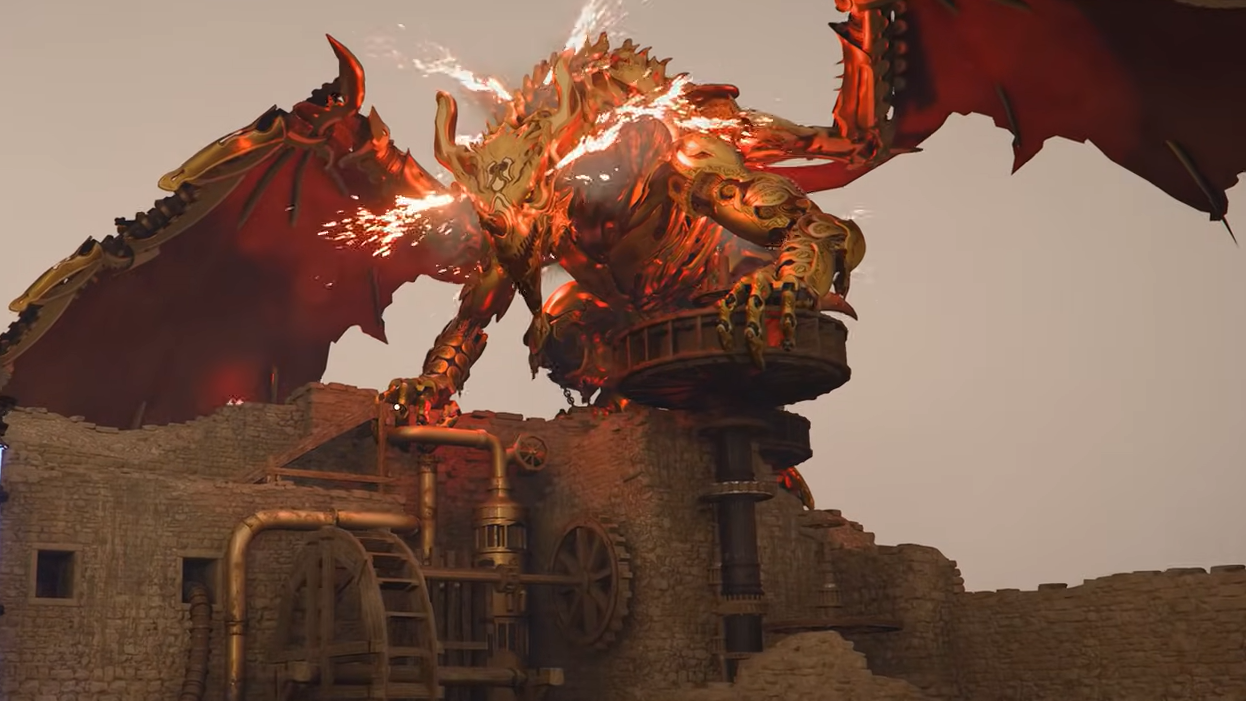
Boss fights often include environmental objectives such as destroying totems or planting flags while under constant enemy pressure. These mechanics add complexity beyond pure combat execution and require strategic positioning to complete safely.
Open World Integration
Dragon encounters exist within the seamless open world of Pywel rather than isolated arena spaces. This integration allows players to approach wyvern nests from multiple directions and potentially retreat if overwhelmed.
The world design emphasizes verticality and environmental traversal. Players can use gliding mechanics to approach elevated nest locations or escape dangerous situations. The grappling hook ability enables rapid repositioning across long distances and vertical surfaces.
Environmental factors affect combat encounters:
- Terrain elevation provides tactical advantages for ranged attacks
- Natural obstacles create cover and break line of sight
- Weather conditions alter visibility and movement speed
- Time of day affects NPC behavior and encounter difficulty
The dynamic world simulation means NPCs follow daily routines and patrol patterns. This creates opportunities to scout wyvern territories before engaging, observing attack patterns, and identifying optimal approach routes.
Technical Performance
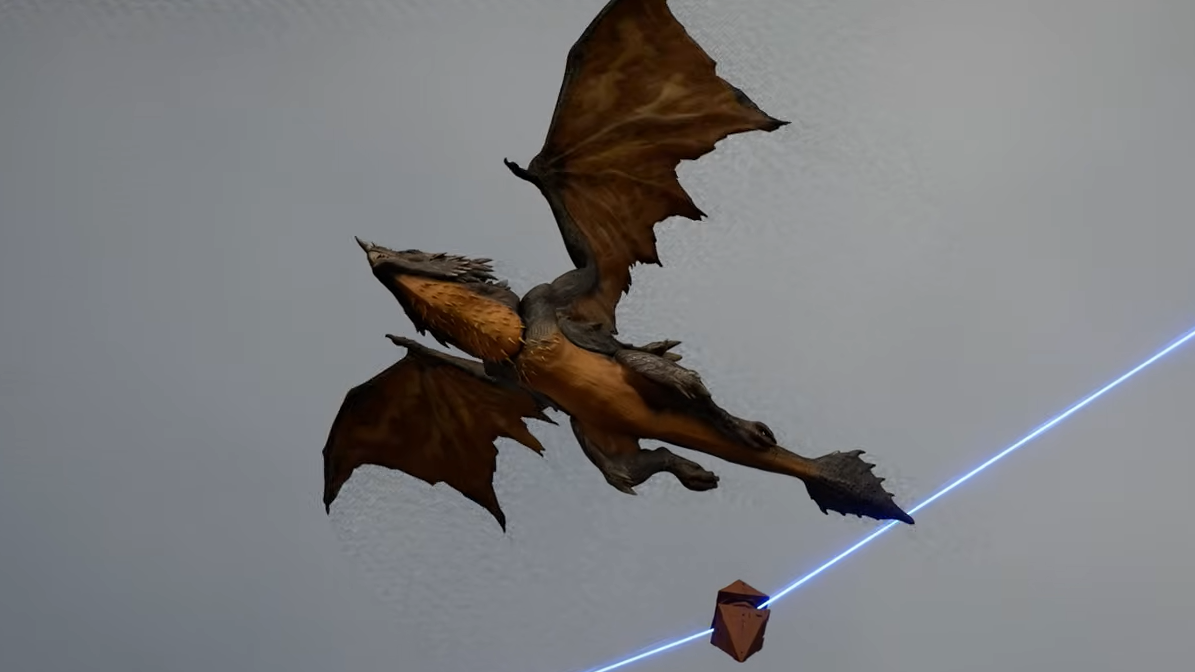
Dragon encounters showcase the BlackSpace Engine's capability to render large-scale enemies with detailed animations and particle effects. The engine maintains visual fidelity during intense combat sequences with multiple active elements on screen simultaneously.
Performance varies across platforms. PC versions support advanced graphics technologies, including FSR 3/4, DLSS 4/4.5, ray reconstruction, and frame generation. PlayStation 5 Pro utilizes upgraded PSSR technology for enhanced visual quality, while the base PlayStation 5 employs FSR 3 upscaling.
Console performance modes offer different tradeoffs:
| Mode | Target Performance | Visual Quality |
|---|---|---|
| Performance | 60 FPS target | Reduced resolution and effects |
| Balanced | 40 FPS target | Medium resolution and effects |
| Quality | 30 FPS lock | Maximum resolution and effects |
Frame rate stability can fluctuate during large-scale encounters with numerous enemies and particle effects. Performance mode prioritizes smooth frame delivery but reduces visual detail, while quality mode maximizes graphical fidelity at lower frame rates.
The game launched on March 19, 2026, for PlayStation 5, Xbox Series X/S, Windows, and macOS. Cross-save functionality is not supported, meaning progress remains locked to individual platforms.