

Crimson Desert does not include adjustable difficulty settings. There is no easy mode, no hard mode, and no slider to tweak. Developer Pearl Abyss has committed to a single, unified difficulty curve for every player.
Quick answer: Crimson Desert has one fixed difficulty level. You control how challenging the game feels by upgrading your gear and choosing when to tackle tougher zones and bosses.
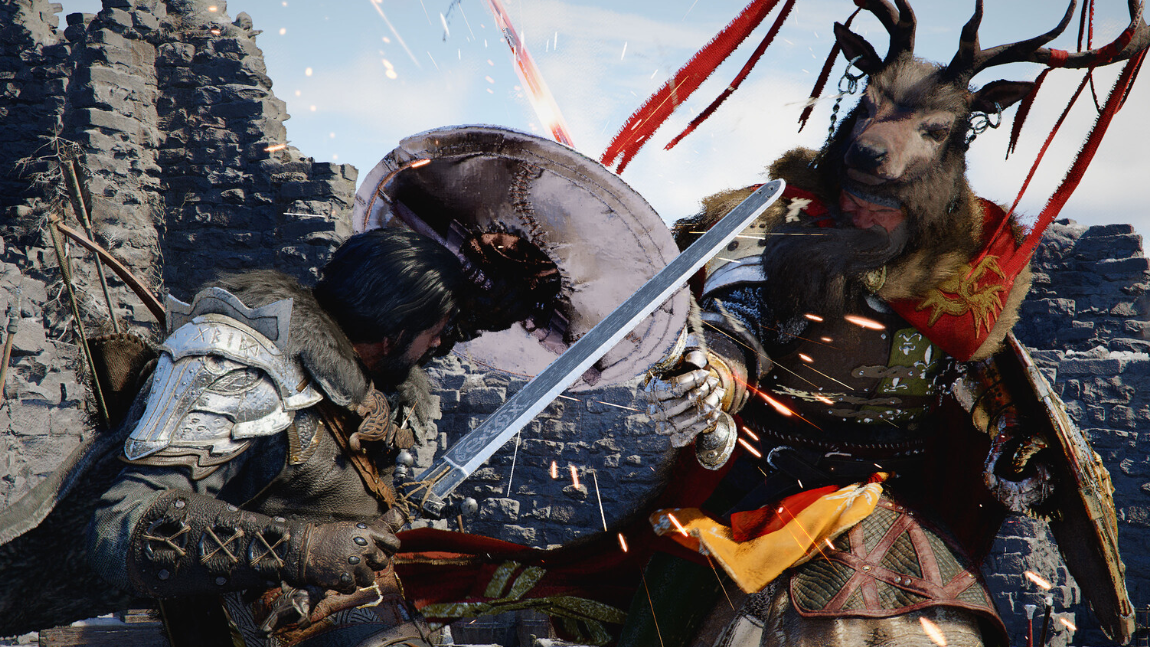
Why Pearl Abyss removed difficulty options
For a while, the PlayStation Store listing for Crimson Desert included "difficulty settings" under its accessibility features. That listing turned out to be an error that persisted for several months. In February 2026, the PS Store page was updated to remove the mention entirely, leaving only game speed, control reminders, tutorial reminders, game pausing, and manual saving as accessibility options.
Will Powers, Pearl Abyss's Director of Marketing for Crimson Desert, addressed the confusion directly. He explained that the answer on difficulty had shifted over the game's development, but the final stance is clear: there is a single difficulty curve, and enemies in the world have set, non-scaling power levels. The game is not designed to be brutally hard or trivially easy. Instead, it aims to offer a wide variety of content and let you decide your own path through the world of Pywel.
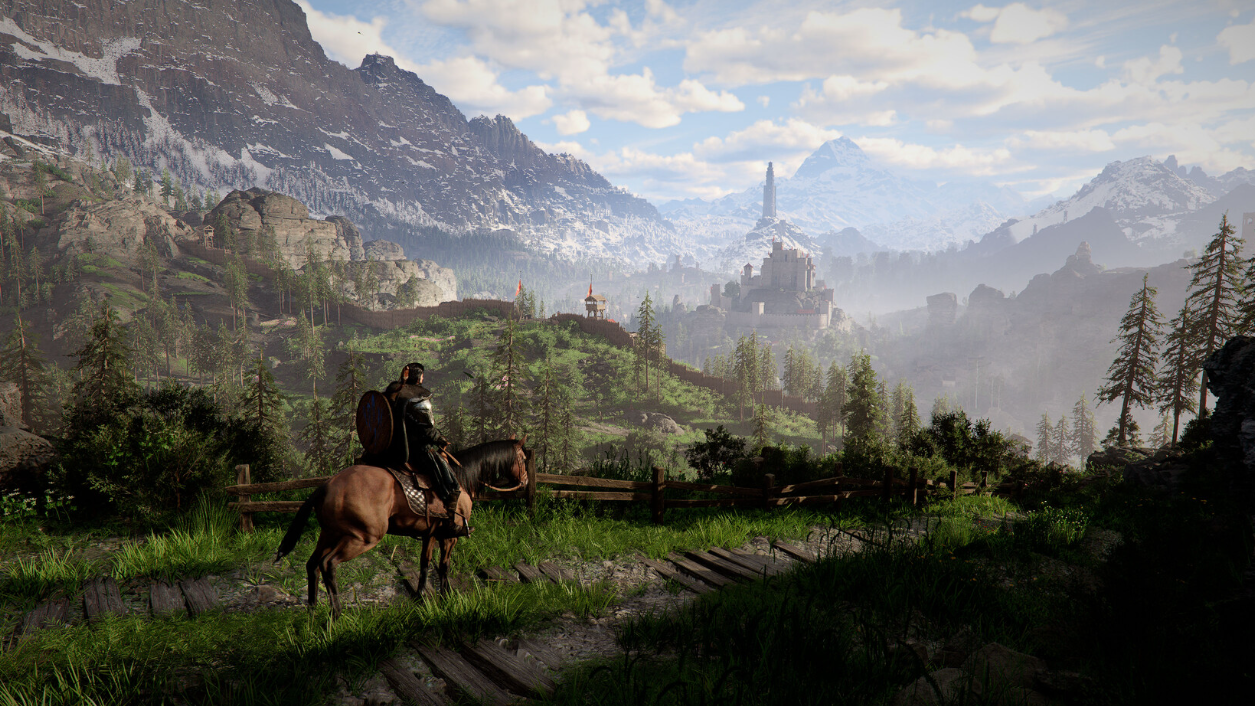
How difficulty actually works in Crimson Desert
Rather than toggling a menu option, you shape your own experience through gear progression and exploration choices. Each region of the open world contains enemies and bosses tuned to specific power levels. Early areas are manageable with starting equipment, while later zones demand significantly upgraded gear.
| Mechanic | How it affects difficulty |
|---|---|
| Gear levels | Crafting, finding, and earning better gear raises your power. Higher-level gear lets you overpower enemies in lower-tier zones. |
| Leveled zones | Each area has enemies at a fixed power level. Wandering into a high-level zone early will be punishing; returning later with upgraded gear makes it far easier. |
| Boss encounters | Bosses have set levels and do not scale to your power. You can overlevel past them by investing time in side content and gear upgrades before attempting the fight. |
| Healing items | You can "over-prepare" by stocking up on consumables. Limiting your healing supplies is one way to make fights harder on yourself. |
| Save system | You can save the game at any point and do not lose progress on death, unlike Soulslike titles with checkpoint-based systems. |
The key takeaway is that time investment replaces a difficulty toggle. If a boss or region is giving you trouble, you can explore elsewhere, gather materials, upgrade your equipment, and return stronger. If you want a tougher experience, you push into challenging zones without over-leveling first and carry fewer healing items.
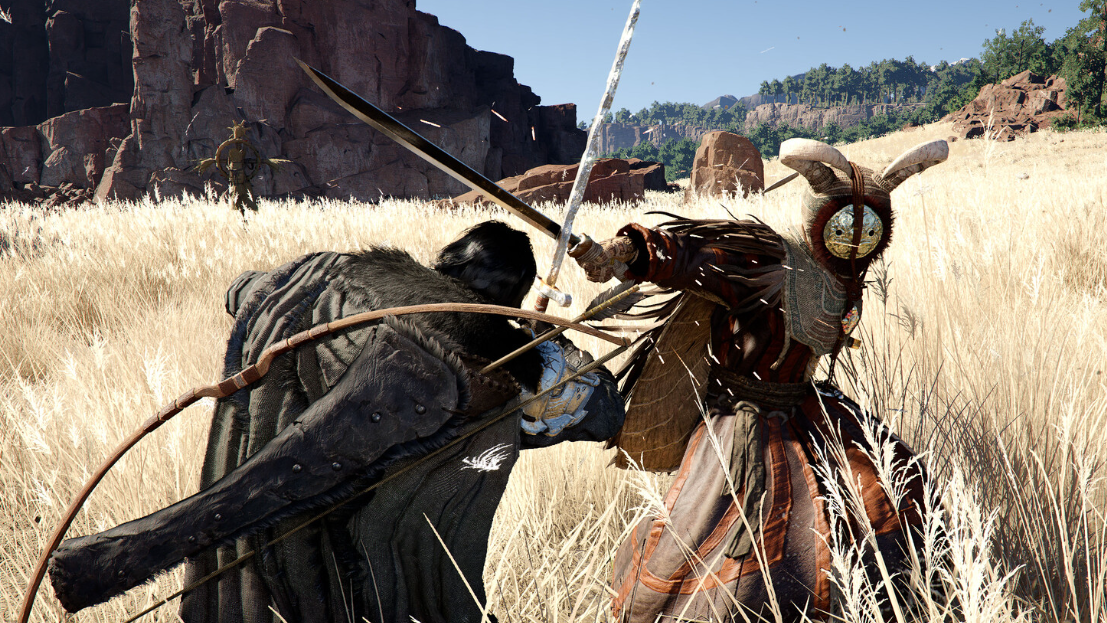
Crimson Desert is not a Soulslike
The lack of difficulty settings has understandably drawn comparisons to FromSoftware's catalog, but the two design philosophies are quite different. Crimson Desert does not feature tight dodge and parry windows that demand memorizing enemy attack patterns. It does not use a checkpoint-based save system where death sends you back to a bonfire. And it does not strip you of resources when you die.
A closer comparison would be The Legend of Zelda: Breath of the Wild or Tears of the Kingdom, where the open world naturally gates difficulty through regional enemy strength. You can stumble into a zone that's far above your current power, get crushed, and come back later when you're better equipped. The same logic applies to games like Dragon's Dogma 2 or Kingdom Come: Deliverance II, where character growth through gear and skills determines how hard any given encounter feels.
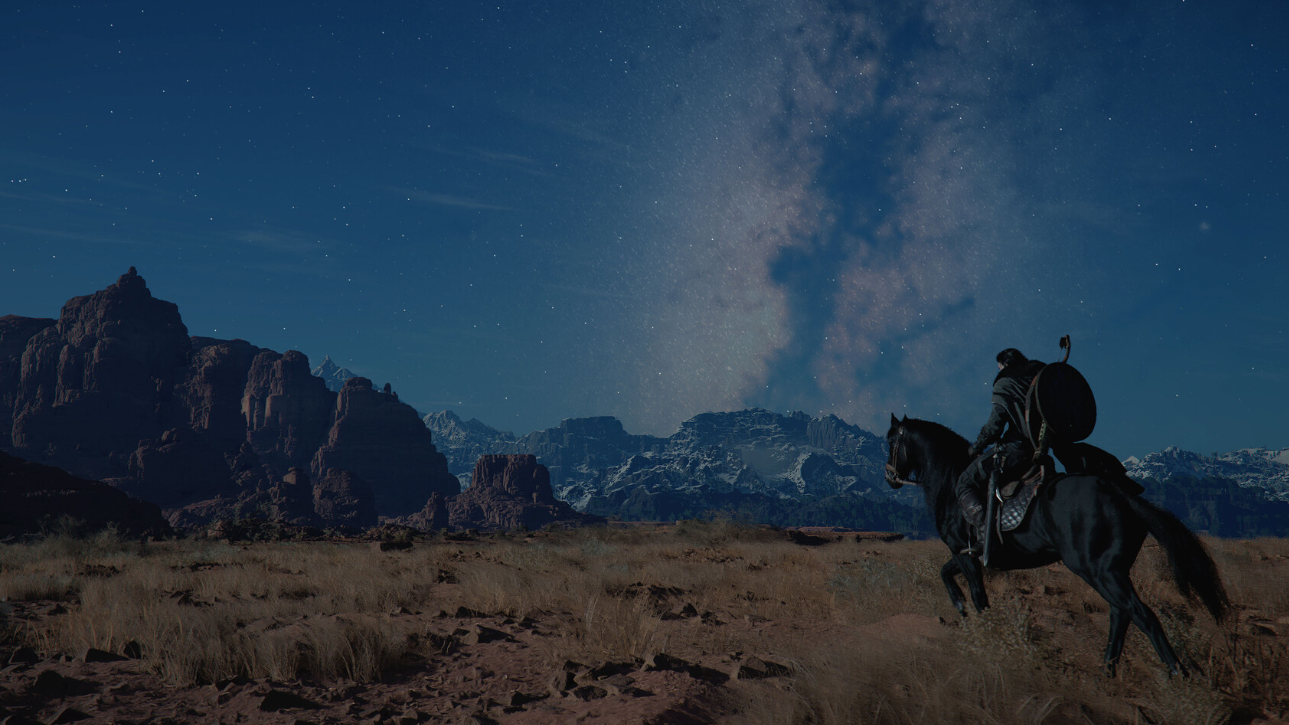
Tips for managing the challenge
The early hours of Crimson Desert are likely to feel the most difficult. Kliff and the other playable characters start without a proper camp or strong equipment, so the opening stretch demands patience. As you progress, your Greymane camp expands and provides resources for crafting and upgrading gear, creating a snowball effect that makes later content progressively more manageable.
For players who want an easier time, the strategy is straightforward: invest in side content before tackling main story bosses. Explore the world, gather materials, upgrade your equipment, and stock up on healing consumables. Since bosses sit at fixed levels, pushing your gear above that threshold effectively creates your own easy mode.
For players who want more of a challenge, the opposite applies. Push into main story content without over-leveling, carry fewer consumables, and avoid grinding for gear upgrades. You can also equip weaker gear intentionally to keep fights tense.
Could difficulty options come later?
Pearl Abyss has not announced any plans to add difficulty settings post-launch. However, other games that launched without them — Lies of P being a notable example — eventually patched in accessibility options after community feedback. Whether Pearl Abyss follows that path will likely depend on player reception after the game's March 19, 2026, launch.
On PC, there's also the question of modding. Crimson Desert runs on a brand-new proprietary engine built by Pearl Abyss, which means modding tools and community knowledge will take time to develop. Console players won't have that option at all, making the fixed difficulty a permanent part of the experience on PlayStation 5 unless the developer decides to act.
For now, the design intent is clear. Pearl Abyss wants you to engage with Crimson Desert's world — its side quests, crafting systems, camp upgrades, and exploration — as the mechanism for controlling how hard or easy the game feels. The difficulty isn't locked behind a menu. It's woven into how you choose to play.