

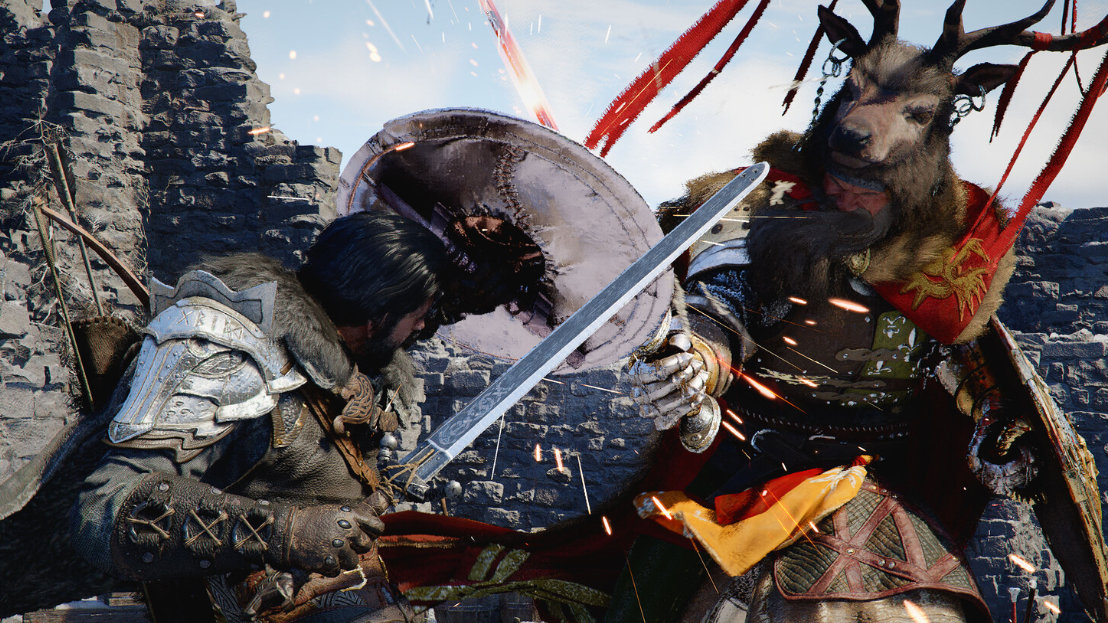
Crimson Desert launches March 19, 2026, as a single-player open-world action adventure with no microtransactions or cosmetic cash shop. Pearl Abyss confirmed the game will ship as a premium one-time purchase, with future DLC or expansions considered only if player demand warrants it. The studio aims to deliver a complete experience at launch, distinguishing Crimson Desert from its MMO predecessor Black Desert Online.
Release time: March 19, 2026 (00:00 UTC)
Progression Without Traditional Leveling
Crimson Desert replaces experience-point leveling with an artifact-based progression system. Players do not gain levels by defeating enemies. Instead, character growth centers on collecting Abyss Artifacts scattered throughout the continent of Pywel. These artifacts unlock skill enhancements and stat increases when acquired from sealed monuments or hidden locations.
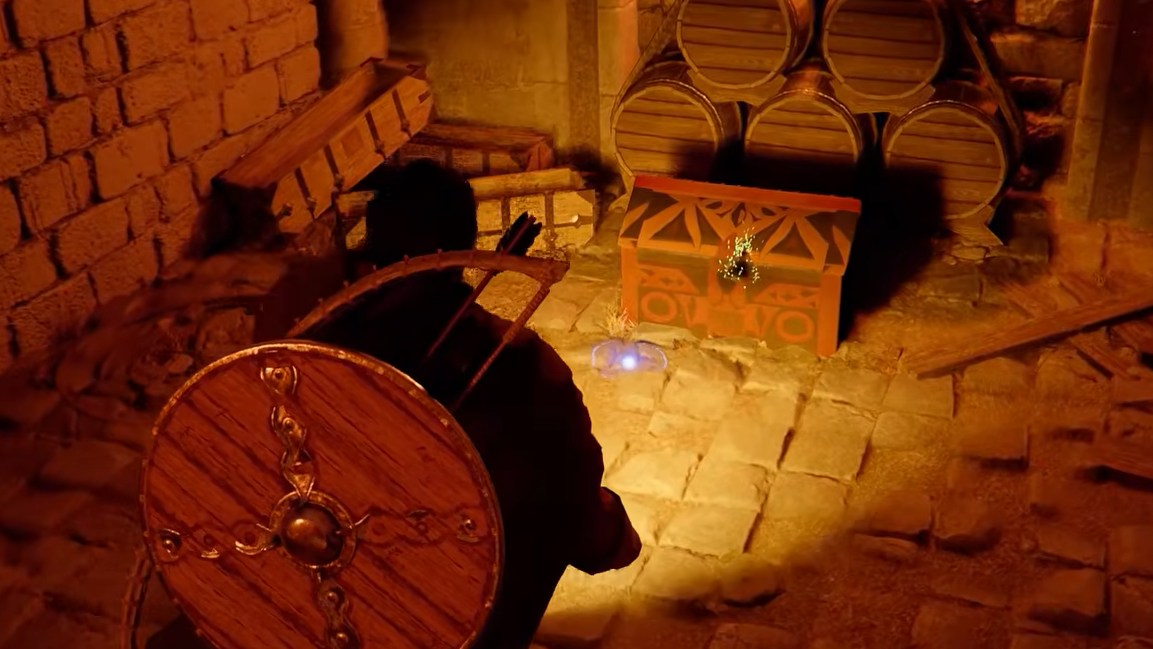
The Skills menu displays a central wolf-head icon with branching paths. Each enhancement requires a specific number of Abyss Artifacts—typically one artifact per upgrade node. Stamina, for example, increases energy available for evasion and various actions when you invest artifacts into that stat branch. This system encourages exploration over grinding, as artifacts are found through discovery rather than combat repetition.
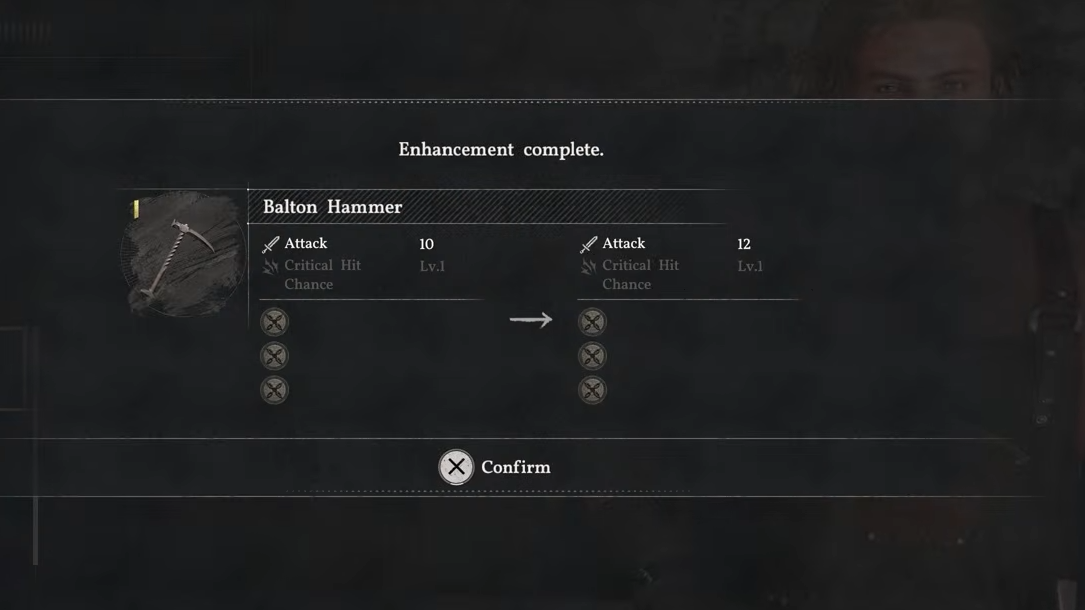
Weapon and gear progression follows a crafting-and-refinement model. Loot is not randomized in the ARPG style; instead, unique gear comes from boss drops, blueprints, and crafting recipes. The Equip Abyss Gear menu shows items like the Grey Wolf's Sword with fixed stats for Attack, Critical Hit Chance, and special effects. Refinement at a blacksmith (such as Bolton Hammer) enhances base stats incrementally—Attack values increase from 10 to 12 after a successful enhancement, for instance.
Main weapons do not break, but tools like pickaxes degrade with use. Players mine resources such as garnet from red crystal deposits, and the pickaxe durability decreases over time. This distinction keeps combat weapons reliable while adding resource-management depth to gathering activities.
Combat Mechanics and Difficulty
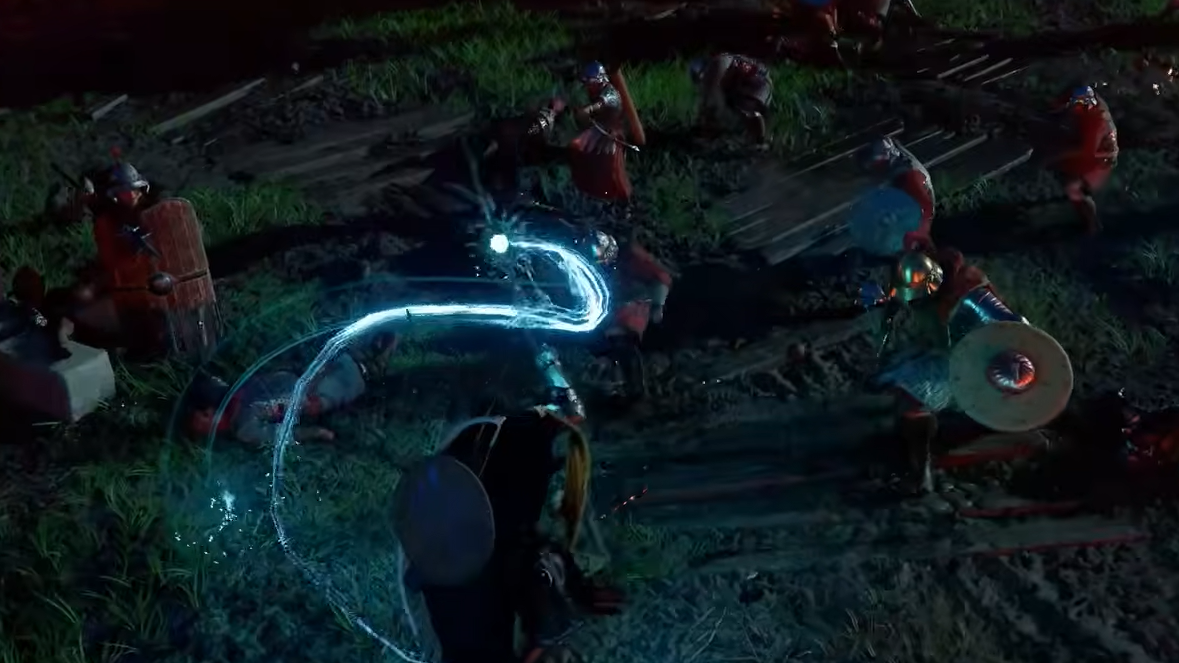
Pearl Abyss clarified that Crimson Desert is not a Soulslike. The combat is action-driven and combo-based, emphasizing button sequences and timing over the methodical, stamina-heavy approach of FromSoftware titles. Players execute multi-hit combos, parries, and special moves that summon large spectral figures or elemental effects. The game features no difficulty settings, but the challenge curve is designed to let players leave tough encounters, upgrade gear, and return stronger.
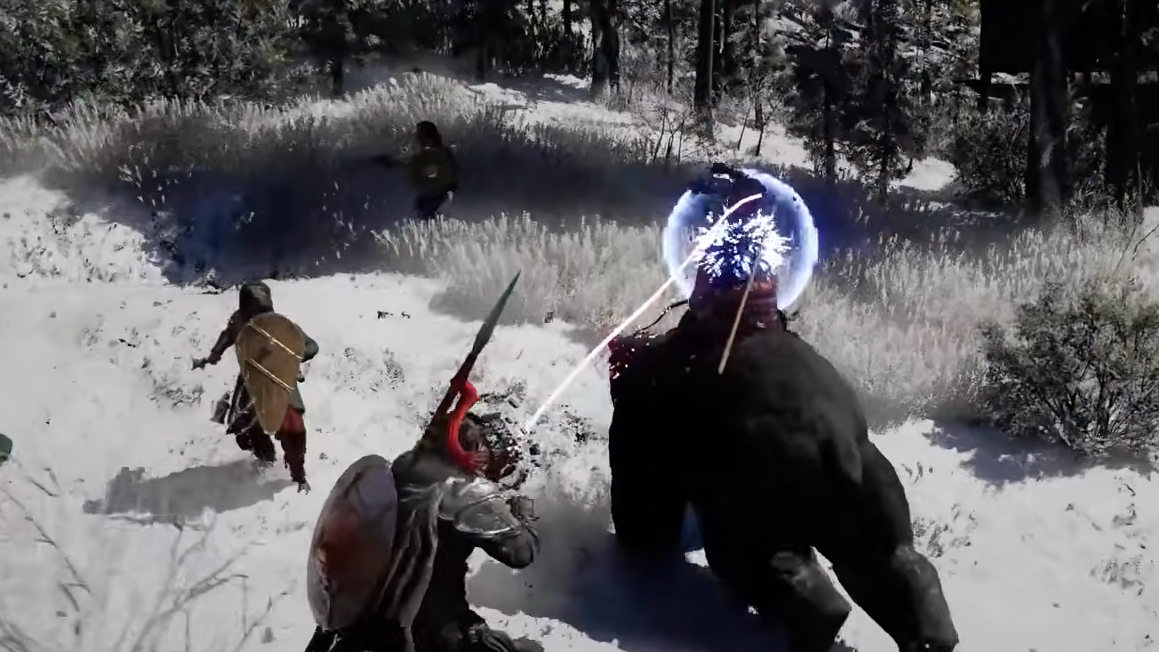
Stamina governs evasion and certain actions but does not constrain every attack. The combat system rewards mastery of combo strings and situational awareness. Boss fights require dodges, parries, and well-timed strikes, yet the overall pacing is faster than that of Soulslike games. Players can equip Abyss Gear in weapon sockets to gain additional effects, such as wrapping a Gale I item into a gear slot to modify attack properties.
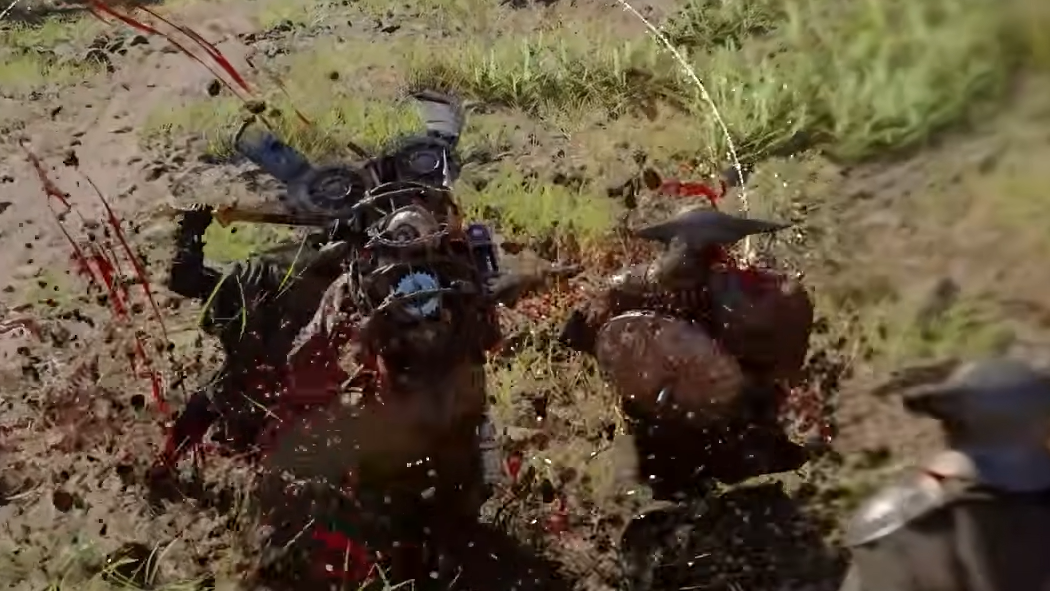
Enemy encounters scale with player progression, and the open world allows non-linear exploration. If a region proves too difficult, players can explore elsewhere, gather artifacts, refine equipment, and return. The game does not punish death with harsh penalties like corpse runs or lost currency, though specific mechanics around failure states remain unconfirmed.
Open-World Structure and Traversal
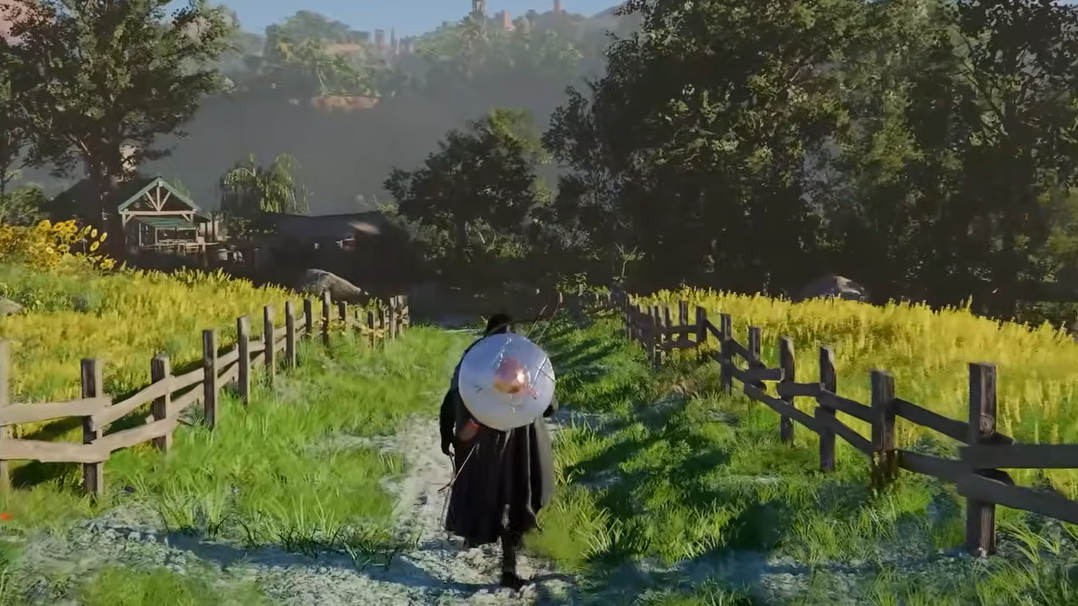
Pywel is a seamless open world divided into five distinct regions, each with unique biomes, factions, and environmental themes. The map screen displays nodes such as Roothold, a stronghold centered around the Eldertree where ancient power awaits. Fast travel connects unlocked nodes, and regions are gated by story progression or faction blockades—icons like "Blockaded - The Wolf Trackers" indicate restricted areas.
Traversal options include horses, mechanical gliders with propellers, magical umbrellas for floating between cliffs, and grappling hooks for vertical navigation. Players can pilot a small spherical War Mech that shoots fire and destroys obstacles like wooden gates. Late-game traversal unlocks the ability to ride a large grey dragon, which breathes fire on targets below and covers vast distances quickly.
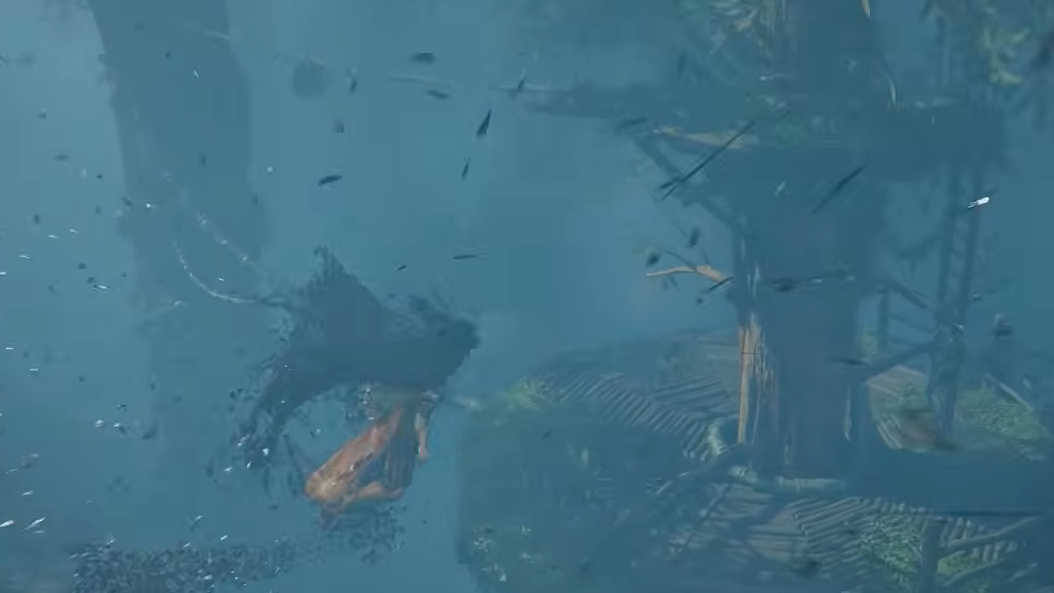
The day-night cycle and dynamic weather affect gameplay. The HUD displays the current day, time (e.g., Day 30 Wed 5:51 AM), and temperature (10.2°C). Weather conditions and time of day influence NPC behavior, quest availability, and environmental hazards. Players can engage in life skills such as fishing, hunting, and farming. Hunting mechanics include wearing ghillie suits for camouflage and using bows to track wildlife. Armor stats support these activities, with bonuses for stealth or resource gathering.
Factions, Crime, and Reputation
Crimson Desert features a reputation system tied to regional factions. The HUD shows Contribution and Contribution EXP for factions like Hernandian. Completing quests or activities for a faction increases standing, unlocking new vendors, quests, and story branches. Players can also commit crimes—theft triggers a red "Crime: Theft" overlay and a Bounty Notice marked "Arrested" in the top-right corner. The consequences of criminal actions and how they affect faction relationships are not fully detailed, but the system suggests dynamic NPC reactions and potential penalties.
Towns and settlements populate the world with NPCs offering quests, shops, and services. The Equipment Shop menu lists items such as the Dekare Dagger, Dekare Sword, Dekare Shield, Lambert Axe, and Palkanese Musket. Players purchase gear with in-game currency earned through exploration and quests. Crafting materials and blueprints drop from bosses or are found in ruins, encouraging thorough exploration.
Playable Characters and Story
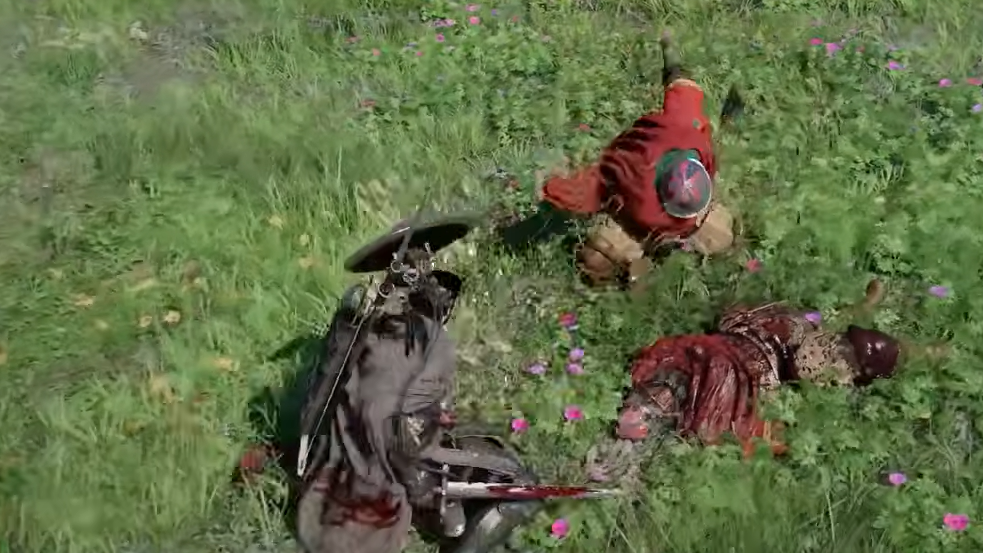
The main protagonist is Kliff, a member of the Greymanes mercenary company. After a devastating ambush by the rival Black Bears faction, Kliff and the surviving Greymanes are scattered across Pywel. The story follows Kliff's effort to reunite his comrades, rebuild the Greymanes, and confront the Black Bears' leader, Myurdin. Along the way, Kliff encounters factions seeking to upend the continent's political order and uncovers a larger threat tied to the Abyss.
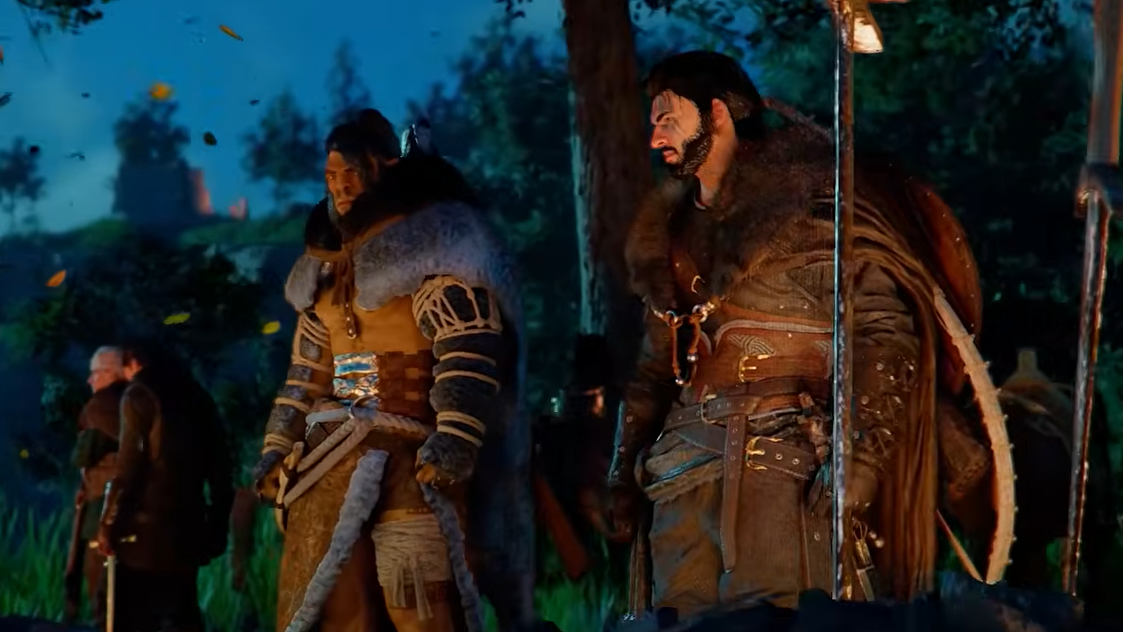
Crimson Desert includes multiple playable characters beyond Kliff. His companions—Oongka, Yann, and Naira—each have unique traversal animations and combat abilities. The game allows switching between characters, and certain areas or quests may be accessible only to specific characters. The main story centers on Kliff, but companion-focused missions expand the narrative scope.
The world of Pywel is divided into regions like Hernand (rich with mountains and rivers, the starting point) and Pailune (the northernmost region, homeland of the Greymanes). Each region has distinct visual themes, enemy types, and story arcs. Players explore ruins, liberate areas from hostile factions, and uncover the mysteries of the Abyss—a recurring narrative element tied to both the artifact system and the game's central conflict.
Life Skills and Side Activities
Beyond combat, Crimson Desert offers life skills reminiscent of Black Desert Online but adapted for single-player. Players fish in rivers and lakes, tend crops in garden areas, and carry livestock like pigs in pens. Hunting involves tracking animals with bows and using stealth gear to avoid detection. These activities yield resources for crafting, cooking, and trading.
The inventory wheel displays consumables such as Generous Assorted Flat Grilled Skewers, which restore Health and Stamina. Players craft or purchase food items to sustain themselves during exploration. The game does not force life skills on players, but engaging with them provides tangible benefits—better gear, enhanced stats, and access to rare materials.
Mini-games and tavern activities like dice games offer downtime between quests. These diversions contribute to the immersive world design, giving players reasons to linger in settlements and interact with NPCs beyond transactional quest-giving.
Performance and Platform Details
Crimson Desert targets high visual fidelity with particle-heavy effects, physics-driven combat, and seamless world loading. Optimization has improved significantly since early previews, with smooth frame rates during intense boss battles and large-scale encounters. The game runs on PlayStation 5, Xbox Series X|S, and PC via Steam, Epic Games Store, and Apple platforms. Pre-orders are available in Standard, Deluxe, and Collector's Editions, though specific edition bonuses have not been disclosed.
Console performance details remain limited. Some players express concern about base PlayStation 5 footage, given the game's demanding visuals. Pearl Abyss has not released extensive console gameplay, but the studio's experience with Black Desert Online on consoles suggests familiarity with platform-specific optimization challenges.
Crimson Desert distinguishes itself from both Soulslike games and traditional MMOs by combining artifact-based progression, dynamic open-world exploration, and a single-player focus. The absence of microtransactions and the emphasis on discovery over grinding position the game as a premium action-adventure experience. Whether Pearl Abyss delivers on the scale and depth shown in previews will become clear at launch.