

Crimson Desert doesn't use traditional experience points or character levels. Instead, your power grows through Abyss Artifacts — items found by exploring, solving puzzles, defeating bosses, and filling a combat meter on the left side of the screen that grants an artifact each time it tops off. Each artifact functions as a skill point you can spend on Kliff's skill tree, which is split across multiple branches covering melee, ranged, elemental, and defensive abilities. You can reset skills at any time, so early choices aren't permanent, but picking the right abilities first will make the opening hours dramatically smoother.
Quick answer: Prioritize stamina upgrades, the Blinding Flash skill (plus its finisher), the attack-clone ability that doubles your damage, and an elemental imbue like fire before branching into archery or grapple skills.
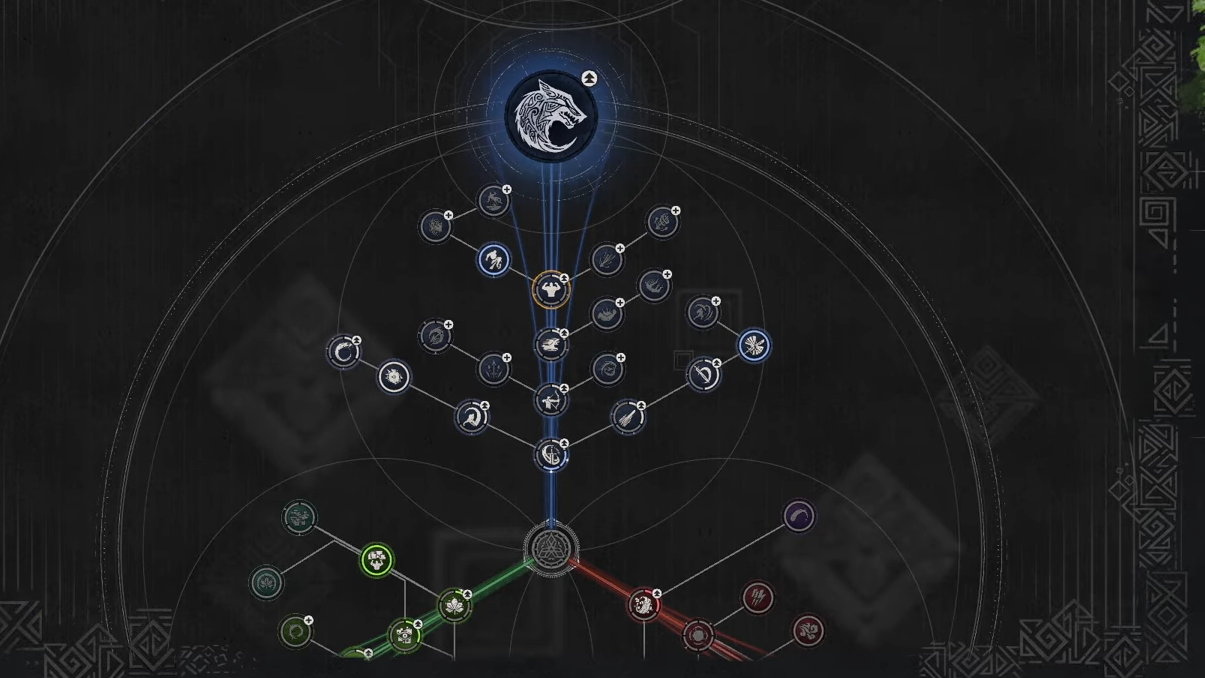
How Abyss Artifacts and Skill Unlocks Work
Artifacts are the sole currency for the skill tree. You earn them three ways: picking them up in the open world during exploration, receiving them as boss and enemy drops, and filling the yellow experience-style bar on the left side of the HUD by killing enemies. Once that bar is full, you receive an artifact automatically. Some skills also have a secondary unlock condition — you must first observe an NPC or enemy performing the move. Watching a palm strike from a friendly NPC or a body slam from an enemy mid-fight can teach Kliff that technique, and if you previously spent an artifact on that same skill, the artifact is refunded for use elsewhere.
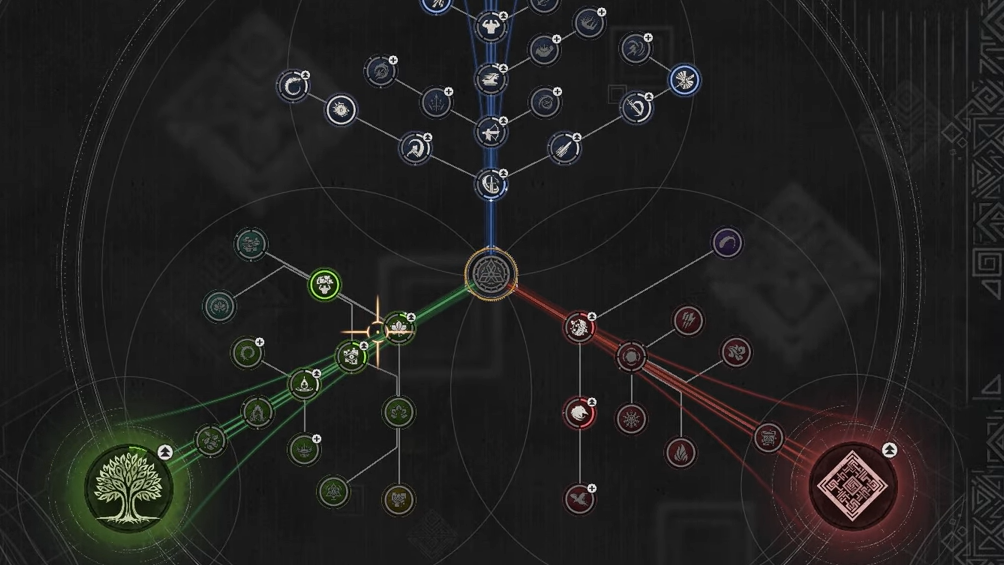
The skill tree has colored branches. The main tree covers core melee and weapon skills, a green branch focuses on precision and ranged abilities, and a red branch handles elemental and crowd-control powers. Large diamond-shaped nodes on the tree tend to be stat boosts (health, stamina, spirit), while most other nodes grant actual combat abilities. There are also hidden skills that can appear on the tree after certain in-game triggers, so the tree evolves as you progress.
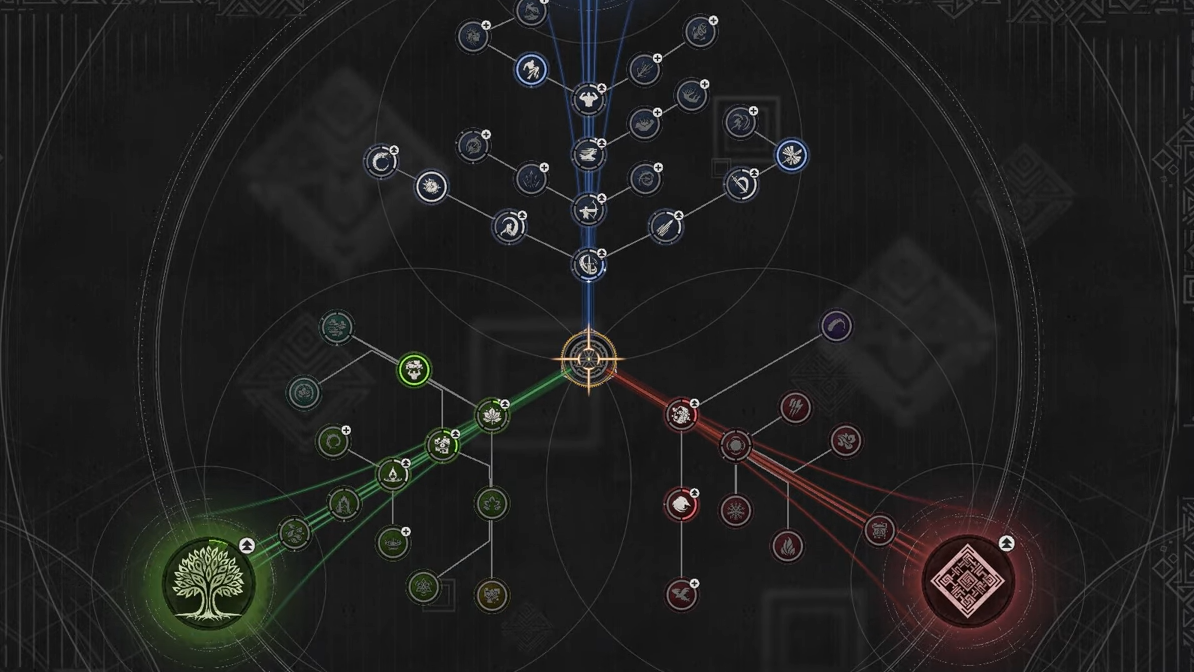
Stamina Upgrades — Your First Artifact Spend
Stamina governs almost everything in combat: basic attacks, heavy strikes, dodging, sprinting, and the glide function that saves you from fall damage. Running out of stamina mid-fight leaves you completely exposed, and enemies will punish that window aggressively. The skill tree offers up to 16 stamina upgrades. You don't need all of them immediately, but investing your first two or three artifacts here gives you enough breathing room to chain a full combo, escape with a dash, and still have enough left to sprint to safety while recovering.
Blinding Flash and Blinding Flash Finisher
Blinding Flash is one of the strongest early skills for both solo encounters and group fights. Activating it immobilizes nearby enemies and puts Kliff into a slow-motion state, giving you a safe window to deal heavy damage. The follow-up node, Blinding Flash Finisher, lets you unleash a rapid slashing devastation move during that stun window — even with a slow two-handed greatsword, the attack speed is remarkably fast. This combination works on regular mobs and some weaker bosses, making it a reliable panic button and a consistent damage opener throughout the early game.
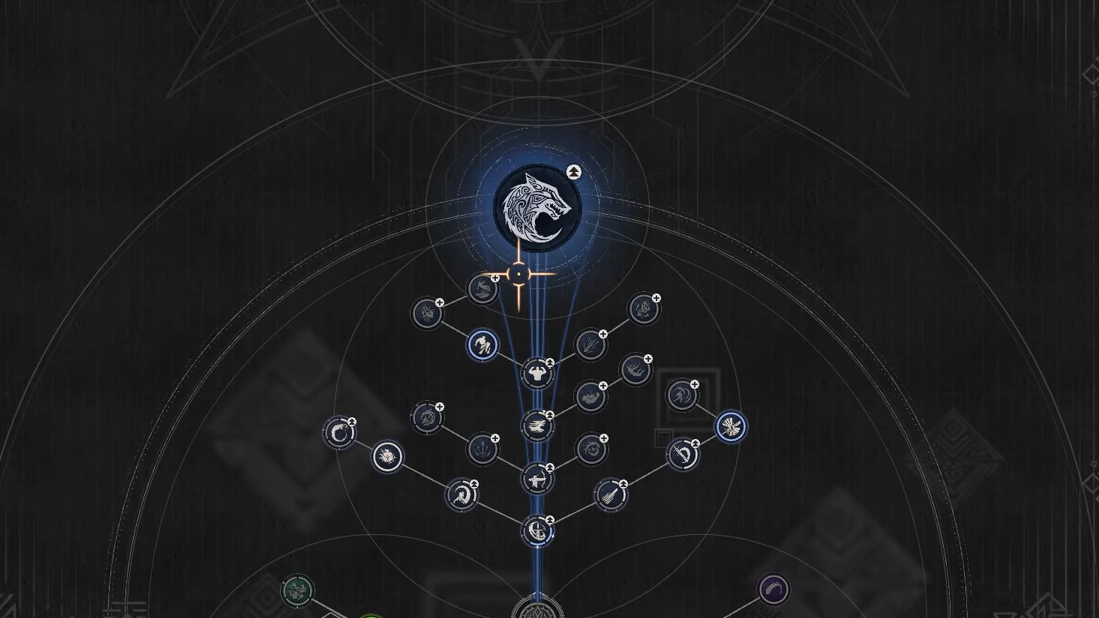
Attack Clone and Instant Weapon Swap
There is an early skill that clones your attacks, effectively doubling your damage output on each swing. Paired with the instant weapon swap mechanic — which also resets your combo chain — you can cycle between weapons seamlessly, maintaining constant pressure without natural combo gaps. The loop works like this: execute your melee combo until it ends, swap weapons instantly to reset the chain, and continue attacking without pause. Layering a fire elemental imbue on top of this creates strong sustained damage that carries well through the first several hours.
Elemental Imbue — Fire First
The Imbue Elements skill on the red branch lets you add elemental effects to your attacks. Fire is the most straightforward early pick because it adds damage-over-time burns that continue ticking while you reposition or recover stamina. Reaching rank two of Imbue Elements also lets you apply elements to charge shots for ranged burst damage, though the spirit cost jumps from 10 to 30, so be mindful of that resource. If you're planning a melee-focused early game, fire imbue on your basic combo loop provides the best damage return for the artifact investment.
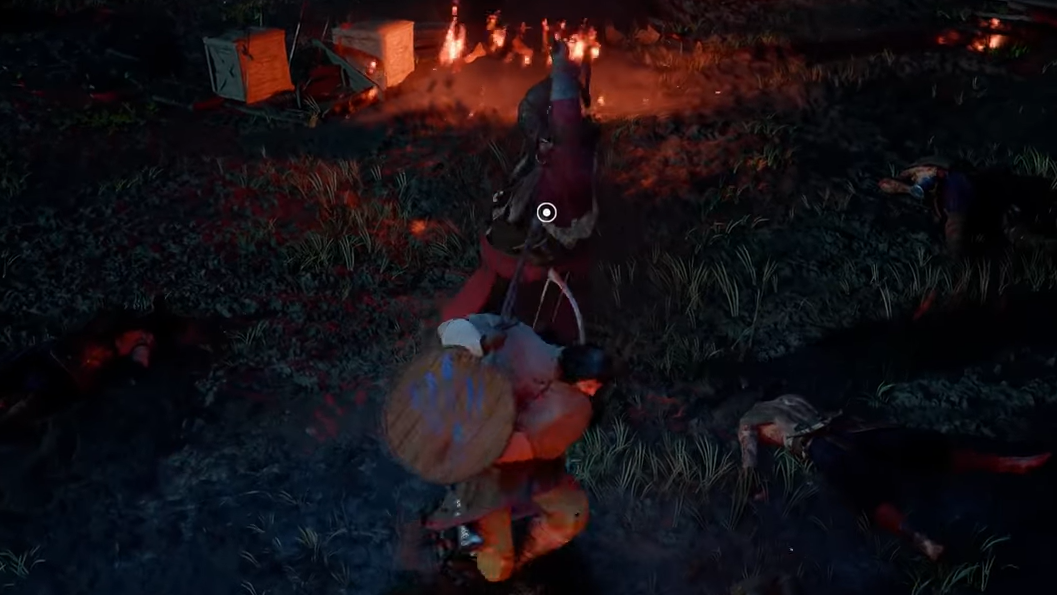
Ranged and Defensive Skills Worth Early Investment
| Skill | Branch | Why It Matters Early |
|---|---|---|
| Evasive Shot (Lv 3) | Archery | Shoots two arrows while repositioning; costs only stamina, not spirit |
| Focus Shot (Lv 1) | Green | Slows time for a volley of arrows — high burst damage in a short window |
| Charge (Armed Combat Lv 3) | Main | Rush enemies while holding shield, knock them down, follow with execution |
| Stab (Lv 3) → Skewer → Grapple | Main | Rush, multi-hit, then combo into restrain for stamina recovery and execution |
| Veil of Fog | Red | Confuses smaller enemies for 10 spirit, letting you execute them to recover spirit |
| Clothesline | Main | Instantly knocks an enemy to the ground on contact while running |
Evasive Shot is particularly valuable because it keeps you mobile and dealing damage simultaneously without draining your spirit meter. At level three, it fires two arrows per dodge and unlocks Explosive Evasive Shot, which functions as an invincibility-frame escape when you're cornered. If you plan to fight bosses at range, maxing this early is essential.
The Reflect Skill — Combat and Exploration
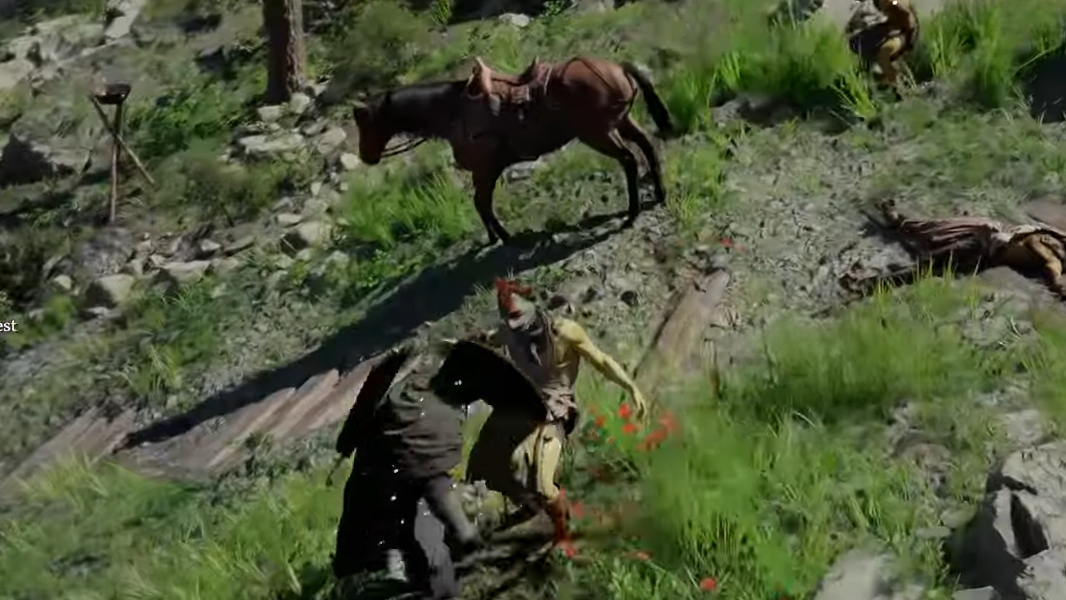
Reflect deserves special mention because it serves double duty. In combat, it blinds multiple enemies and stuns them in place, opening a window for the devastation finisher. Outside of combat, using Reflect from a high vantage point reveals points of interest across the landscape, including hidden artifact locations. It can also light objects on fire, solving certain environmental puzzles that would otherwise require fire arrows. Many players underuse this skill in the open world, but it's one of the most efficient ways to locate artifacts you'd otherwise miss entirely.
Skills to Approach Carefully
Multi-Shot consumes spirit and has limited range, forcing you dangerously close to enemies — a poor trade-off when you're undergeared. Mental Frost is a prerequisite for Imbue Elements, but its freezing effect on enemies is inconsistent; treat it as a one-hit block rather than reliable crowd control. Any skill with a long animation lock should be avoided early on, because groups of enemies will surround and punish you while you're stuck in the animation. Prioritize skills that combine movement, protection, and damage in a single action.
Observation Skills and Freeing Up Artifacts
Keep an eye on the bottom-right corner of the screen during combat and exploration. When a prompt appears while watching an NPC or enemy perform a move, hold L1 (on PlayStation) to observe and learn that skill. If you already spent an artifact to unlock that same ability on the tree, the artifact is refunded and can be reallocated. This means you can safely invest artifacts in skills early, knowing that finding the observation trigger later will give you that point back. Force Palm, for example, is learned by observation during a story puzzle sequence — no artifact cost required.
Supporting Your Skills with Gear Upgrades
Even a single gear upgrade roughly doubles your defense stats in the early game, and the material cost is low. Before spending all your artifacts on new skills, make sure your equipment is upgraded at least once or twice. Faction quests reward faction badges that can be traded for decent armor, though stockpiling badges for higher-tier gear and horse armor later may be the more efficient long-term play. Upgrading a basic sword also keeps it competitive — weapons in Crimson Desert are heavily upgrade-oriented, so you don't need to chase rare drops to stay effective.
The skill tree in Crimson Desert rewards experimentation, and the free respec system means you're never locked into a bad build. That said, early artifacts are scarce enough that spending them wisely on stamina, Blinding Flash, the attack clone, and a fire imbue will carry you through the opening regions without unnecessary friction. As you explore more of Pywel and observe new techniques from NPCs and enemies, the tree will expand naturally — and those refunded artifacts will give you room to branch into archery, grappling, or elemental specializations as your playstyle takes shape.