

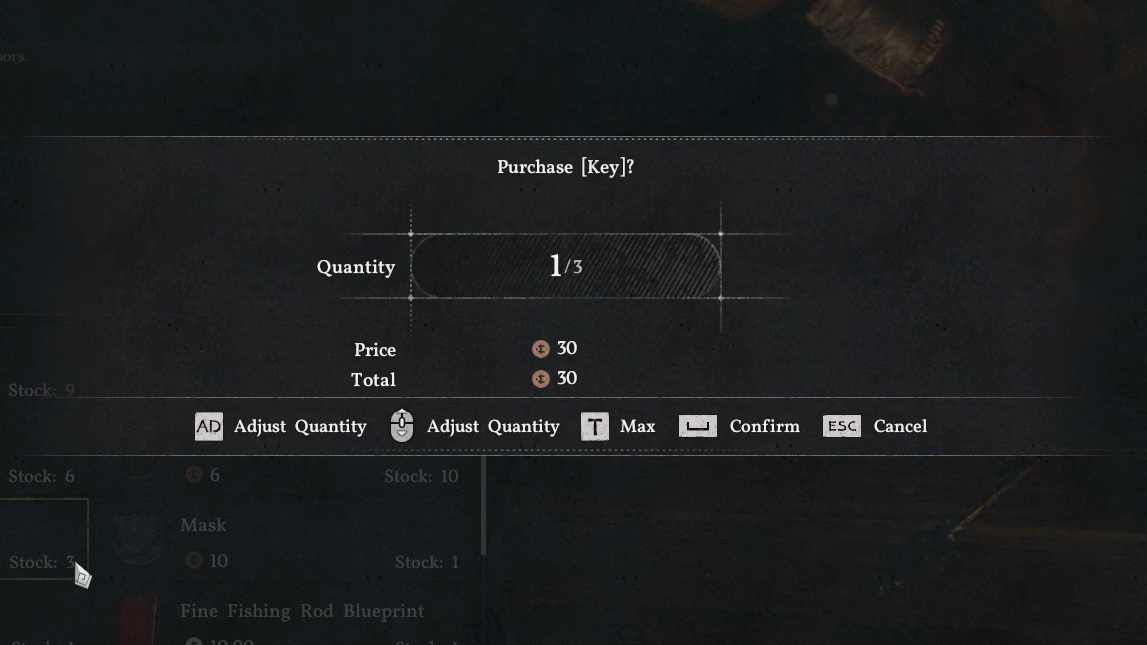
Crimson Desert is packed with locked doors. Nearly every building across Pywel can be entered, and a large number of them require a Key to open. The catch is that the game doesn't work like most RPGs, where a named key matches a specific lock. Instead, every locked door in the world opens with the same generic, consumable item simply called a "Key." Walk into a locked door with one in your inventory, and Kliff uses it automatically — no confirmation prompt, no choice.
Quick answer: Carry Keys in your inventory and walk into any locked door. Kliff will consume one Key and open it. Buy Keys from Grimrak's Back Alley Shop for 30 Copper Coins, loot them from Bleed Bandits, steal them from bag-icon containers, or receive them as quest rewards.
How Locked Doors Work in Crimson Desert
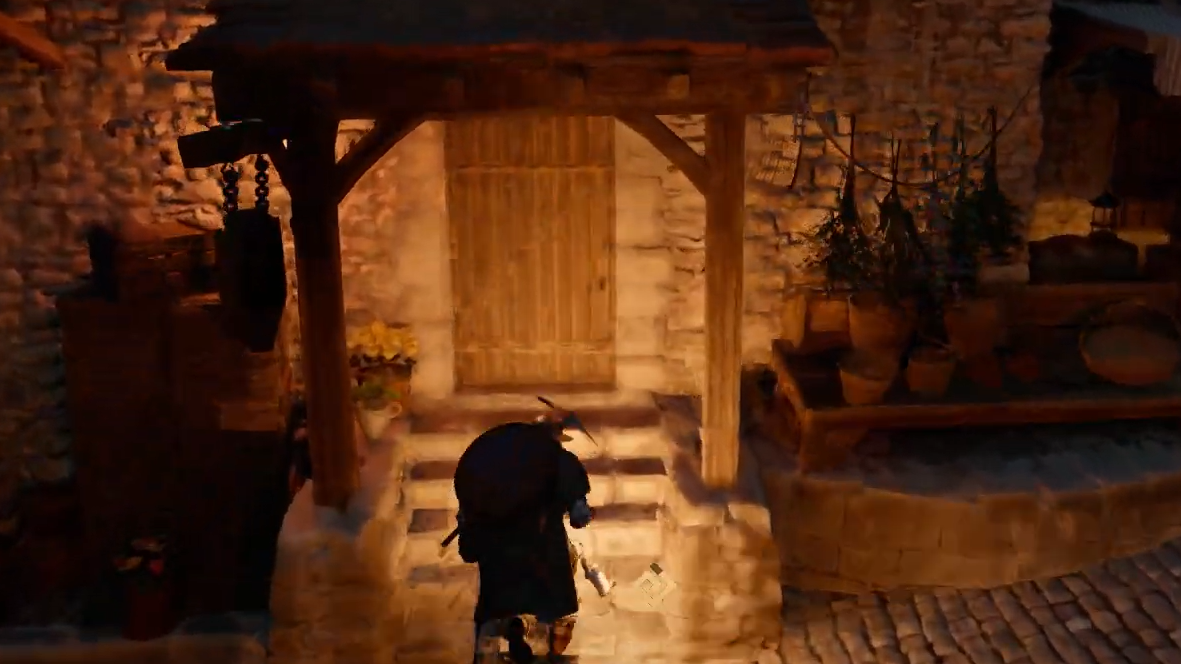
The moment Kliff walks into a locked door while you have a Key, the game spends it and opens the door. There is no button prompt and no way to cancel the action mid-animation. If you didn't realize the door was locked, the Key is gone regardless. This is the single biggest frustration with the system, and it means you should never casually run into doors you haven't checked first.
There are two player-discovered workarounds to check whether a door is locked before committing. First, you can hold up your lantern while approaching — Kliff won't use a Key while the lantern is raised, so if the door doesn't open, it's locked. Second, you can focus on the door from a short distance and look at the door handle. A white dot icon over the handle means the door is locked, while a gray dot means it's unlocked. Either method lets you scout before spending a Key.
Some doors trigger a different animation where Kliff bashes and shoves against them repeatedly. These doors cannot be opened with a Key at all — they're permanently sealed or tied to story progression. If Kliff starts body-slamming a door while you have Keys in your inventory and none get consumed, that door simply isn't meant to be opened with the universal Key item.
Four Ways to Get Keys
| Method | Details | Reliability |
|---|---|---|
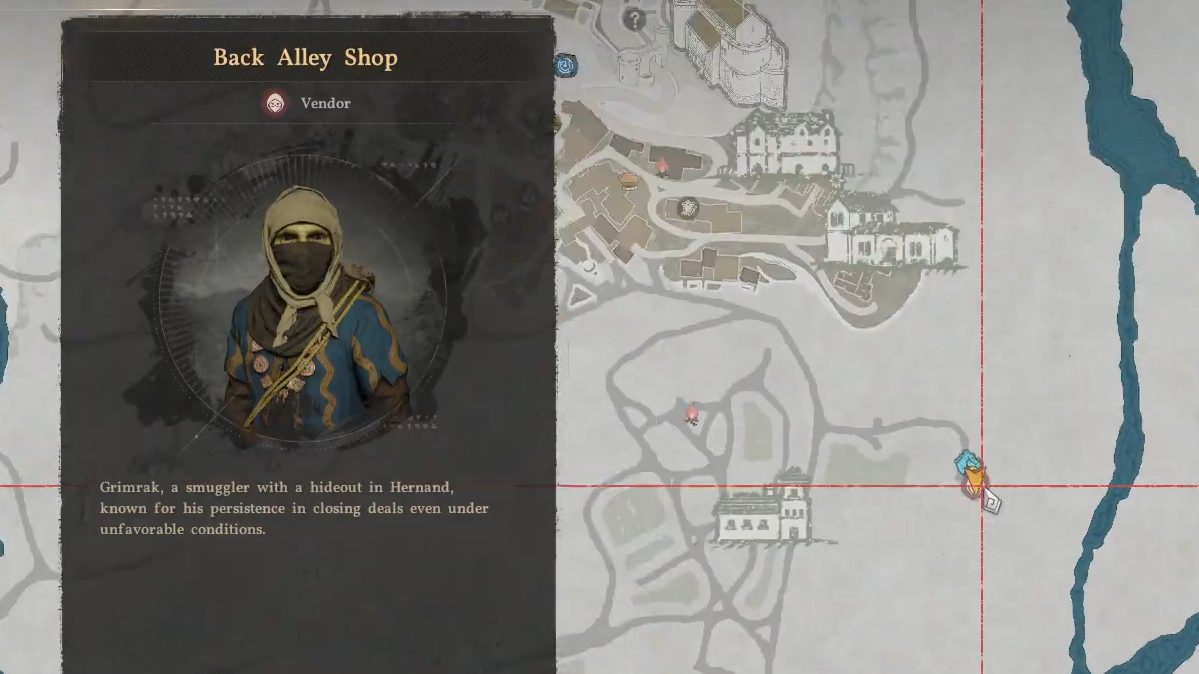
| Buy from Grimrak's Back Alley Shop | 30 Copper Coins per Key; shop is southeast of the Church Confessional vendor in Hernand | Guaranteed stock, but limited to ~3 Keys per restock (every ~2 in-game days) |
| Loot from enemies | Bleed Bandits and other hostile NPCs can drop Keys on death | Not guaranteed per kill, but farmable at respawning camps |
| Steal from interiors | Look for bag icons on your minimap marking desks, shelves, and drawers | Inconsistent — not every bag icon contains a Key |
| Quest rewards | Certain quests grant Keys directly upon completion | Tied to specific story or faction quest progression |
Buying Keys from Grimrak
Grimrak's Back Alley Shop is the most dependable source early on. The shop sits on the outskirts of Hernand, slightly southeast of the Church Confessional vendor — look for it near a windmill between the church and the dye vendor. Standard Keys cost 30 Copper Coins each. The shop also sells Prison Keys for 26 Copper Coins, which are used specifically to open prison cells found in locations like the Dueling Area (freeing Pailunese Refugees inside).
The main limitation is stock. Grimrak carries roughly three Keys per restock cycle, and restocks happen approximately every two in-game days. You can't rely on this shop alone if you're exploring aggressively, so treat it as a baseline supply and supplement with other methods.
Farming Keys from Bleed Bandits
Killing bandits is the best way to stockpile Keys in bulk. Bleed Bandits in particular are a reliable source, and there are large camps in the southern part of the map where enemies respawn. The drop isn't guaranteed on every kill, but clearing a full camp repeatedly can yield significant returns — dedicated farming sessions at respawning camps can net over a dozen Keys in an hour. If you have a companion pet that auto-loots bodies, the process speeds up considerably since you won't need to manually search each corpse.
Stealing Keys from Containers
While exploring interiors, watch your minimap for bag icons. These mark desks, shelves, cabinets, and drawers that can contain stealable items, including Keys. You'll need your Mask equipped to interact with these objects — without it, the game won't let you take anything. Not every container holds a Key, but checking them costs nothing and occasionally pays off with one.
Prison Keys — A Separate Item
Standard Keys don't work on prison cells. For those, you need Prison Keys, which are a distinct consumable. They're available at the same Back Alley Shop for 26 Copper Coins each. Opening prison cells typically frees Pailunese Refugees, so they serve a different purpose than general exploration Keys.
Skipping Locked Doors Entirely
Keys are not required to complete Crimson Desert's main story. Every story-critical door is handled through quest progression and unique key items that you receive naturally — your consumable Key supply is only relevant for optional exploration.
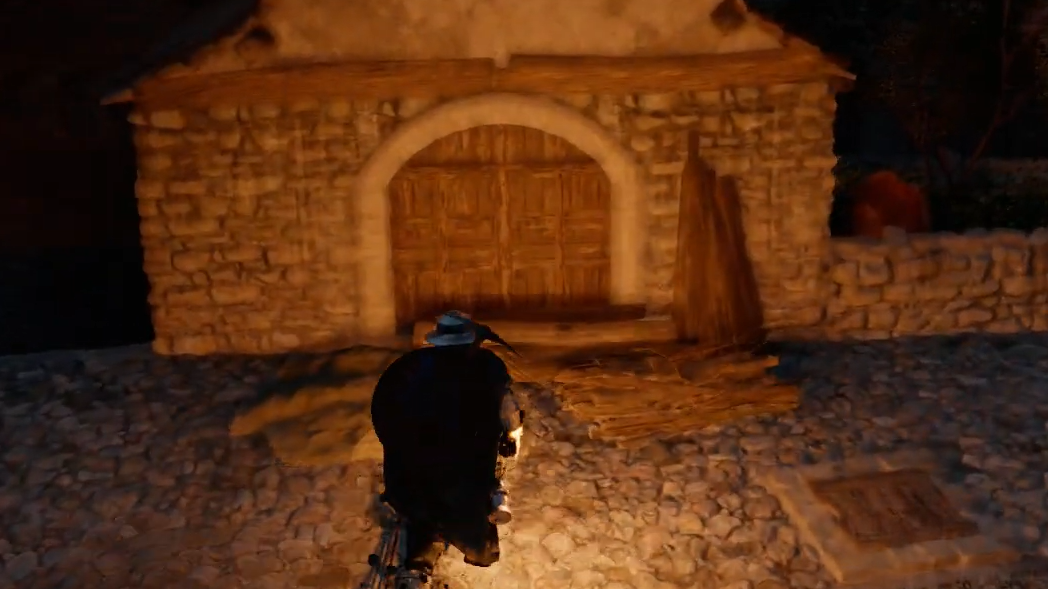
Many buildings with locked front doors also have open windows that Kliff can climb through. This is an intentional mechanic, not an exploit. If you're low on Keys or unsure whether a building is worth the cost, circle around it and look for a window entry point before spending a Key on the front door.
That said, optional exploration is where much of Crimson Desert's value lies. Locked buildings frequently contain Crafting Books that unlock new recipes, along with valuable loot that can be sold to vendors for a solid return on the 30-coin Key investment.
Avoiding Wasted Keys
The lack of a confirmation prompt means prevention is everything. A few practical habits will save you from burning Keys on empty rooms and already-accessible buildings.
- Use the lantern trick or check for the white/gray dot on door handles before walking into any unfamiliar door.
- Prioritize doors on buildings marked with bag icons on the minimap — these buildings contain stealable loot and sometimes even a replacement Key inside.
- Keep at least three Keys in reserve at all times so you're never locked out of a quest-relevant door.
- If you accidentally waste a Key on a worthless room, you can reload a recent save to recover it.
The locked door system in Crimson Desert is straightforward once you understand that every Key is universal and every Key is disposable. The real skill is managing a limited supply against a world full of locked buildings — most of which are worth opening, but not all. Stock up through Grimrak and bandit farming, scout doors before approaching them, and use windows whenever you can. Your Key reserves will stretch much further with a little caution.