

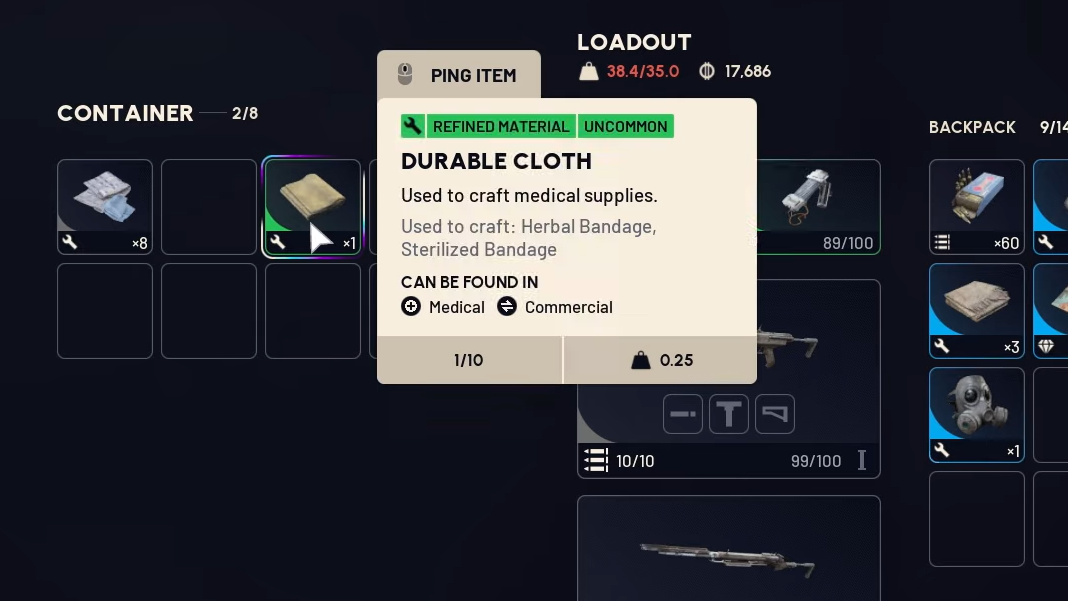
Durable Cloth sits at the center of healing and progression in ARC Raiders. It looks like a simple green material, but it feeds into bandage recipes, Medical Lab upgrades, and even expedition projects, which is why it always feels like there’s never enough of it.
Durable Cloth stats and basic info
| Stat | Value |
|---|---|
| Type | Refined Material |
| Rarity | Uncommon |
| Weight | 0.25 kg |
| Stack size | 10 |
| Sell price | 640 Raider Coins |
| Primary role | Used to craft medical supplies and as a requirement for certain upgrades/projects |
In short: Durable Cloth is light, moderately valuable, and used in enough recipes that you should treat it as a core resource rather than casual vendor trash.

Where to get Durable Cloth
There are three main ways to acquire Durable Cloth:
- Scavenging topside
- Crafting it from Fabric in the workshop
- Recycling or salvaging other cloth-based items
Durable Cloth from scavenging (medical and commercial zones)
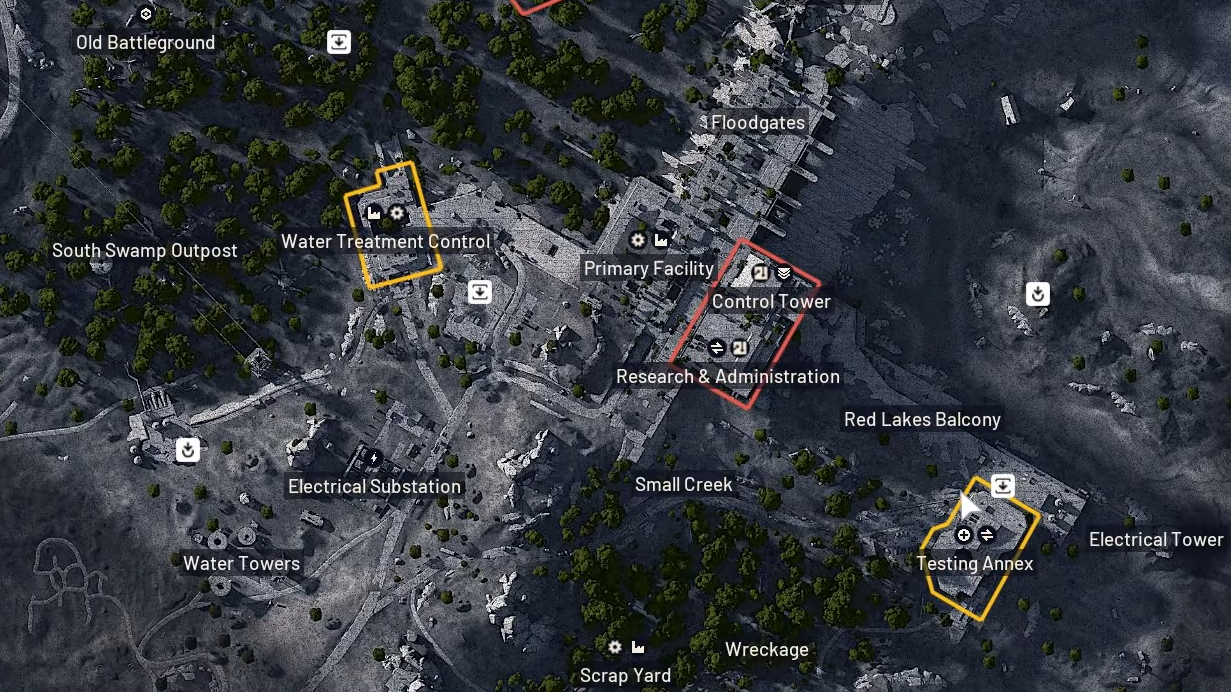
Durable Cloth appears as loose loot in containers and on bodies across all maps, but it clusters heavily in certain building types.
- Medical buildings: Clinics, hospitals, and other health-related interiors are the most reliable places to find it. Shelves, cabinets, and medical crates often hold either Durable Cloth directly or medical items you can salvage.
- Commercial buildings: Shops, offices, and other commercial interiors are the second-best category. Check storage rooms, back offices, and behind counters.
- Other spawns: Residential areas and random loot points can drop it as well, including on dead raiders and other NPC corpses, but the hit rate is lower than in medical or commercial zones.
On maps like Dam Battlegrounds and Buried City, look for dense urban clusters where medical and commercial interiors sit close together. Running a tight circuit through those buildings will generally produce more cloth than roaming open terrain.
Crafting Durable Cloth at Refiner 1
Durable Cloth is a refined product made from basic Fabric. This is the most controllable way to farm large amounts once your base is set up.
Recipe:
| Output | Workshop | Input |
|---|---|---|
| 1× Durable Cloth | Refiner 1 | 14× Fabric |
Fabric is one of the most common materials in the game, found in many low-level loot items and containers. Once you can reliably stack Fabric, you can effectively “print” Durable Cloth on demand.
Efficient workflow for crafting
Step 1: Unlock Refiner 1 in your workshop if you haven’t already. This is required for both crafting Durable Cloth and recycling it later.
Step 2: Prioritize looting and recycling items that yield Fabric. You can also lean on hideout helpers like Scrappy once leveled, since they can passively collect Fabric for you.
Step 3: When you return to Speranza, head to the Refiner and convert Fabric into Durable Cloth in batches of 14. Try to avoid leaving odd amounts of Fabric that don’t complete a full recipe if your immediate priority is cloth.
Because the Fabric cost is relatively high and late-game builds can burn through tens of Durable Cloth per run, it’s worth making these conversions part of your regular post-raid routine.
Durable Cloth from recycling and salvaging
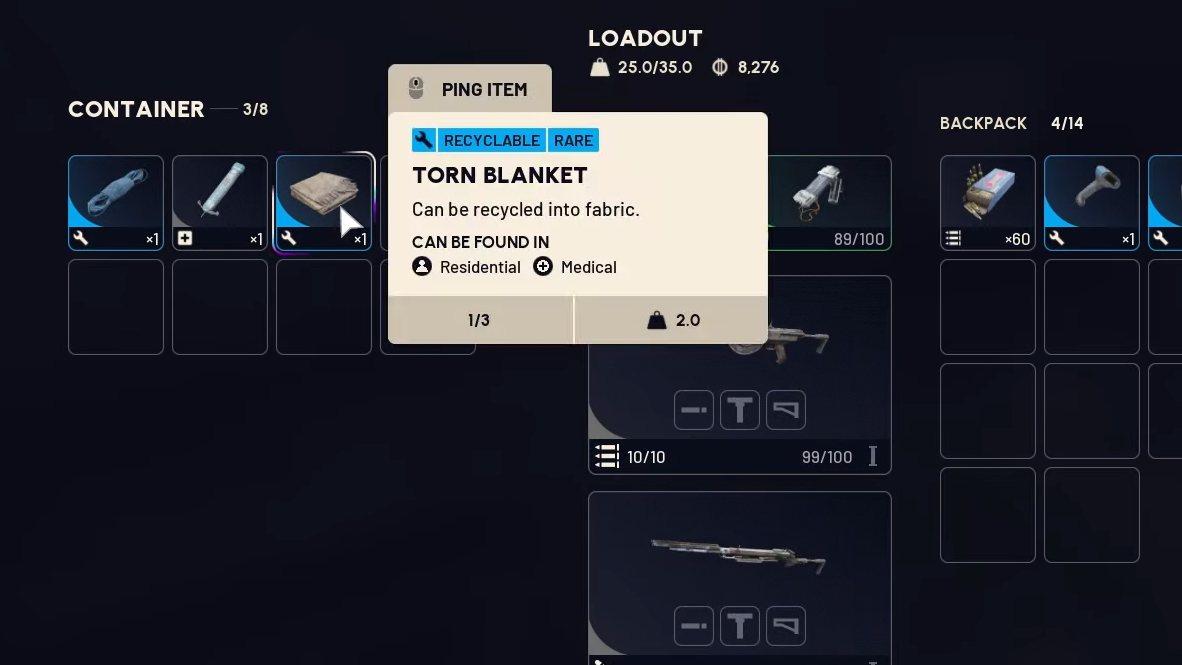
Certain items can be broken down into Durable Cloth, and Durable Cloth itself can be broken down into Fabric. That loop is useful both for farming and for correcting over-investment in one material.
Items that recycle into Durable Cloth
| Base item | Result (Recycled in Raider Den) |
|---|---|
| Ripped Safety Vest | 1× Durable Cloth |
| Spring Cushion | 2× Durable Cloth |
Both the Ripped Safety Vest and the Spring Cushion are marked as safe to sell or recycle and are not required for quests or workshop projects, so converting them into Durable Cloth is generally a low-risk choice.
Recycling and salvaging Durable Cloth itself
| Action | Location | Result |
|---|---|---|
| Recycle Durable Cloth | Raider Den (Refiner) | 6× Fabric |
| Salvage Durable Cloth | Topside | 2× Fabric |
That breakdown means Durable Cloth functions as a high-density Fabric storage: you can convert Fabric into Durable Cloth when stash space is tight, then turn it back into Fabric later if you need the base material.
Other medical items, such as Sterilized Bandage found out in the world, can be salvaged topside into Durable Cloth as well, but those consumables are strong enough that it’s usually more efficient to keep and use them rather than stripping them for materials.
Durable Cloth uses: bandages, upgrades, and projects
Most demand for Durable Cloth comes from healing items, followed by late-game workshop and expedition requirements.
Healing recipes that require Durable Cloth
| Output | Workshop | Inputs |
|---|---|---|
| Herbal Bandage | Medical Lab 2 | 1× Durable Cloth, 1× Great Mullein |
| Sterilized Bandage | Medical Lab 2 | 2× Durable Cloth, 1× Antiseptic |
These bandages are core sustain tools, so if you favor long engagements or higher-risk raids, expect Durable Cloth consumption to spike. Community feedback regularly points out that even using “green” bandages can burn through dozens of cloth per run.
Workshop upgrade that needs Durable Cloth
Durable Cloth also gates your healing infrastructure by sitting in the upgrade cost for Medical Lab 2.
| Upgrade | From → To | Cost |
|---|---|---|
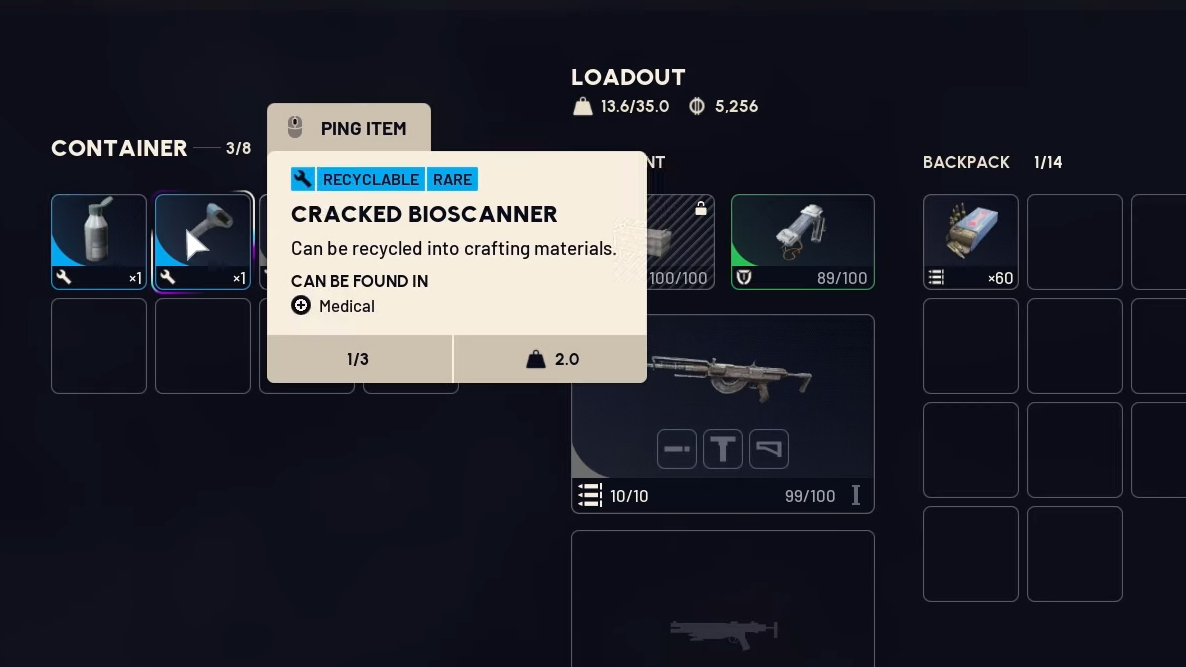
| Medical Lab upgrade | Medical Lab 1 → Medical Lab 2 | 5× Durable Cloth, 2× Cracked Bioscanner, 8× Tick Pod |
Without this upgrade, you can’t craft Herbal Bandage or Sterilized Bandage at all, which makes Durable Cloth both the ingredient and the gate to better medical crafting.
Expedition project that uses Durable Cloth
Beyond the workshop, Durable Cloth appears in expedition progression.
| Project stage | Transition | Durable Cloth required | Other requirements |
|---|---|---|---|
| Core System / Framework | Core System (2/6) → Framework (3/6) | 35× Durable Cloth | 30× Wires, 30× Electrical Components, 5× Cooling Fan |
That project alone consumes enough cloth to drain a casual stash, so planning for it early prevents hitting a hard progression wall later.
How to keep up with Durable Cloth demand
Because healing recipes, upgrades, and projects all pull from the same pool, it’s easy to feel starved for cloth. A few habits help smooth the curve:
- Target the right buildings: Focus your routes on medical and commercial interiors on any map. Random outdoor looting rarely competes.
- Convert junk into cloth: Recycle Ripped Safety Vest and Spring Cushion whenever you see them; treat them as “cloth in disguise”.
- Automate Fabric intake: Lean on workshop helpers like Scrappy and aggressive Fabric recycling so Refiner 1 always has enough input for cloth batches.
- Time big spends: Avoid starting major projects like the Core System → Framework step the same day you plan to craft a large stack of high-tier bandages, unless your stash can support it.
Handled that way, Durable Cloth turns from a frustrating bottleneck into a predictable part of your resource loop, keeping your bandage supply, Medical Lab, and expedition projects all moving forward together.