

Escape Tsunami For Brainrots has grown from a Fortnite island and Roblox-style simulator idea into a small economy of its own. Around the core loop of dodging waves, collecting Brainrots, and upgrading a base, a parallel market has formed where players buy high‑tier Brainrots and income boosts from external shops instead of grinding everything in‑game.
What Escape Tsunami For Brainrots actually is
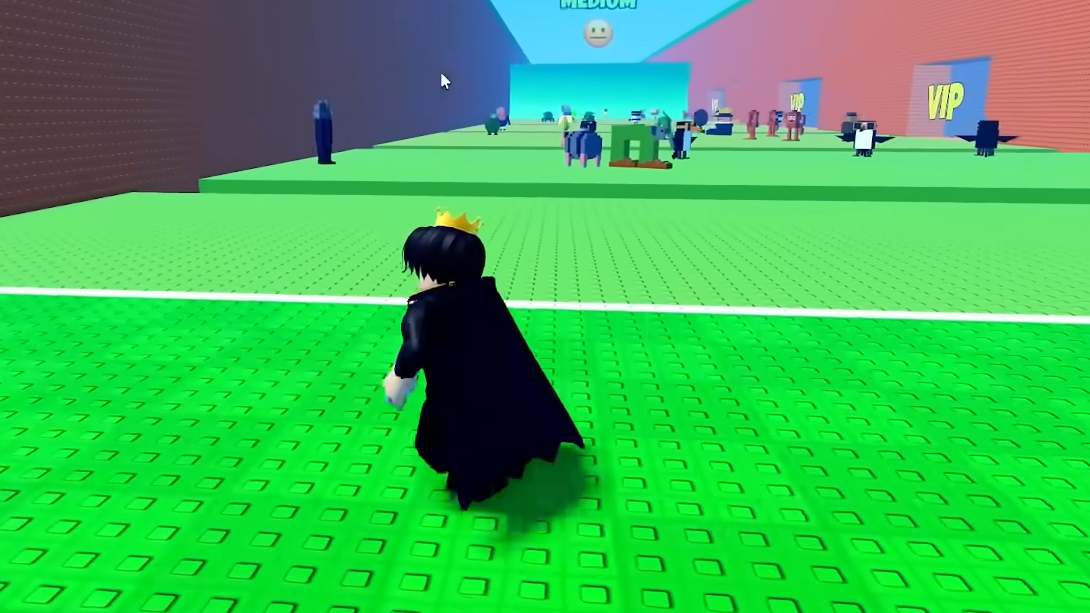
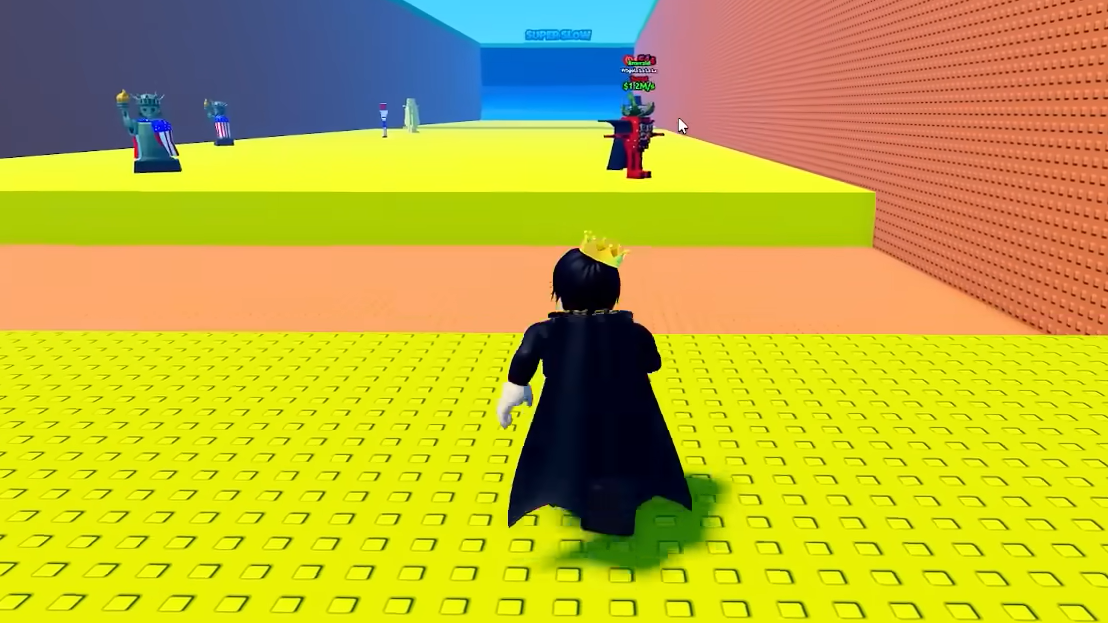
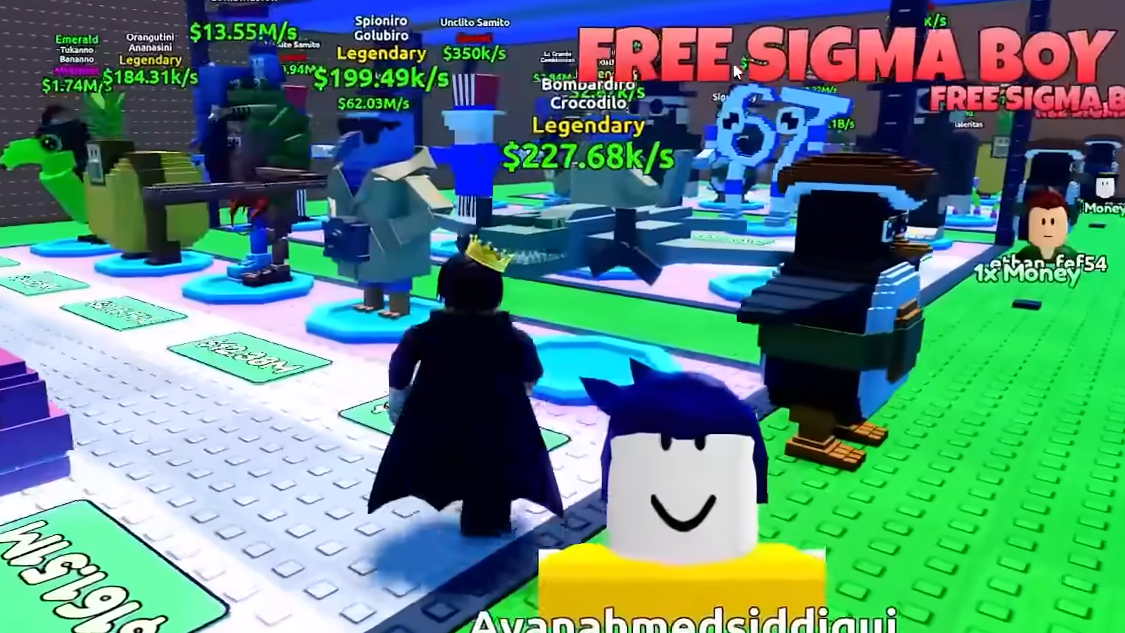
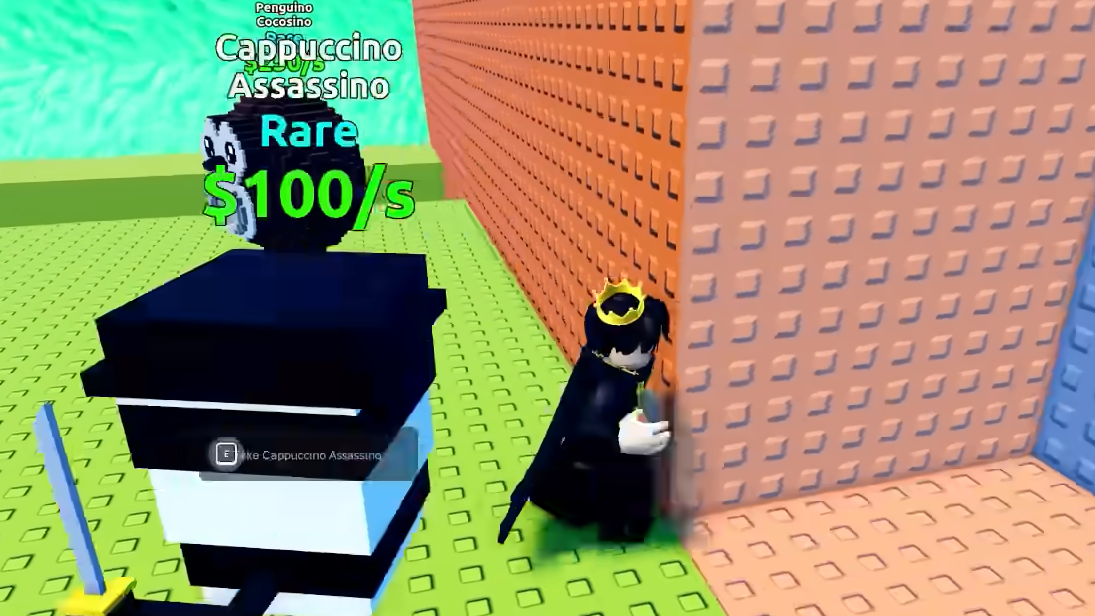
Escape Tsunami For Brainrots appears in multiple forms, but the shared pitch is simple. You sprint away from incoming tsunamis, grab Brainrots scattered across the map, and place them at your base. Those Brainrots passively generate currency over time, often described in huge numbers such as Qd/s (quadrillions per second) or trillions per second. You then reinvest that income into better Brainrots, more base slots, and movement or carry upgrades so you can push deeper into the dangerous areas before each wave hits.
The Fortnite version, titled Escape Tsunami for BRAINROTS! by badmafin, is a curated island with code 3690-9205-7470. Inside Fortnite, you navigate to Discover, search for the code or the island’s name, and load into a session where you:
- Run to pick up Brainrots before the next tsunami arrives.
- Return to your base to place Brainrots on available slots.
- Upgrade Brainrots and your base so income ramps up, including offline earnings.
- Unlock additional base slots to place even more Brainrots.
On the Roblox side, the design is similar but pushes further into simulator and tycoon territory: hundreds of Brainrot variants, multiple rarity tiers, rebirth systems, speed and carry upgrades, and PvP mechanics like stealing Brainrots from other players. That Roblox‑style structure is what third‑party shops are targeting.
How Brainrots work as an economy
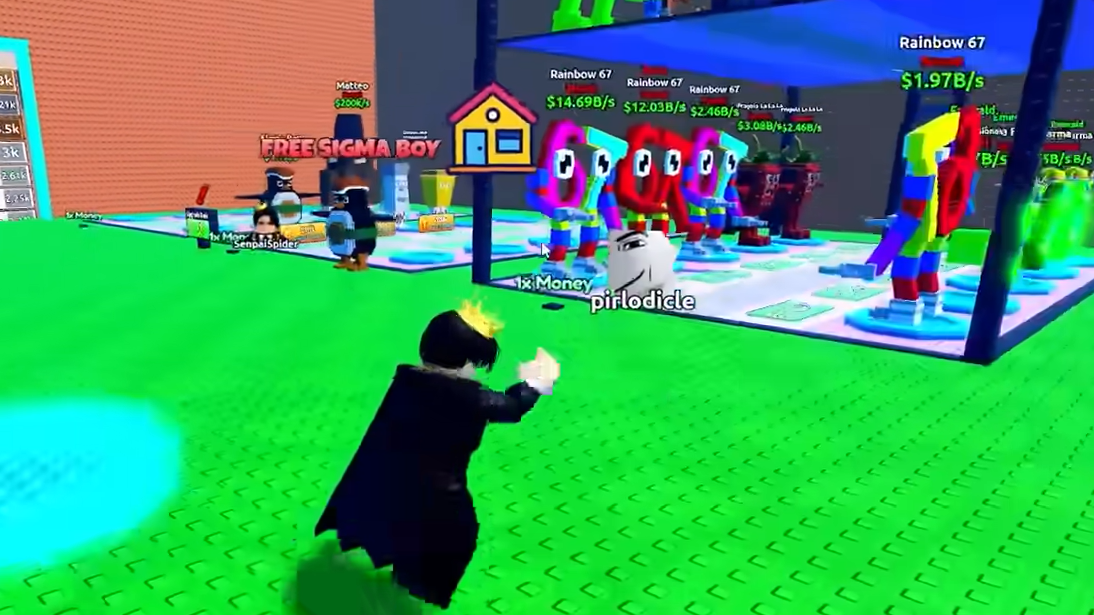
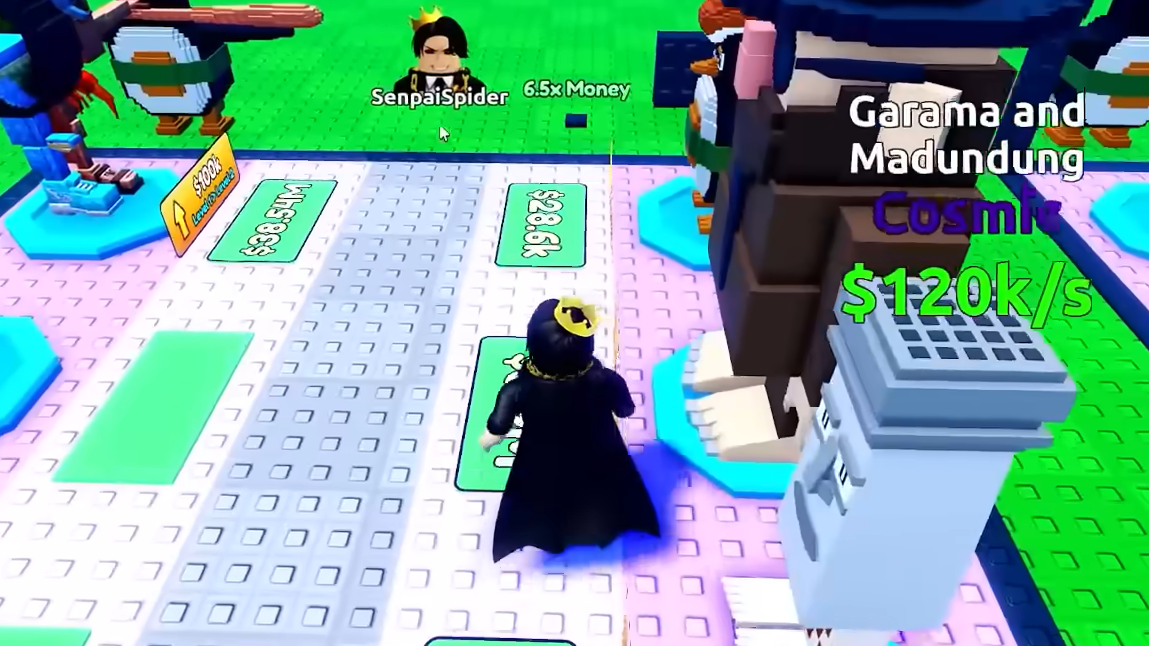
Brainrots sit at the center of Escape Tsunami For Brainrots’ progression. Each one is a unit that generates currency over time, expressed as something like Qd/s or $T+/s. Stronger Brainrots output more per second and are often locked behind higher‑rarity tiers such as Mythic, Godly, Celestial, or special names like Fragola La La La.
In a typical run, you:
- Venture out from your base on short routes and grab whatever Brainrots you can before the next wave.
- Place those Brainrots on your base’s ground or roof slots so they start earning cash automatically.
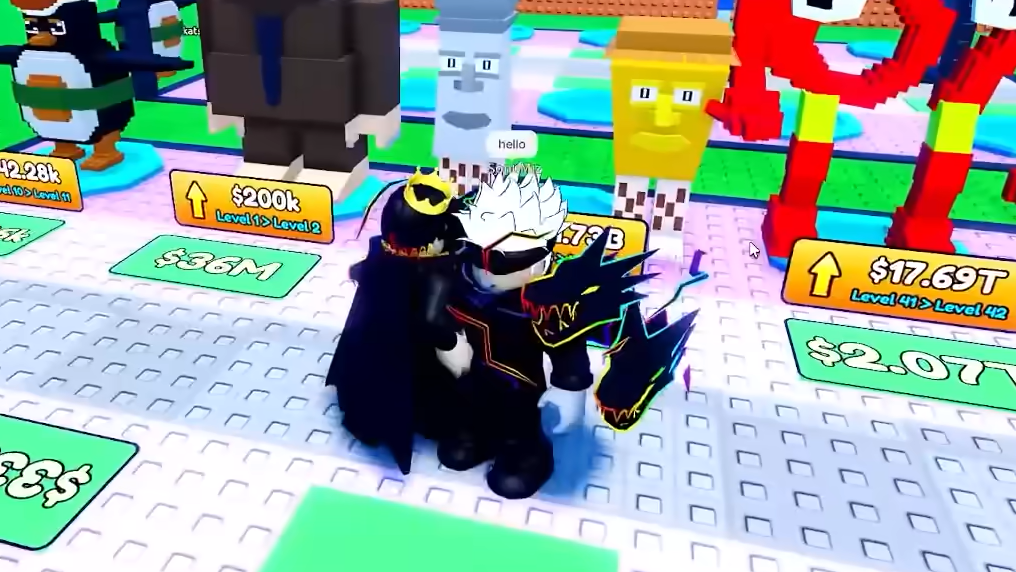
- Upgrade the highest rarity Brainrots first to squeeze more income from scarce high‑tier drops.
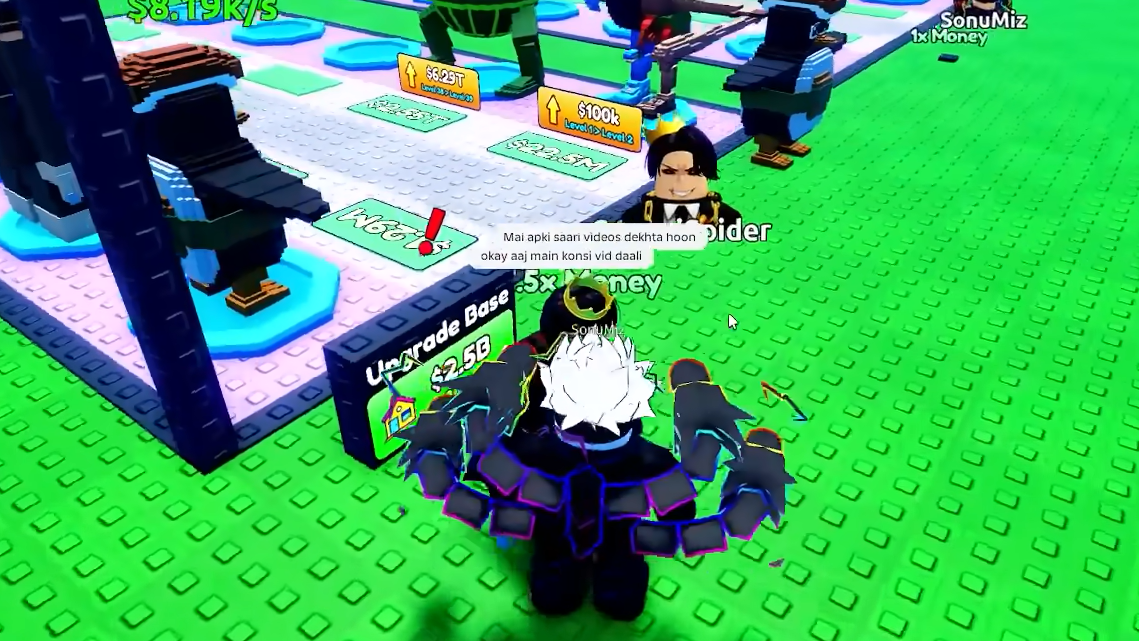
- Spend earnings on income multipliers, more slots, speed upgrades, and eventually rebirths that multiply all future gains.
Because income scales fast once you have a few powerful Brainrots, the rarest variants function almost like ultra‑efficient factories. That makes them ideal products for external marketplaces: a single high‑tier Brainrot can dramatically compress the early and mid‑game grind for anyone willing to pay.
What Escape Tsunami For Brainrots shops are selling
Third‑party marketplaces treat Escape Tsunami For Brainrots like any other tradable live‑service ecosystem. Instead of accounts or raw currency, they focus on Brainrot units with specific income stats and rarities.
Typical listings include:
- Named high‑tier Brainrots such as “Diamond Fragola La La La” with advertised income values like 46.81 Qd/s or “Electric Esok Sekolah (636.23 Qd/s)”.
- Income bundles like “Brainrots $4T+/s | Escape Tsunami For Brainrots!” that guarantee a Brainrot or set of Brainrots capable of producing a certain income floor.
- Random Secret or Mythic Brainrots, where you pay for the tier and floor stats but not the exact name.
- Volume discounts, with pricing that drops sharply when you buy multiple copies of the same Brainrot type.
Some shops frame these offers directly in Qd/s or T/s terms. Instead of describing rarity alone, they advertise the effective income rate you can expect after placing the Brainrot on your base. That aligns with how players think about progress: not as a collection count, but as how quickly their numbers climb while they are online or AFK.
How the big marketplaces position Escape Tsunami For Brainrots
On large multi‑game marketplaces, Escape Tsunami For Brainrots sits alongside established titles like Diablo, Path of Exile, and various Roblox experiences. The format is familiar: a dedicated product page, a list of Brainrot offers, and a transaction system promising fast delivery and buyer protection.
One major marketplace describes its Escape Tsunami For Brainrots Marktplatz as a way for ETFB players to “dominate tsunamis” with “Sofortlieferung” and curated deals. The page highlights:
- An aggregate rating near the top (for example, 4.9 from hundreds of thousands of recent orders).
- A callout that Escape Tsunami For Brainrots purchases can be made “24/7,” emphasizing constant availability.
- A focus on Mythic‑tier and other high‑rarity Brainrots that jumpstart Qd/s income once placed.
Another marketplace brands itself explicitly as an Escape Tsunami For Brainrots shop for “ETFB Brainrots.” It leans on three promises: Instant Delivery, 24/7 Service, and “100% Safety,” describing manual delivery workflows rather than automated scripts. The offers are structured as a filterable catalog with sorting by name, price bands, and a category strictly for Brainrots.
Both types of marketplaces separate Brainrots from accounts. You are expected to keep your own Roblox or platform credentials and only provide a username or in‑game identifier so the seller can transfer the Brainrot in‑game.
How a typical Brainrot purchase works
Shops wrap their delivery process in different branding, but the basic flow is similar across the major platforms.
Step 1: Go to the Escape Tsunami For Brainrots section of the marketplace and pick the Brainrot or income bundle you want. Offers usually show the income rate (for example, “3.18T/s Fragola La La La diamond”) and any discount for buying multiple units.
Step 2: Choose the quantity. Some listings have predefined packs like ×1, ×5, ×10, and ×30 with progressive discounts as you scale up.
Step 3: Enter your Roblox username or the required in‑game name exactly as it appears in the game. Shops emphasize that your password is not needed and should not be shared.
Step 4: Pay using one of the supported methods. Larger marketplaces commonly show card payments (Visa, Mastercard, AMEX), digital wallets (Apple Pay, Google Pay), and various alternative methods, sometimes including cryptocurrency.
Step 5: Wait for the seller to deliver. Many shops quote windows like “within minutes” or around a quarter of an hour for most orders, with average delivery times sometimes tracked per listing.
Step 6: Confirm receipt on the marketplace after the Brainrot appears in your game. At that point, you can leave a rating or review, which feeds into the seller’s overall score.
Shop features and buyer protection
To make this ecosystem feel less risky, the larger marketplaces wrap Escape Tsunami For Brainrots trading in several layers of reassurance.
- Account and Trade protection features, often under names like TradeShield or Trade Guard, sit between buyer and seller. Funds are held until you confirm successful delivery, and refund policies apply if something goes wrong.
- Account warranties apply mainly to full account sales but show that the marketplace is used to handling post‑purchase disputes. Even when you only buy Brainrots, that infrastructure underpins the transaction.
- 24/7 customer support is a recurring promise, usually via live chat. Shops highlight quick responses if delivery is delayed or if a seller goes offline mid‑trade.
- High aggregate ratings (for example, 4.5–4.9 out of 5 over thousands of reviews) are displayed prominently to signal that most transactions complete without issue.
- Security logos from familiar scanning vendors and payment processors are used to reinforce claims of safe checkout.
Shops also make a point of distancing themselves from platform owners. Disclaimers spell out that they are not affiliated with Roblox Corporation, Epic Games, or specific game developers, and that all trademarks belong to their respective owners. That framing positions these shops as independent player‑to‑player markets rather than official game stores.
What you actually get from buying Brainrots
For Escape Tsunami For Brainrots players, the promise of these shops is straightforward: convert money into a head start.
By purchasing a Brainrot that generates, for example, 3.18T/s or 46.81 Qd/s, you skip the long ramp where your base slowly climbs from small gains into serious numbers. Once that high‑output Brainrot is in place, your income grows fast enough to:
- Buy base slot upgrades earlier, filling out your layout with more Brainrots.
- Fund speed and carry upgrades so runs into the tsunami zones last longer.
- Reach rebirth thresholds sooner, unlocking multipliers that push all future earnings higher.
On competitive servers, jumping straight to Mythic or Secret Brainrots also lets you keep pace with players who have been grinding for much longer. You gain access to high‑value areas earlier, can survive deeper runs if your upgrades are funded quickly, and your base visually signals that you are not starting from scratch.
There is a trade‑off. Skipping the slower early progression can make parts of the experience feel less tense. The decision to buy is essentially a call on whether you value time and competitive parity more than the incremental climb from nothing.
Core gameplay still matters even with shop‑bought Brainrots
Even with a stack of high‑tier Brainrots from external shops, playing Escape Tsunami For Brainrots still revolves around moment‑to‑moment decisions. Beginner walkthroughs for the game emphasize patterns that do not go away just because your income numbers are larger.
- Route discipline still matters. Short runs near your base are safer until you have the speed and timing confidence for deeper pushes.
- Wave timing remains critical. Ignoring how tsunamis cycle through the map leads to lost Brainrots and wasted trips, no matter how rare your units are.
- Upgrade priorities are the same. You still get the best returns from pouring currency into the highest‑rarity Brainrots first, then into core income upgrades.
- Retreat decisions do not disappear. Backing off early when a wave is imminent saves Brainrots and time on respawns or re‑collection.
External shops accelerate your starting point but do not change how tsunamis move, how Brainrots are lost to waves, or how PvP mechanics like stealing function. Skill and map knowledge still separate players who merely own strong Brainrots from those who use them effectively.
How developers are packaging the concept for creators
Alongside the trading economy, Escape Tsunami For Brainrots has also become a template for Roblox developers. Game setups are being sold as ready‑to‑publish projects with the Brainrot loop already wired up.
One such template, labeled as an “Escape The Tsunami For Brainrots” game setup, includes:
- More than 800 Brainrot characters across nine rarity tiers from Common up to Celestial.
- A placement system with 10 ground slots and 10 unlockable roof slots per base.
- Individual Brainrot leveling and a carry system that lets players pick up multiple units at once as they upgrade.
- Auto cash generation tied to placed Brainrots, designed for AFK‑friendly play.
- A 15‑tier rebirth system providing multipliers from 1x up to 100x.
- Speed and carry upgrades, base slot upgrades priced from hundreds of thousands to hundreds of millions of in‑game currency.
- Monetization hooks, including dev products for instant cash bundles, speed boosts, VIP walls, and even a “Steal Brainrot” power.
- Brainrot theft and PvP using a baseball bat tool that can knock units away.
- Tsunami wave patterns that wash away unprotected Brainrots for stakes.
The same template comes with UI, leaderboards, data saving, and anti‑exploit checks pre‑built. That means new developers can spin up their own Escape Tsunami For Brainrots‑style experiences that plug directly into the broader Brainrot culture and, by extension, the surrounding shop economy.
Escape Tsunami For Brainrots now lives across Fortnite islands, Roblox projects, and third‑party marketplaces where Brainrots are traded like high‑yield assets. Shops selling ETFB Brainrots and “Qd/s” monsters give players a shortcut through the grind, while templates and creator tools make it easy to build new takes on the tsunami‑dodging, Brainrot‑hoarding formula. Whether that shortcut is worth it depends on what you want from the game: the long climb from nothing, or the immediate chaos at the high end of the wave.