

Y10S4.2 leans heavily toward defender power and utility tweaks, with a headline rework for Thorn, loadout changes for Mozzie, and more tools for Echo. On top of that, several attackers and a key SMG get small but meaningful tuning passes that smooth out rough edges without rewriting the meta.
Thorn: Razor Bloom Shells become a live-round threat
Thorn’s Razor Bloom Shells have always looked dangerous, but often failed to influence rounds. They relied on early placement and guesswork, and attackers could routinely path around them or outrun the detonation. Y10S4.2 changes that by shifting the gadget from slow, pre-planned traps to fast, reactive proximity threats that still punish careless movement.
| Razor Bloom stat | New value | Previous value | Gameplay impact |
|---|---|---|---|
| Trigger time after detection | 1.35s | 2.9s | Makes it much harder to sprint through the trigger zone before detonation. |
| Activation time after deployment | 1s | 5s | Lets Thorn deploy Shells reactively during mid-round pushes instead of only in prep phase. |
| Max damage | 125 | 180 | Still lethal at close range but slightly less punishing at the very center of the explosion. |
| Max damage zone | 0–1m from center | Previously higher max value, smaller detail disclosed | Rewards precise placement near common entry points and planting spots. |
| Detection and explosion radius | 4m | 4m | Overall footprint stays familiar, so existing trap lineups still make sense. |
| Shell quantity | 4 | 3 | Gives Thorn extra coverage or a spare Shell for late-round rotations. |
| Post-hit debuff | 15s slowdown + bleed | None | Mimics the self-removal penalty from Frost’s Welcome Mats, slowing attackers who survive the blast. |
The combined result is a gadget that matters beyond the opening setup. Thorn can now toss Shells reactively when she hears a rush or sees a drone path and still get value if attackers decide to push a different door later in the round. Even if a target survives the 125 damage, the 15-second slow and bleed make them much easier to trade or finish.
Mozzie: Super Shorty returns to his secondary slot
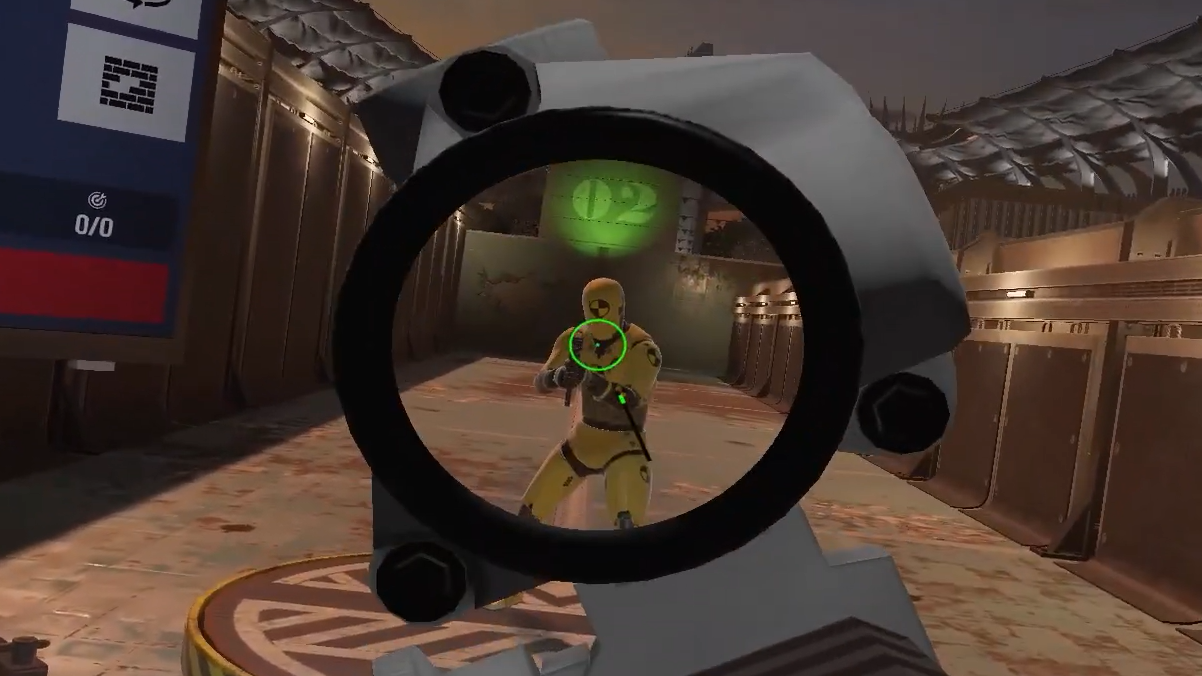
Mozzie regains the Super Shorty shotgun as a secondary weapon, a tool he lost several years ago. That small line in the patch notes has big practical consequences for how Mozzie can be played.
With the Super Shorty back in his pocket, Mozzie can once again remodel sites, open rotation holes, and create lines of sight on his own. This shores up his flexibility as both a roamer and a site anchor, especially on bombsites that benefit from quick soft destruction. His primary weapons remain unchanged, but the secondary shotgun reduces the need to stack extra shotgun operators purely for map work.
Echo: three Yokai drones instead of two
Echo’s Yokai drones are already strong denial tools, so Y10S4.2 does not touch their stun effect or core mechanics. Instead, the update adds one more to the pool, bringing the total from two Yokai drones to three.
The extra drone widens Echo’s influence across the map. He can now cover more entrances, stagger his utility across the round, or dedicate one Yokai to late-round plant denial while the others handle mid-round intel. The intention is not to increase the individual power of a single stun, but to give Echo more chances to be relevant if a drone is destroyed early or mispositioned.
Operator refinement changes in Y10S4.2
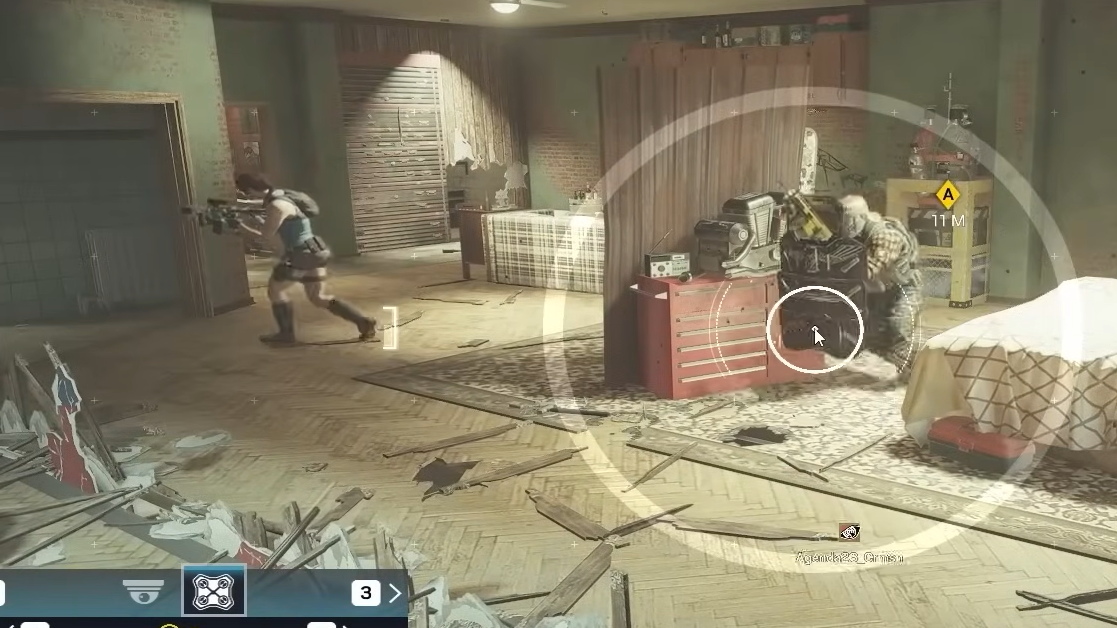
Several other operators receive focused “refinement” buffs. These are not meant to redefine roles but to make kits feel smoother and more dependable in high-pressure rounds.
Osa: faster Talon Shield deployment
Osa’s Talon Shield now deploys in 1.8 seconds instead of 2.3 seconds. That half-second matters when swinging angles or setting up cover under fire. Faster deployment means you can commit to forward plays or plant setups with slightly less exposure, making Osa more comfortable to play aggressively rather than being locked into slow, methodical pushes.
Capitao: longer burning time on Incendiary Bolts
Capitao’s Incendiary Bolts now burn for 13 seconds instead of 10. The fire’s footprint and behavior stay familiar, but the longer duration makes it more reliable for delaying defuses, blocking doorways, or forcing defenders out of entrenched power positions.
This shift pushes Capitao further into a round-denial niche. A single well-placed bolt can buy significantly more time on the clock, especially in the last 20–30 seconds of a round where defenders are already under pressure.
Lion: longer EE-ONE-D scan window
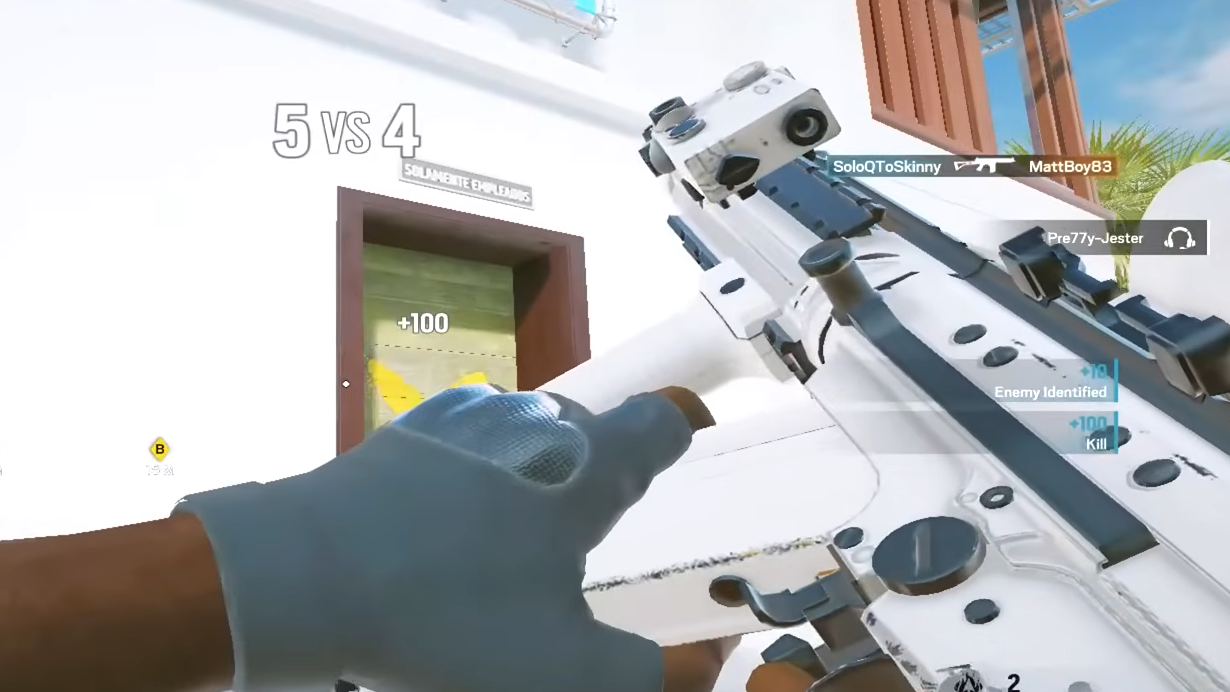
Lion’s EE-ONE-D scan now tags movement for 3 seconds instead of 2. That added second might sound small, but it directly affects how easy it is for teammates to react to the pings and swing on exposed defenders.
The aim is to make Lion’s information easier to coordinate around in real time. With a slightly longer tracking window, teammates have more time to line up pre-fires, call rotations, or collapse on a detected roamer without needing perfect timing.
Maestro: Evil Eye stays active longer
Maestro’s Evil Eye cameras now have 8 seconds of battery life instead of 6. Because battery life and recharge time share the same value, the recharge window also increases to match the new duration.
In practice, this means Evil Eyes can stay open longer to chip away at attackers or destroy drones and gadgets before they overheat and close. If attackers do not deal with them decisively, the incremental damage and utility denial from these extra seconds add up over the course of a round.
Jackal: Eyenox scans reach farther
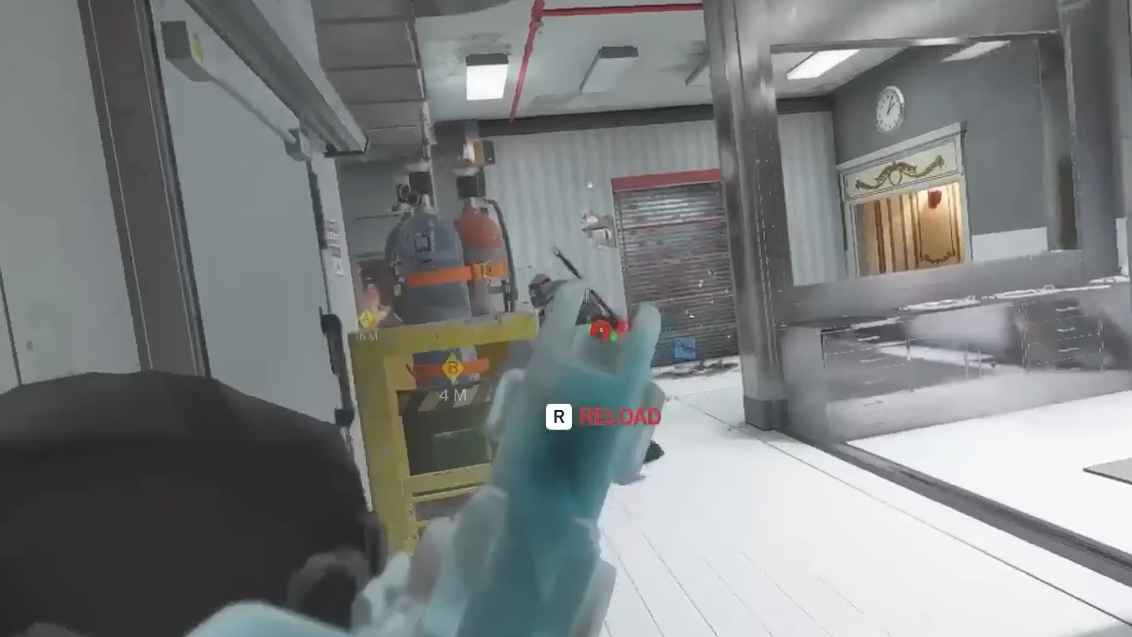
Jackal’s Eyenox Model III scanning range increases from 8 meters to 12 meters. The footprint of the gadget’s fundamental behavior does not change; it still scans footprints and provides pings on tracked defenders. The difference is comfort and reliability in awkward positions.
The wider range makes it easier to use Jackal from outside the building, down long hallways, or across floors without needing to stand directly on top of a footprint. This not only improves safety while scanning but also makes his tracking tool feel less finicky in large, open interior spaces.
UMP45: damage and recoil brought up to par
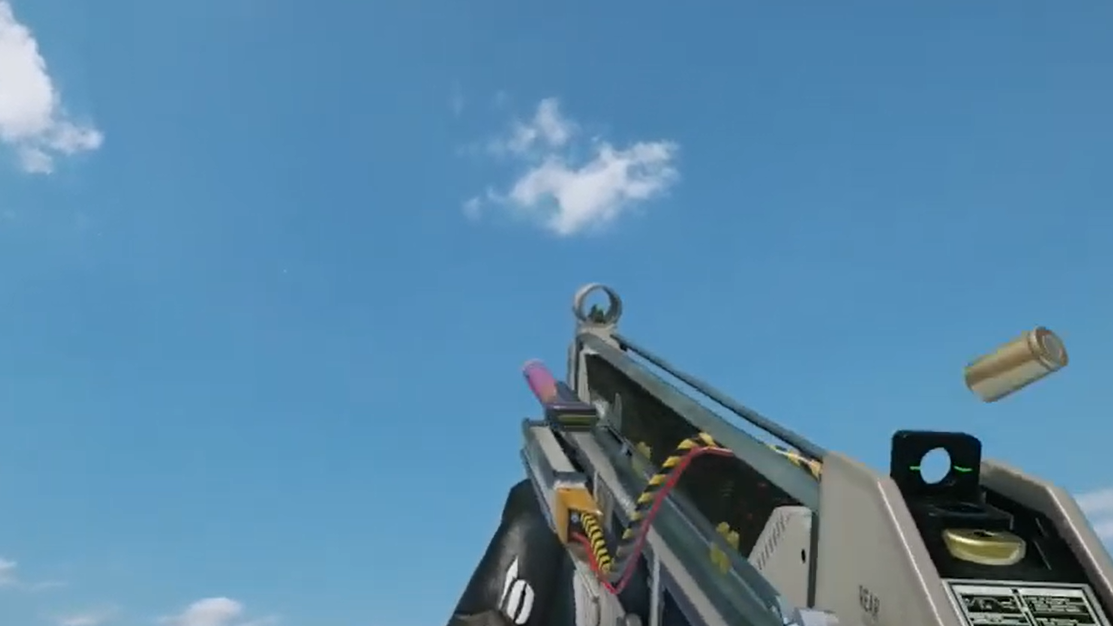
The UMP45 has lagged behind other SMGs due to its low rate of fire and modest damage profile. Y10S4.2 nudges it forward with two changes: base damage increases from 38 to 42, and lateral recoil is improved.
| UMP45 stat | New value / behavior | Previous value / behavior | Practical effect |
|---|---|---|---|
| Damage | 42 | 38 | Three body shots now down every base armor type under standard conditions. |
| Lateral recoil | Reduced horizontal sway | Less stable horizontally | Makes extended bursts and medium-range fights more consistent. |
These tweaks bring the UMP45 closer to the performance of other defender SMGs without turning it into a high fire-rate laser. Operators who rely on it gain more confidence in quick trades and crossfire holds, particularly when they do not have time to line up perfect headshots.
Gameplay and bug fixes in Y10S4.2
Beyond operator balance, Y10S4.2 ships several targeted fixes that address map quirks, AI behavior, and small quality-of-life issues.
Core gameplay fixes
- Outdoor detection on Fortress: Operators are no longer incorrectly flagged as being outdoors when moving through the 2F Courtyard Corridor on Fortress. This prevents accidental “outside” pings and unintended pressure from automatic detection.
- AI defuser handling: AI-controlled operators now correctly pick up the defuser when it is dropped at the base of a long staircase on any map, reducing soft locks or stalled rounds in PvE modes.
- AI contextual pings: AI operators can no longer spam contextual pings without cooldown. Their ping behavior now aligns more closely with player expectations.
- PMR90A2 recoil behavior: The PMR90A2 marksman rifle now respects a maximum firing capacity on vertical recoil, removing an anomaly where vertical kick did not behave as expected over long strings of shots.
- EMP and metal detectors on Kanal: EMP gadgets now correctly disable the metal detectors in 1F Reception on Kanal, restoring consistent interactions between electronic disruption tools and that map’s security devices.
Level design, UX, and audio fixes
- Vaulting blockage on Fortress: Chests placed in front of a desk in 2F Commander’s Office on Fortress no longer block the desk from being vaulted. Movement and vaulting options in that room now work as intended.
- Report Player navigation: Players can again navigate the Report Player side panel while in a match. This smooths out the process of reporting disruptive behavior without leaving the current game flow.
- Melee handling audio: Weapon handling sound effects now play correctly when performing a melee attack, closing an audio gap that could make melee actions feel disconnected from the weapon in hand.
Y10S4.2 does not overturn Siege’s meta, but it clearly favors defenders and utility-focused operators. Thorn finally has the bite to match her bark, Mozzie and Echo regain some prominence through extra tools, and a collection of small refinements makes longstanding picks feel a bit more dependable in modern Siege X.