

Shields in Marathon function as your runner's primary layer of protection. Once they're gone, you're one burst away from losing everything in your kit. The problem most new players run into isn't understanding what shields do — it's figuring out where to actually obtain them. The armory tooltip tells you to buy shields there, but the path to purchasing them is less obvious than it should be.
Quick answer: Open your Vault (press V), go to the Armory, and look under faction vendors — shield chargers are sold under the consumables-adjacent listings. To unlock the material barter option (which is significantly cheaper than spending credits), level up the NuCaloric faction and unlock its upgrade path. NuCaloric also provides a limited number of free shield recharges each day.

Buying shield chargers from the Armory
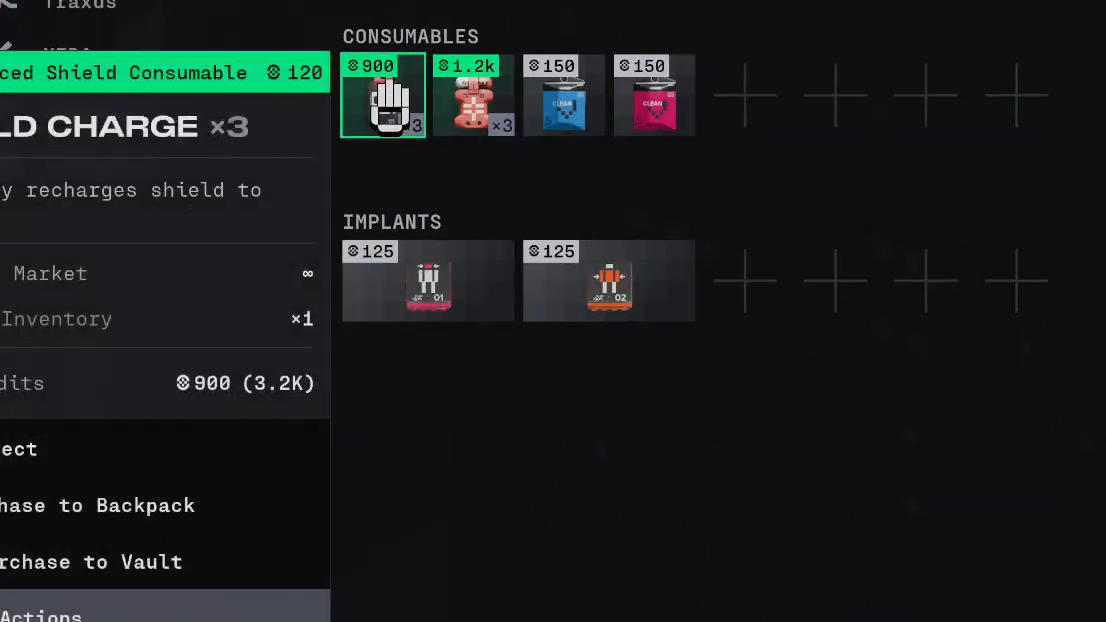
To purchase shield chargers, press V on the main menu to open your Vault, then navigate to the Armory. From there, select any faction vendor. Most factions sell shield chargers, but the price varies depending on your faction rank. At lower ranks with certain factions, a single shield charger can cost around 1,200 credits. With higher-ranked factions, the same item drops to roughly 415 credits. Click the item and select "Purchase to Backpack" to send it directly to your inventory.
One important distinction that trips people up: the items labeled as shield chargers in the Armory are consumable restores, not equippable shield mods. They replenish your existing shield bar rather than adding a new shield slot. If you're looking for actual shield mods that grant +1, +2, or +3 shield capacity, those are separate items found through different means.
Unlocking NuCaloric barter trades
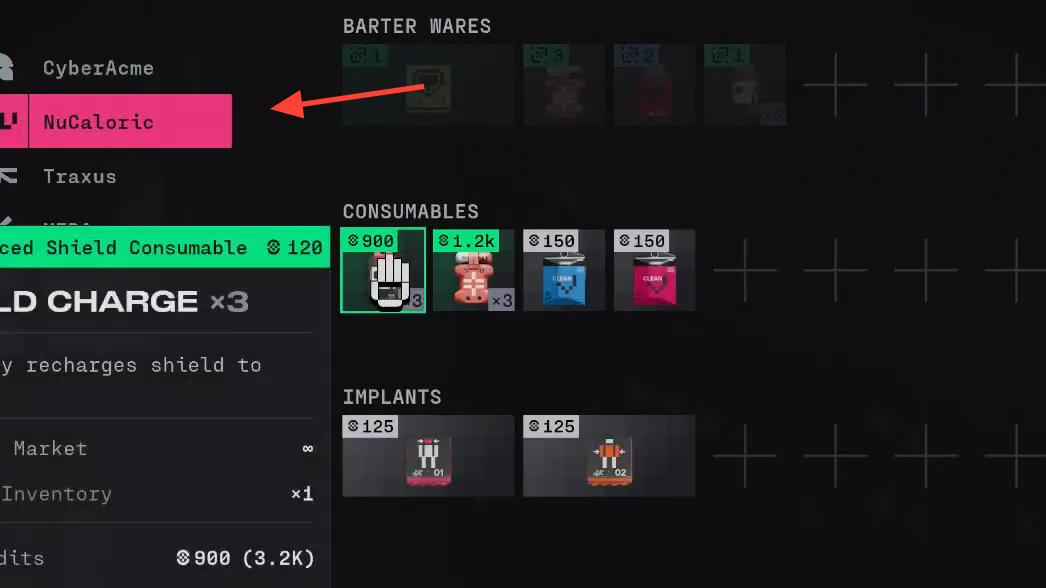
Spending credits on shield chargers adds up fast, especially early on. The far more efficient route is to level up the NuCaloric faction until you unlock the material exchange option. Once unlocked, you can trade salvage materials you've collected during runs instead of paying credits. Since salvage materials are abundant if you loot thoroughly, this effectively makes shield chargers much cheaper.
NuCaloric also offers a small daily allotment — roughly three free recharges per day. This won't sustain heavy PvP play on its own, but it provides a baseline so you're never entering a raid completely unshielded. Completing faction quests accelerates your NuCaloric rank, so prioritize those early.
Finding shields during runs
Shield chargers and depleted shield items spawn inside containers scattered across each point of interest. Many players run past wall-mounted containers and floor canisters without realizing they hold medical supplies and shield restores. Learning the fixed spawn locations in each POI pays off over time — bio canisters in particular are easy to overlook but frequently contain shield-related loot.
Dead UESC enemies can drop depleted shield items as well. Looting everything you come across, even items you don't immediately need, lets you sell high-value gear after extraction and funnel those credits back into shield purchases. You can toggle an item value display in the bottom-left corner of your inventory screen to quickly identify what's worth picking up.

Shield mods and how they differ from chargers
Shield mods are equippable items that increase your maximum shield capacity — a +1 mod adds an extra shield bar, while +2 and +3 mods add more. These are distinct from consumable shield chargers and make a dramatic difference in survivability. The +1 shield mod occasionally appears in the Armory, but its availability appears to be limited to once per day. Higher-tier mods (+2 and +3) are locked behind faction progression.
The most reliable way to get shield mods right now is to take them from other runners. Killing an enemy player and looting their body can yield equipped shield mods, and since these items are reusable until lost on death, they're among the most valuable things you can strip from a kill.
Rook runs and sponsored kits
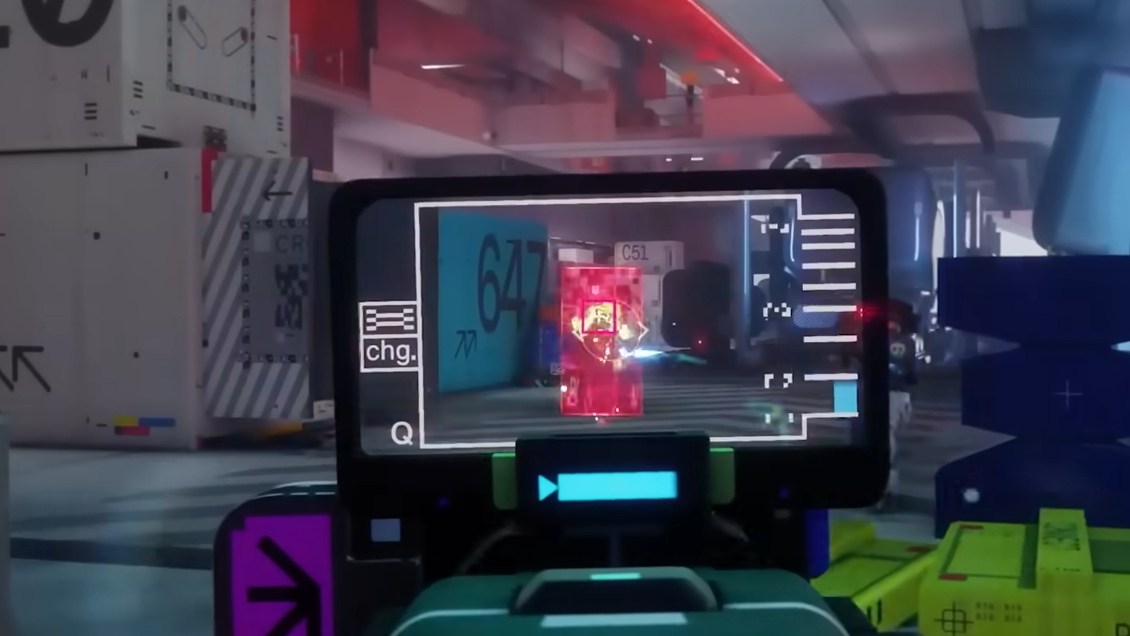
Rook runs are low-risk deployments that cost nothing to enter. They're an effective way to accumulate salvage materials and credits without putting your good gear at risk. Run a few Rook sessions, stockpile materials, then convert those materials into shield chargers through the NuCaloric barter system.
Sponsored kits work similarly — they're free loadouts you can take into runs. Using sponsored kits for routine scavenging sessions means you can save your actual shield chargers and medical supplies for PvP-focused raids where they matter most.

Playing Triage for free healing and shields
The Triage game mode provides free heals and shield restores during play. If you're running low on supplies and don't want to spend credits or materials, queuing into Triage is a zero-cost way to top off. It won't build up a stockpile in your stash, but it keeps you in the fight without burning through your reserves.
Shield management in Marathon is deliberately tight. The game limits how many shield chargers you can buy per day and keeps in-raid spawns weighted toward lower-quality items. The intent is to punish reckless play and reward runners who manage their kit carefully. Going into a raid fully stocked, fighting efficiently, and extracting with loot is the core loop — and keeping a healthy shield supply is what makes that loop sustainable. Prioritize leveling NuCaloric early, loot aggressively during every run, and don't hesitate to take shields off enemy runners when the opportunity presents itself.