

Weapons in Code Vein II are the main way Revenant Hunters deal damage and apply their formae, but the game expects you to understand what each weapon family is really for. There are seven weapon types in total: One-Handed Swords, Two-Handed Swords, Twin Blades, Bayonets, Halberds, Hammers, and Rune Blades.
Quick answer: Code Vein II has seven weapon types: One-Handed Sword, Two-Handed Sword, Twin Blade, Bayonet, Halberd, Hammer, and Rune Blade. Light swords and Twin Blades focus on speed and combo chains, Two-Handed Swords and Hammers on slow, heavy Crush damage, Halberds on mid-range control and Pierce/Slash coverage, Bayonets on hybrid melee plus gunfire, and Rune Blades on floating, formae-focused techniques that pair with long-range and buff-style abilities.
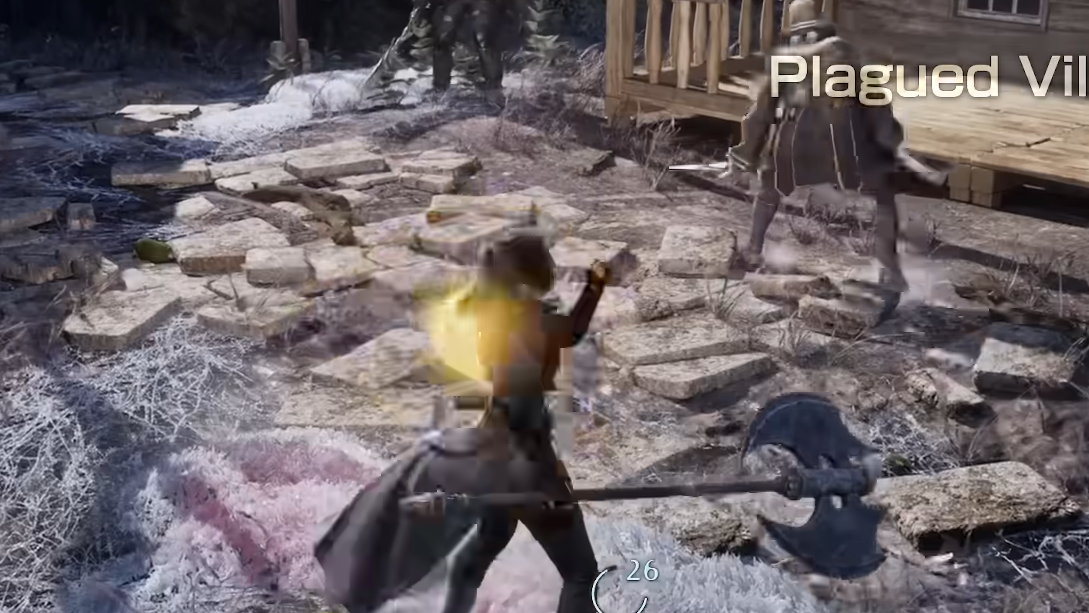
Code Vein II weapon types and core behavior
Every weapon type has its own moveset, reach, speed, and typical stat lean. These behavior patterns stay consistent across individual weapons in that category, even though specific weapons add different Weapon Formae, elements, and stat requirements.
One-Handed Sword
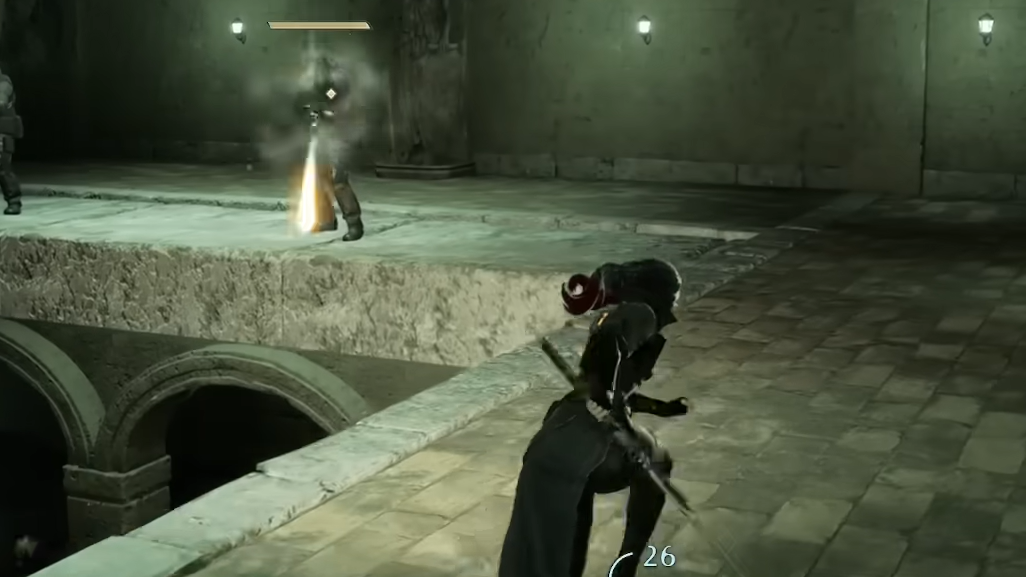
One-Handed Swords are the baseline melee option. Their normal strings link easily into different finishers, with a mix of quick slashes, thrusts, and spinning strikes. They are designed to be easy to handle and are explicitly positioned as a good starting choice for new players.
Mechanically, One-Handed Swords sit in the middle on almost every axis. They have:
- Moderate attack speed with reliable combo chains.
- Solid but not extreme reach, with some weapons gaining long thrusts.
- Access to a wide variety of Weapon Formae, including gap closers, counters, and damage buffs.
Because of that breadth of compatible formae, One-Handed Swords are the most flexible type to pair with different Blood Codes. You can push them toward Strength for heavier Slash, toward Dexterity for faster pokes and crit-focused kits, or toward Mind/Willpower with hybrid weapons like Ame-no-Habakiri Greatsword that add Blood element damage.
Two-Handed Sword
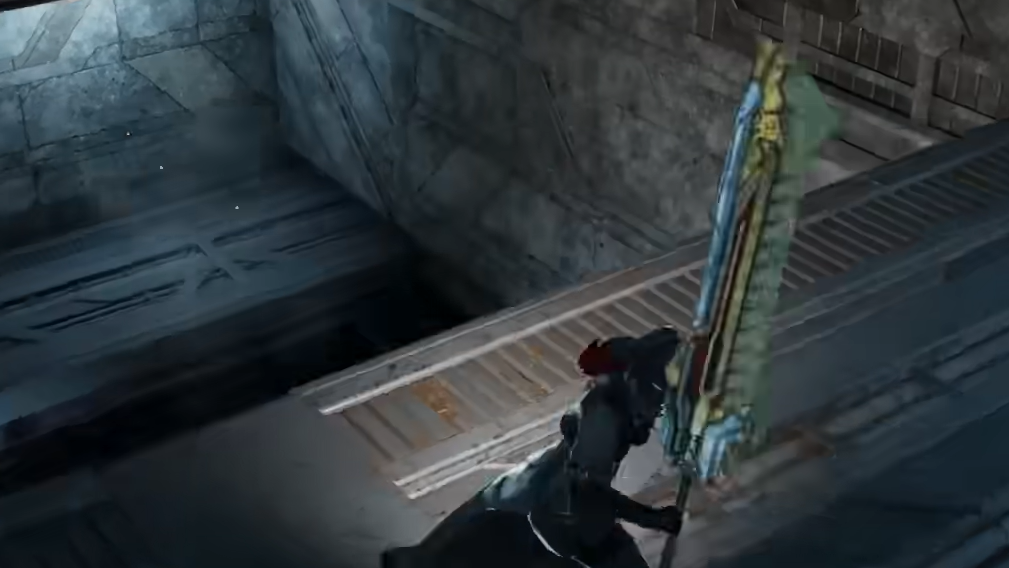
Two-Handed Swords are heavy blades with long reach and slow, deliberate swings. Their defining mechanic is trading mobility and startup for very high per-hit damage and strong stagger potential.
Common traits across this type:
- Long, sweeping arcs that cover a wide area in front of you.
- Chargeable slashes that increase both damage and reach when held.
- High Strength requirements and scaling, sometimes supported by Vitality or Fortitude.
Many Two-Handed Swords include Weapon Formae like Coffin Breaker or Judgement Cutter that emphasize big commitment swings, along with utility formae such as Immortal Bane or Guard Reversal. If an enemy is weak to Crush or heavy Slash and telegraphs its attacks clearly, this type can delete large chunks of its health bar per opening.
Twin Blade
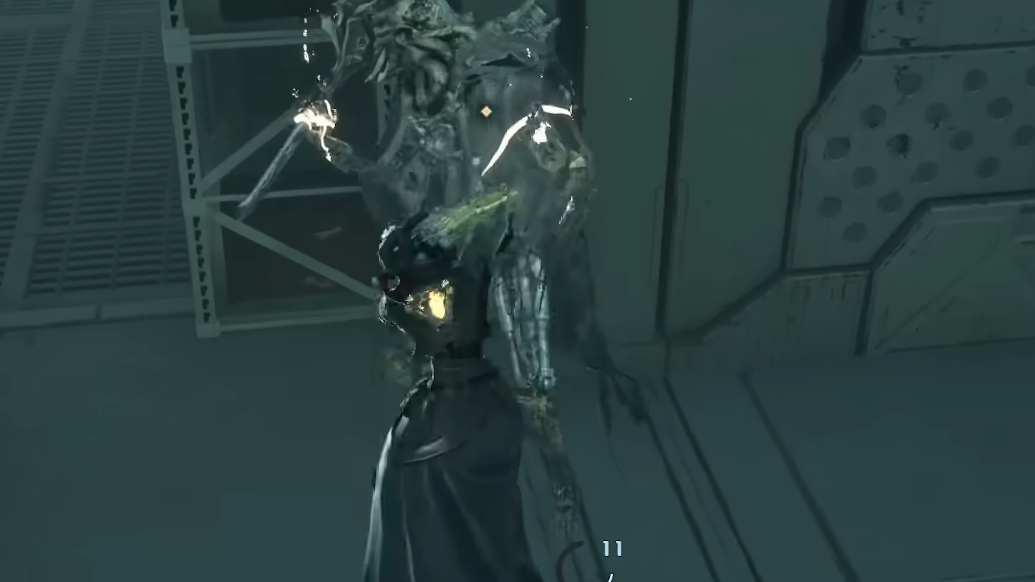
Twin Blades are a new weapon type introduced for Code Vein II. They focus on speed, mobility, and multi-hit strings rather than single heavy blows.
The type behaves in three key ways:
- Very fast attack chains that keep you close to enemies.
- High Handling values, making stamina usage efficient over repeated swings.
- Excellent synergy with status and drain mechanics, since many hits mean faster buildup.
Twin Blades are ideal when you want to inflict wounds or debuffs quickly, or when you plan to lean on Drain Attacks that scale with the number of hits. Weapons like Ancient Hunter's Twin Blades and VK Dual Blades lean more into Dexterity, while Twin Fangs of the Lone Wolf pushes toward Mind and Willpower and bakes in elemental Weapon Formae such as Blazing Roar and Lightning Chain.
Bayonet
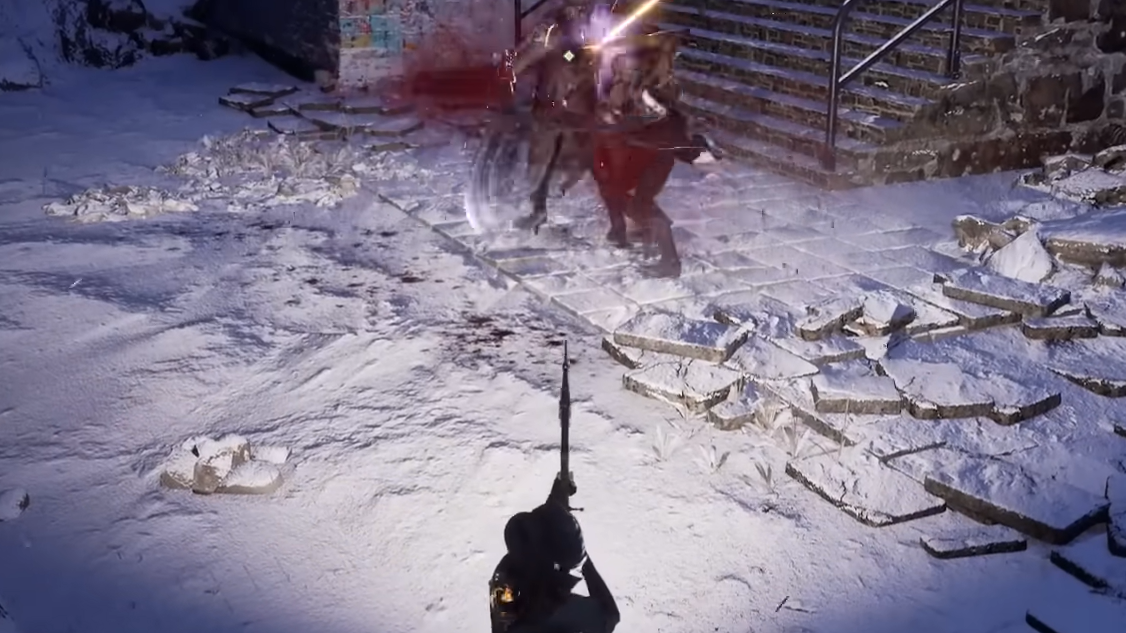
Bayonets are hybrid weapons that combine melee stabs with ranged gunfire. The core mechanic of this type is mode switching: you alternate between close-range blade attacks and shots fired from the rifle barrel.
Shared properties across Bayonets include:
- Access to ranged Weapon Formae that fire powerful shots or barrages.
- Reasonable melee strings using Slash and Crush to keep enemies off you up close.
- Stat requirements that favor Dexterity, sometimes supported by Willpower, Strength, or Mind, depending on the weapon.
Because they can apply pressure at a distance and then finish at melee, Bayonets are well-suited to kiting, softening up groups, or exploiting elemental weaknesses at range. Weapons like VK Rifle and standard Bayonet focus on Dexterity-heavy gunplay, while variants such as Resurgence Flame Bayonet add Fire and Willpower scaling for a more caster-leaning hybrid setup.
Halberd
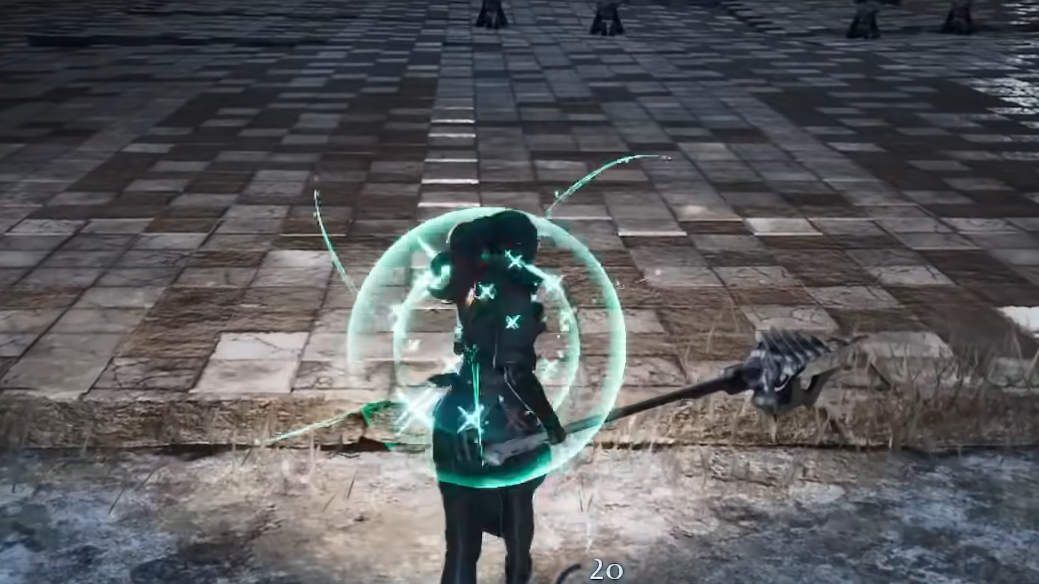
Halberds are long-hafted heavy weapons that excel at mid-range control. Their defining mechanic is 360-degree and forward coverage using wide sweeps and long pokes, letting you manage groups without standing directly on top of them.
Across the type, you consistently see:
- Long reach with both horizontal slashes and piercing lunges.
- Formae tuned for space control, such as Flash Javelin, Severing Abyss, and Mad Turbulence.
- Strength and Dexterity requirements that can shift toward either heavier Crush damage or fast Pierce-focused play.
Some Halberds, like VK Halberd or Bardiche, are straightforward Strength/Dexterity weapons for frontline duty. Others, such as Lance of the Moon King, integrate Mind and Willpower and carry multiple Weapon Formae, making them suitable for hybrid “battle mage” builds. Weapons like Impaler lean into Dexterity and Pierce damage, while Obliterator Axe and Iron Mass: Heavy Halberd push Strength and Crush to extremes.
Hammer
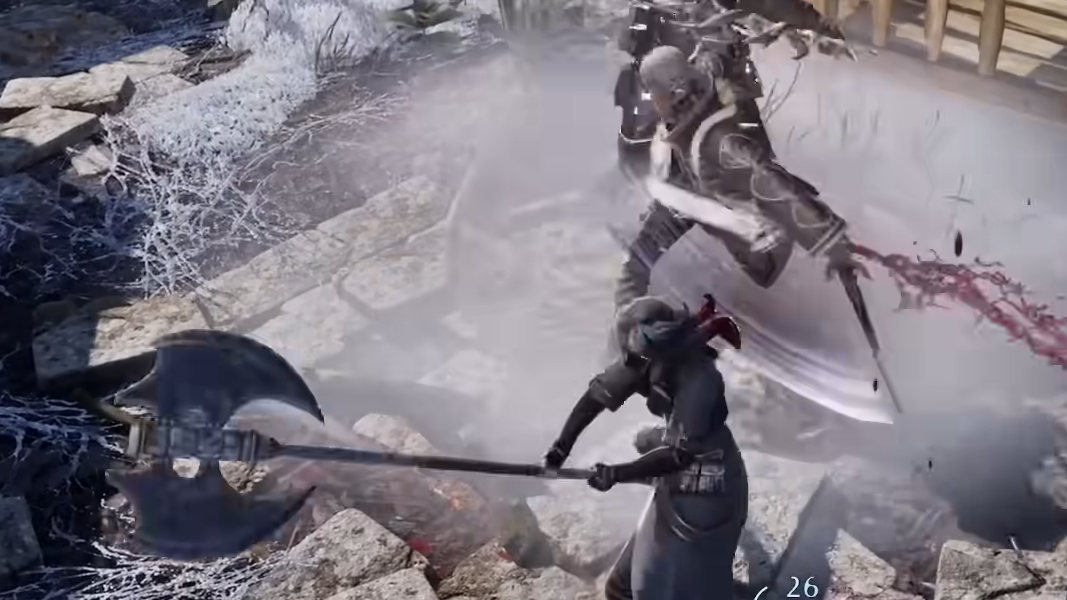
Hammers are short-range, high-impact heavy weapons. They deliver some of the strongest single-hit damage in the game and are particularly good at disrupting enemy stances and staggering tough targets.
Typical behavior for this type:
- Slow swing speed with huge Crush damage per hit.
- Access to slam-style Weapon Formae such as Gaia Impact, Mighty Smash, Doomfall, or Endless Onslaught.
- High Strength requirements, sometimes backed by Vitality, Fortitude, or Mind.
Many Hammers also gain special attacks that leap and slam into the ground or generate shockwaves around the wielder, helping you handle groups even with short native reach. Ancient Hunter's Hammer is a mid-tier Strength weapon, while Forma Mech-Hammer Goliath and Huge Hammer drive Strength scaling to S or A+ and become late-game power options. Tainted Hammer and Tyrant's Labrys add Blood-related mechanics, letting you combine raw impact with Blood damage or formae such as Flashing Fang.
Rune Blade
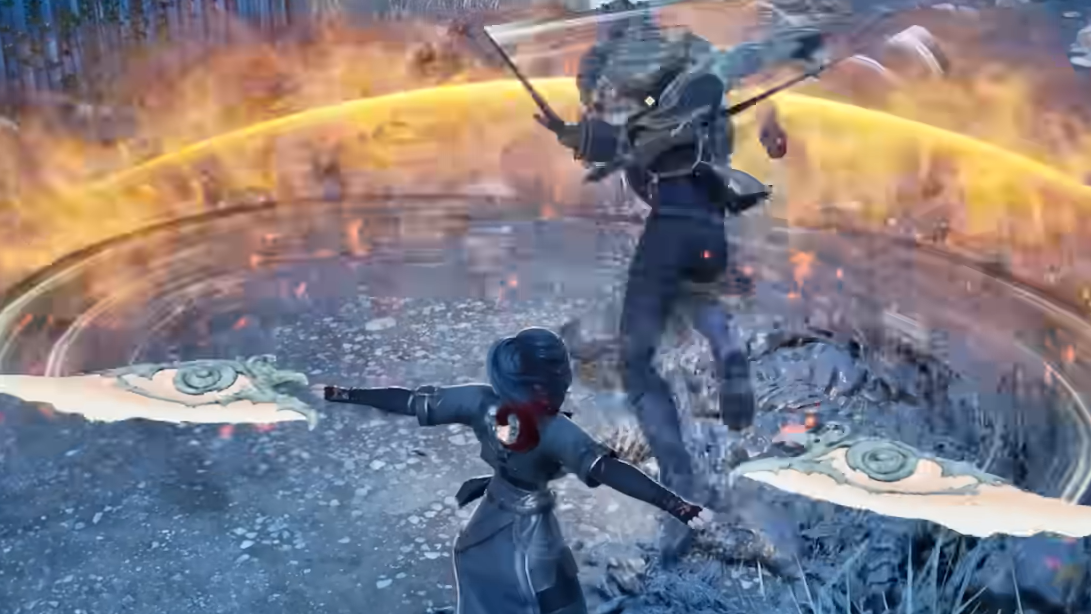
Rune Blades are another new weapon type for Code Vein II. Instead of being held in your hands, these blades float around you, controlled by the power of formae. That unlocks movesets that look closer to martial arts paired with telekinetically directed swords than traditional melee swings.
This type has a distinct behavior profile:
- Acrobatic normal attacks that weave in kicks, flips, and mid-air slashes.
- Very strong interaction with long-range and ability-enhancing Formae, both offensive and supportive.
- Stat requirements that lean into Mind and Willpower, or Dexterity plus Willpower, more than pure Strength.
Weapons like VK Rune Blades and Ancient Hunter's Rune Blades use Willpower and Dexterity to create a hybrid between spellblade and melee. Others, such as Glutton's Eye or Bloodrune, push Mind or shared Mind/Willpower scaling and bring Weapon Formae like Orbital Blade or Gatling Gun Organ, turning the weapon into a core part of caster-focused builds. The Crimson Floating Swords variant adds Fire, making it especially useful when enemies are vulnerable to Fire and Slash at the same time.
How weapon types interact with Blood Codes, status, and elements
Weapon types are only one part of the combat system. Each weapon’s parameters and compatible Formae interact directly with Blood Codes, Blood Veils, and enemy weaknesses.
Important mechanical links:
- Stat scaling and Blood Codes – Weapon types have typical stat affinities (for example, Strength for Hammers and Two-Handed Swords, Dexterity for Twin Blades and some Bayonets, Mind/Willpower for many Rune Blades). Matching that with a Blood Code that boosts the same stats increases damage and Forma effectiveness.
- Physical damage types – Different attacks within a type can deal Slash, Crush, or Pierce. Halberds often mix Slash and Pierce, Hammers emphasize Crush, and swords focus on Slash with some Pierce variants. Choosing the right weapon type lets you exploit enemies that resist one physical type but fold to another.
- Status effects and multi-hit chains – Types with fast, repeated hits like Twin Blades, some One-Handed Swords, and certain Halberds are better for building Venom, Blood, or other ailment meters, especially when paired with Weapon Formae such as Focused Contamination or weapons that state “attacks inflict Venom buildup”.
- Element and range – Rune Blades and Bayonets often tie their kits to Fire, Lightning, or Blood-based formae and long-range skills, letting them act as conduits for elemental damage while still contributing melee output.
If a build is underperforming, the fastest way to correct it is to verify that the weapon type, the weapon’s main stat scaling, and your Blood Code are aligned, and that the physical and elemental profile of your attacks matches the weaknesses of the enemies you are fighting. Switching between these seven weapon families on the fly makes it possible to reshape your approach for each area, boss, or enemy group without rebuilding your character from scratch.