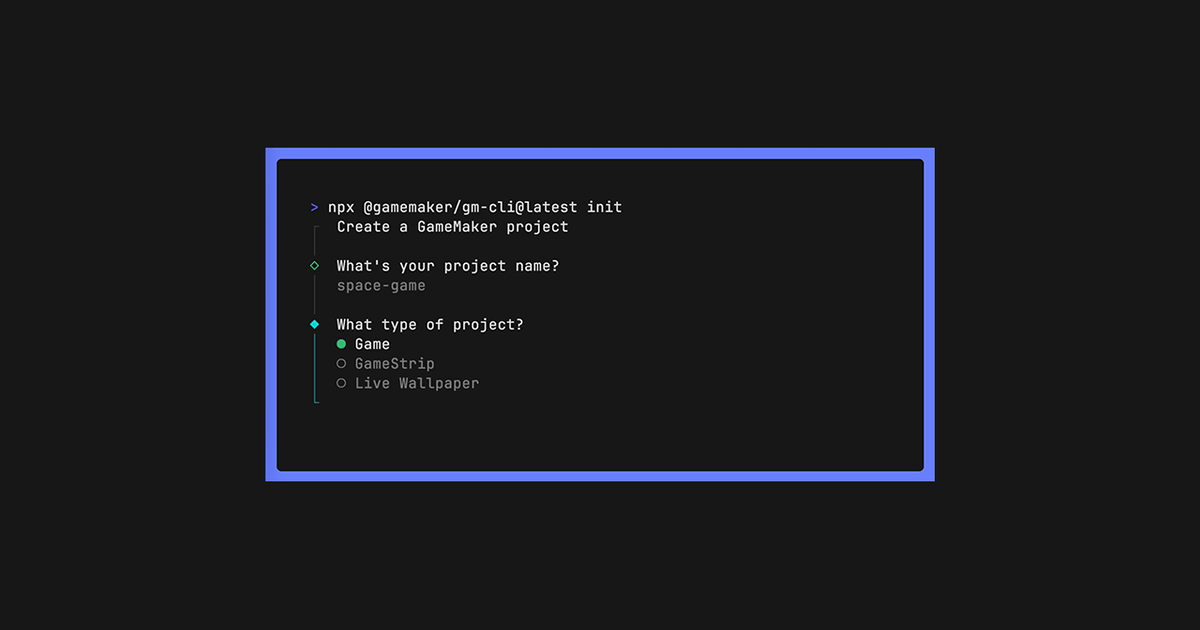
GameMaker now ships with Claude Code wired directly into its command line toolchain, GM-CLI. The integration arrived alongside GMRT, the new GameMaker Runtime announced from Dundee on 30 April 2026, and gives developers a way to drive routine engine tasks with natural language prompts in the terminal instead of clicking through the IDE.
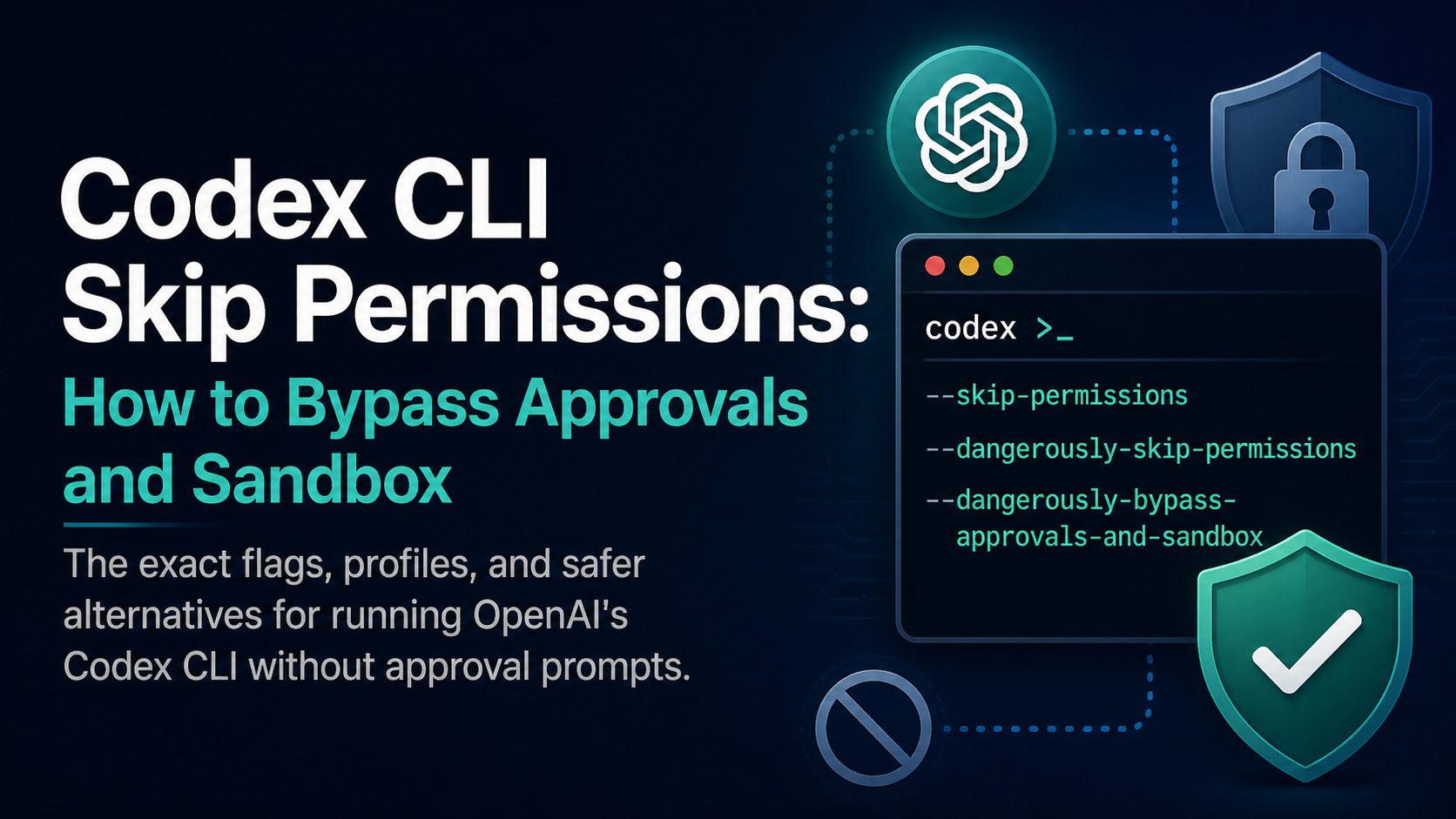
Quick answer: Claude Code is bundled inside GM-CLI, GameMaker’s command line toolchain. You invoke it from the terminal to query a project, debug code, or manage builds. It does not run inside the GameMaker IDE and is opt-in.
What the GameMaker Claude Code integration is
Claude Code is Anthropic’s developer agent. GameMaker has placed it inside GM-CLI, a new command line toolchain that works with both the new GMRT runtime and the existing runtime. The agent reads your GameMaker project, executes tool calls, and returns results in the terminal.
The integration sits in the CLI layer rather than the GameMaker user interface. Russell Kay, who leads the GameMaker project at Opera, has framed the design as deliberately external to the editor, with developers interacting with projects through the CLI, an API, GitHub Actions, or an MCP server. GameMaker itself does not run any servers for embedded AI tools.
What it actually does
Three workflows are confirmed for the initial release.
- Query a project’s structure, including objects, rooms, scripts, and resources, in plain English.
- Hunt down bugs by asking the agent to trace logic across GML and project files.
- Manage build configurations and trigger builds without opening the IDE.
Because GMRT moves project files to plain text, the agent can read and edit them the same way a human would, and changes can be tracked through Git diffs.
How the pieces fit together
| Component | Role |
|---|---|
| GMRT | New GameMaker Runtime, available on desktop at launch, source-available on desktop, mobile, and web in Q2 2026. |
| GM-CLI | Command line toolchain that drives builds, tests, and project tasks for both the new and existing runtimes. |
| Claude Code | Anthropic’s AI developer agent, included inside GM-CLI for natural language prompts. |
| MCP server | Optional Model Context Protocol surface that lets external AI clients talk to a GameMaker project. |
| API access | Programmatic entry point usable from scripts and from GitHub Actions for CI workflows. |
The CLI, API, and MCP server are complementary. You can use one of them, all of them, or none. The IDE workflow is unchanged for developers who prefer it.
Why the CLI and not the IDE
Putting the agent in the terminal keeps the editor untouched and makes the integration usable in headless setups. Studios can plug GM-CLI into existing build farms, automate tests, and let Claude Code generate diagnostic output inside a pipeline rather than inside the editor window. Solo developers can stay in the IDE and ignore the agent entirely.
The plain text project format is what makes this practical. Earlier GameMaker projects stored data in formats that did not diff cleanly. With GMRT, branches, code review, and merge conflicts behave the same way they do in any other modern engine workflow.
Languages and runtime context
GML remains GameMaker’s scripting language and is not being deprecated. GMRT also opens the runtime to JavaScript, TypeScript, and C#, with all three confirmed for rollout before the end of 2026. The Claude Code integration is independent of that language roadmap and works against project structure rather than a single scripting language.
How to know it is working
You can verify the integration the same way you verify any CLI tool. After installing GM-CLI, running it from a terminal in a GameMaker project directory should expose the Claude Code commands. A successful natural language prompt returns a response in the terminal, performs the requested action against the project files, and leaves a visible change you can confirm through a Git diff or a follow-up build.
If a prompt fails, the typical reasons are a missing or invalid Anthropic API credential, an unsupported project layout that has not yet been migrated to the GMRT plain text format, or running the command outside a recognised GameMaker project root.
Opt-in by design
Claude Code in GM-CLI is not enabled silently and is not embedded in the GameMaker editor’s default flow. Developers who do not want generative AI in their pipeline can keep using GameMaker exactly as before, including the existing runtime. For teams that do want it, the integration is positioned as one of the first AI-assisted workflows shipped natively with a mainstream game engine, alongside the broader move to a modular, source-available runtime.