

Quick answer: Buy single-harvest crops like carrots ($20 each), wait until they reach the Lush stage for a 3× sell multiplier, and stack weather mutations on them before selling. Reinvest profits into higher-tier single-harvest seeds like onions, beetroots, and eventually wheat.
Single-Harvest Crops Are Your Early-Game Engine
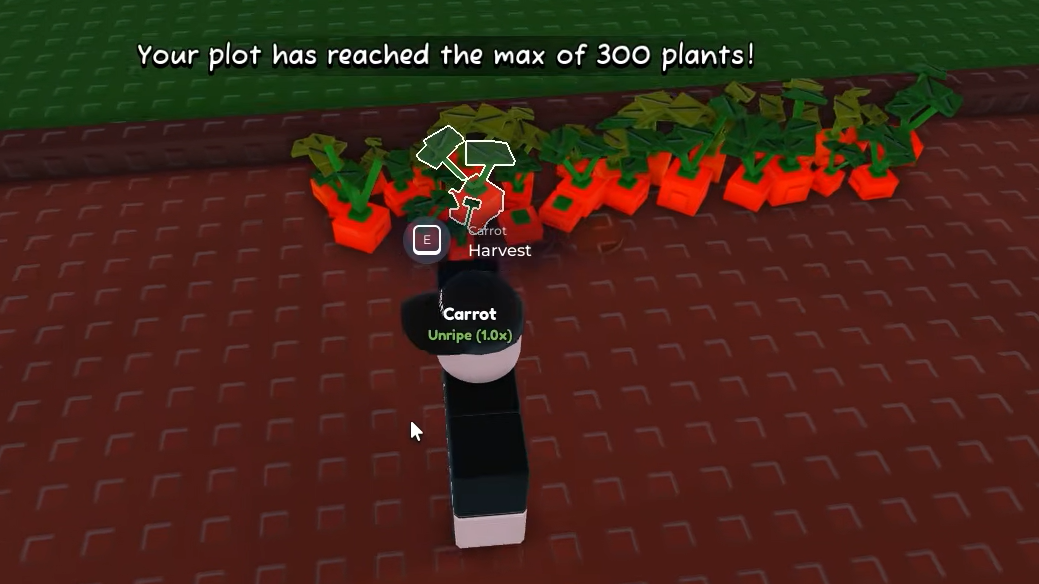
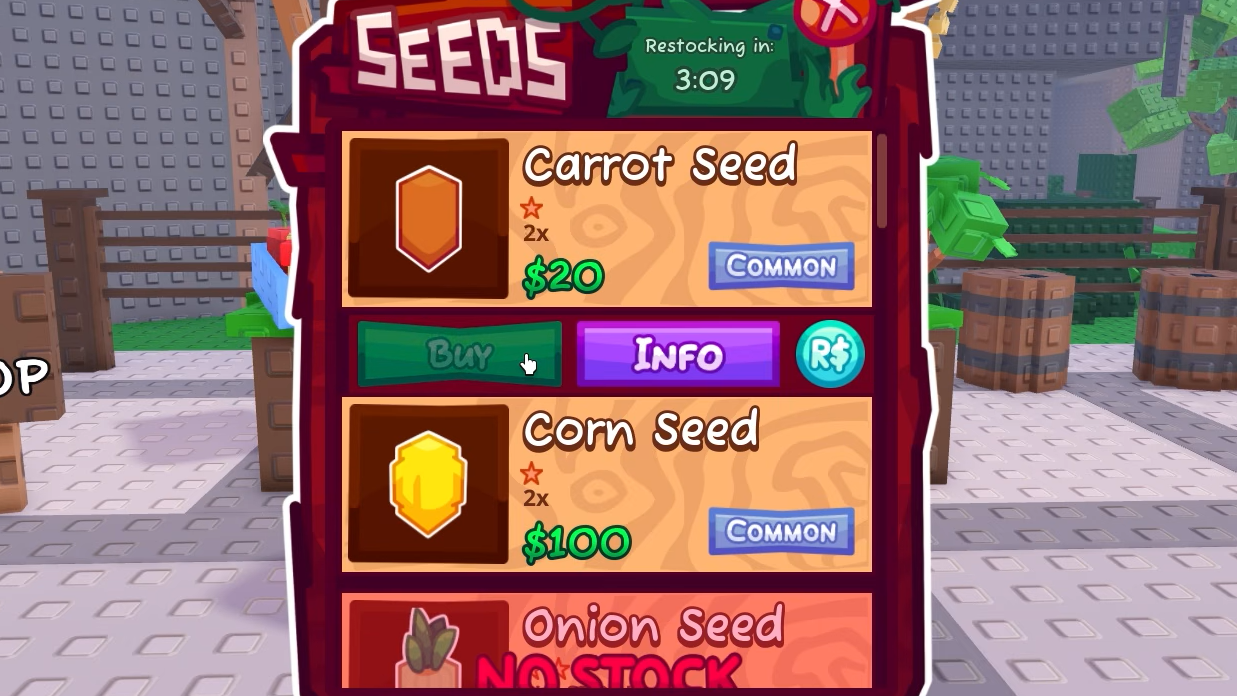
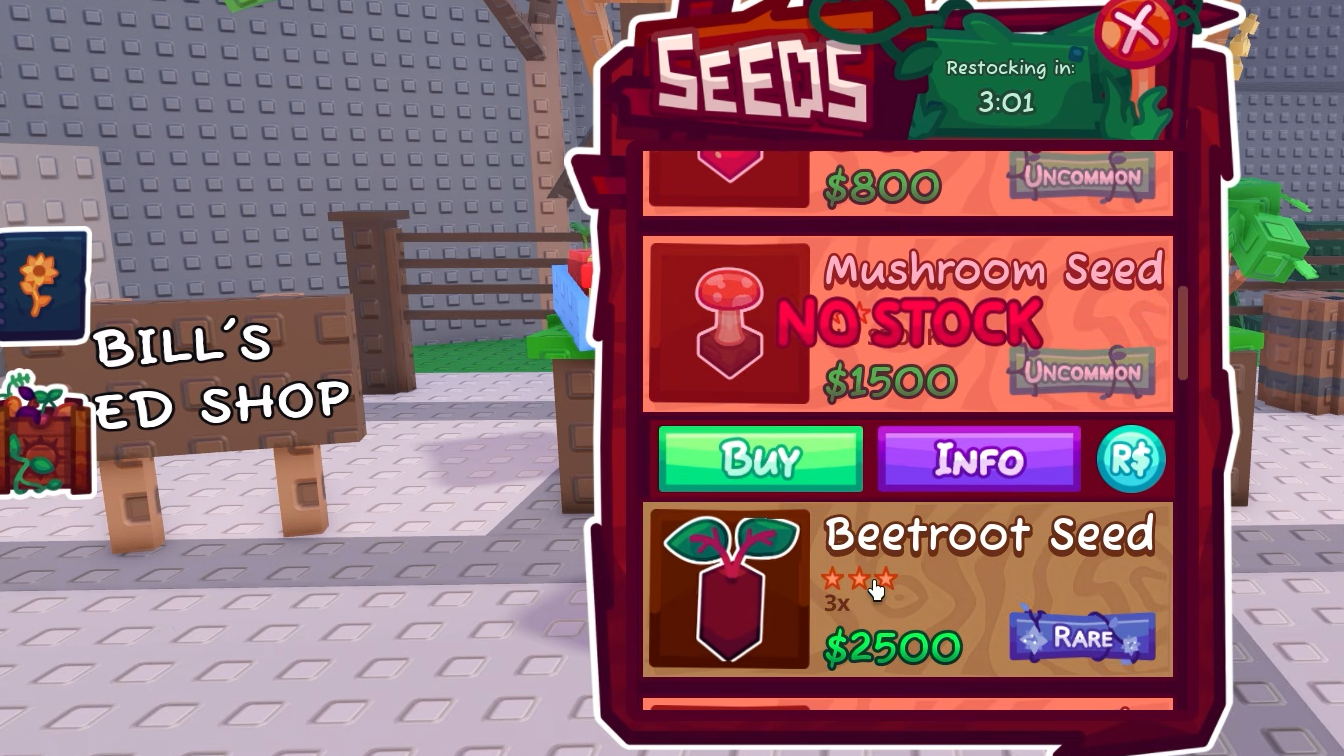
Garden Horizons uses an in-game currency called Shillings, and the fastest path to earning them early on is spamming single-harvest crops. Carrots cost just $20 per seed and are almost always available in the Seed Shop run by Bill in the central hub. They grow in seconds, and because they're single-harvest, you collect once, sell, and immediately reinvest. Multi-harvest plants like tomatoes and bell peppers have their place later, but they tie up plot space while you wait for repeated yields that won't outpace the raw speed of flipping cheap singles.
Once you've built a small bankroll from carrots, graduate to onions and beetroots. Both are still single-harvest, but their Lush sell prices jump significantly. Beetroots in particular represent a major income leap and can push you toward mid-game gear purchases within a few shop cycles.
Always Wait for Lush Before Selling
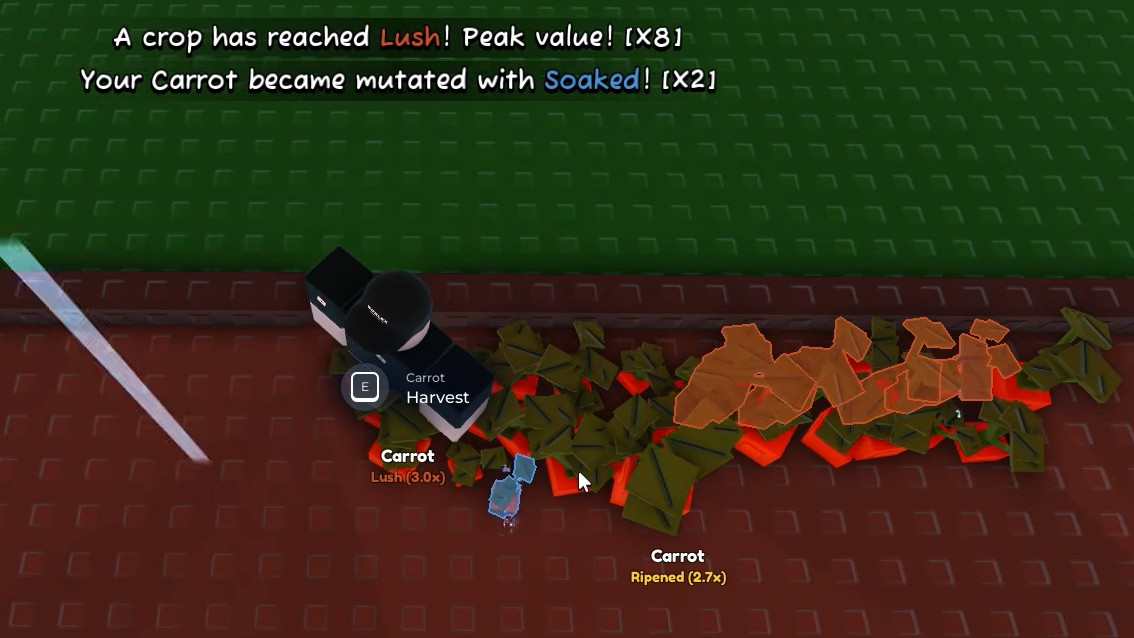
Every crop in Garden Horizons passes through three ripeness stages: Unripe (roughly 1.1× base value), Ripe (moderate boost), and Lush (a full 3× multiplier). Harvesting anything before it hits Lush is leaving money on the ground. Common crops like carrots reach Lush in about a minute, so the wait is trivial. Rarer plants such as Dawn Fruit or wheat take considerably longer — wheat needs around 10–12 minutes just to finish growing, and then additional time to ripen fully.
Ripening only progresses while you're online. Logging off won't advance your crops, so plan your sessions around letting high-value plants mature completely before you harvest and sell.
Stack Mutations Through Weather Events
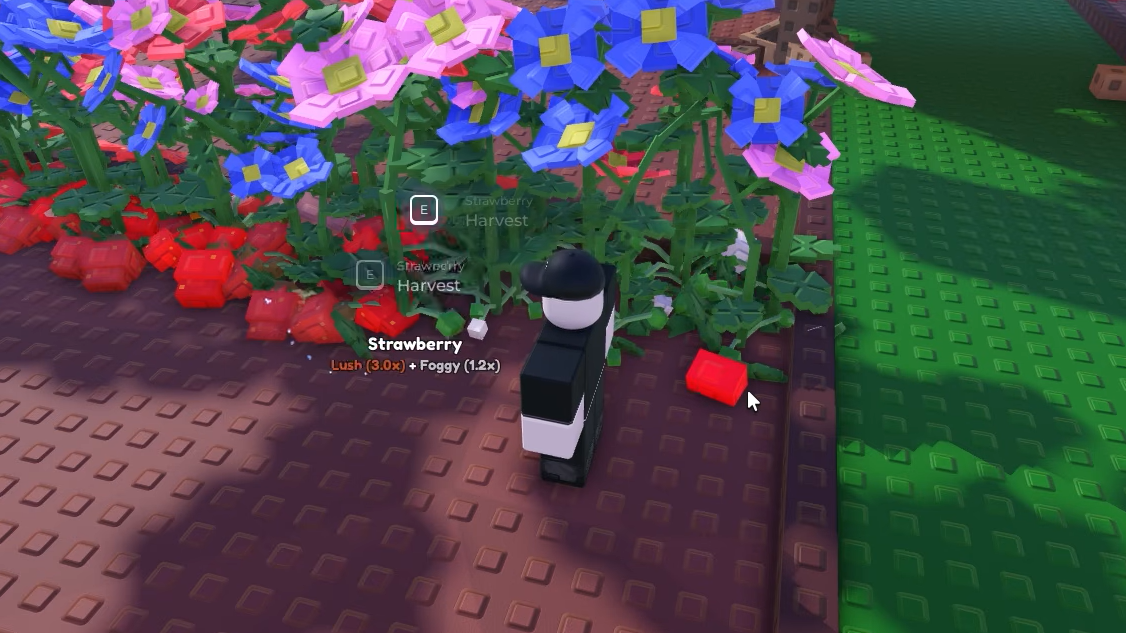
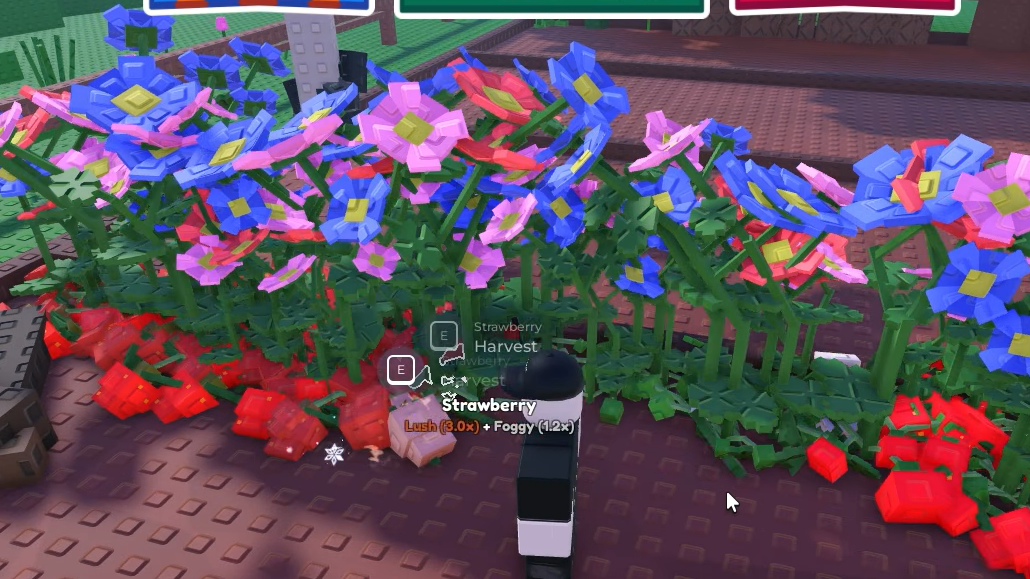
Weather is where the real profit multipliers live. Garden Horizons currently cycles through five weather types — foggy, rain, storm, snow, and starfall — each of which can apply a corresponding mutation to your growing crops. Foggy grants a modest 1.2× boost, while the rarest mutation, Starstruck, delivers a 6.5× multiplier on top of everything else.
Weather events trigger when the Seed Shop restocks and last for about five minutes. The optimal play is to buy all your single-harvest seeds the moment the shop refreshes, plant them immediately, and let the active weather apply mutations as the crops grow. If you don't urgently need cash, leave those mutated crops in the ground and wait for the next weather cycle. Mutations stack, meaning a crop that picks up Soaked from rain and then Chilled from snow will carry both multipliers when you finally sell it. This compounding effect is the single biggest income accelerator in the game.
Seed Shop Restocks Every Five Minutes
The Seed Shop's inventory rotates on a strict five-minute timer. Stock varies each cycle, and rarer seeds like wheat ($12k), banana ($30k), and cabbage appear infrequently. Checking the shop every reset is non-negotiable if you want to progress. Wheat is a standout mid-game seed — it's single-harvest with a base value of $7,000, meaning a fully Lush wheat crop with even one mutation can sell for tens of thousands of Shillings. Six pieces of wheat at just a 2.1× ripeness modifier have been shown to sell for over $100,000 combined.
If you can't monitor restocks constantly, the official Garden Horizons Discord server includes a stock notifier channel (called Dawn Stalks) that posts current seeds, gear, and weather in real time.
Pack Your Garden Densely and Organize by Crop Type
Plot space is finite, and future updates will likely introduce limited-time seed packs with exclusive plants. Wasting space now means shoveling valuable crops later. Group identical plants together in tight clusters — for example, dedicate one corner to a corn field and another to apple trees. This makes harvesting faster and leaves room for new additions without forcing you to destroy anything.
Dense planting also matters for sprinkler placement. Sprinklers boost crop growth and fruit size within a radius, so clustering high-value plants around a single sprinkler maximizes its effect. Stacking multiple sprinkler types (Basic, Turbo, and Super) in the same spot compounds their growth bonuses dramatically.
All Gear and When to Buy It
Gear is sold by Molly at the Gear Shop in the central hub. Early on, your Shillings are better spent on seeds, but once you're comfortably clearing $100k, gear purchases start paying for themselves quickly.
| Gear | Price | What It Does |
|---|---|---|
| Watering Can | $5,000 | Speeds up growth; usable up to three times per plant |
| Basic Sprinkler | $15,000 | Passive growth speed boost in a radius |
| Harvest Bell | $35,000 | Auto-harvests fully grown plants in an area |
| Turbo Sprinkler | $60,000 | Stronger passive growth boost |
| Favorite Tool | $80,000 | Locks a plant or tool so you can't accidentally sell it |
| Super Sprinkler | $100,000 | Maximum growth rate increase |
Place sprinklers centrally among multi-harvest crops to get the most value from their 15-minute active timers. The Harvest Bell is especially useful once your garden is large enough that manual harvesting becomes tedious.
Complete Daily and Weekly Quests for Free Seeds
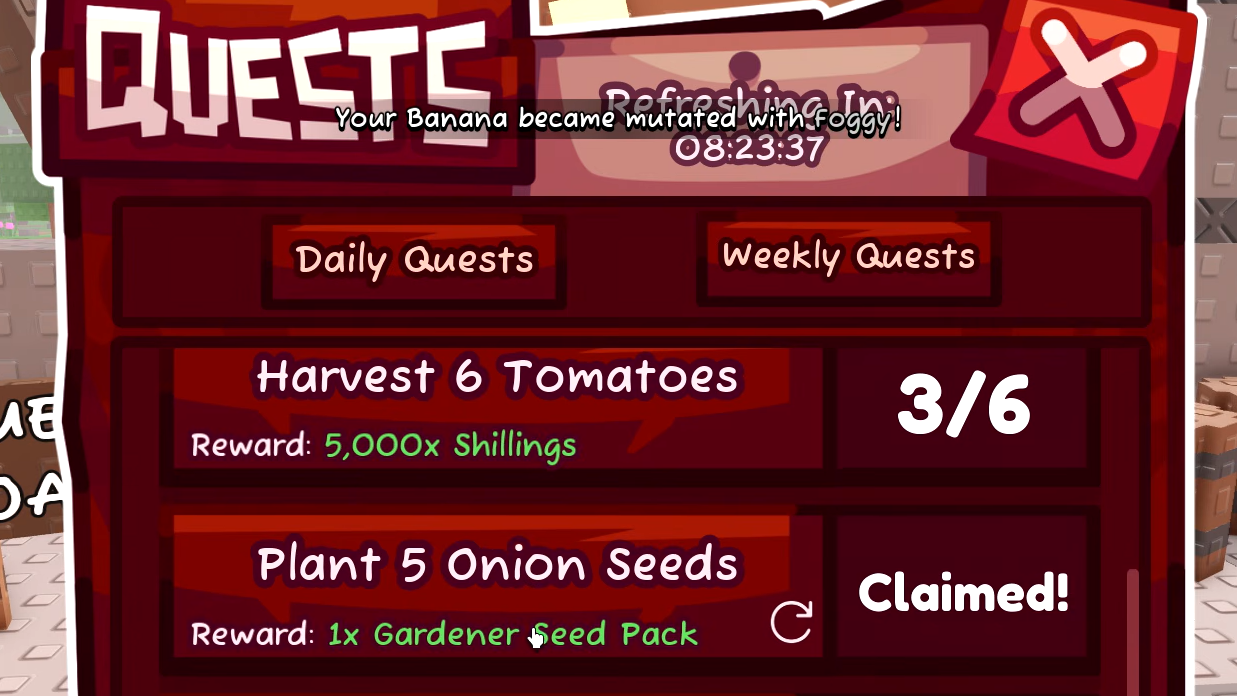
The quest board sits near the fountain in the central hub, right next to the shops. Daily quests reset every 24 hours and weekly quests every 7 days. Tasks are straightforward — plant a certain number of seeds, harvest specific crops, or earn a target amount of Shillings.
Daily quest rewards typically include cash and Gardener seed packs. Weekly quests are harder but can award Dawn seed packs, which have a chance of containing some of the best seeds in the game. Even if you're not actively chasing quests, many complete passively as you play. Check the board every session so you don't miss free rewards.
Fill Your Server With Friends for a Cash Boost
Every friend on the same server grants you a +5% cash boost on all crop sales. Servers hold up to six players besides you, so a full lobby of friends means a flat +25% bonus on everything you sell. If your actual friends aren't online, sending friend requests to active players on the server works just as well. The boost applies at the selling stall and stacks with all other multipliers, making it free money for doing nothing extra.
Redeem Active Codes for a Head Start
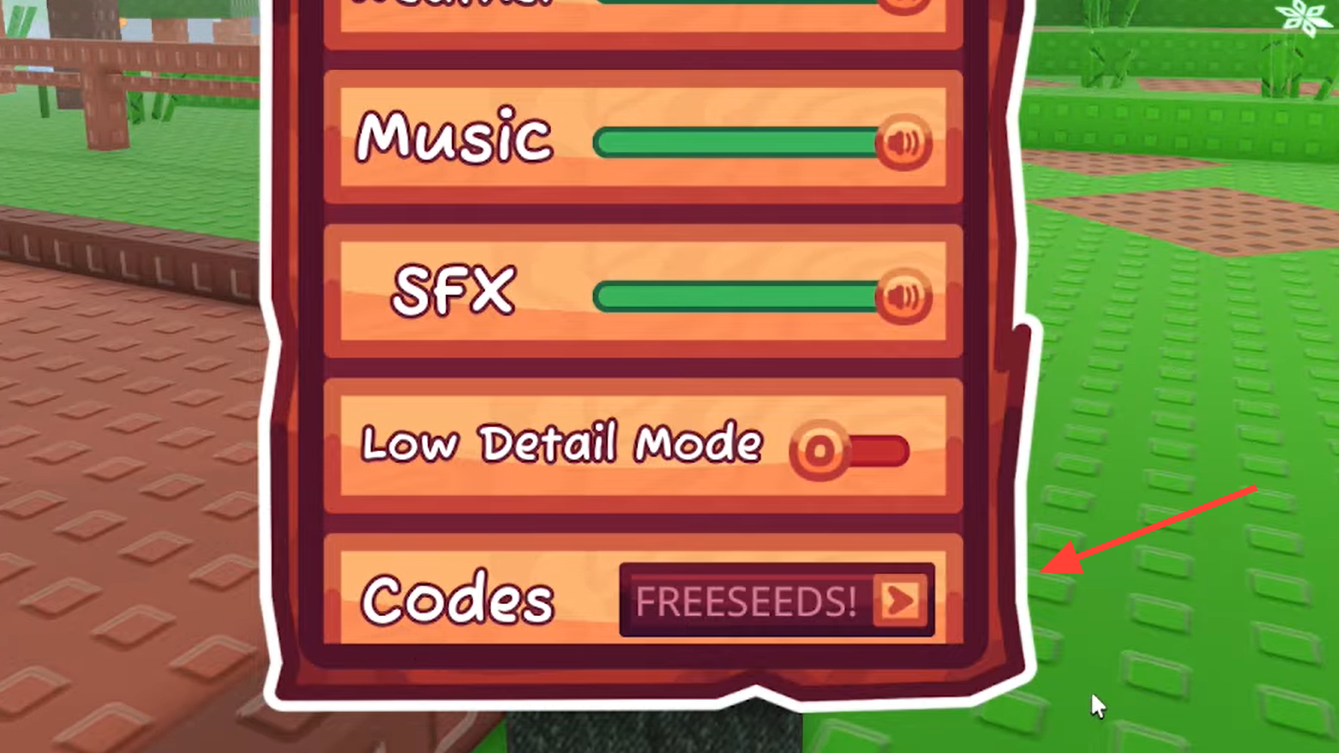
Garden Horizons has redeemable codes that grant free Shillings and seeds. The code release awards 1,000 Shillings, and the code dawn (for players who joined the Roblox group before launch) gives a Dawn Fruit seed — one of the endgame crops with a $600 base value. Codes expire without warning, so redeem them as soon as possible through the in-game code menu.
Mid-Game and Late-Game Progression Path
Once you're past the carrot-and-onion phase, the priority shifts to acquiring wheat, banana, plum, and cabbage seeds. Wheat at $7,000 base value is the breakout crop — a handful of Lush, mutated wheat can net hundreds of thousands of Shillings in a single sale. Cabbage is the endgame equivalent, selling for enormous sums but appearing in the shop rarely.
At this stage, sprinkler stacking becomes essential. Place all three sprinkler tiers on the same tile beneath a high-value plant like Dawn Fruit or cherry, and the compounded growth speed lets you reach Lush faster and cycle through harvests more efficiently. Cherry seeds are expensive and scarce, but a single cherry tree with stacked sprinklers and multiple weather mutations can generate millions.
There's no trading or gifting system in Garden Horizons, and the developers have confirmed they don't plan to add one. There's also no stealing mechanic. Everything you grow is yours, and progression is entirely self-driven — which means the strategies above are the only levers you have. Use them well, and the Shillings will follow.