

Here's a fun question that nobody can actually answer: how much did it cost to make Highguard? The free-to-play "raid shooter" from Wildlight Entertainment launched on January 26th, 2026, promptly lost nearly 90 percent of its player base within two days, and earned itself a "Mostly Negative" rating on Steam. But the actual development budget? That remains firmly in the realm of speculation.
What we do know is that the game's appearance at The Game Awards 2025 sparked immediate controversy—and that controversy has only deepened as more details emerged about how it ended up in that coveted finale slot.
The $1 million question (and the free finale slot)
Let's untangle the money situation, because it's messier than it looks. A three-minute trailer at The Game Awards reportedly costs around $1 million. That's the standard rate for showing your game at Geoff Keighley's annual showcase. So the assumption was that Wildlight Entertainment (or their publisher EA) paid at least that much for the privilege of debuting Highguard.
But here's where it gets weird: the finale slot itself was apparently free. Multiple sources have confirmed that Highguard didn't pay for that particular placement. Keighley reportedly just liked the game and offered it to them. There's speculation that another game may have dropped out of the spot, but that hasn't been confirmed.
So did Wildlight pay $1 million for a standard trailer slot and then get the finale upgrade for free? Did they pay nothing at all? The distinction matters, but nobody's clarifying it.
Why the Game Awards placement became a disaster
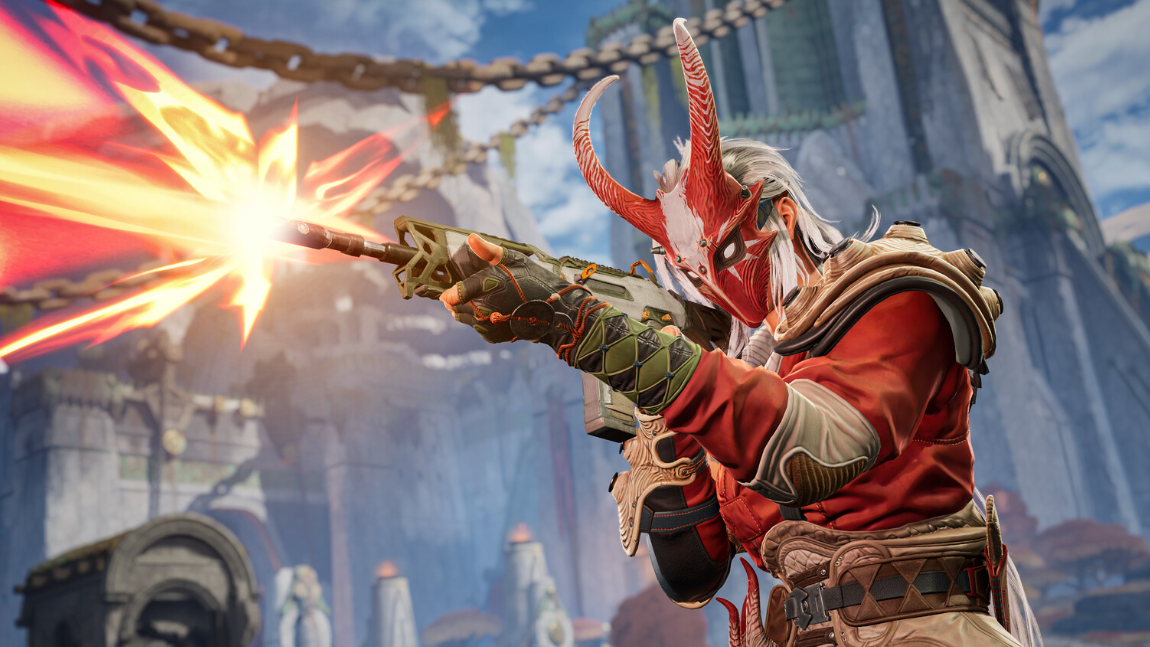
The finale slot at The Game Awards carries enormous expectations. It's traditionally reserved for major announcements—the kind of reveals that send the internet into meltdown mode. Think Half-Life 3 rumors, not "hero shooter from new studio you've never heard of."
When Highguard appeared in that slot, the reaction was immediate and brutal. Viewers had been primed for something massive. Instead, they got a trailer for what looked like another entry in the increasingly crowded hero shooter genre. The comparisons to Concord—Sony's infamous $400 million flop—started immediately.
Keighley's decision to place the game there has drawn significant criticism. The charitable interpretation is that he genuinely believed in the game after playing it and wanted to help a studio he had connections with. The less charitable interpretation is that he was wildly out of touch with what his audience wanted.
Either way, the placement arguably poisoned the well before Highguard even launched.
Launch performance: the numbers don't lie
Highguard launched as a free-to-play title across Steam, Xbox, and PlayStation. It peaked at over 95,000 concurrent players within the first hour—a respectable number that suggested genuine curiosity despite the negative pre-release sentiment.
Then the bottom fell out. Within two days, the game had lost roughly 85-90 percent of that player base. Steam reviews settled into "Mostly Negative" territory, with approximately 78 percent of reviewers giving it a thumbs down.
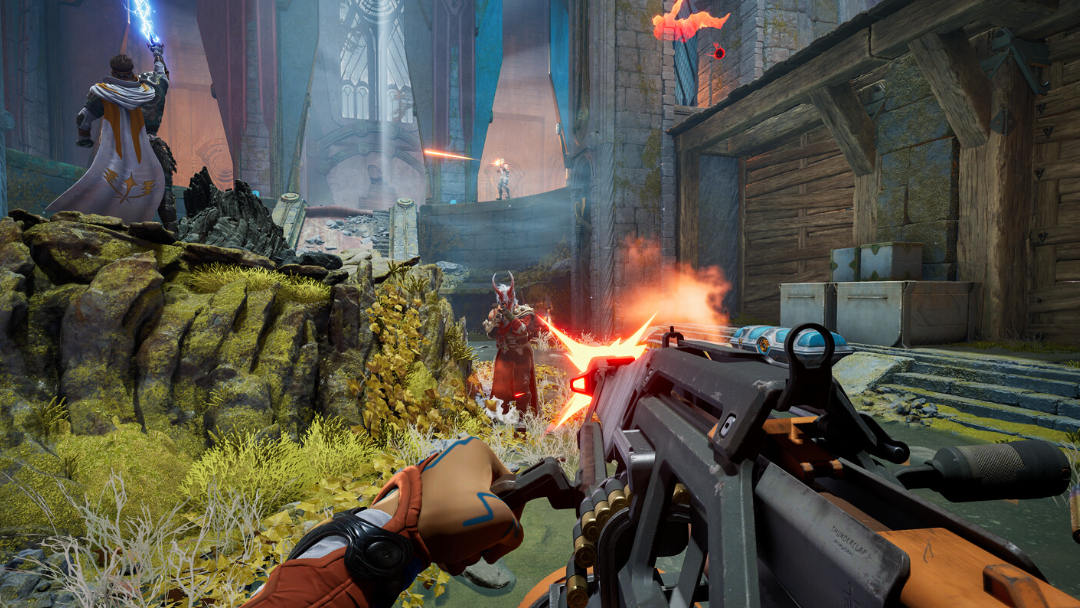
The complaints centered on a lack of focus. Players described a game that seemed confused about what it wanted to be—a 3v3 shooter with maps too large for the player count, tedious mining and looting mechanics that clashed with the promised fast-paced gunplay, and performance issues that made the experience frustrating even when the gameplay worked.
What we know about Wildlight Entertainment
The studio was founded by veterans from Respawn Entertainment, the team behind Titanfall and Apex Legends. That pedigree was the primary marketing hook—essentially the only thing anyone knew about the game before launch, since Wildlight went almost completely silent after the Game Awards reveal.
The studio reportedly has around 100 employees. With monthly operating costs estimated at around $800,000 for a team that size, the financial pressure to monetize quickly is significant. A four-year development cycle (which has been mentioned in community discussions) would put the development budget somewhere in the tens of millions, but that's speculation based on industry norms rather than confirmed figures.
EA's involvement as publisher adds another layer of mystery. The company hasn't disclosed what it invested in Highguard, and given the game's reception, they're unlikely to start now.
What this mess reveals about game marketing
Highguard's failure is a case study in how hype cycles can backfire. The Game Awards placement created expectations the game couldn't possibly meet. The subsequent silence from Wildlight—no additional trailers, no gameplay deep-dives, no community engagement—let negative speculation fill the void.
Wildlight's co-founder Chad Grenier has said the original plan was to "shadowdrop" the game without advance marketing, similar to how Apex Legends launched. But once Keighley wanted to showcase it at The Game Awards, that strategy became impossible. The rushed trailer didn't show the gameplay loop or explain what made Highguard different. By the time the game actually launched, the narrative was already set.
The actual production budget remains unknown. The marketing spend is partially known but confusingly reported. What's absolutely clear is that whatever Highguard cost to make, the return on investment is looking grim. The game isn't dead yet—it's free-to-play, after all, and stranger titles have recovered—but the path forward requires either significant updates or a player base willing to give it another chance.
Neither seems particularly likely right now.