

Devil Hunter leans hard into solo grinding early on: you pick human or fiend, clear headquarters chores, unlock your first weapon, then start farming missions and contracts. Past that first hump, though, the game is built around groups. Raids, invasions, and faction‑locked contracts all become much easier when you’re not queuing up alone.
That’s where clans come in. They are the game’s answer to permanent parties: a way to organize people who run the same content, trade knowledge about contracts and routes, and coordinate PvP without relying on random matchmaking.
What clans are in Devil Hunter
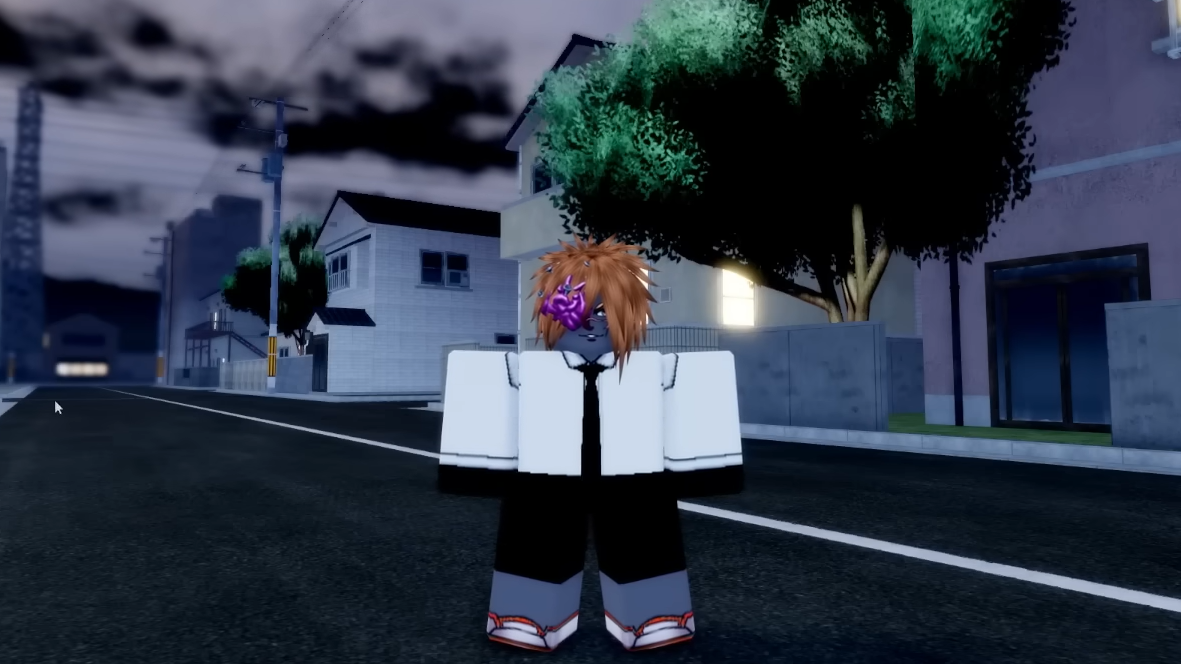
Clans in Devil Hunter are persistent player groups. Once you’re in one, you keep that tag across sessions and can treat it as your home base for progression and PvP.
At a high level, clans exist to:
- Group players under a shared banner. You build a recognizable hunting crew instead of just playing with whoever loads into your server.
- Share strategies and builds. Members compare public safety and fiend builds, talk through contract debuffs, and decide which devils to prioritize for different roles.
- Run group content together. Raids like the zombie and Katana Man runs, plus open‑world invasions and ganks, are much smoother when the same people show up consistently.
- Establish a reputation. Over time, clans become known for specific things: high‑rank public safety grinders, Yakuza snakes and zombies, or fiend‑heavy PvP rosters.
There is no published list of passive bonuses or stat buffs tied to clans yet. The focus right now is on coordination and identity rather than numerical perks.
Why clans matter in the current meta
On paper, Devil Hunter looks like a typical solo RPG. In practice, many of its strongest systems assume you have people to play with.
Several examples:
- Raid‑locked contracts. Ghost and Zombie Devil both come from raids with low drop chances. Consistently farming Katana Man or Zombie is dramatically easier with a fixed group that already understands mechanics and roles.
- Faction‑locked powers. Snake and Zombie are Yakuza‑locked, Curse and Future are tied into public safety progression, and hybrids like Katana Man also sit behind specific routes. Clans can intentionally distribute roles so not everyone is chasing the same path.
- Invasions and open‑world PvP. “Hold the Line” missions can be invaded, and roaming devils can pull you into duels. Having clanmates on the server who can rotate in for counter‑ganks changes whether you can risk farming in busier areas.
- Fiend talent synergies. Fiend talents such as mold or other body‑part‑based upgrades can create oppressive combos when layered by multiple fiends in a group. Coordinating those inside a clan amplifies their impact.
Clans are effectively the layer that turns strong individual builds—Mantis, Power, Future, Snake, Ghost, Octopus, and so on—into structured team compositions rather than random overlaps.
Typical clan roles and compositions
Because of how contracts and fiends are distributed, most serious groups naturally fall into a few broad archetypes. Clans don’t enforce roles, but high‑level play tends to converge on patterns like these.
| Role | Common Kits | Primary Use |
|---|---|---|
| Frontline control | Mantis, Ghost, Octopus, strong weapons (axe / greatsword) | Engage, knockdowns, and long combo strings in tight spaces. |
| Counter and peel | Future Devil, medium counter skills, Cone / Cucumber | Punish aggressive players, protect backline from dives. |
| Clean‑up and chase | Bat, Shark fiend, fast mobility weapon skills | Run down low‑HP enemies, secure kills in chaos. |
| Raid sustain / swarm | Leech, Zombie, Bat, Tomato / Stone early | PvE stability, health pack generation, add control. |
| High burst | Curse Devil, Power, strong crits (Nail’s crit) | Delete priority targets once CC lands. |
Newer or more casual clans may not formalize roles, but even loosely organized groups benefit from having at least one reliable CC monster, one counter specialist, and a couple of players tuned for PvE clears.
How clans intersect with human, fiend, and Yakuza paths
Devil Hunter splits characters broadly into humans and fiends, then layers divisions, Yakuza membership, and hybrids on top. Clans sit above all of that. They don’t replace factions; they knit them together.
Key intersections to keep in mind:
- Humans in public safety. Humans can equip crafted weapons and form contracts. Public safety progression unlocks access to key contracts like Future and Curse and divisions with different tasklines. In clans, these players often anchor counterplay and consistent raid damage.
- Yakuza members. Joining Yakuza opens Snake, Zombie, and Katana Man hybrid content, but you can’t do that immediately on a new slot. Clans often encourage at least a few members to commit to this route to secure access to Snake’s devour and Zombie’s swarm utility.
- Fiends. Fiends can’t hold normal weapons but gain regeneration and build fear to unlock fiend skills. Shark, Angel, and Power fiends provide absurd M1 pressure and unique moves like dive or multi‑hit strings. In clans, fiends are frequently used as dive threats and frontline disruptors.
Strong clans deliberately mix these instead of stacking a single archetype. A group of only public safety humans with counters can be hard to crack in duels, but will struggle to match the raw aggression of Power or Shark in large skirmishes. Likewise, all‑fiend squads can run through casual players but miss out on key contracts and precise weapon skills in longer fights.
How clans change the raid experience
Raids are where clans feel most essential. Several contracts require raid drops or are strongly associated with raid progression, and the content itself is punishing if everyone is learning from scratch on each attempt.
With an organized clan, players can:
- Standardize routes. Once someone in the group has already mapped the path from public safety to Hotel, Zombie warehouse, and Katana Man construction site, everyone else can follow that mental map instead of hunting alone.
- Specialize characters. One member can grind Ghost from Katana Man, another can push Zombie runs, someone else can focus on Fox offerings or Snake trials. The clan gets access to a wide toolbox without each player repeating every grind.
- Chain runs efficiently. Raids have cooldowns, so rotating parties and alts ensures someone is always “off cooldown” and able to host, especially when chasing 10 percent drop chances.
- Recover from wipes faster. If a group fails a run, having clanmates already leveled and nearby makes it easier to pivot into missions or other raids while waiting.
Even in early‑mid game, clans smooth the jump from repetitive “Hold the Line” missions into coordinated dungeon‑style content.
Social and PvP dynamics inside clans
Devil Hunter’s combat engine is built for mindgames: parries, counters, follow‑ups, and mobility all reward practice. Clans provide a safe environment to learn that without losing progress to random invasions.
Common patterns inside active groups include:
- Internal sparring. Members duel to practice parry timing on devils like Cucumber or Bat, work out reliable Mantis confirms, and test how Future or other counters interact with specific contracts.
- Build experiments. Because clanmates share experience, one person can test a more off‑meta option like Mold, Frog, or Fish in controlled fights while others stick to proven picks.
- Coordinated invasions. Clans can deliberately queue the same mission types on the same server to increase the chance of invading or defending each other, turning routine farming into scrimmages.
That loop—practice inside the clan, then apply outside it—gradually raises the ceiling of what the group can handle, from punishing Katana Man patterns to high‑pressure public PvP.

Where clans fit into the broader Devil Hunter ecosystem
Devil Hunter already expects players to be comfortable juggling several systems: stars and divisions, black market parts, surgery kits, contract debuffs, fiend talents, raids, and faction locks. Clans sit at the top of that stack as the organizing principle.
They give context to individual choices. Picking axe over katana, grinding Future or Curse, sacrificing body parts for Snake or Fox, or committing a slot to fiend all make more sense when you’re doing it for a group role instead of in a vacuum.
As more details about clan creation, membership limits, and any future clan‑exclusive activities emerge, the groups that already treat themselves like structured hunting organizations—sharing routes, distributing grinds, and coordinating compositions—will be the ones ready to dominate both raids and open‑world PvP.