

Food vendors in Where Winds Meet are much more than set dressing. They gate important buffs, feed key progression systems like Elegance, and even tie into rare-material farming and passive unlocks. The problem: the game scatters them across cities and villages with minimal in-world guidance, especially in the global release.
Food vendors vs cooking: why you need both
Where Winds Meet has two parallel food systems:
- Cooking at fires with a pot or spit, using recipes and ingredients you collect.
- Buying prepared dishes from food vendors and chefs in towns and outposts.
Cooking covers most of your basic needs. Once recipes are unlocked, you can prepare:
- Recovery dishes that restore HP over a short period.
- Buff dishes that temporarily increase max HP or physical attack.
However, vendors matter for three big reasons:
- Some of the strongest gathering and farming buffs only come from vendor food (for example, dishes that boost extra harvest chances when gathering rare materials).
- Buying out food stalls contributes to Elegance, which is required for the Treasure Seeker exploration passive.
- Certain encounter requirements and gourmet objectives explicitly want purchased dishes, not your own crafted ones.
Ignoring vendors means slower material farming, delayed exploration perks, and more friction with late-game encounters.
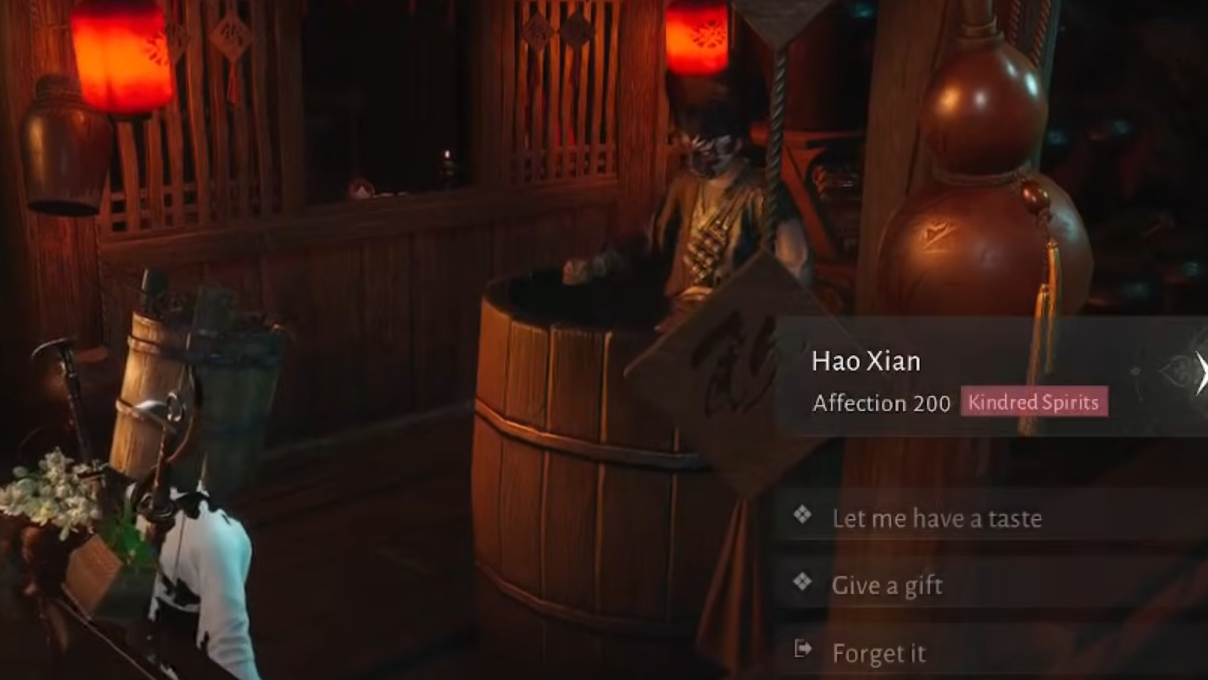
Swallow Encyclopedia: the built-in vendor locator (CN version)
The most complete in-game way to locate chefs exists in the Chinese client via the Swallow Encyclopedia. It functions as a context-aware helper that can:
- List locations of vendors and chefs when asked.
- Push map screenshots with markers to show exactly where those NPCs stand.
- Surface other guides, including raid information, shortly after content goes live.
On PC, the Encyclopedia opens with F1 or through the vertical menu on the right side of the screen. Once open, you can request vendor lists and follow the markers it sends.
In the current global release, the Swallow Encyclopedia’s Q&A is far more limited and often fails to understand vendor queries. The feature set may evolve over time, but right now, players outside the CN client largely cannot rely on it for complete vendor routing.
MapGenie’s interactive map: external help for food vendor locations
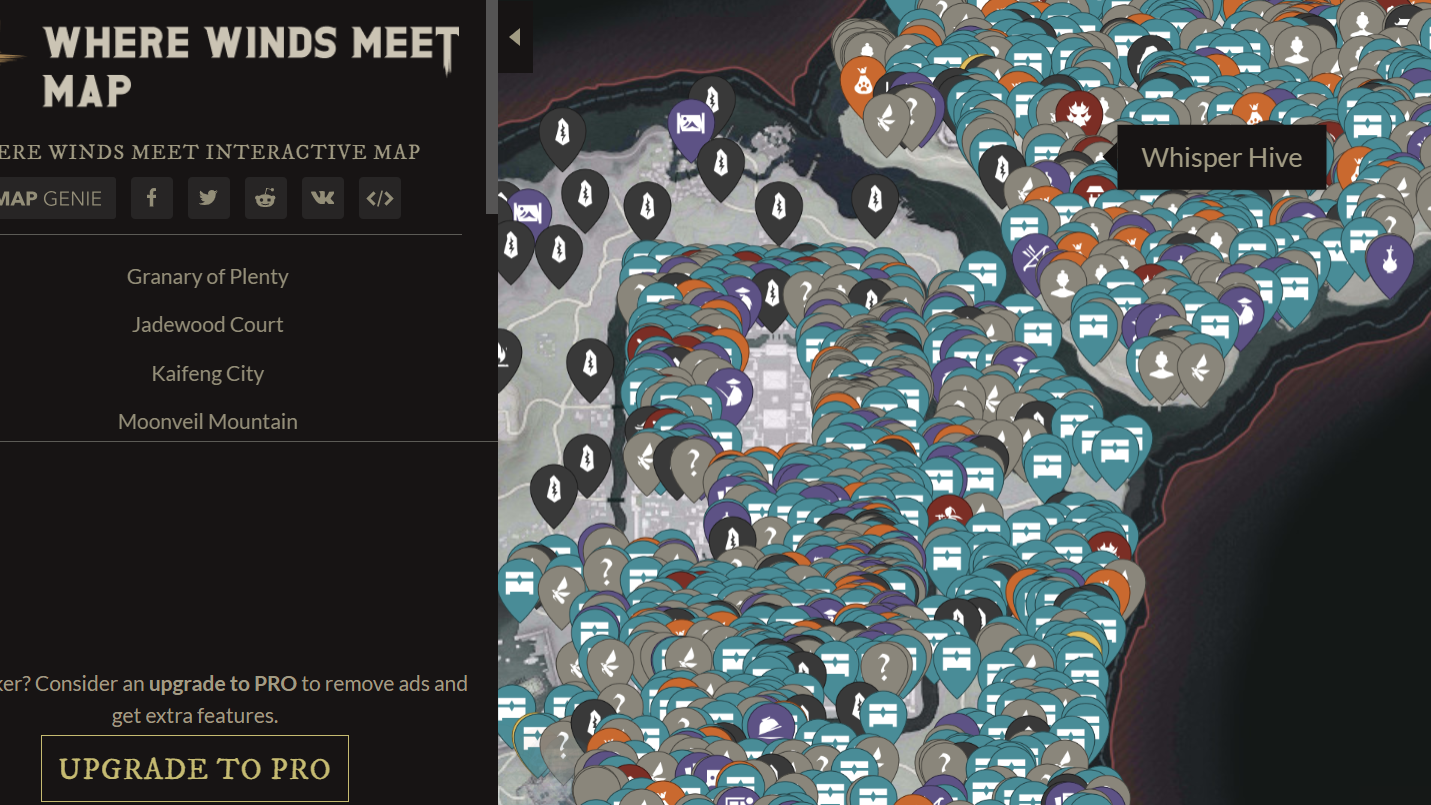
Without a fully functional Swallow Encyclopedia, the most practical way to see all food vendors at once is the community-driven interactive map for Where Winds Meet on MapGenie. It includes an “Other > Food Vendor” filter alongside shops, activities, collectibles, and bosses.
MapGenie’s map lets you:
- Toggle visibility of Food Vendor icons to see them across the world.
- Search by region or zoom into city districts like Kaifeng or Qinghe.
- Track progress if you create an account and use its completion tools.
Use the embedded-light version of the world map at mapgenie.io/where-winds-meet/maps/world if you want it on a second screen or inside a browser overlay while you play.
How vendor food ties into farming and character power
Several progression systems intersect directly with food vendors.
Elegance and Treasure Seeker
Buying out food stalls contributes to Elegance, one of the social-style attributes in the exploration tree. Raising Elegance is not cosmetic; it gates the Treasure Seeker exploration skill, which:
- Requires at least 75 Perception and 75 Elegance.
- Highlights the closest chest on your mini-map.
Because oscillating jade and other valuable resources sit inside chests, Treasure Seeker quietly drives long-term gearing. That’s why players actively seek every vendor needed to hit the Elegance threshold.
Gathering rare materials with food buffs
Vendor dishes also speed up the grind for rare materials used in Mystic Skills, Inner Ways, and gear upgrades. One example is a pancake-style food that:
- Provides a 20% chance for extra harvest when gathering herbs.
- Directly increases the rate at which rare drops like Vicious Fruit or Buddhist Tier Root appear, since these are attached to specific plants.
Steps to secure and use that type of gathering food are simple:
Step 1: Travel to Kiang and teleport to Apricot Village.
Step 2: Move to the building at the top-left of the village marker and talk to the NPC Fuang.
Step 3: Buy Fuang’s signature dish once. This unlocks the ability to spend commerce coins to buy that food in bulk.
Step 4: Stock up, then consume the food from your consumables bag before long gathering runs.
Food like this is described as “the best” in the game for harvesting runs, especially when farming finite rare plants that sit on 24-hour respawn timers.
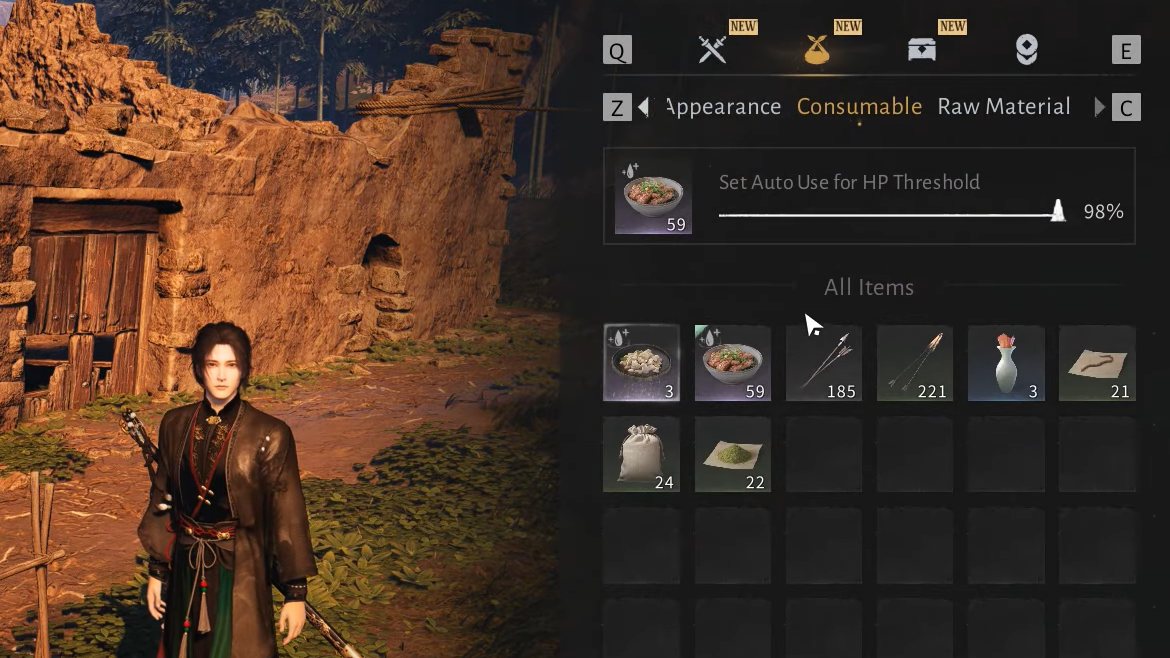
Chicken noodle soup and other vendor buff food
Not all vendor dishes are about herbs. Some target broader gathering and loot efficiency. One standout recommendation is chicken noodle soup, purchased from the vendor Niu Mang located north of the Forsaken Quarter in Kaifeng City. Players use it to improve their yield when searching for rare materials used in martial arts and gear upgrades.
Other named dishes appear in player discussions, like Spiral-Cut Raw Fish, which offers a “20% chance for 20 min” effect; the exact vendor location for that one is less clearly documented, but it fits the pattern of time-limited, chance-based gathering or loot buffs.
Where specific vendors and regions fit into the picture
Food vendors are spread through most major hubs, but a few locations come up repeatedly because of their density or unique offerings.
Kaifeng City
Kaifeng is packed with chefs and food stalls. It is central to several food-related activities:
- Kaifeng food vendor clusters: The city hosts many unlockable chefs; community maps and region-specific videos walk through them stall by stall.
- Niu Mang (north of Forsaken Quarter): Sells chicken noodle soup used for rare-material farming.
- Meow Meow Temple Shop (Kaifeng): Unlocking this shop grants access to premium recovery recipes like Steamed Pork and Wine Mushrooms once your cooking level is high enough.
Because Kaifeng combines high vendor density, Meow Meow-related shops, and other progression systems, it is a prime stop when you want to push Elegance and cooking options at once.
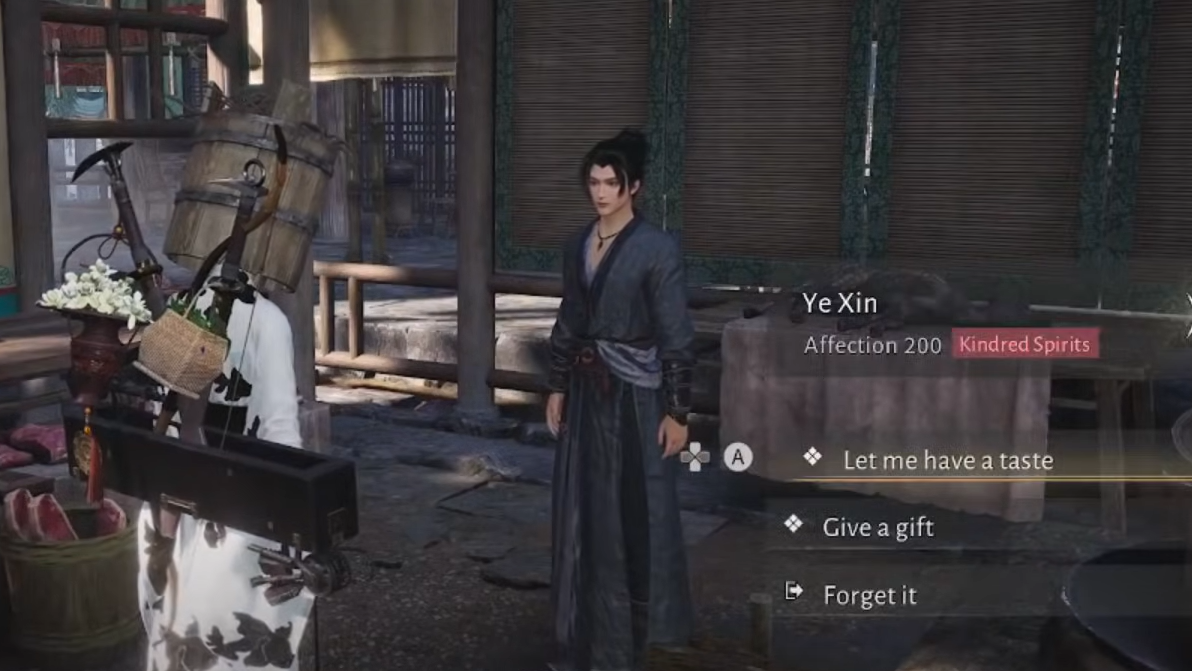
Kiang and Apricot Village
Kiang serves as a key early region for vendor interaction:
- Apricot Village: Home of Fuang, who unlocks the high-value gathering pancake.
- Harbor Link Crossing merchant: Sells specific Inner Way notes once you have access, reinforcing why you should fully explore its vendors.
Kiang also features general goods vendors who stock weekly-limited upgrade materials and resources used in gear enhancement, making it a regular stop alongside food stalls.
Blissful Retreat and other vendor hubs
Some locations focus more on Inner Way fragments and specialty notes than food, but still interact with vendor loops:
- Blissful Retreat (first region): A vendor there sells Moral Chant Inner Way notes, considered one of the stronger fragments; food stalls in the same areas contribute to Elegance as usual.
- Other major towns and waypoints: Smaller stalls often sell localized food with short buffs, which still count toward gourmet tasks and Elegance when bought out.
Food vendors and the wider economy: jade, coins, and Meow Meow
Food is relatively cheap compared to high-end upgrades, but vendor networks tie directly into larger resource flows.
- Commerce coins: Used to bulk-purchase vendor dishes after unlocking signature items (as with Fuang’s pancakes).
- Echo jade and oscillating jade: Primarily earned from chests, challenges, and bounties, but then used to buy items like oscillating jade boxes and commerce coin packs from Meow Meow-related vendors.
In the opening region, a Meow Meow vendor sells:
- Oscillating jade in weekly-limited quantities.
- A “small box of commerce coins” worth 25,000 coins, enough to clear out food stalls across multiple towns.
The resulting loop is straightforward: upgrade your Elegance by buying food, unlock Treasure Seeker to find more chests, use chest rewards and Meow Meow shops to secure more currency and jade, then reinvest that back into food and upgrades.
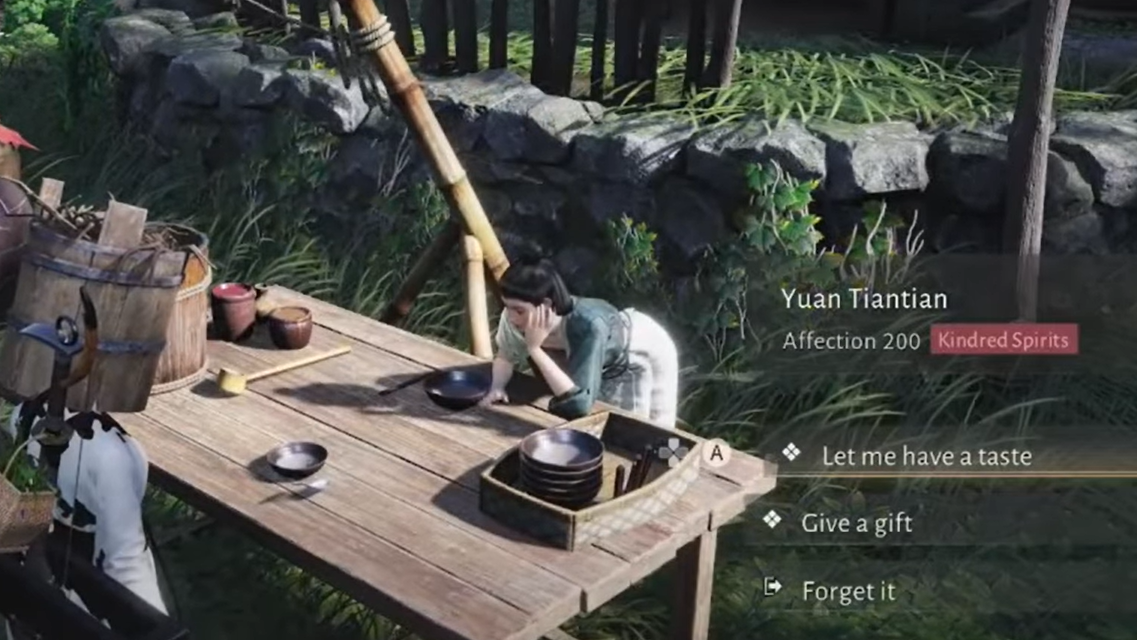
How cooking recipes overlap with vendors
Many high-impact dishes come from cooking recipes rather than direct vendor sales, but their inputs and unlock conditions mirror the same world exploration patterns.
Recovery dishes include staples like:
| Meal | Type | Key Unlock Condition |
|---|---|---|
| Veggie Mix | Recovery | Available from the start |
| Divine Stuffed Fish | Recovery | Participate in a fishing contest with Chu Shuiyang in Verdant Wilds |
| Hotpot | Recovery | Complete Exploration – Culinary: The Flavor of Sunset Glow |
| Steamed Pork | Recovery | Obtain Meow Meow Temple Shop – Kaifeng |
| Wine Mushrooms | Recovery | Obtain Meow Meow Temple Shop – Kaifeng |
Buff dishes look more specialized:
| Meal | Effect | Key Unlock Condition |
|---|---|---|
| Crisp Carp Noodles | Increase Max HP for 30 minutes | Fishing contest with Chu Shuiyang in Verdant Wilds |
| Rotisserie Venison | Increase Physical Attack (low tier) | Unlock The Thirteenth Chambers |
| Crispy Pheasant | Increase Physical Attack (mid tier) | Complete Encounter – Culinary Successor |
| Venison Soup | Increase Max HP (mid tier) | Unlock The Thirteenth Chambers |
| Double Shreds | Increase Physical Attack (high tier) | Fishing contest with Chu Shuiyang |
| Pufferfish Soup | Increase Max HP (high tier) | Fishing contest with Chu Shuiyang |
Every cooked dish consumes stamina when prepared, so batch cooking too aggressively can eat into exploration capacity. Vendor foods, by contrast, cost only coins and jade. That distinction makes vendor buff food especially valuable when stamina is low, but currency is plentiful.
Practical routing: how to actually work through food vendors
Putting all of this together, a practical approach looks like this:
Step 1: In the early game, unlock simple cooking recipes and keep a baseline of recovery food (Veggie Mix, Divine Stuffed Fish, Hotpot) so combat is covered.
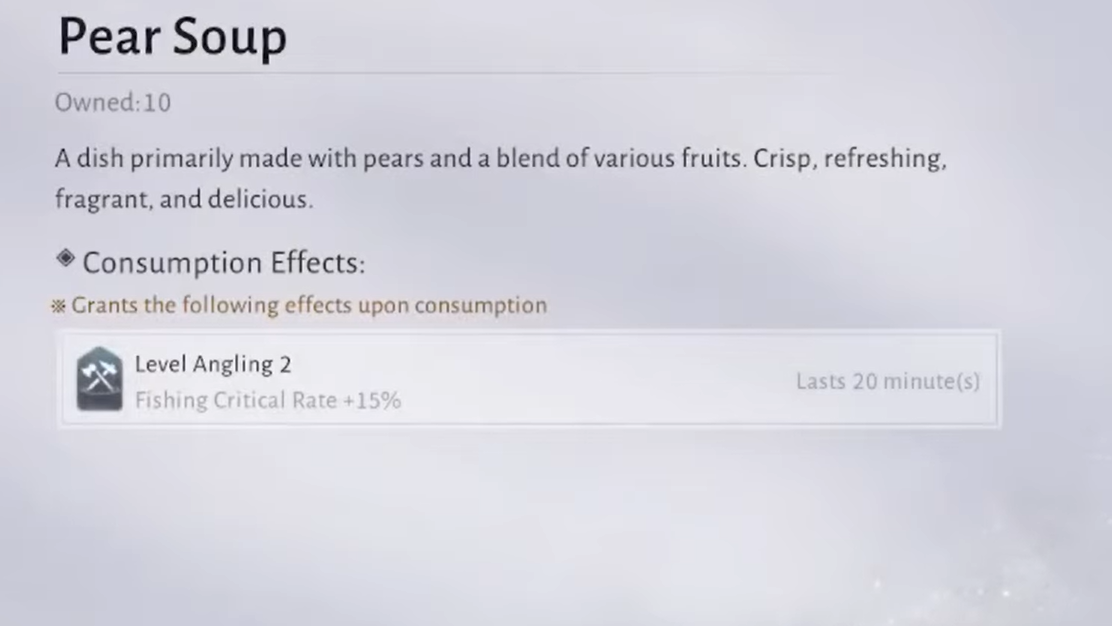
Step 2: As soon as you reach Kiang, visit Apricot Village, talk to Fuang, and unlock the pancake-style gathering food. Start using it whenever you farm rare plants.
Step 3: Travel to Kaifeng City, then locate Niu Mang north of the Forsaken Quarter to buy chicken noodle soup. Use it for long, rare-material grinds, especially when chasing martial arts upgrade materials.
Step 4: Systematically work through food stalls in major hubs (Kaifeng, Kiang, other cities marked on MapGenie), buying each vendor’s menu until their gourmet-related objectives tick off and your Elegance climbs.
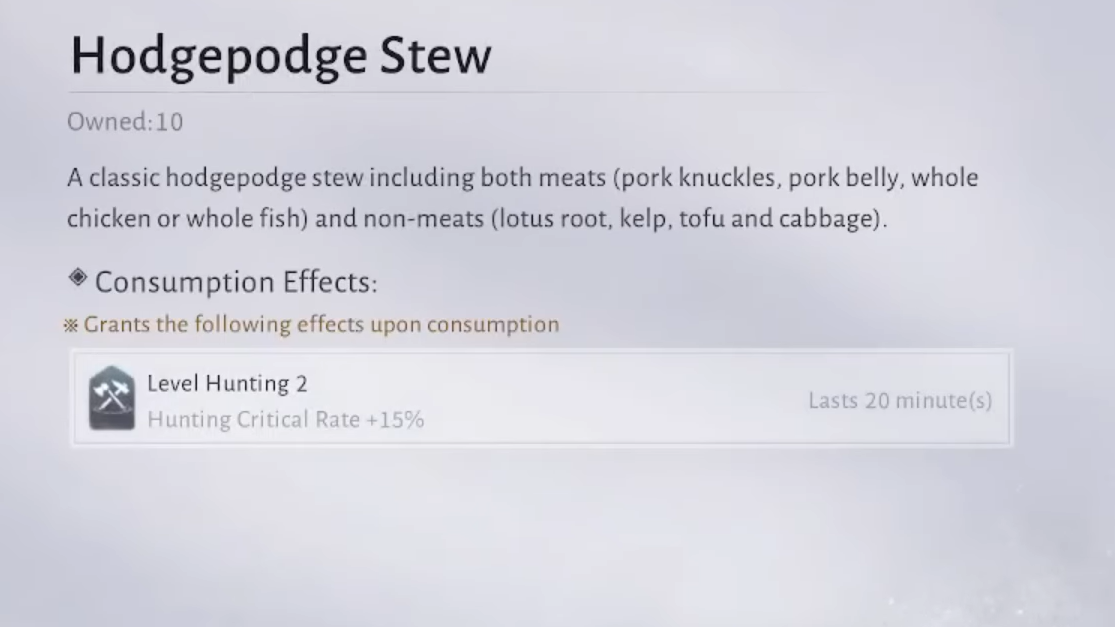
Step 5: Once Perception and Elegance both reach 75, unlock the Treasure Seeker exploration skill so chests become visible on your mini-map. Use chest rewards and vendors like the Meow Meow Temple Shop and Meow Meow vendors in the first region to buy oscillating jade and large boxes of commerce coins.
Step 6: Keep a small stock of high-impact buff dishes (both cooked and vendor-bought) on hand for difficult content, remembering that only one food buff can be active at once.
Food vendors sit at the intersection of progression, economy, and exploration in Where Winds Meet. Treating them as core infrastructure—rather than optional flavor—pays off in faster farming, cleaner upgrade paths, and a smoother route through late-game content.