

Guilds sit at the center of Where Winds Meet’s multiplayer side. They shape how you group up, what kind of content you run, and eventually whether you’re fighting in large‑scale guild battles or just hanging out playing mahjong.
Guild types, requirements, and basic structure
The guild system unlocks once your character reaches level 20. At that point a guild icon appears in the escape menu, opening the main guild interface and the recruitment lists.
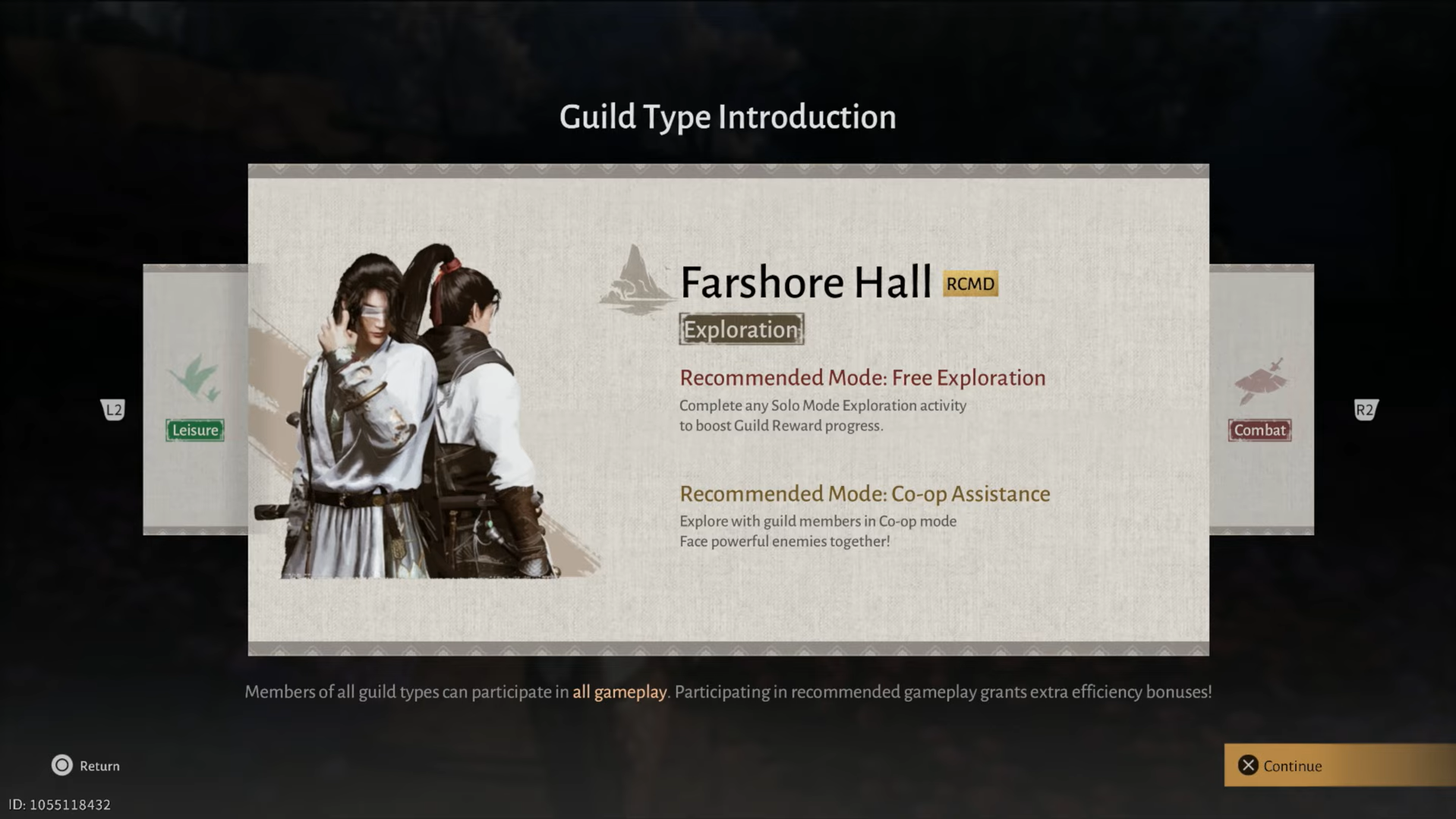
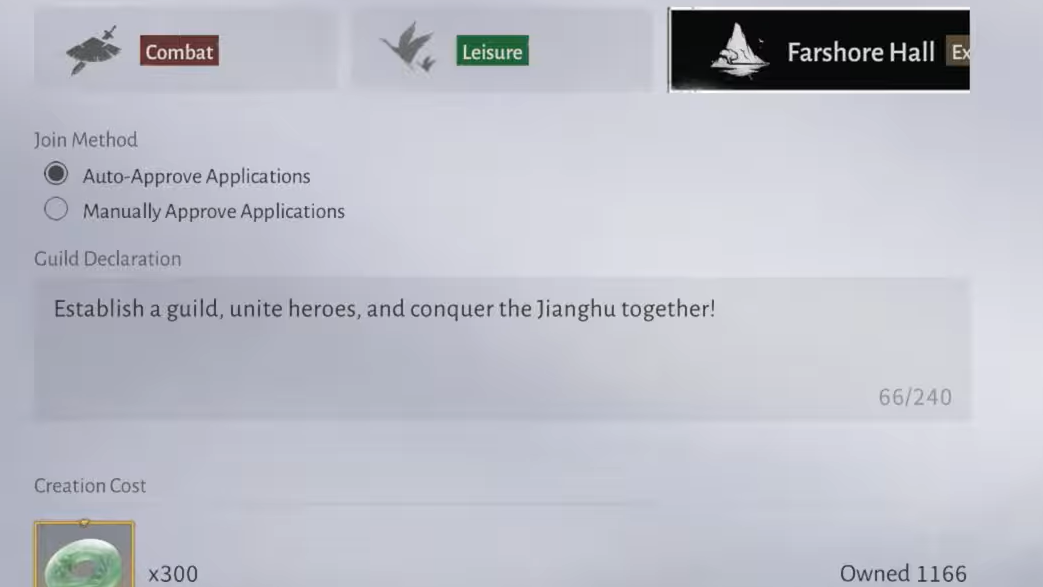
Every guild is created as one of three types that reflect its focus:
- Exploration guilds group players who mainly want to explore the world, chase collectibles, and clear map content.
- Leisure guilds lean into social play: chatting, role‑play, poker, mahjong, hide‑and‑seek, and self‑organized casual events.
- Combat guilds are built around instance content, raids, PvP, and guild war.
This choice matters because it links directly to the guild talent trees later on, but you can still run most content with any guild type if the members are interested.
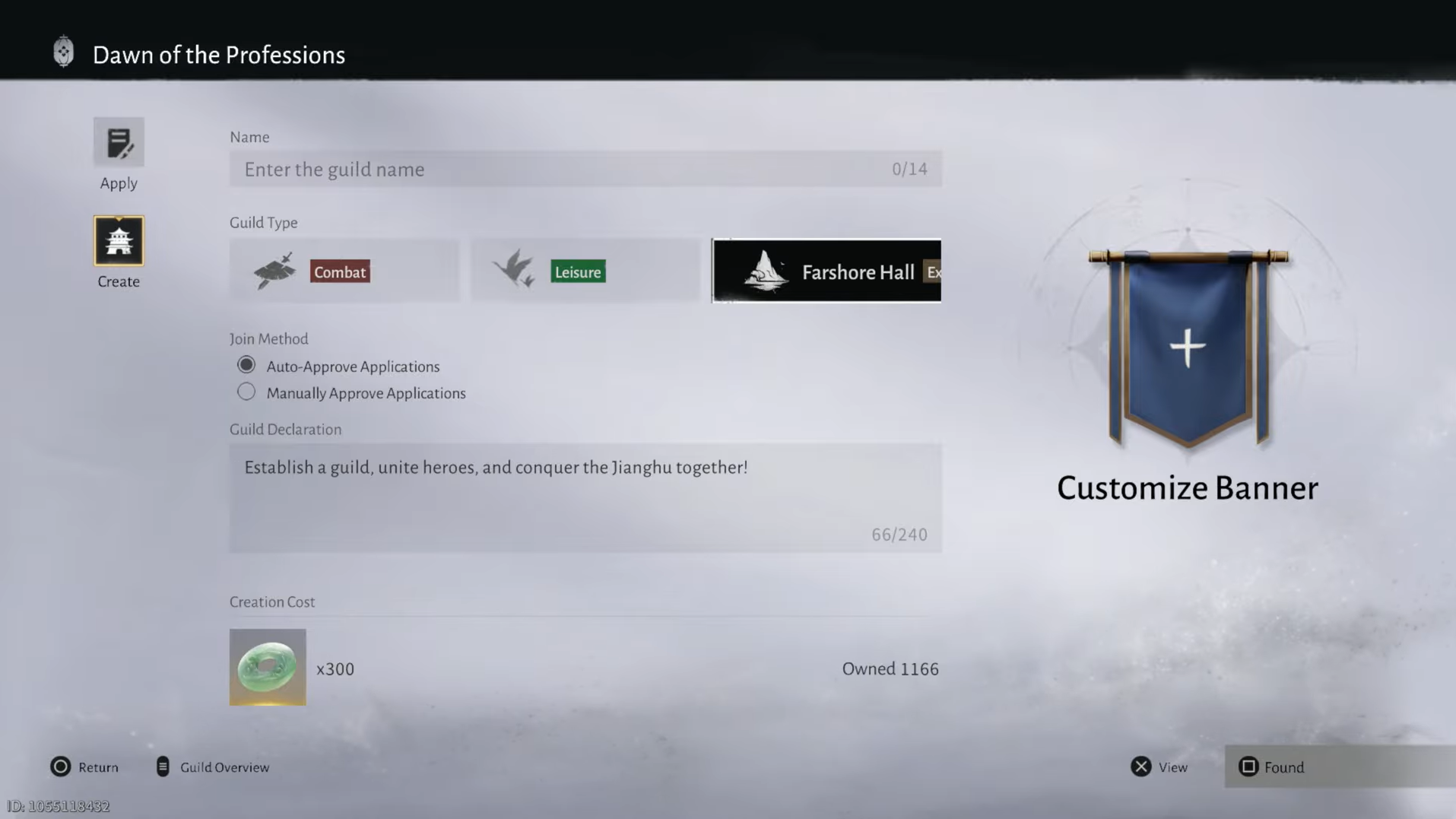
Guilds have levels. At higher levels they can hold more members and build more facilities in the guild base. On the Chinese server, the cap is level 6, which allows up to 80 players. Each guild also has:
- Guild currency reserves used to maintain the guild each day or week.
- Guild honor/prosperity that accumulates from member activity and drives unlocking guild battles and other features.
Creating a new guild costs a fixed amount of premium currency (300 Jades/Jet coins). The founder chooses the type, name, and emblem, and can design a simple logo or lettermark for the banner.
Roles, ranks, and management tools
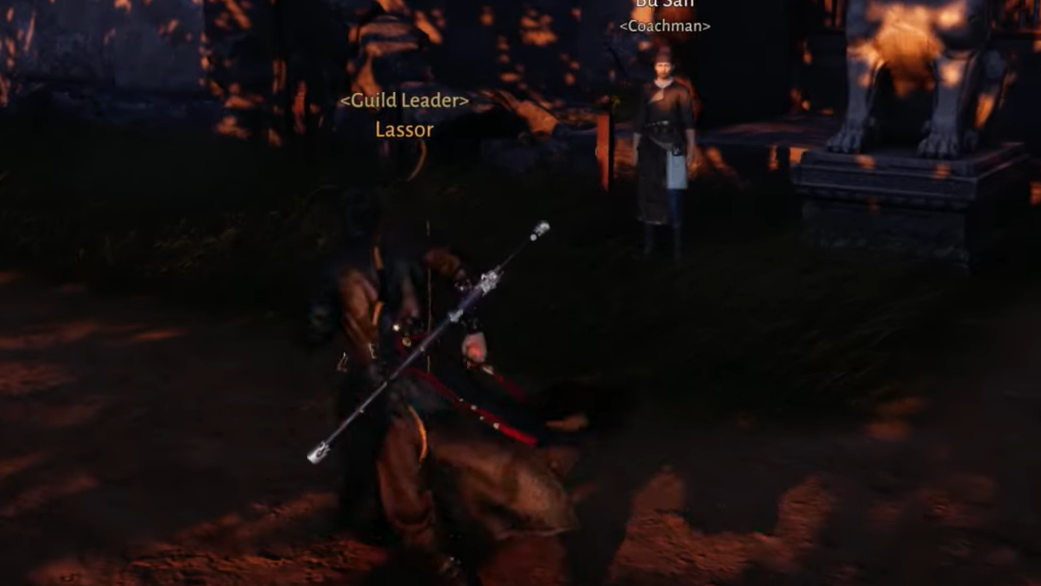
Guilds have a clear hierarchy. At minimum, there is a guild leader and one or more deputy or assistant leaders. Management roles gain access to additional menus where they can:
- Configure custom ranks (officer, veteran, etc.) and assign them to members.
- Toggle what each rank can do, such as kicking members, building facilities, recruiting, editing announcements, or opening activities.
- Approve or reject join requests and recruit from the pool of players marked “looking for guild.”
Management also handles guild battle settings. They can appoint up to four guild war commanders and pre‑select three players for the 1v1 “interval duel” that occurs mid‑match. Picking strong PvP specialists for those three slots matters because winning the duel grants powerful buffs to your guild, while losing applies a debuff to your defensive guardian.
The member list shows every character, whether they’re online, and how many guild contribution points they’ve earned. Many guilds set minimum weekly contribution expectations and remove members who stay inactive or contribute nothing over time.
Guild currencies, shop, and routine rewards
Playing with a guild layers extra currencies and rewards over normal gameplay. The most important pieces are:
- Contribution points, earned from guild activities, fuel the guild talent trees and help level the guild itself.
- Guild currency, used in the guild shop for consumables and some cosmetics.
- Guild war currency, obtained from guild wars, buys PvP cosmetics and tactical items for commanders.
The guild shop lets you spend guild currency on useful items and gives every member a small weekly stipend of premium currency. During guild events, members can also give red packets that other members open for a small burst of guild currency.
Separate guild war vendors sell cosmetics such as masks, helmets, capes, and armor skins unlocked by participating in seasonal guild wars. Commanders can buy deployable tools – traps, decoys, explosive “chickens,” and similar gadgets – that can change how a battle plays out.
Core guild activities and weekly checklist
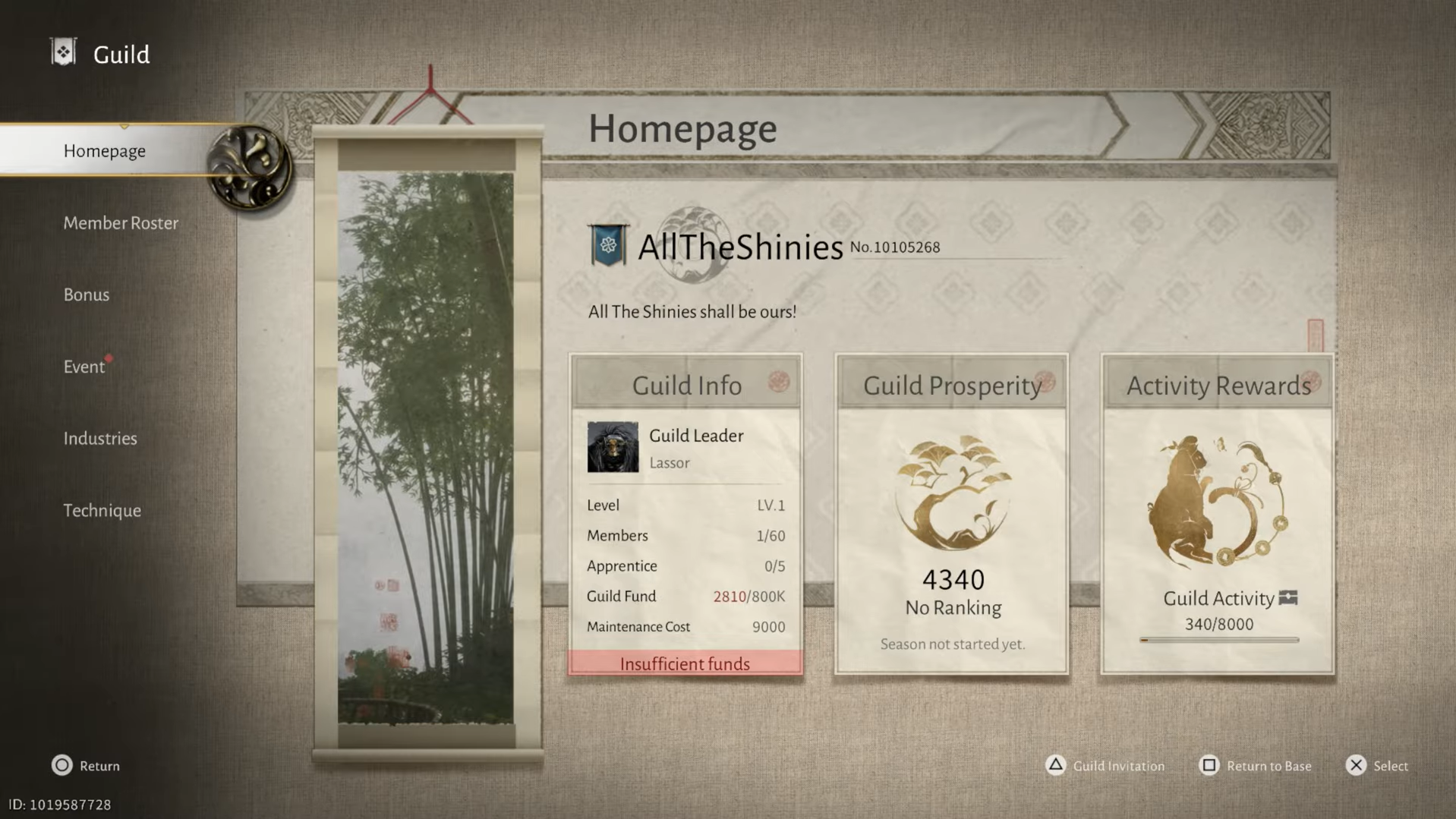
Contribution and guild currency mostly come from a fixed set of recurring activities. The interface groups them in a checklist‑style panel that shows what you have and have not completed for the week.
The key activities are:
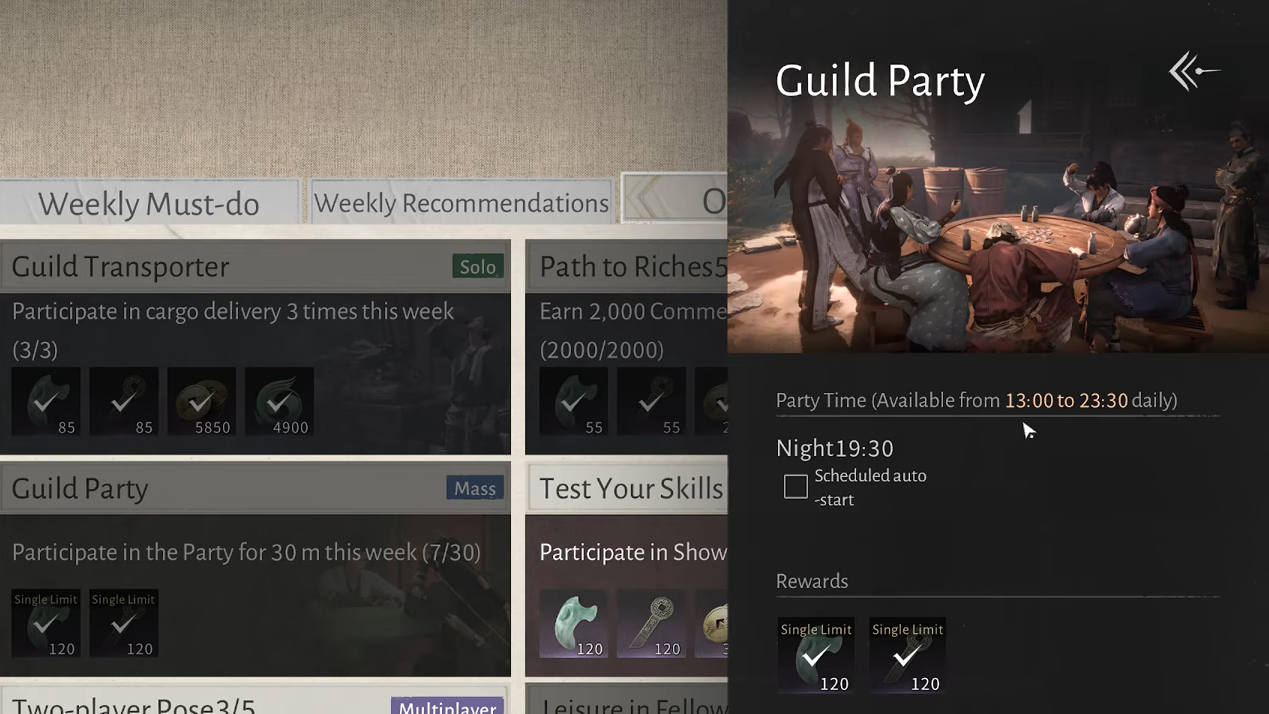
- Guild party – a timed social event in the guild base. Simply staying for the full duration grants contribution and a party currency chest.
- Weekly energy spend – using a set amount of personal stamina/energy on any in‑game content yields a guild reward chest.
- Guild boss – a weekly co‑op boss fight that requires at least 10 percent of the guild to join. Clearing it once grants contribution, boss‑specific currency, and materials.
- Guild escort – a material turn‑in task completed at the guild base wagon. Turning in goods fills an escort bar that rewards escort coins and guild currency.
- 1v1 guild arena – internal duels among guildmates, matched from an in‑guild queue.
- 1v1 vs. boss – solo boss challenges where guildmates spectate; rewards scale as more members manage to defeat the week’s boss.
- Combined actions – using paired emotes and co‑op animations with guildmates up to a weekly cap.
- Participation in open‑world events – world bosses, casual leisure activities, and PvP queues also feed into guild contribution to a lesser degree.
There is also a tool for leaders to schedule custom activities: in‑house PvP tournaments, internal PUBG‑style mini‑games, mahjong nights, and other events. The organizer sets a title, activity type, time window, and required player count; guildmates then sign up through the interface.
Guild talents: exploration, leisure, and combat
Guild talents are long‑term passive bonuses unlocked by spending guild talent points gained from activities. Each guild has three talent trees that mirror the three guild types.
Exploration talent tree
The exploration tree helps players who love map clearing and world content. Talents here include:
- Extending the pickup radius when you help others collect map resources like auditory “audits,” so your party members can grab them from further away.
- Increasing rewards from chests and exploration activities.
- Reducing damage taken and increasing health in difficult boss challenges tied to exploration content.
- Lowering equipment repair costs.
These bonuses apply when you are in a party with guildmates, helping them sweep their worlds more efficiently.
Leisure talent tree
The leisure tree is tuned for trading, casual play, and long‑term economy work. Typical upgrades:
- Reducing trade taxes when using the NPC trading system.
- Increasing weekly limits on certain currencies gained from casual activities.
- Expanding backpack capacity for trade goods so you can carry more stock during profit runs.
The in‑game trading system functions a bit like a simplified stock market. NPC buy prices for goods rise and fall over time. With the right talents, leisure‑focused players can haul more goods and keep more of their profit margin.
Combat (guild war) talent tree
The combat tree is the most complex. It is seasonal and tied directly to guild battle performance. Investing here raises your effectiveness in guild wars and 1v1 boss duels.
Important branches include:
- Flat increases to attack, max HP, and damage reduction in guild‑specific combat modes.
- Elemental bonuses – for example, fire users can push their elemental damage while contributing a shared element damage increase for the whole guild up to a cap.
- Defensive bonuses for guild war structures: towers, the guardian “goose,” and the escortable lucky tree gain extra HP and damage reduction.
- Movement speed increases while escorting the lucky tree, making it easier to win the final race.
- Extra guild war currency gain per match.
Every few talent levels, you hit a “breakthrough” gate that requires a special pearl item, also earned through guild activities. Even after a breakthrough, some nodes have a time gate before the next tier can be unlocked, which stretches progression across the season.
Guild base: facilities, shortcuts, and social space
Each guild has a dedicated base that members can enter from the guild menu. At higher guild levels more facilities unlock across the base’s open plots.
Key areas include:
- 1v1 arena – an internal dueling ring accessed by interacting with a sword icon. Members can queue for duels and spectate other matches.
- Trading hall – an NPC where you can sell crafted products at a variable percentage return. Prices differ between guilds, so some guilds wait for better rates (for example, 45 percent or higher) before selling to maximize their special coin income.
- Guild war shop – a vendor that exchanges guild war currency for cosmetics and, for commanders, tactical items.
- Escort station – the wagon where you turn in escort materials. A useful trick is that while interacting here, you can remotely buy goods from certain NPC shops, effectively giving non‑subscribers a way to access those vendors without traveling or paying for a monthly convenience pass.
- Crafting quarter – a cluster of stations for cooking, brewing liquor, crafting bows and arrows, and making equipment, plus an NPC who trades a guild‑specific coin for property access in Kaifeng.
- Party plaza – the open square where guild parties, poker, and mahjong tables live.
The base is still being expanded. On the Chinese server, there are unused building plots that are expected to become housing or other communal structures in future patches.
Guild parties and social events
Guild party nights are straightforward but important if you care about steady guild progression. When a party begins, members can accept an invitation and are teleported to the party plaza.
During the party you can:
- Play poker and mahjong at dedicated tables.
- Use emotes, dance, and socialize.
- Answer occasional quiz‑style questions in guild chat during special variants of the event.
Spending a set amount of time (for example, 25 minutes) in the party zone completes the weekly objective. Officers can extend the party’s duration by consuming either a party item or premium currency. Each extension slightly increases the remaining time and rewards a bit of guild currency.
1v1 guild arena and solo boss challenges
The guild arena allows members to challenge each other in direct duels without affecting world PvP rankings. An internal leaderboard tracks wins and losses, and guildmates can open a spectator window to watch fights in real time. Spectators can also “cheer” or taunt fighters using preset chat phrases mapped to keys.
The 1v1 boss mode is a weekly spectacle. When the event starts and members accept, everyone spawns in a special arena with a registration sword. Players sign up to fight a particularly hard boss one at a time while the rest of the guild watches from the stands.
Rewards scale with performance:
- If at least one player kills the boss, the guild receives a base reward.
- If three players manage it, everyone earns more currency.
- If five or more succeed, the guild hits the weekly maximum payout.
The boss rotates weekly, and a ranking board tracks fast clear times so PvE specialists can compete for speed‑run prestige inside the guild.
Guild battles and guild war preseason (version 1.2+)
Version 1.2, titled “Live to Game”, introduced formal guild battles for global players and a structured preseason. To participate, a guild must be at least level 3 and have a guild prosperity total of 30,000 or more.
The early rollout is split into phases:
- Preparation week – a non‑ranked window where guilds can queue for practice matches, test strategies, and refine compositions.
- Competition phase – from January 17 to February 6 in the initial run, matches count toward standings and ranking rewards. Guilds must sign up for restricted time slots, and final rewards are paid out at the end of the preseason based on standings rather than per‑match only.
Top guilds earn special titles, and guild leaders and deputy leaders gain unique badges. These sit alongside standard guild war currency rewards that every participant collects through play.
How 30v30 guild war works on the Chinese server
On the Chinese server, guild war has matured into a 30 vs 30 mode with its own seasonal structure and progression. While implementation details can evolve between regions, the core loop is consistent.
Match format and seasonal flow
Guild war is scheduled in fixed evening windows on weekends. On CN, the window runs Saturday and Sunday between specific hours; within that, commanders can queue for matches whenever their roster is ready. Each season aligns loosely with the PvE season reset and follows this pattern:
- Week 1 – Preparation week with unranked matches.
- Weeks 2–3 – Placement weeks where performance slots your guild into a tier (for example, A, B, or C tier).
- Weeks 4–5 – Main season where you play within your tier for rank and end‑of‑season rewards.
At the end of the season, guilds receive tier‑dependent titles. The Chinese version uses playful pun‑based rank names referencing classic literature and phrases, but functionally, they map to lower, mid, and top competitive brackets.
Map layout and objectives
A standard 30v30 match uses a mirrored lane‑based map:
- Three main lanes connect the two guild bases, comparable to a MOBA’s top, mid, and bottom paths.
- Each lane has a tower that can be defended by assigning a player to become the tower avatar with special skills.
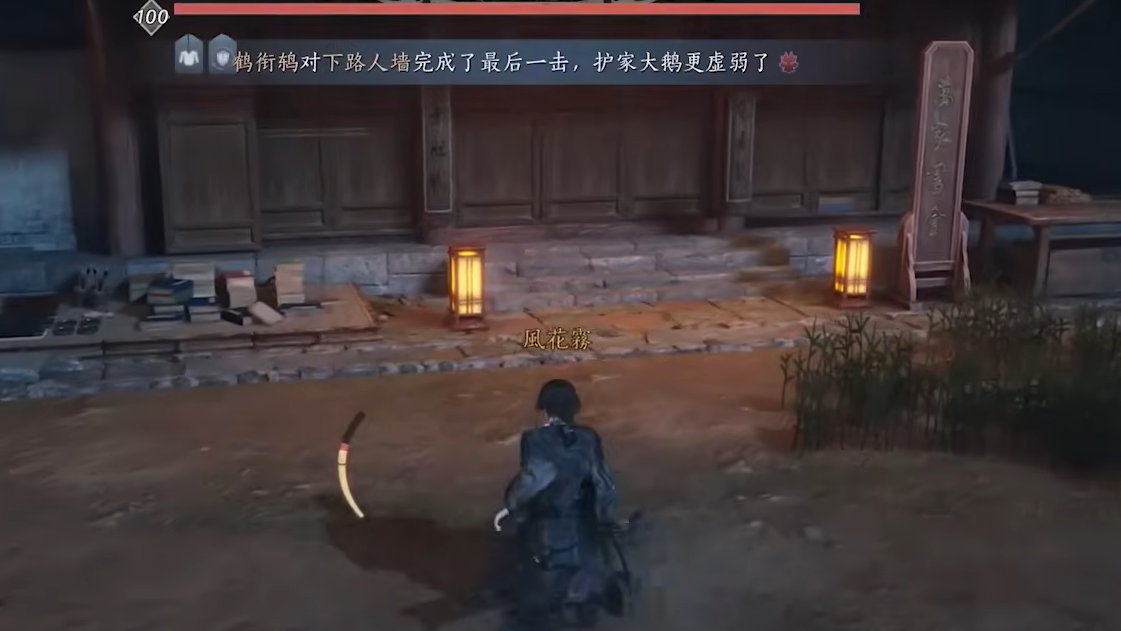
- Each base contains a central guardian goose that must be killed to unlock the enemy’s lucky tree escort.
- Neutral mini‑bosses spawn in side areas, providing buffs to the team that secures them.
Victory usually comes from a combination of lane control, objective timing, and winning decisive team fights near structures rather than simply farming kills mid‑lane.
Flow of a typical match
Before the queue pops, players swap to their PvP gear sets to maximize relevant stats and effects. When the guild leader or a commander accepts a match, an invite appears for online members. Large guilds can easily fill the 30 available slots, so slow responders may miss the cut.
Once everyone loads into the map, there is a short preparation timer. When the gates open:
- Tanks and front‑liners mount up and sprint toward the first tower to establish the initial line of scrimmage as close to the enemy structure as possible.
- Healers and ranged DPS hold behind them, maintaining healing coverage while contributing safe damage.
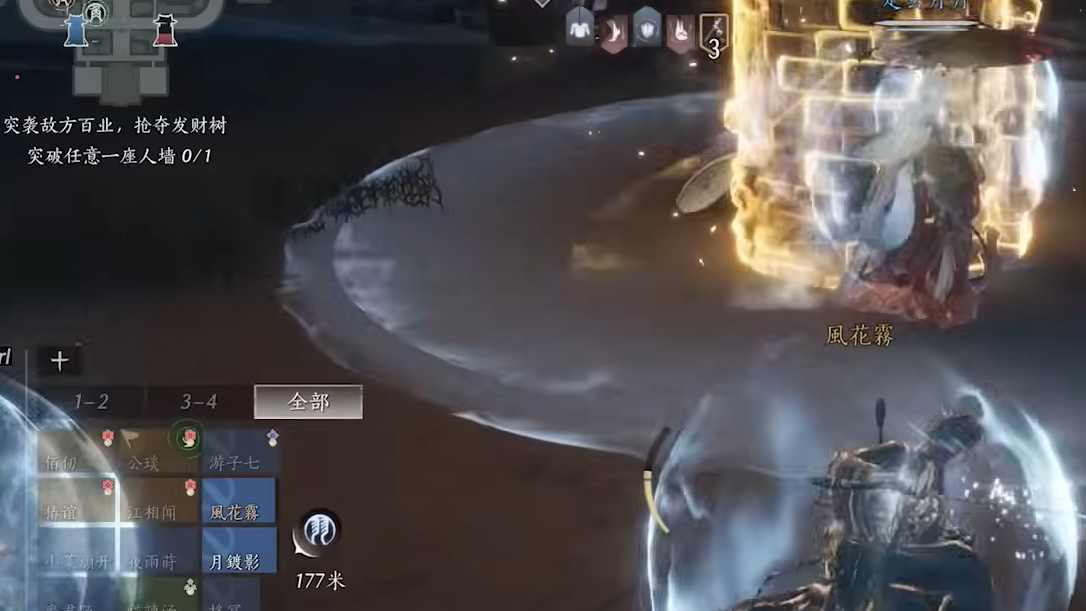
- Commanders may assign specific players as tower avatars in each lane; those players gain a set of tower skills and greatly increased durability until their tower is destroyed.
An effective push often starts with a tank using a big vacuum‑style ultimate to pull enemies together under your tower or a favorable choke point. Heavy hitters then channel charged attacks or large AoE mystic skills into the grouped targets to rapidly wipe the enemy front line.
As towers fall, the defending goose loses protective buffs and begins to take increased damage. Some teams rotate a strike squad to side lanes to quickly knock out additional towers while the main group pressures the base, amplifying damage taken by the goose.
After the goose dies, the enemy’s lucky tree becomes escortable. Four NPCs spawn to carry it, and a designated guild member interacts to start the escort. Movement speed talents and buffs matter heavily here, as the tree must be walked along the lane back to your own base while the enemy scrambles to stop it and potentially start their own counter‑escort.
Both lucky trees meet in the center if started around the same time, turning the endgame into a chaotic last team fight. Whichever side wipes the other and secures their tree’s progress typically wins.
Mid‑match 1v1 interval duel
A distinctive twist in guild war is the timed 1v1 interval duel. Around the 20‑minute mark, the screen tints red, and both guilds send one selected champion into a separate arena.
There are two paths into that arena:
- If the guild set three preferred duelists earlier, one of them is chosen.
- If no one was set or all are absent, the game picks a random participant, which can lead to awkward cases like a healer being thrown into a duel against a dedicated duelist.
The winner’s guild receives a strong buff and can choose a debuff for the enemy goose, such as increasing damage taken by a large percentage. The loser’s guild takes the opposite, which can swing a stalled match. However, a guild that already has a dominant map position can often close out the game even after losing the duel.
Guild war ultimate skills and role specialization
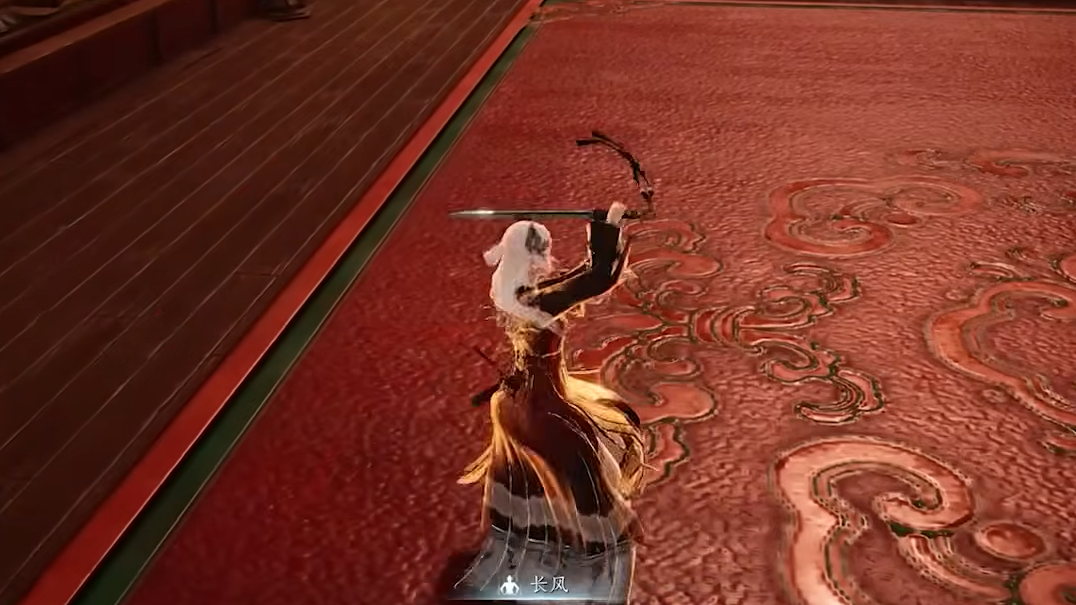
Guild war grants access to a unique set of ultimate abilities that sit on a separate button from your normal kit. These unlock and scale through the combat talent tree and are tied to weapon archetypes rather than specific sets.
Examples include:
- Nimbleless sword shield that grants a strong barrier to you and nearby allies for several seconds, preventing your energy bar from depleting during the shield.
- Spear guardian field that creates a circle where allies are immune to crowd control and take reduced ranged damage, ideal for stabilizing under pressure.
- AOE knockdown spear art that slams enemies to the ground while giving you super armor, increased damage, and reduced damage taken.
- Tank spear dome that applies super armor in an area and drastically reduces damage from enemy mystic skills for allies inside.
- Fan and umbrella zones that trap enemies inside wind walls or grant allies speed, stamina regeneration, and super armor for repositioning.
- Dual sword berserk mode that speeds up your berserk gauge gain and applies a healing‑block effect on every hit against enemies.
- Rope hook style skills that yank enemies toward you and stun them, functioning like a “Butcher hook” from Dota‑style games.
- Newer umbrella and rope skills that apply heavy healing reduction inside a circle or cause nearby enemies’ energy to drain faster, making them easier to execute.
- Motile tank pull that vacuums enemies into you, setting them up for teamwide burst.
- AoE spirit slashes that repeatedly strike enemies in a zone for several seconds, with limits per target.
- Tong to sword shield that grants allies around you sword stacks, which reduce energy damage, reduce overall damage taken, and reflect a portion of incoming hits back to attackers until the stacks are consumed.
These ultimates are designed to reward coordinated play: tanks pull and protect, DPS stack damage multiplies and execute, and support weapons maintain super armor and mobility so the team can’t be stalled out by crowd control.
Version 1.2 roadmap context and mobile integration
Guild battles in global arrived as part of a wider content push. Version 1.2 “Live to Game” introduced:
- Two new maps – Nine Mortal Ways Base and Mist Veil Prison – with fresh encounters and cosmetics.
- The final volume of the Kaifeng (Kiang) campaign, gated behind 6,000 exploration progress in that region.
- Joint punishment for criminal playstyles; close partners can be pulled into jail sentences, and reduce time together.
- New lost chapters with rewards like lingering melody items, a “cool breeze” fan, and extra jade.
- A training dummy within the Wandering Path’s sword trial section to test rotations and DPS on boss dummies.
- A fledgling system that grants 14 days of status, growth chests, and appearance chests to new characters created after the update.
- Swallow’s bond, which lets veterans pair with fledglings for shared rewards, titles, and badges.
- Login events and seasonal festivals such as Year of Abundance and Season‑End Dash, bundling cosmetics, pulls, and event currencies.
On mobile, Where Winds Meet is available as a free download on Google Play under Exptional Global’s account, with in‑app purchases and cross‑platform progression tied into the same ecosystem. Mobile and PC players use the same core guild infrastructure, so guild war coordination increasingly happens across platforms.
Guilds in Where Winds Meet are not just another menu tab. They decide whether your evenings are spent quietly trading, racing up walls with exploration squads, or sprinting down a lane behind a lucky tree while a 30‑player brawl explodes around you. Understanding how the system works – and where to invest your time and talents – is what turns a guild from a nameplate into a real home in Jianghu.