

Hytale does not ship with a fixed, hand-authored overworld. It uses procedural generation to build terrain, biomes, structures, and points of interest as you explore, while keeping strong designer control over what appears and where.
That balance between infinite variation and deliberate layout is the core of Hytale’s world design. It is not “pure randomness” in the Minecraft sense, and it is not a single static map you learn by heart. It sits between those extremes.
Procedural generation in Hytale (not just randomness)
In Hytale, almost everything in the sandbox world is created by algorithms: mountains, rivers, villages, dungeons, caves, and even many of the creatures that inhabit them. This is what “procedural generation” means in practice. The game runs a set of rules over a world seed and produces a unique but internally consistent result.
That is different from simple random generation. Random placement would happily drop an impossible dungeon over a cliff or bury key resources out of reach. Hytale’s systems apply constraints so that every chunk of terrain and every structure obeys design rules. Heights, slopes, material layers, biome boundaries, and structure layouts are all governed by those rules so the result is playable and coherent.
Importantly, procedural here does not mean “designer hands off”. Hytale’s team treats world generation as an authored system. Designers decide which biomes can meet, which structures are allowed in each region, how resources are distributed, and how difficulty ramps up. The generator then fills in the details.
V1 vs V2: two world generators, two roles
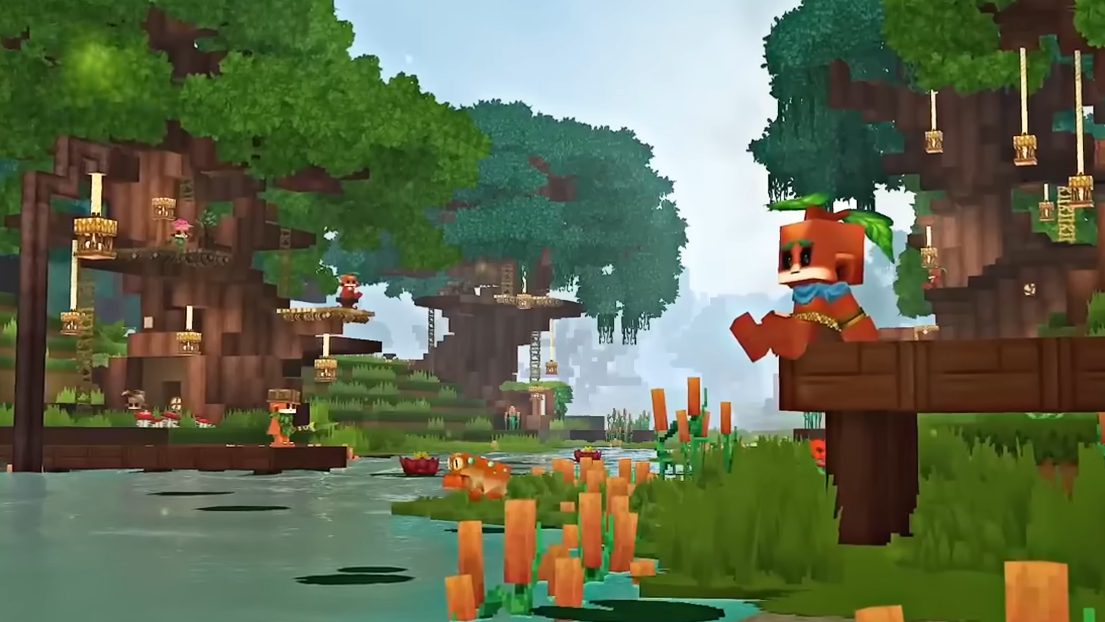
Current Hytale builds use two different world generators.
| Generator | Development window | Primary use | Key traits |
|---|---|---|---|
| V1 | 2016–2020 | Exploration mode at launch | Prototype generator with many existing biomes and content, but limited when adding new zones and complex biomes. |
| V2 | 2021– | New world of Orbis and future content | More flexible, designer‑driven generator built to support many zones, rich biomes, and powerful creator tools. |
Exploration mode currently relies on V1 because it already supports a broad spread of terrain types and prefabs. In parallel, the studio is building Orbis on V2. V2 will fully replace V1 for new content once Orbis is complete, but existing V1 worlds will remain accessible even after V1 stops generating new chunks.
During this transition, V2 biomes and features appear as fragments that you can visit through in‑game Gateways. That approach lets players see where the tech is heading without invalidating their existing worlds.
Zones: fixed structure, procedural detail
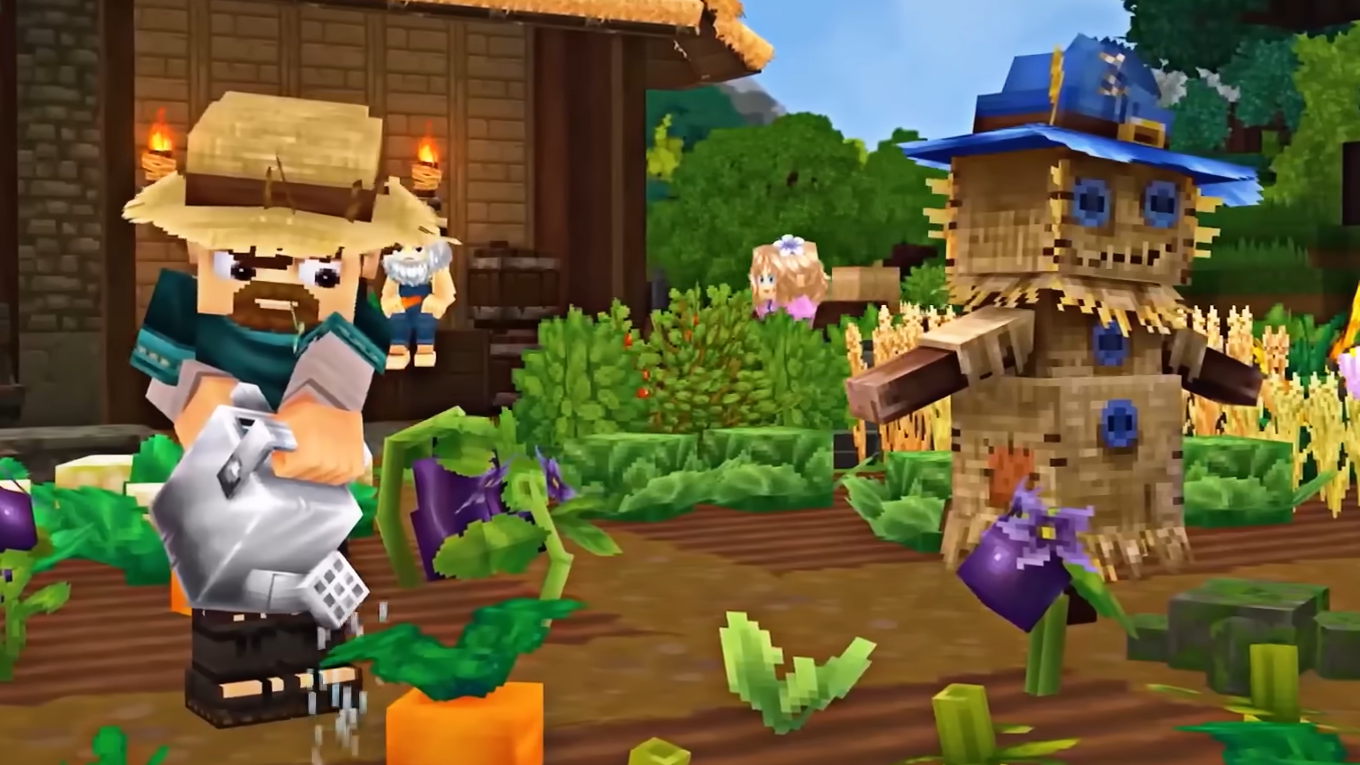
Instead of one homogeneous landmass, Hytale organizes its adventure world into large regions called Zones. Each Zone has its own biome mix, enemies, prefabs, and difficulty curve. Within a Zone, the generator creates terrain and content procedurally; across Zones, designers define the broad layout and progression.
Confirmed Zones on Orbis include:
- Emerald Grove (Zone 1) – Lush temperate landscapes with forests, plains, lakes, sprawling cave systems, and magma deep below. This is aligned with an “Earth” theme.
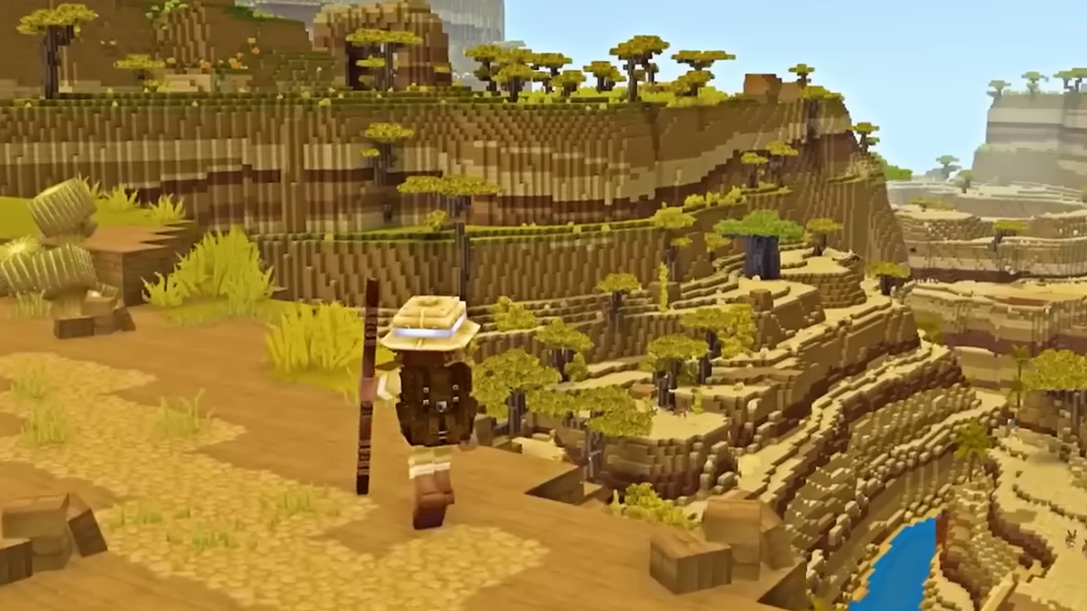
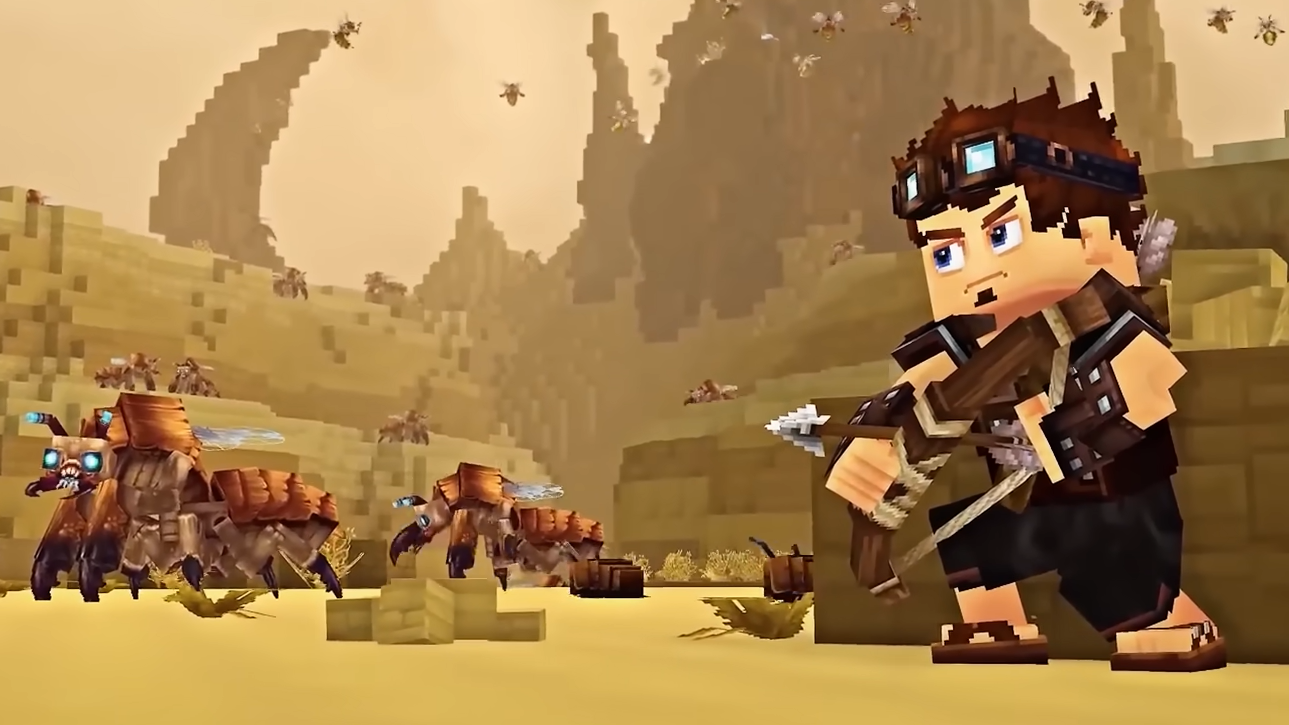
- Howling Sands (Zone 2) – An arid desert region with sparse vegetation, sand‑stone temple complexes, and dry underground networks. Associated with “Wind”.
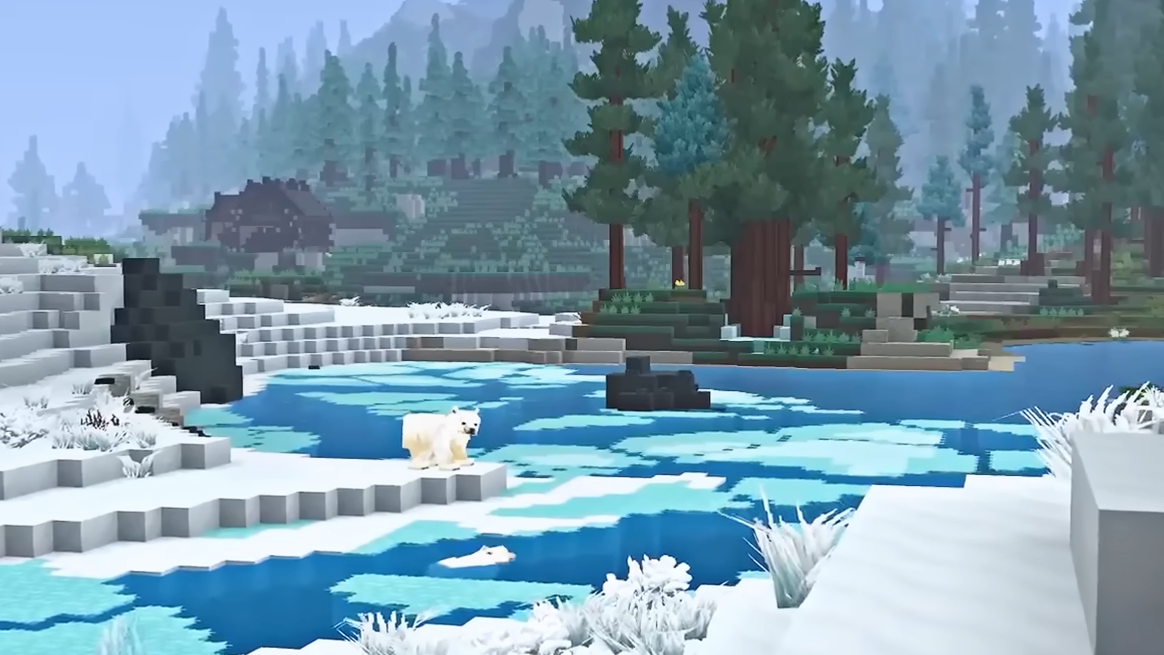
- Borea (Zone 3) – Cold, mountainous, and covered in taiga forests, snow, and ice‑rimmed caves. Lava is much rarer here, fitting a “Water” theme.
- Devastated Lands (Zone 4) – A scorched, lava‑scarred wasteland on the surface, with surprising pockets of water and foliage deeper underground. This corresponds to “Fire”.
Additional placeholder Zones like “Skylands” (Zone 5) and “Poisonlands” (Zone 6) exist in the tools, but their final designs are not yet defined.
Zones are not just visual sets. They gate difficulty and reward quality as you move outward. Early Zones are tuned for new characters; later Zones introduce tougher enemies and better loot. The procedural rules inside each Zone reflect that progression, changing mob rosters, dungeon templates, and resource tables as you travel farther from safer starting regions.
Biomes, coastlines, and “infinite” terrain
Inside a Zone, terrain is further subdivided into biomes – forests, lakes, hills, ravines, shorelines, oceans, and more. Each biome has its own terrain shape logic and material layering, so a forest valley feels different from a windswept ridge or a frozen fjord.
Every Zone includes its own coastline that meets the ocean. Even the ocean is biome‑driven, with shallow coastal shelves leading out into Deep Ocean areas that act almost like a separate Zone. Those deep waters separate Orbis from the “Infinite Lands”, far‑flung territories that extend exploration beyond the main continent.
Procedural rules decide how biomes blend into one another. Terrain height, slope, and composition are interpolated at biome borders so you don’t run into hard edges. Biomes can also customize how they behave near their edges, which makes a desert’s approach to a river feel distinct from a forest’s approach to that same river.
Because the generator runs whenever new chunks are needed, world size is effectively unbounded. You can keep sailing, digging, and walking, and the engine will continue to stitch together new terrain and content that respects its rule set.
Prefabs: authored building blocks inside a procedural world
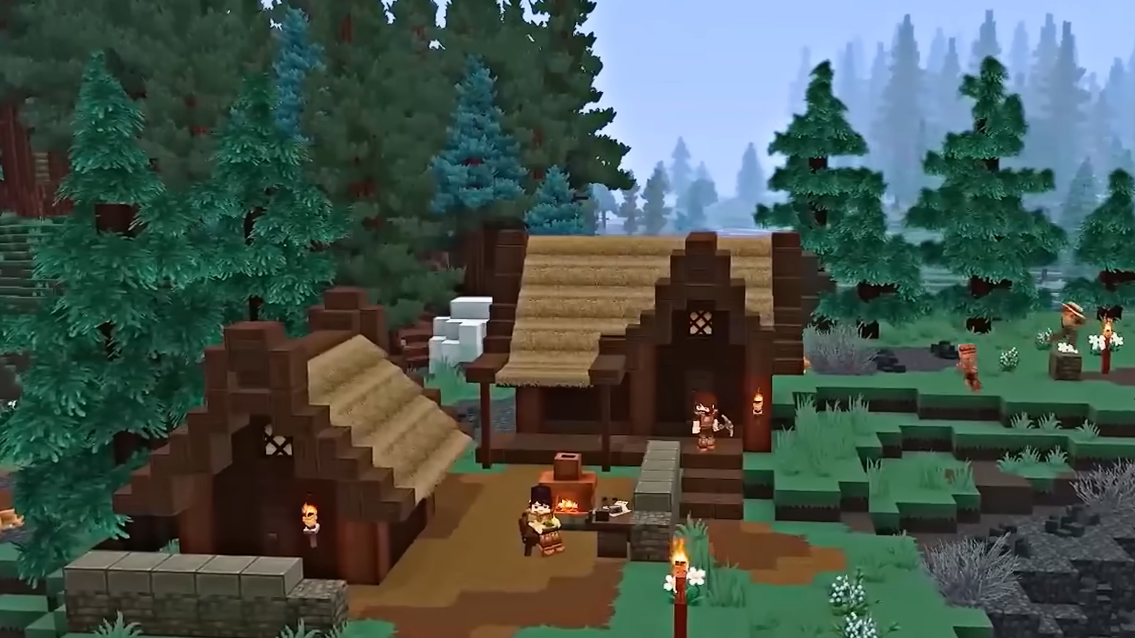
Hytale leans heavily on “prefabs” to keep its procedural worlds feeling handcrafted. A prefab is any pre‑built arrangement of blocks and objects the generator can drop into the terrain. That can be as simple as a single tree or boulder, or as complex as a castle, dungeon room, or shipwreck.
There are already thousands of prefabs used across Orbis, with trees and dungeon rooms making up a large share. Dungeons, in particular, are constructed from parent rooms that can attach to multiple child rooms and extensions, resulting in many possible layouts using one library of pieces. A given dungeon template might always include a treasure room at its heart, but the corridors, side chambers, and surface entrances vary between worlds.
Prefabs are not limited to the overworld. Caverns, underground shrines, and even pocket dimensions entered through portal dungeons all use prefab logic to keep layouts varied while guaranteeing that they are completable and interesting to traverse.
How Hytale uses the environment to “talk” to you
One of the most important aspects of Hytale’s procedural design is readability. The game does not rely on minimap icons or explicit markers for every point of interest. Instead, the generator arranges environmental clues so that players who pay attention can infer what lies nearby.
That behavior comes from a pattern scanning system in V2. When placing props like trees, mushrooms, or bridges, the generator does not just look for a flat surface. It can scan the surrounding blocks for depth, air pockets, slopes, and other context, then choose a prefab or variant that fits that pattern.
Concrete examples include:
- Dark‑leaved ash trees with large exposed roots spawning only above certain deep caves, silently indicating that valuable “deeproot” cave systems lie beneath those tiles.
- Log bridges appearing only where a river has two opposing and appropriate banks, instead of spanning arbitrary gaps.
- Glowing mushrooms that prefer sheltered, enclosed areas, naturally highlighting pockets and overhangs.
- Flower meadows appearing in small dips surrounded by trees and rocks, visually marking lowland clearings.
These heuristics let designers encode hints into the world without on‑screen text. Over time, you learn that some trees mean ore‑rich caves, that certain mushrooms mark safer paths, or that unusual rock formations might hide entrances to dungeons.
World generation built for RPG systems
Hytale’s procedural systems are tightly coupled to its RPG ambitions. The generator does more than scatter landmarks; it enforces a relationship between challenge, reward, and travel distance.
Dungeons and ruins are placed so that progress feels earned rather than random. Boss arenas and high‑tier loot are not dumped next to spawn, but they are also not so rare that you have to wander aimlessly for hours. Lootable structures carry zone‑appropriate enemies and rewards, and the rules prevent key scenarios from overlapping in ways that would trivialize encounters or soft‑lock progression.
Underground, cave systems follow zone‑specific rules about what creatures appear, which ores can generate, and how hazards like lava or water are distributed. You can expect certain resources or enemy types once you recognize the surrounding biome and depth, which supports planning and build crafting.
How Hytale compares to Minecraft’s worlds
On the surface, Hytale and Minecraft share a lot: block‑based terrain, procedural generation, seeds, and endless worlds. The goals behind their generators diverge in important ways.
Minecraft’s terrain focuses on open‑ended variety. Biome layouts and structure locations are broadly constrained, but the game leans into emergent stories driven by whatever the generator happens to create and whatever players decide to build.
Hytale pushes harder on authored progression. Zones, difficulty bands, and heuristic environmental cues are all about making sure you can reliably find story‑relevant content, appropriate challenges, and specific resources without being funnelled down a single path. Exploration is still free‑form, but the world subtly nudges you toward discoveries and away from dead ends.
That difference is also visible underground and in dungeons. Hytale’s emphasis on prefab‑based architecture and pattern‑aware prop placement means that interiors feel more like designed levels, even though they are assembled on the fly.
Tools for modders and world designers
V2 is not only for the core team. It is designed so that creators can build or customize worlds without touching code, and programmers can go deeper when they want to.
The heart of that approach is a visual node editor for world generation. Terrain shapes, biome masks, material layering, prop distributions, and Zone composition are all defined through networks of nodes. When you edit those graphs, the game can live‑reload the world to show the impact immediately, which shortens the iteration loop dramatically.
Creators can, for example, adjust a hillside biome’s base height curve, then refine how rock and soil are layered with Material Provider nodes that react to depth below ground or airspace above. They can widen or tighten forest bands by tweaking masks that control where tree props may spawn. They can also script how a biome adjusts as it approaches neighboring biomes so transitions feel intentional.
For those who do want to code, V2 exposes APIs that plug directly into this node‑based system. Custom generators or modifiers automatically participate in multithreaded world generation and can read surrounding world context, so modded content plays nicely with both vanilla and other mods.
The studio plans to treat “World Designer” as a distinct role, both internally and within the community, reflecting how central authored procedural worlds are to Hytale’s identity.
Hytale’s answer to the old “fixed map or random world” question is to sidestep that binary entirely. The world is fully procedural, but the rules that drive it are built and tuned like a traditional level. Zones, biomes, prefabs, and environmental heuristics make each seed different while preserving a clear sense of place, progression, and intent.