

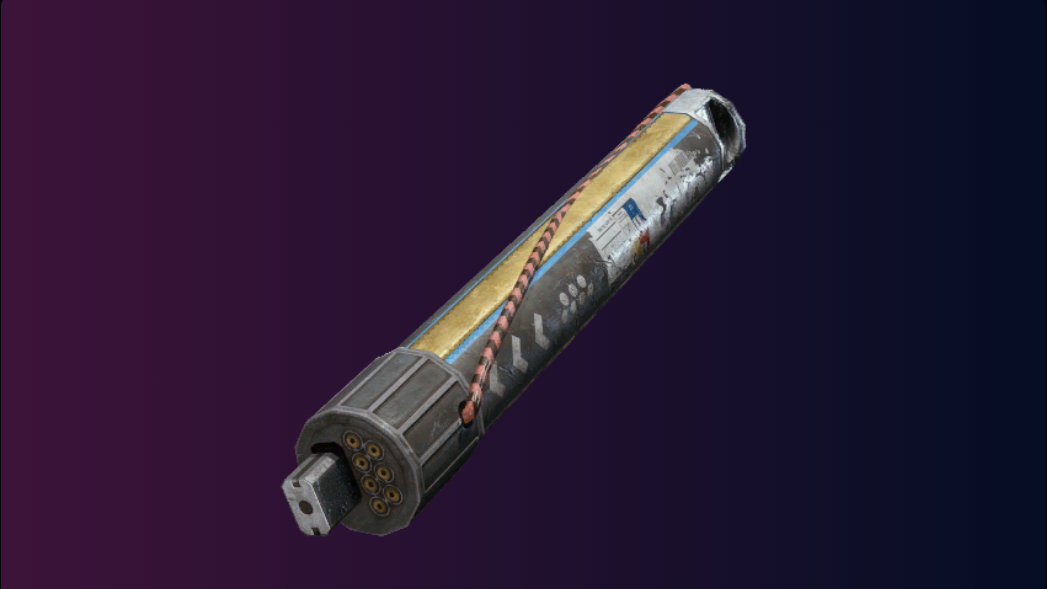
In Arc Raiders, the Power Rod is an Epic Exodus material with two practical roles: it’s a crafting ingredient for high-end items, and it functions as a one-time key for a specific locked door on Dam Battlegrounds.
What the Power Rod is used for
Crafting: Power Rods are used to craft items like the Heavy Shield and Snap Hook. If you’re progressing through quests and upgrades, it’s also tied into completing Tribute to Toledo by delivering one to Celeste.
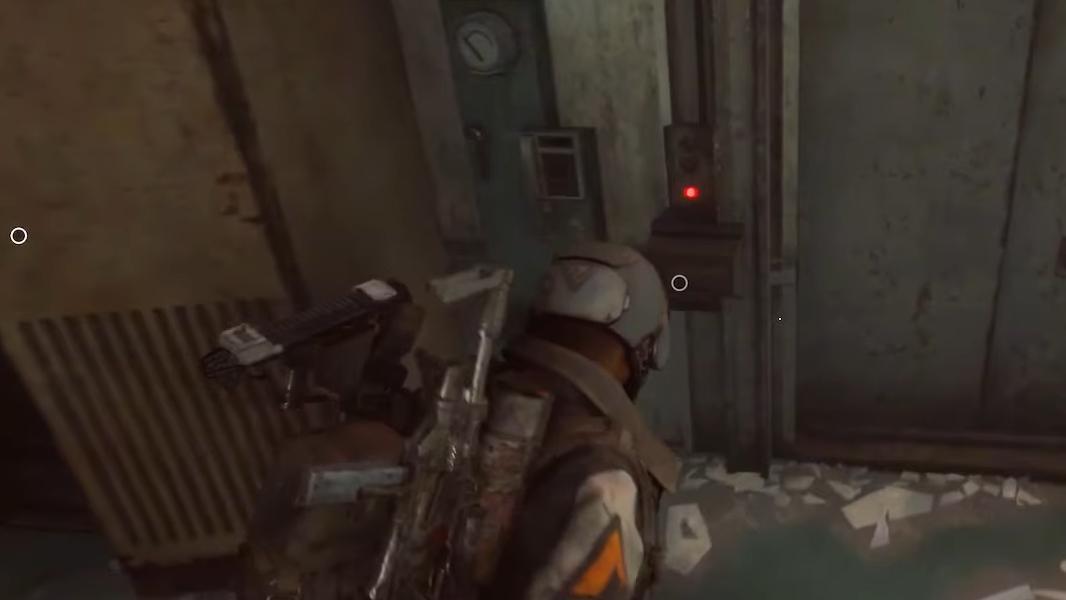
Opening a locked door on Dam: On Dam Battlegrounds, a locked metal door in the Power Generation Complex can be opened with a Power Rod. The room behind it is a compact loot space with lockers and loose items.
Where to use the Power Rod door (Dam Battlegrounds)
The Power Rod door is inside the Power Generation Complex on Dam Battlegrounds. The door is identifiable as a locked metal door and sits near the complex’s electrical infrastructure, close to where you’ll also find breachable electrical cabinets.
Community consensus has largely settled on this being the only door currently known to require a Power Rod.
What’s inside the Power Rod locked room
The room is primarily built around lockers plus loose loot on nearby surfaces. Reported pulls skew toward blue-tier items, with recurring utility loot such as meds and throwables. Players also report occasional higher-end outcomes like blueprints and stronger weapons, with better overall volume during night raids.

When the locked room is worth running: day vs storm vs night
Loot patterns vary noticeably by map condition:
- Night raids: Consistently the best overall for quantity, with more loose loot alongside the lockers. Common finds include Wolfpack grenades, trigger grenades, Showstoppers, and Vita spray, plus weapons from lockers.
- Electromagnetic storm: Typically, less loose loot than at night. Blueprints can still show up, but the room tends to feel less productive run-to-run.
- Daytime: Similar to storm in that loose loot is often limited, making the room less attractive unless you’re already nearby and safe.
How to get a Power Rod
There are three common paths: loot one in a raid, craft one, or recycle one out of another item.
Find a Power Rod in raid (Power Generation Complex and other hot zones)
Step 1: Go to Dam Battlegrounds and head to the Power Generation Complex. This area is a frequent target for players, so expect traffic and plan a route that lets you disengage if needed.
Step 2: Prioritize breachable electrical cabinets inside the complex. These large electrical cabinets are a primary place where Power Rods appear.
Step 3: If you’re branching out, check other breachable electrical panels and containers in high-traffic loot zones, including the Spaceport underground tunnels. These areas can have a higher chance of contested fights, but panels there are also associated with Power Rod drops.

Craft a Power Rod (Refiner level three)
Once your Refiner is upgraded to level three, the Power Rod becomes craftable.
Step 1: Open your crafting station and navigate to the Refiner crafting list after reaching level three.
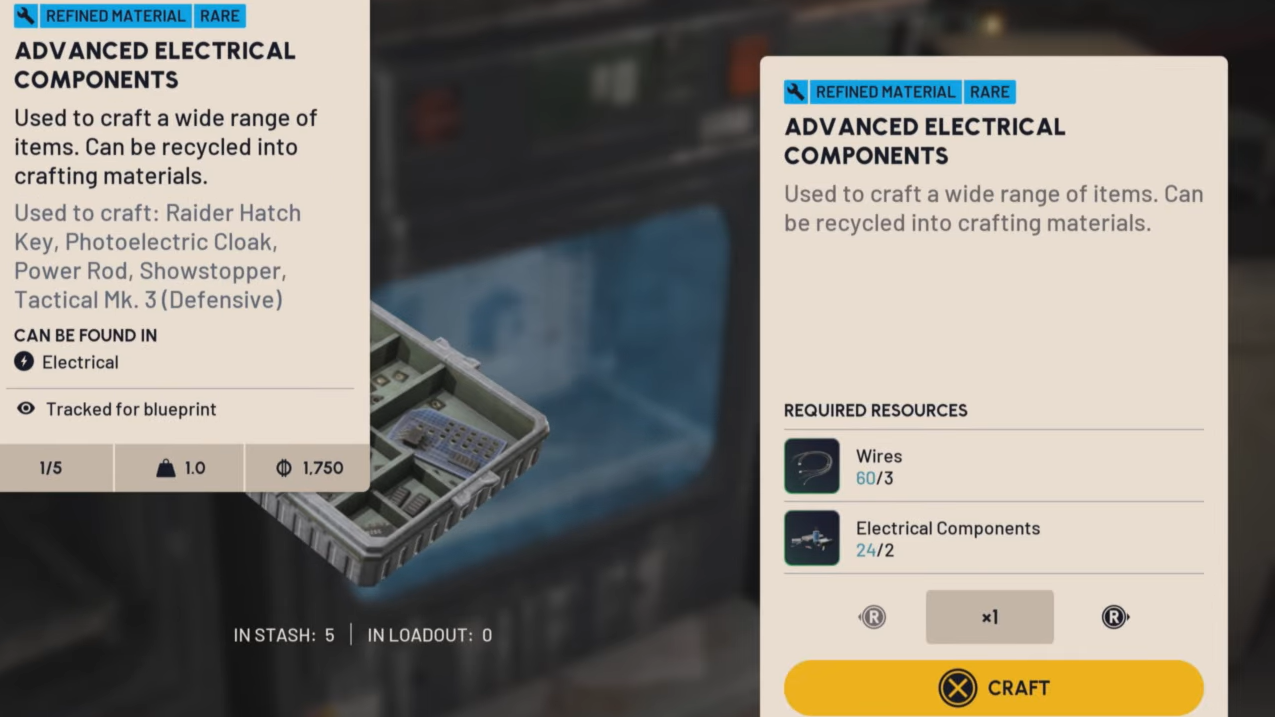
Step 2: Craft a Power Rod using 2x Advanced Electrical Components and 2x Arc Circuitry.
Recycle items into a Power Rod (Snap Hook and Heavy Shield)
Step 1: If you have a spare Snap Hook, recycle it to obtain a Power Rod. A Snap Hook can be earned as a quest reward for Lost in Transmission, and it can also appear as a drop associated with the harvester event.
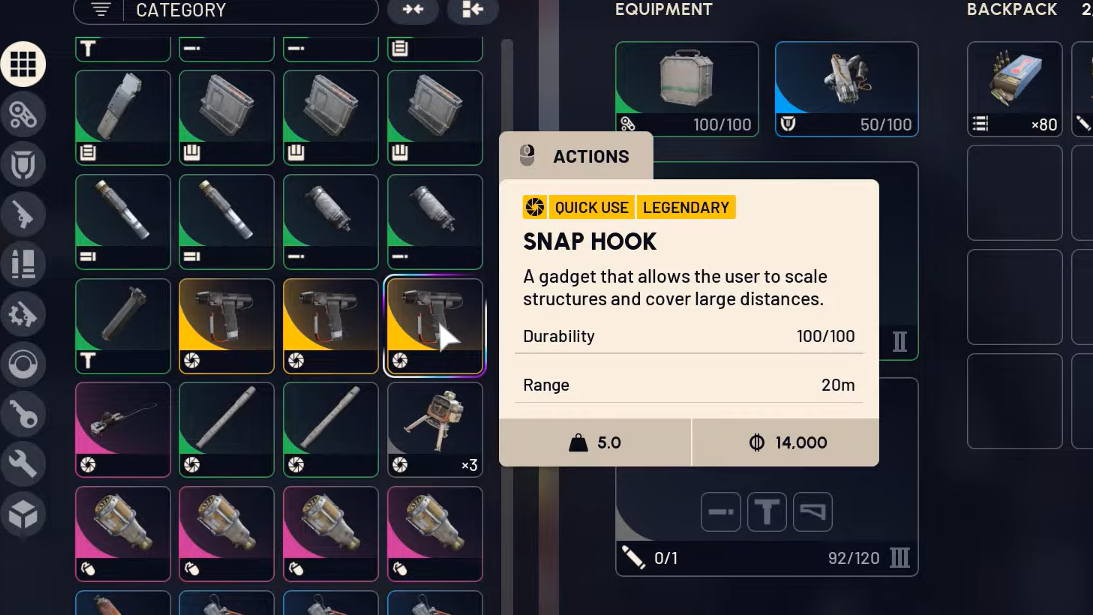
Step 2: You can also recycle a Heavy Shield to obtain a Power Rod.
Risk management when carrying a Power Rod
If you’re bringing a Power Rod into Dam specifically to open the door, storing it in a safe pocket reduces the chance of losing it on death. The locked room is close to a high-value route inside the Power Generation Complex, and it’s common to run into both AI threats (including turrets along the approach) and other Raiders.
For most players, the cleanest loop is simple: secure a Power Rod through crafting or recycling when possible, then spend it on the Power Generation Complex door during night raids when the room’s loot density tends to justify the risk.