

Puppeteer – Sheng Wu is one of the earliest hard checks in Where Winds Meet. He appears both as an early “tutorial” style encounter and later as a full World Boss in the Verdant Wilds of Qinghe, south of the Verdant Wilds campfire waypoint. His fight is built around punishing panic rolls, rewarding disciplined parries, and testing how well you can manage a second phase where he fully refills his health and hides behind puppets.
Sheng Wu’s core mechanics
Sheng Wu fights with a glaive and a Qi bar beneath his health. Depleting that Qi bar leaves him open to a powerful Execute, which is usually safer and more reliable damage than trying to out-DPS his health directly, especially at low levels.
His kit is built around three ideas:
- Telegraphed melee strings that can be parried or dodged to drain Qi.
- Two glow states on big attacks: a gold glow thrust that must be dodged, and a red glow rush that can be perfect parried or interrupted.
- A phase 2 puppet intermission where he disappears, heals to full, and forces you to kite and clear two puppets while he snipes you.
At low levels (around 2–3) and in higher difficulties, any mistake costs a large portion of your health, so the focus shifts from raw damage to Qi damage through parries and safe openings.
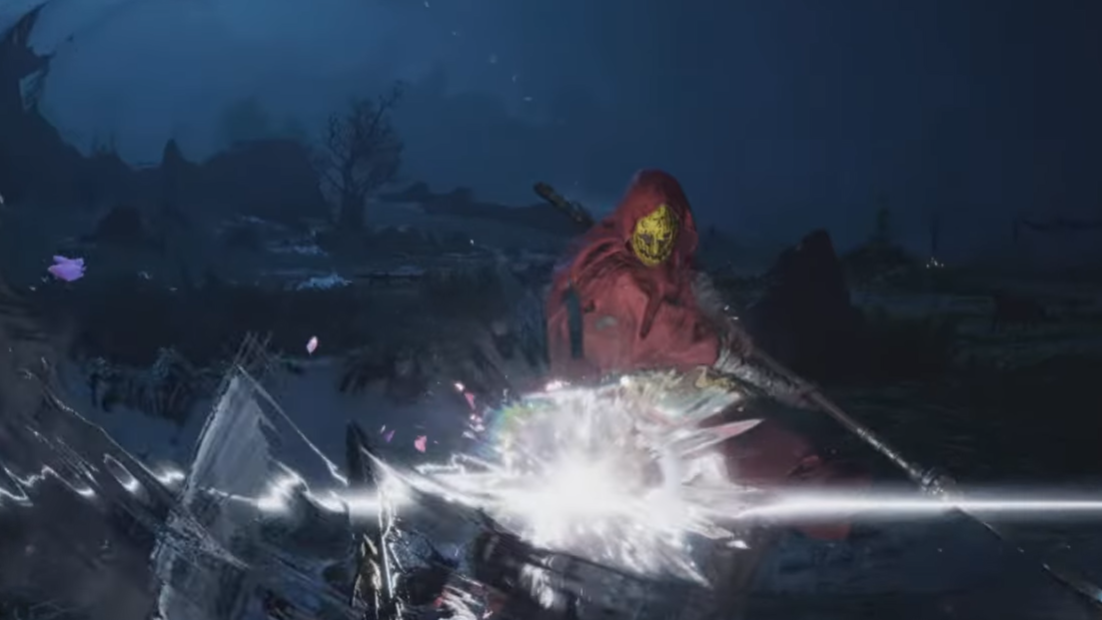
Recommended setup for Puppeteer – Sheng Wu
You can beat Sheng Wu with starter tools, but a few choices make the fight noticeably more forgiving:
- Companion: Yi Dao is an especially strong choice. He can soak several of Sheng Wu’s hits, pull aggro, and occasionally heal you, giving you breathing room to learn patterns or reposition.
- Martial Arts: Strategic Sword and Heavenquaker Spear are recommended. Both give you solid reach and clear, responsive strings for punishing Qi breaks and puppet windows.
- Mystic Arts: Meridian Touch pairs well with Qi-focused play. It lets you capitalize on stuns and slow windows from Perfect Dodges.
- Infernal/Inner Ways: Evening Snow and Steadfast Stance are suggested for extra survivability and stability in a long fight.
None of these are mandatory, but they align with how the fight works: frequent small punish windows, occasional large punish windows, and a heavy emphasis on staying upright through mistakes.
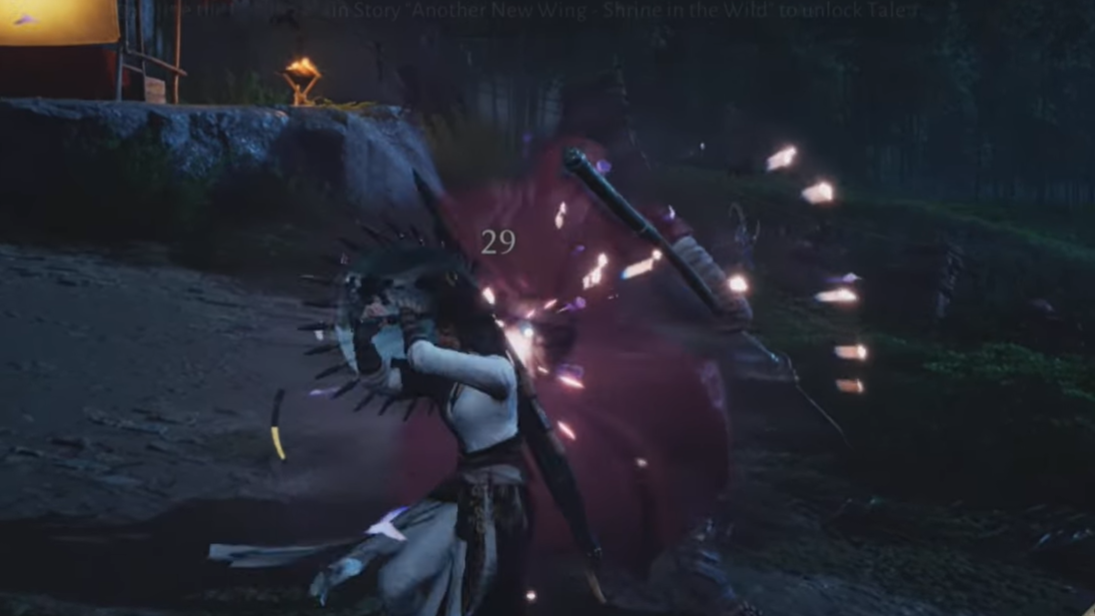
Using training mode to learn Sheng Wu
Sheng Wu is specifically supported by a practice environment, and using it is often the difference between “stuck for hours” and “I see it now.”
Step 1: After you die to Sheng Wu, look at the game over screen. There is a practice/training option listed among the buttons; select the third option on that screen to enter his training scenario.
Step 2: Alternatively, open your main menu, go to Wandering Paths, then Trials, select Puppeteer, and choose the practice option. This loads you into a version of the fight where you do not consume potions, you do not lose gear durability, and your character is much tankier.
Step 3: In training, deliberately face-tank non-lethal hits while watching his timing. Treat it as a lab: commit to learning the tempo of each combo rather than playing to “win” the attempt.
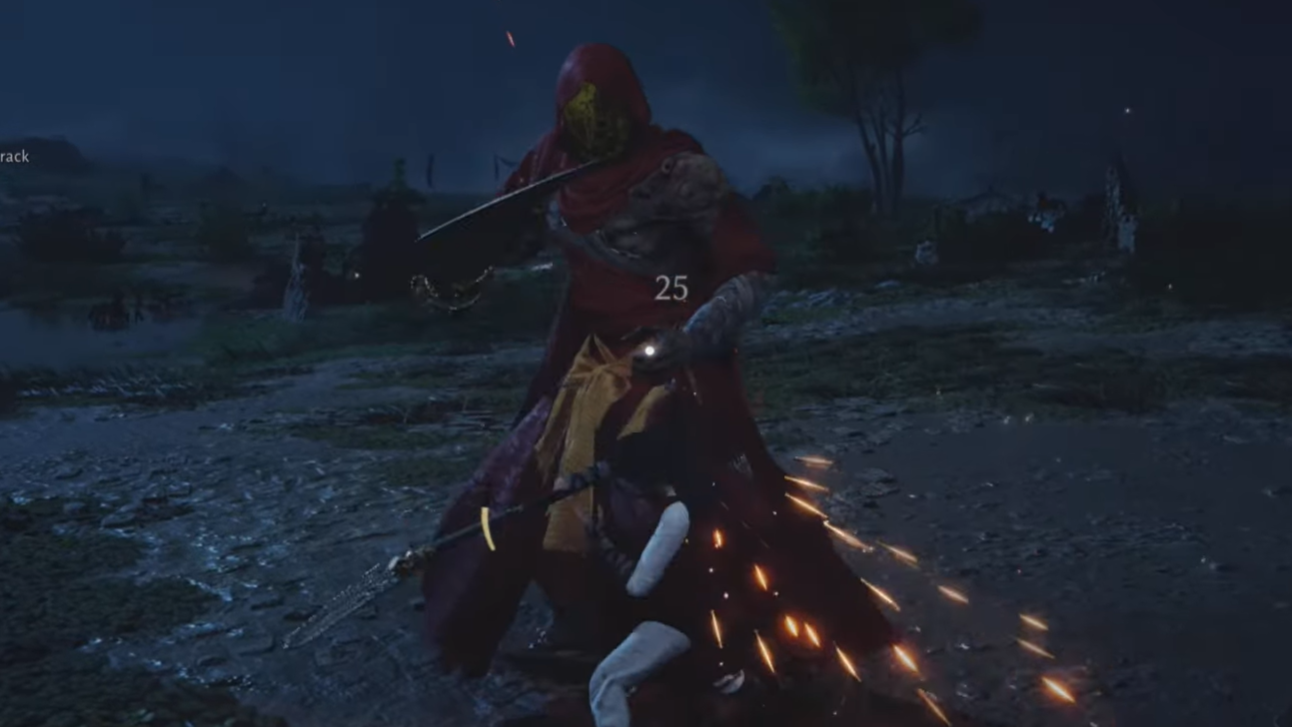
Phase 1: parry-centered game plan
Phase 1 is where you should reliably drain Sheng Wu’s Qi bar at least once per attempt. His melee strings here are consistent, and all but one can be parried or dodged.
| Move | Type | Parry / Dodge |
|---|---|---|
| Puppet Slam | Jump into ground slam | Parry or dodge |
| Two Strings | Two-hit horizontal then swing | Parry or dodge |
| Three Strings | Three-hit spin into swing | Parry or dodge |
| Six Strings | Six-hit rush with spins and jump finisher | Parry or dodge |
| Ace of the Puppet | Wide baseball-like swing | Parry or dodge |
| Puppet Thrust | Straight glaive thrust | Parry or dodge |
| The Iron-Rod | Step back, golden jump, long thrust | Dodge only (no parry) |
A practical pattern for Phase 1:
Step 1: Stay just inside his melee range and hold your ground. Your goal is to “fish” for parries, not to run away. Every successful parry shaves his Qi bar and edges you toward an Execute.
Step 2: When he uses Two / Three / Six Strings, learn the rhythm of each hit. Parry each swing individually rather than trying to mash; the Qi damage stacks quickly. After the final hit, land a short punish string, then reset your guard.
Step 3: Watch carefully for The Iron-Rod. The visual cue is a backward step followed by a jump with a golden glow. Do not try to parry this. Instead, delay your dodge until the last moment and slide sideways, never straight backward.
Step 4: Whenever you fill his Qi bar, trigger the Execute as soon as possible. This is your largest safe damage window and often pushes him closer to the phase transition than normal hits would.
Players who consistently reach Phase 2 with half health or less usually have two issues: eating the last hit of Six Strings because they overextend their punish, or mis-timing Iron-Rod and trying to parry it. Fixing those two mistakes alone often stabilizes the first half of the fight.
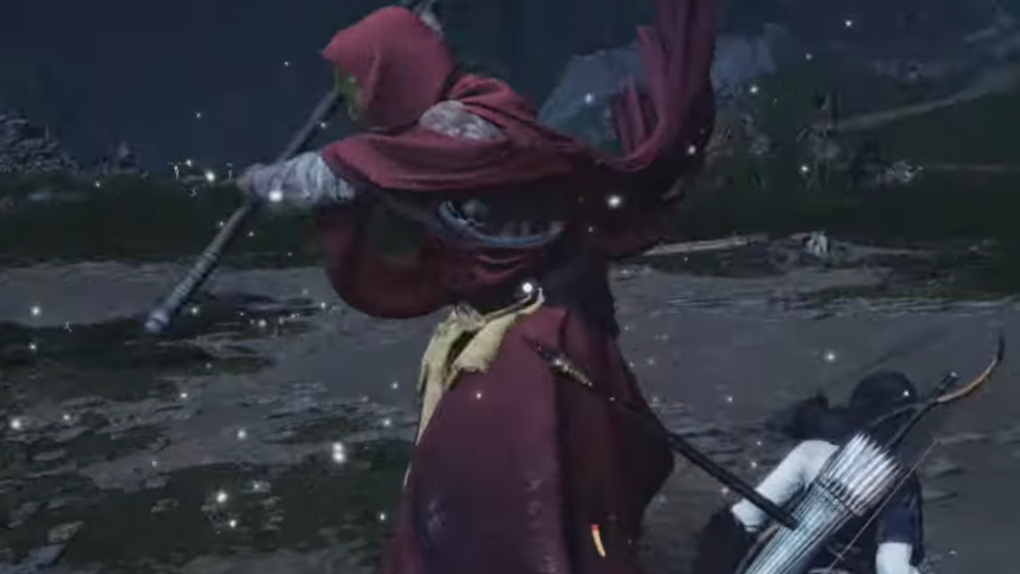
Phase 2: puppets, health refill, and new attacks
Once you take Sheng Wu to a certain threshold, he disappears into smoke, fully refills his health bar, and summons two puppets. This can feel brutal if you nearly killed him before the transition, but the design expects two full health bars: the test is whether you can repeatedly execute his Qi breaks and manage the adds, not whether you can one-phase him.
Handling the puppet intermission
During the intermission, Sheng Wu is not directly targetable. Instead, two puppets appear, and he attacks from range while you deal with them.
Step 1: Switch to a long-reach weapon such as Nameless Spear or Heavenquaker Spear if you have it. The spear lets you poke safely while repositioning.
Step 2: Kite the puppets in a loose circle rather than standing between them. They only attack in one direction at a time, so if you keep moving, many of their swings will whiff. Do not attempt to parry them; the risk–reward is poor compared with simply sidestepping and poking.
Step 3: Keep Sheng Wu in your camera when possible. He can still strike you during this phase, so avoid tunneling on a single puppet; your survival matters more than clearing them instantly.
Once both puppets are defeated, Sheng Wu reappears, and you resume a more traditional duel, now with a couple of extra tricks.
Phase 2 melee and glow attacks
Sheng Wu’s basic combos become more aggressive, and he leans harder on red-glow attacks.
| Move | What happens | Your best response |
|---|---|---|
| Five Strings | Five-hit sequence, forward slashes into spin finisher | Parry each hit or fully dodge out; punish after final swing |
| Puppet Block | Raises glaive to block, then somersaults away when under heavy pressure | Stop attacking after you see the block; don’t chase into the flip |
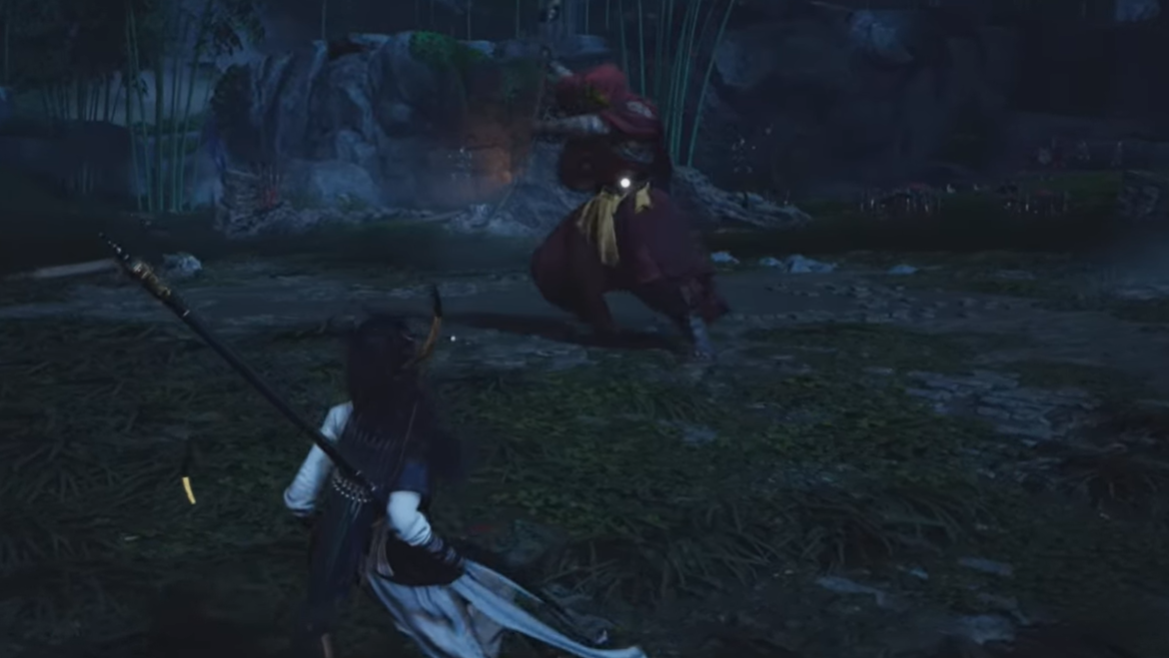
| Nameless Rush | Red glow stance, then rush with two-hit up slash into spinning down slash | Perfect parry or tight sideways dodge; counterattack after success |
Two glow-based attacks define the risk curve here:
- Golden Iron-Rod (still dodge-only) – The same golden jump thrust from Phase 1. Slide sideways at the last possible moment. A Perfect Dodge here slows time, giving you a short window to unload a mystic skill.
- Red-glow rush (Nameless Rush) – Starts from a red stance, then a fast rush. This can be perfect parried for a counter opportunity, or interrupted using Cloud Steps.
Perfect Dodges and Cloud Steps
Step 1: When Sheng Wu jumps and glows golden, hold your nerve. Wait until he commits to the lunge, then dodge sideways. If you time it perfectly, time will briefly slow, letting you cast your strongest mystic skill into his exposed flank.
Step 2: When you see a red stance, decide early: either commit to learning the perfect parry timing or tap Cloud Steps to break his charge. Cloud Steps can disrupt the attack and reset the situation, which is safer while you’re still learning.
Step 3: Throughout Phase 2, continue treating his non-glow melee strings as Qi battery. Even though the parry windows are a bit tighter, every successful parry brings you closer to another Execute, which is critical now that he has effectively two full health bars.
Low-level and “no consumables” strategies
Many players first meet Sheng Wu at around level 2, often with only one or two flasks and a few crafted potions. In that scenario, the fight becomes almost entirely about not getting hit and using training mode to build the necessary muscle memory.
Practical adjustments for under-geared attempts:
- Deprioritize damage. Aim for shorter punish strings after every Qi break. Overextending for “one more hit” is how runs die when you have no healing.
- Value dodges first, parries second. If you struggle to parry entire combos, focus on clean dodges until you can comfortably survive to Phase 2 multiple times in a row. Then start swapping specific dodges for parries.
- Don’t fear durability loss. Early-game broken gear carries only a small stat penalty and is easily repaired with common materials, so failed attempts are not catastrophic.
- Remember flasks and potions are craft-limited. Healing flasks can be upgraded later using items such as Medicinal Tales, but in the early attempts, treat every charge as precious.
If frustration sets in, do a short loop of side content to unlock heavier attacks, a second skill on your main weapon, and more healing capacity. Sheng Wu is beatable at level 2–3, but the game does not require you to clear him immediately on first encounter.
World Boss version: location and rewards
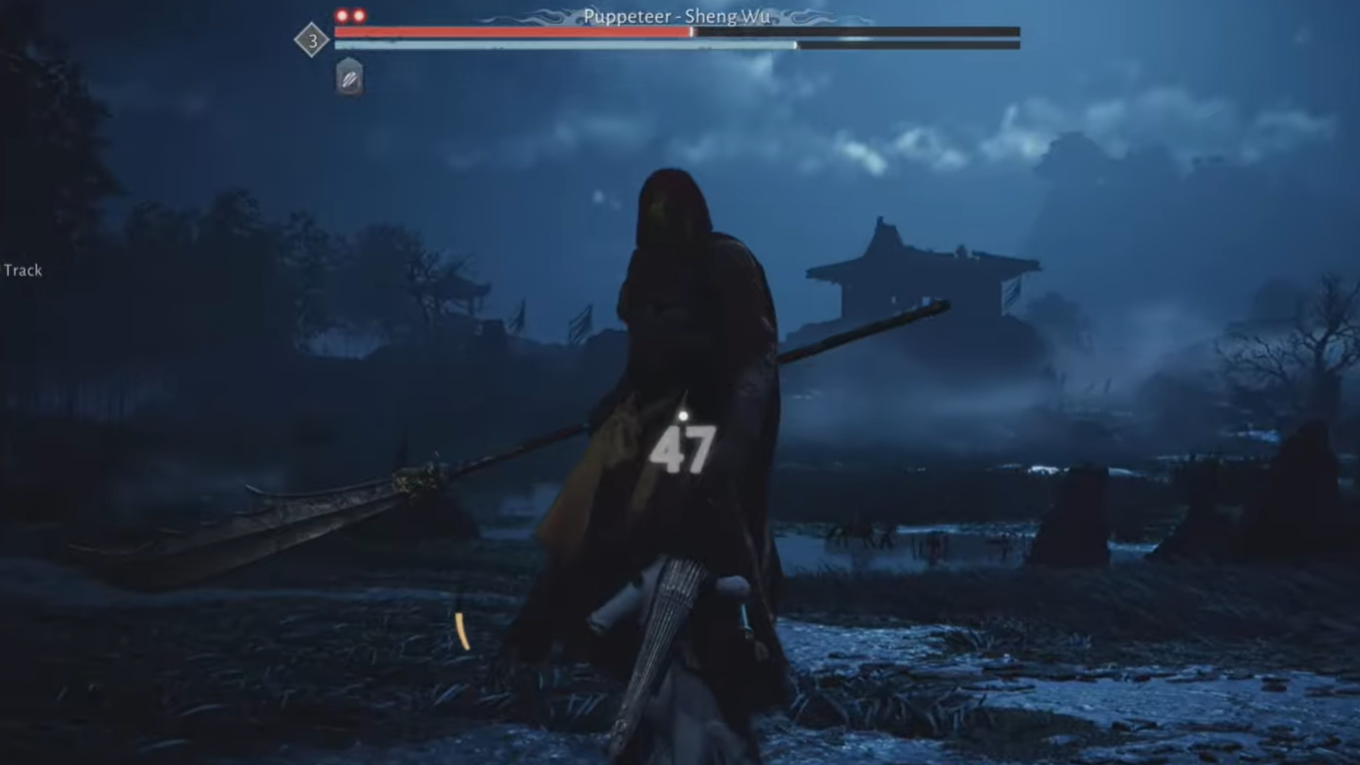
As a World Boss in the open world, Sheng Wu appears in the Verdant Wilds area of Qinghe, just south of the Verdant Wilds campfire waypoint. Approaching him in the field starts the encounter.
Defeating this version of Sheng Wu grants a bundle of rewards that make the struggle worthwhile:
- Echo Jade ×20
- Exquisite Scenery: Tome ×1 (used with certain weapons such as Thundercry Blade)
- Medicinal Tales ×3 (for improving your medical chest and healing options)
- Zhou Coin ×8000
- Decoration: Shadow Puppet Doll ×1
- Character XP ×12000
Sheng Wu’s fight is less about racing his health bar and more about demonstrating that you can read long strings, respect non-parryable thrusts, and stay composed through a phase that appears to “undo” your work. Once you internalize the Qi-centric rhythm—parry strings, dodge gold, punish red, kite puppets—the fight shifts from a brick wall to a reliable test of fundamentals you can clear even with minimal gear.