

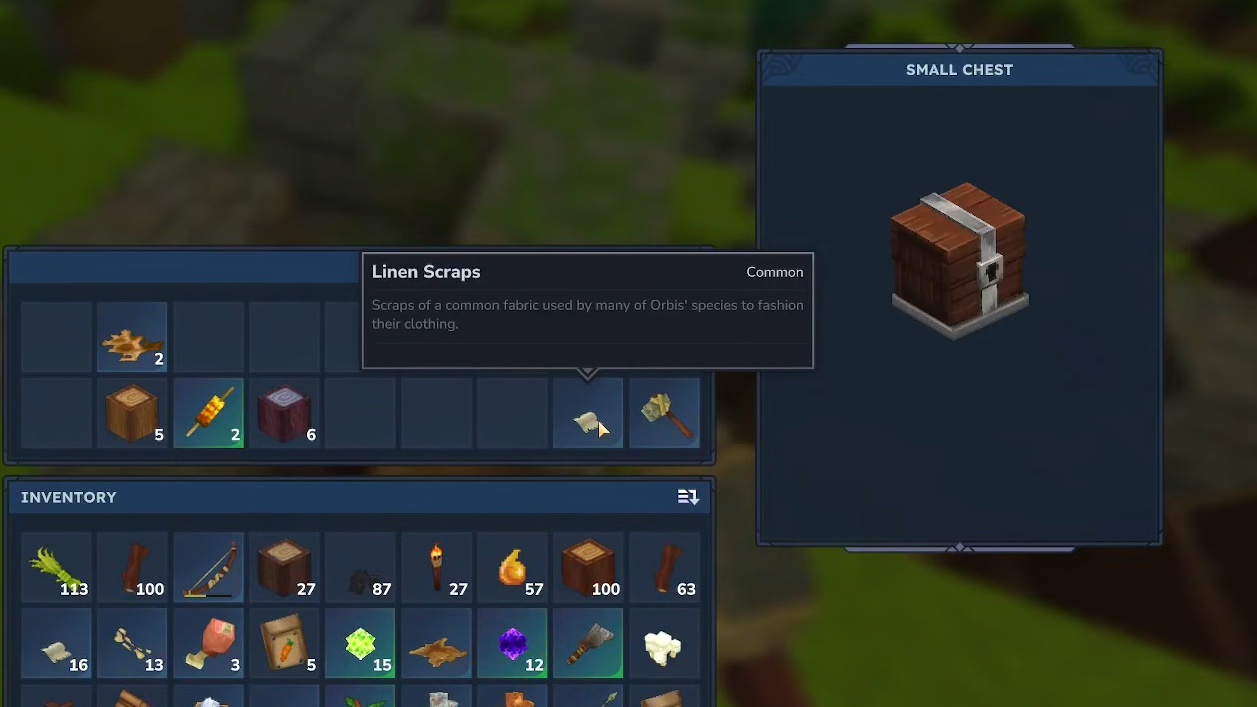
Linen Scraps look like a simple early-game loot item in Hytale, but they quietly gate some important progression, including workbench upgrades and high-tier crafting. If you are stuck trying to upgrade a workbench or build an Arcanist’s Workbench, you are going to need a reliable way to farm them.
What Linen Scraps are in Hytale
Linen Scraps are a basic crafting material tied to combat rather than gathering. They are not harvested from plants, and there is no known recipe to craft them from other items. Instead, they are tied directly to specific enemies and act as a soft check that you have spent some time fighting in early areas before pushing deeper into the tech tree.
Each piece of scrap counts as a single unit toward recipes and upgrade requirements. Several mid- and late-game structures expect you to have a stockpile of them, so treating them as a core resource from the start pays off later.
Where to get Linen Scraps in Hytale
The most direct way to get Linen Scraps is to kill skeleton-type enemies. Standard skeletons drop Linen Scraps when they die, and they are common in the starting region of Zone 1. You do not need any special tool or perk; simply defeating the enemy and looting the body is enough.
Skeletons are especially convenient to hunt at night. Their bodies emit light, so they stand out from a distance in darker areas and are easy to track across hills and open fields. This makes nighttime runs an efficient way to focus on scrap farming instead of general exploration.
Beyond basic skeletons, other Zone 1 mobs can also drop Linen Scraps. Skeleton Fighters and Goblin Scrappers are two examples of combat-focused enemies that contribute to your scrap pile as you clear them out. Treat any armor-wearing or weapon-using humanoid in the early biome as a potential source of fabric.
There is no evidence of a plant-based farming loop or workstation recipe that converts raw fiber into Linen Scraps. If you need more, you must fight more enemies rather than trying to grow or spin it.

How many Linen Scraps enemies drop
Regular skeletons reliably drop Linen Scraps whenever they die. A single skeleton yields two scraps, so every small group of skeletons quickly adds up. A couple of short clearing runs around the starting area are enough to reach the low double-digit counts required for early upgrades.
Other enemies that can drop Linen Scraps tend to follow similar patterns: individual drops do not look huge, but fights are frequent enough in Zone 1 that you can keep your inventory topped up simply by clearing the enemies you encounter while exploring, mining, or gathering.
Using Linen Scraps to upgrade your Workbench
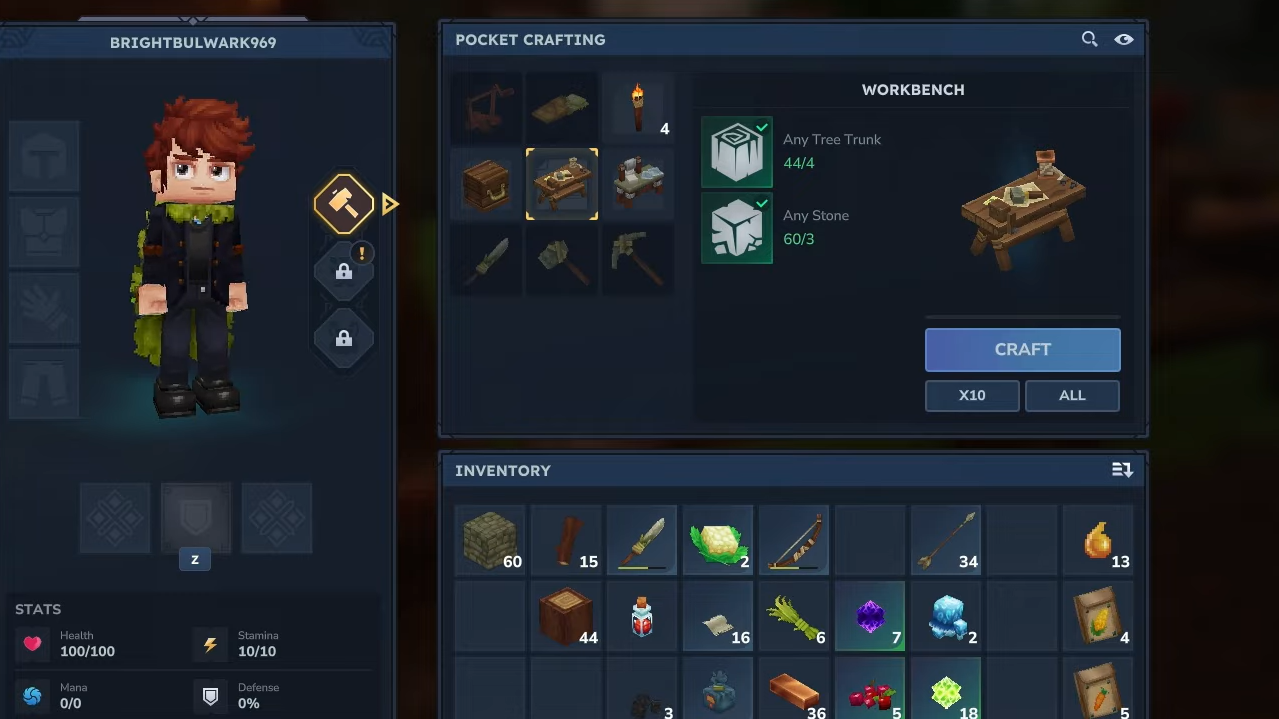
Very early on, Linen Scraps show up as a requirement when you try to upgrade a basic workbench to level 2. The upgrade prompt expects a specific number of scraps, and you cannot bypass the requirement with alternative items.
Step 1: Place and interact with your current workbench to open its upgrade interface. Check the listed materials and note the exact Linen Scraps count required for the next level.
Step 2: Head into the surrounding Zone 1 area and actively hunt skeletons and other early-game humanoid mobs until you have at least that many scraps in your inventory. Use nighttime visibility to spot skeletons more easily if you are comfortable fighting in the dark.
Step 3: Return to the workbench once you have enough scraps, reopen the upgrade interface, and confirm the upgrade. The necessary Linen Scraps are consumed immediately when the upgrade completes.
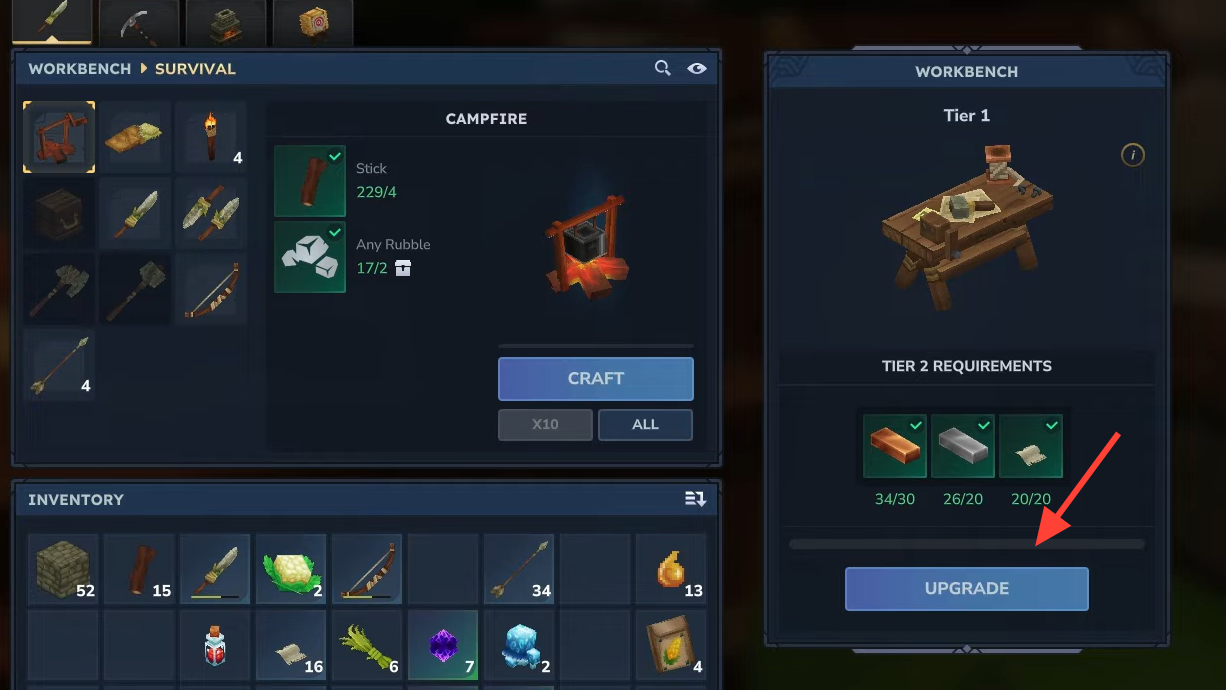
Because skeletons drop two scraps each, you can quickly estimate the number of kills you need. For example, if your workbench upgrade asks for 20 Linen Scraps, roughly 10 skeleton kills will cover the requirement, with a few extra fights as a buffer.
Linen Scraps in late‑game crafting
Linen Scraps are not only useful in the early stages of Hytale. They reappear later in the crafting tree as a material for advanced workstations.
The clearest example is the Arcanist’s Workbench. This workstation needs a large batch of higher-tier resources, including Thorium Ingot and Essence of the Void, but it also includes Linen Scraps in the recipe. The full requirement for the Arcanist’s Workbench looks like this:
| Item | Amount | Notes |
|---|---|---|
| Thorium Ingot | 10 | High-tier metal, smelted before use |
| Linen Scraps | 30 | Dropped by skeleton enemies and other Zone 1 mobs |
| Essence of the Void | 20 | Late-game resource tied to void-themed content |
Needing 30 Linen Scraps for a single Arcanist’s Workbench is a strong incentive to bank your extras rather than spending them all on early upgrades. By the time you are collecting Thorium and Essence of the Void, a return trip to kill skeletons is trivial, but carrying a surplus from the early game removes an extra chore during your late-game setup.
Efficient ways to farm Linen Scraps
Because Linen Scraps are tied to basic enemies, the bottleneck is how quickly you can locate and clear those enemies, not any complicated drop system. A few simple habits make the farming loop smoother.
Step 1: Identify a dense skeleton spawn area near your base. Caves, ruins, and open fields with frequent undead encounters work well, especially if they are easy to reach without long travel.
Step 2: Time your runs for night when possible. Use the glow of skeleton bodies to scan the horizon and plan a loose route that threads through visible enemies, minimizing time spent wandering without combat.
Step 3: Keep your inventory partially clear before each run so you can pick up all Linen Scraps and any additional loot without micro-managing space mid-fight.
Step 4: Stop once you hit a comfortable reserve. For early upgrades, aim for 30–40 scraps instead of the bare minimum. For an eventual Arcanist’s Workbench, holding 60–70 scraps in storage guarantees you can craft one, use some elsewhere, and still have a buffer.

How Linen Scraps fit alongside other textile items
Hytale also includes Linen Cloth as a related but distinct textile resource. Linen Cloth is a refined material that appears in its own recipes, often used for more polished items than the rougher scraps used in workstation requirements.
Linen Scraps sit earlier in the chain and are mainly tied to combat. Cloth is more about finished goods. Treat scraps as a combat currency that proves you have fought through early zones, while cloth is a cleaner building block you will see more often in clothing, armor, or decorative recipes.
Linen Scraps look like throwaway loot at first, but they are tightly connected to how Hytale measures your progress. Fight skeletons and early humanoid mobs in Zone 1 to stockpile them, spend what you need to push your workbenches forward, and keep a reserve ready for the bigger projects like the Arcanist’s Workbench that wait further along the crafting path.