

The Music Producer career in BitLife lets you work behind the scenes at a record label, crafting beats for artists, scouting new talent, and even scoring music for films and video games. Unlike the Popstar path, where you perform your own music, this role focuses on production work and building relationships with signed artists. Getting started requires some preparation during childhood, and success depends on understanding how the game evaluates your creative choices.
Quick answer: Max out the MIDI keyboard instrument skill before age 18, apply to a low-rated label as a Junior Music Producer, then produce tracks that match each artist's vibe and genre to get your samples accepted.
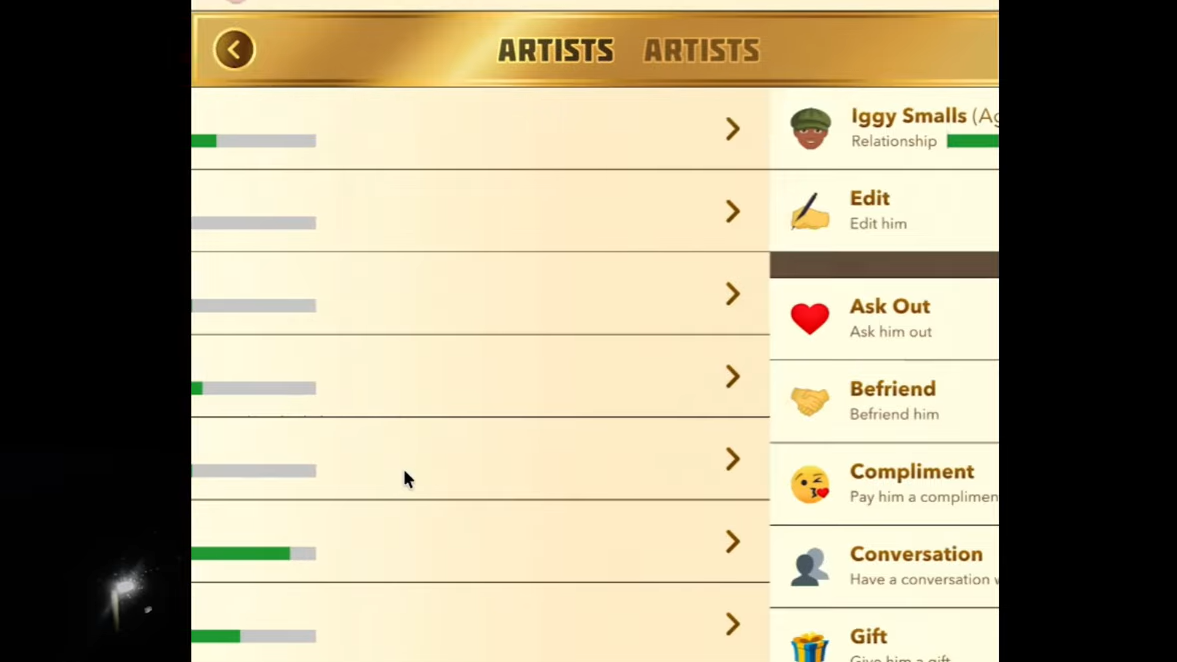
Requirements to become a Music Producer
The Music Producer career falls under Special Careers and requires the Boss Mode pack, which costs around $20.99 in the US. Without this purchase, the option won't appear in your Jobs tab.
You cannot enter this career without instrument proficiency. Starting at age 5, navigate to Mind & Body and select Instruments. The MIDI keyboard is the recommended choice because labels tend to prefer MIDI players during interviews. Attend lessons at least once per year before aging up. By age 18, your skill rating should reach close to 100%.
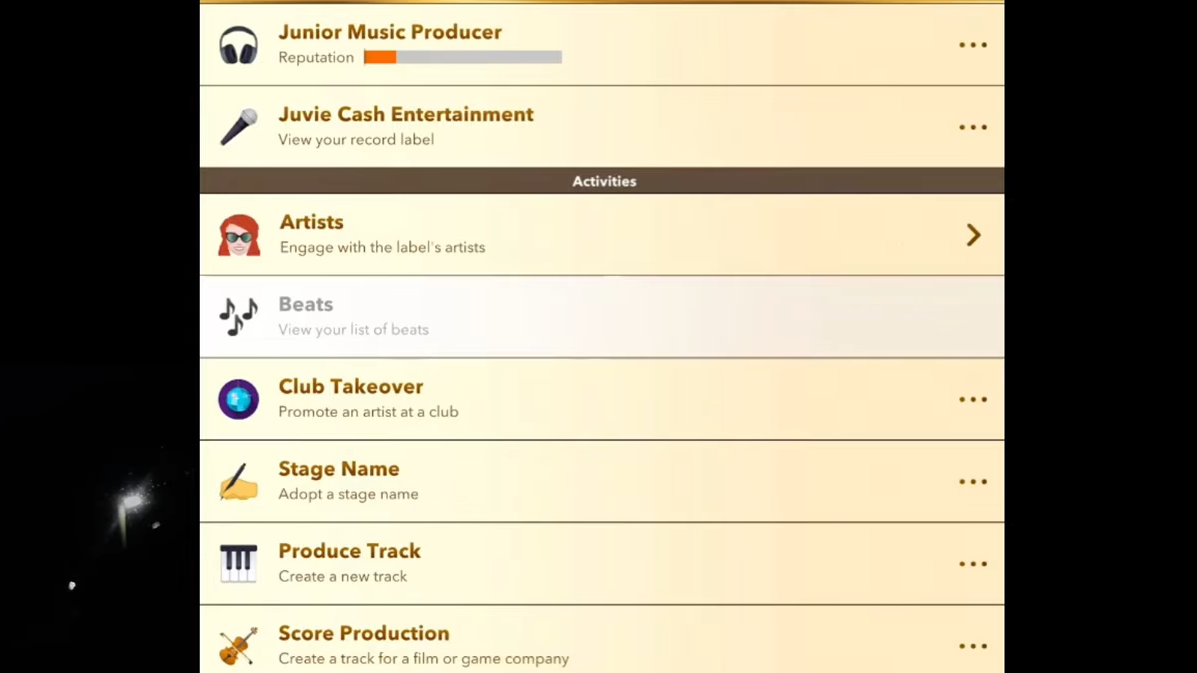
Once you turn 18, go to Jobs and find the Special Career section. Select Music Producer and apply to a label with a low rating. These smaller labels have much higher acceptance rates for inexperienced applicants. You'll start as a Junior Music Producer with a base salary around $40,000. Standard producers earn approximately $70,000, though career progression can take many years of consistent output.
Producing tracks that get accepted
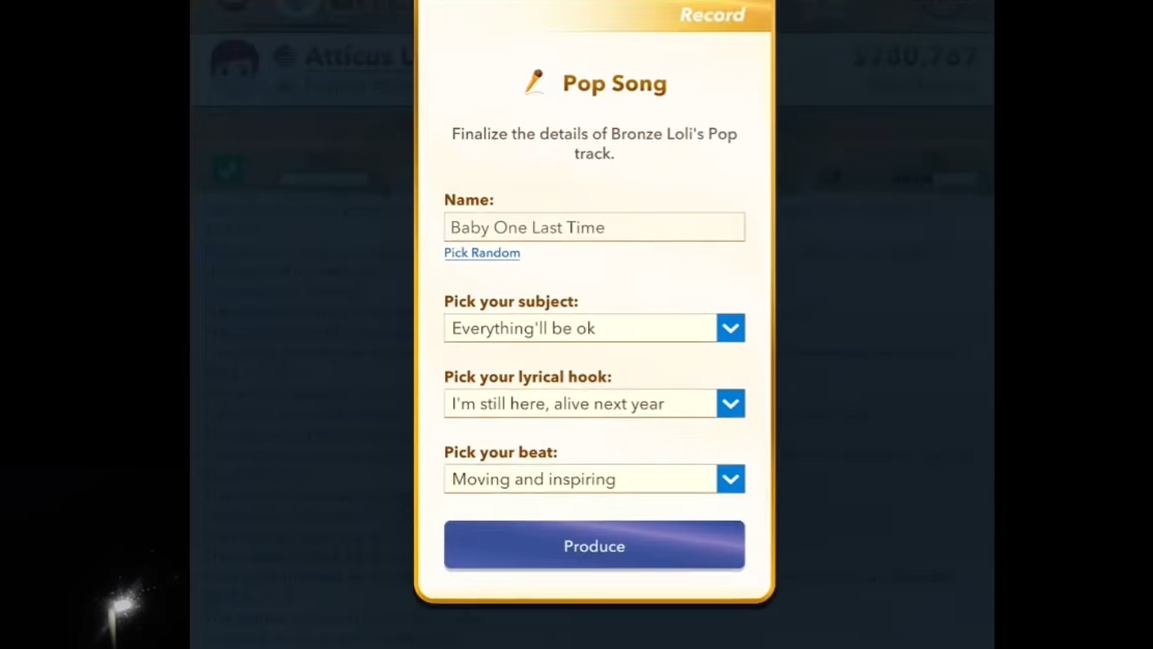
Your primary job involves creating beats for artists signed to your label. Press the Produce Track button and select an artist from your company's roster. The critical step is building a sample that aligns with the singer's strengths and established vibe.
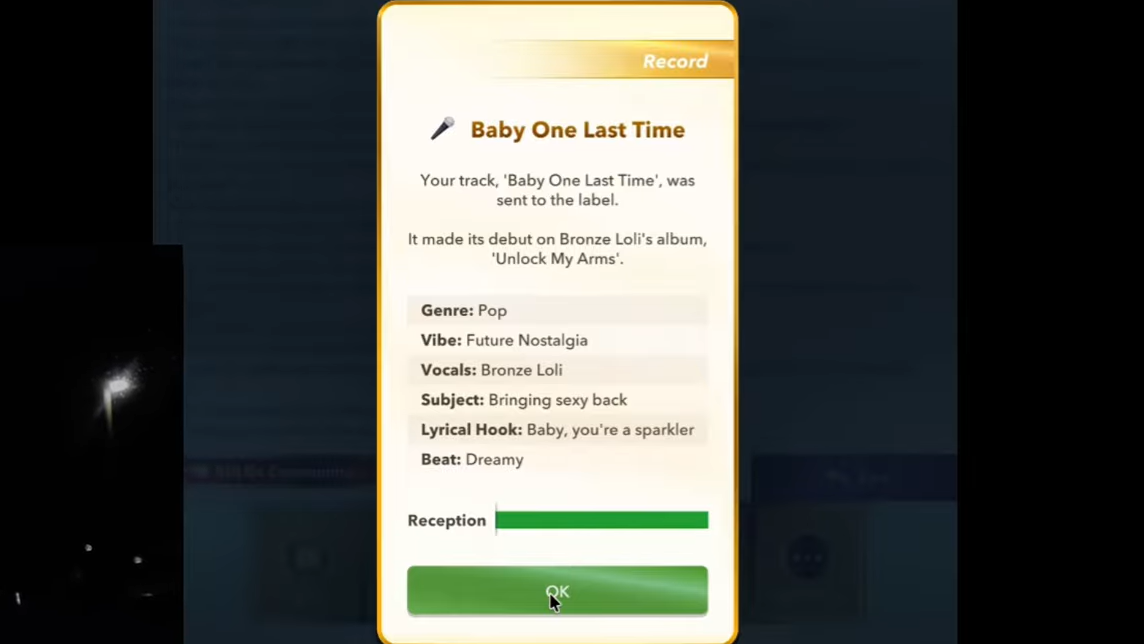
Every element of your track needs thematic consistency. If an artist has a country vibe, select a country subject, country-style lyrics, and matching beats. The track name, subject matter, lyrical hook, and beat must all point in the same direction. When everything aligns with the artist's identity, the label accepts your sample and you can release a hit.
Mismatched elements cause rejection. The label will flag your submission as "too experimental" if the components don't fit together or clash with the artist's established style. Pay attention to each artist's genre tags and work within those boundaries rather than trying to push them into unfamiliar territory.
Score production for films and games
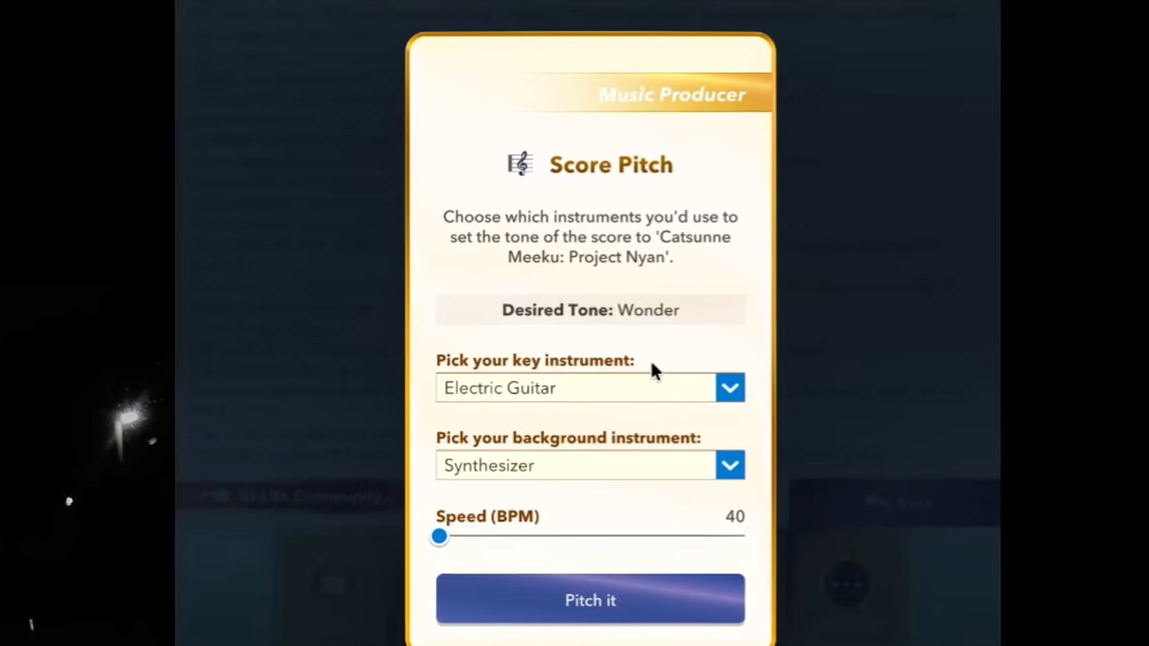
The Score Production option under Music Producer Activities lets you compose music for movies and video games. Your label takes on projects and presents you with details about what the client wants, including the theme and potential commission.
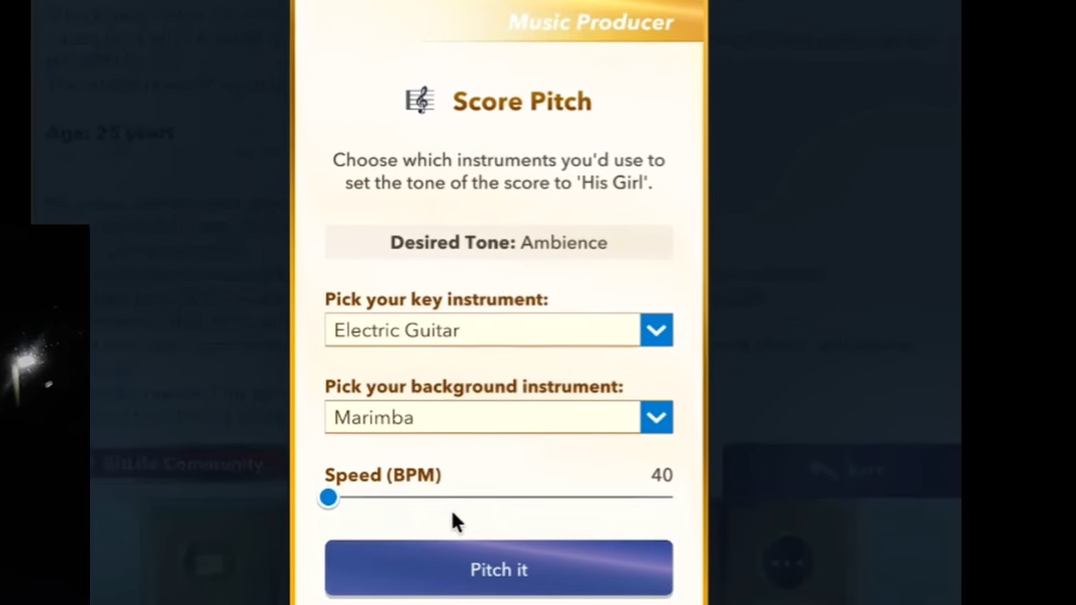
After accepting a project, you submit a concept by selecting instruments and setting the tempo. The combination must match the requested mood. For a Sorrow Theme, effective choices include cello or acoustic guitar as the main instrument, with double bass or French horn in the background, and a BPM between 50 and 70.
Different themes call for different instrument profiles. Patriotic scores work well with trumpet. Magical or fantasy themes pair naturally with harp. The available instruments rotate randomly each session, so you need to understand what each one sounds like and select options that evoke the client's requested emotion.
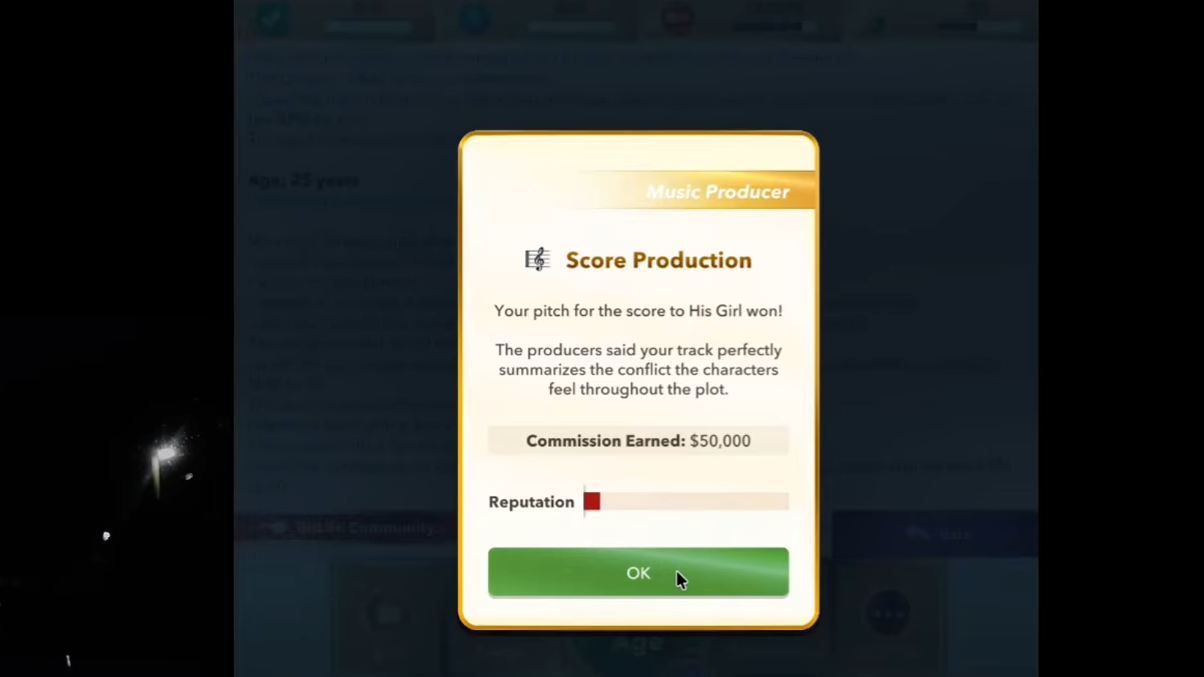
Successful score productions can pay up to around $100,000 in commission. However, failing to land an opportunity reduces your reputation, which makes this one of the riskier activities in the career.
Scouting and signing new talent
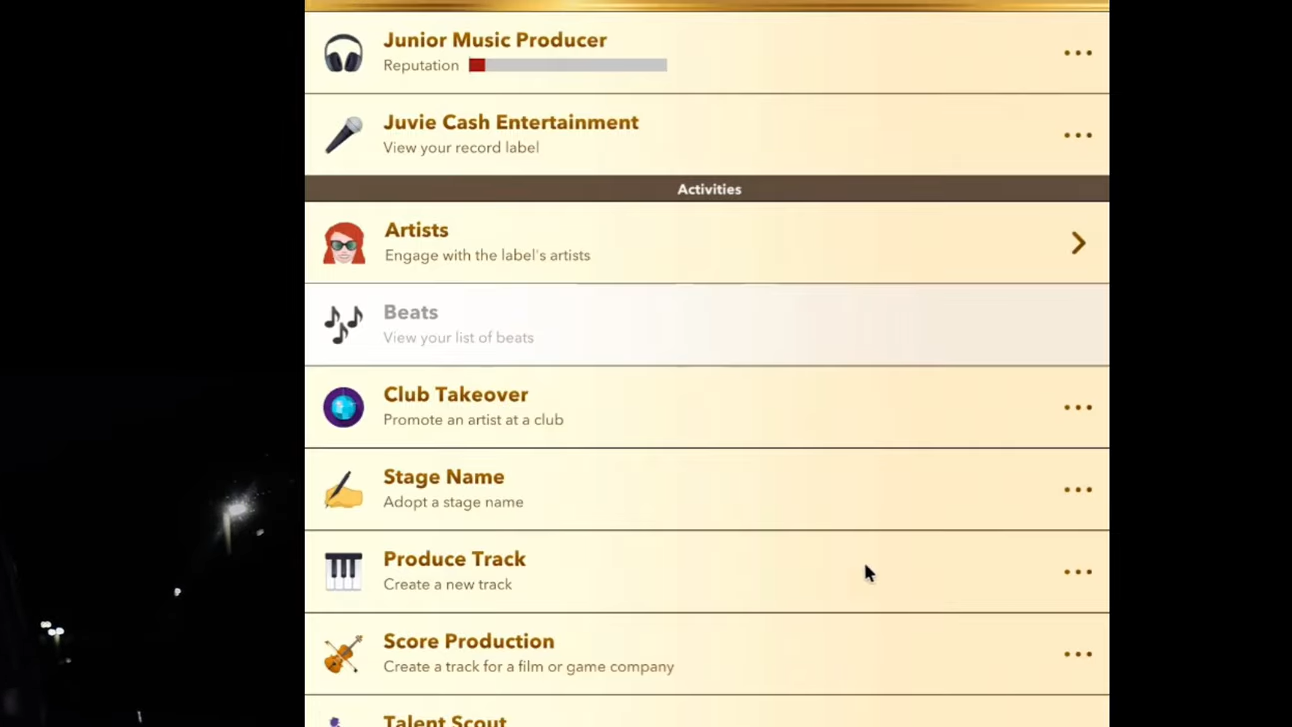
If your label's current roster doesn't impress you, the Talent Scout option lets you discover new singers. Select an event to attend and evaluate the performers you find there.
Two factors matter most when evaluating potential signings. High voice quality helps you produce better songs with that artist. Matching vibes determine whether they're compatible with your label's identity and existing roster. When choosing events, check that the genre aligns with your label and that both the talent pool and venue quality look promising.
After finding someone worth signing, pitch them to your label. You can present them with their real identity or give them a makeover with a new stage name and adjusted genre positioning. The limitation here is significant: you can only pitch one talent per year, so choose carefully rather than rushing the first decent option.
Working with smaller or newly signed artists tends to be easier when you're starting out. Established popular artists often refuse to collaborate with fresh producers who haven't built their reputation yet.
Club takeovers and artist promotion
The Takeover Club option lets you promote your artists at nightclubs. Select an artist you want to push and choose a venue. The key requirement is that the artist needs at least one or two tracks with solid popularity ratings before clubs will accept the booking.
Artists without proven hits get rejected consistently. Build up their catalog first through track production, then use club takeovers to amplify their visibility. Successful promotions increase popularity over time and generate more revenue in subsequent years.
Some players report that club promotions feel less impactful than other activities, but running them annually for your biggest artists remains part of the standard progression strategy.
Building reputation and career progression
Reputation growth in this career can feel slow. The most reliable approach combines signing new artists, producing tracks that receive high ratings, and landing score production commissions. Signing one or two new artists and working with them until they produce highly received tracks seems to move the needle more than other activities.
Working at a popular label with more artists on the roster can accelerate reputation gains since you have more collaboration opportunities. Some players report maxing their reputation within a year at well-established labels, while progression at smaller labels takes considerably longer.
Certifications follow familiar thresholds: 500,000 sales earns gold, 1 million reaches platinum, 2 million hits double platinum, and diamond certification comes at around 3 million sales. There doesn't appear to be a cap on how many records you can work on per year — some players have completed 15 in a single year.
Unlike the Popstar career, Music Producers don't receive royalties. Your income comes from salary and commissions rather than ongoing revenue from past releases. This makes the career less profitable overall, though sales tend to be more stable with many tracks eventually reaching 1 million copies sold over time.
Common issues and limitations
The Music Producer career has some rough edges. Reputation can feel buggy, with some players reporting that their numbers don't move despite consistent activity. Money distribution also seems off to some users — generating millions in royalties for the label while only receiving a fraction as personal income.
You cannot become famous through this career path alone. The Fame and Fortune pack may provide a workaround, but the Music Producer role itself doesn't build personal celebrity status the way performing careers do. Some players work until age 40 and then switch to playing as their child to pursue different goals.
Resigning is always an option. You can leave your position to join a better label or pivot to an entirely different career path if the Music Producer life isn't working out.
The Music Producer career rewards patience and attention to detail. Match your creative choices to each artist's identity, build relationships with newly signed talent, and take on score production projects when the theme fits your strengths. The path to success takes longer than flashier careers, but consistent output eventually builds a solid reputation and steady income at your label.