With DRM in Chrome enabled, you can play protected content without issues.
With DRM in Chrome enabled, you can play protected content without issues.
by Pallav Pathak
Chrome requires Digital Rights Management (DRM) settings to be enabled to play protected audio and video content. When DRM is disabled, errors may occur while accessing certain media. Enabling DRM in Chrome allows you to view and listen to this protected content seamlessly.
Enable DRM in Chrome
You can enable DRM in Chrome on both your desktop and Android devices. Below are the steps for each platform.
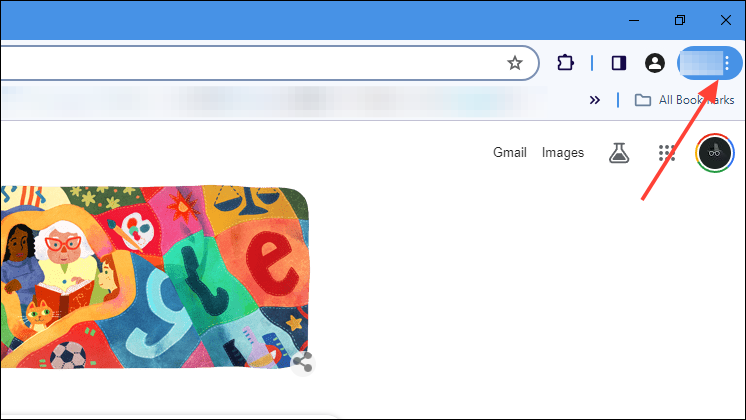
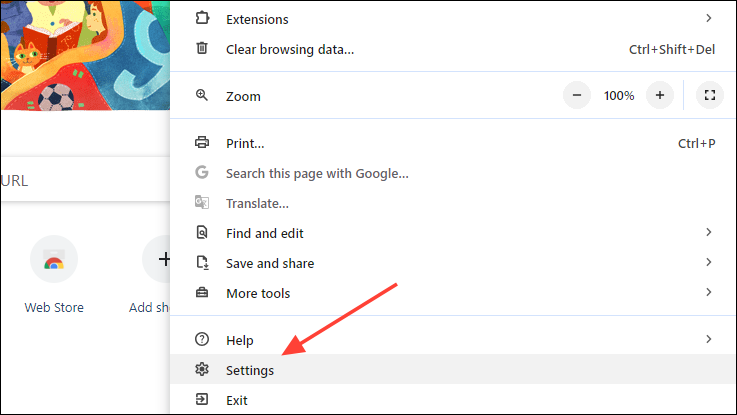
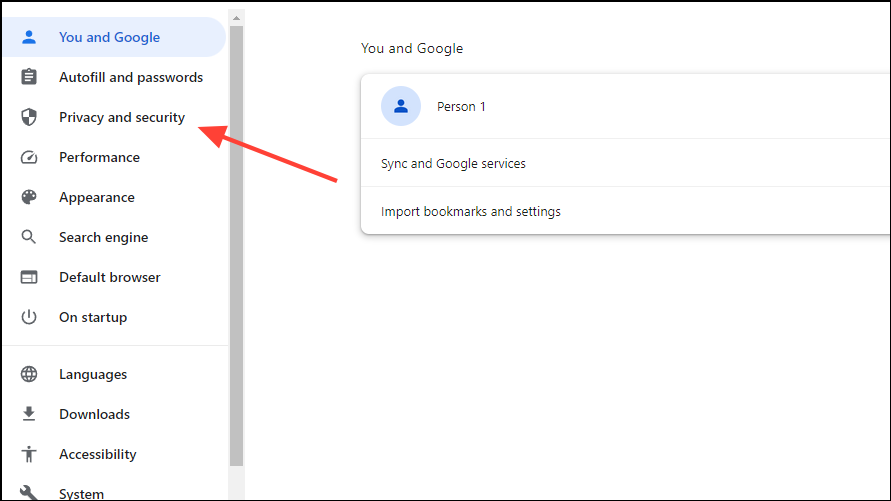
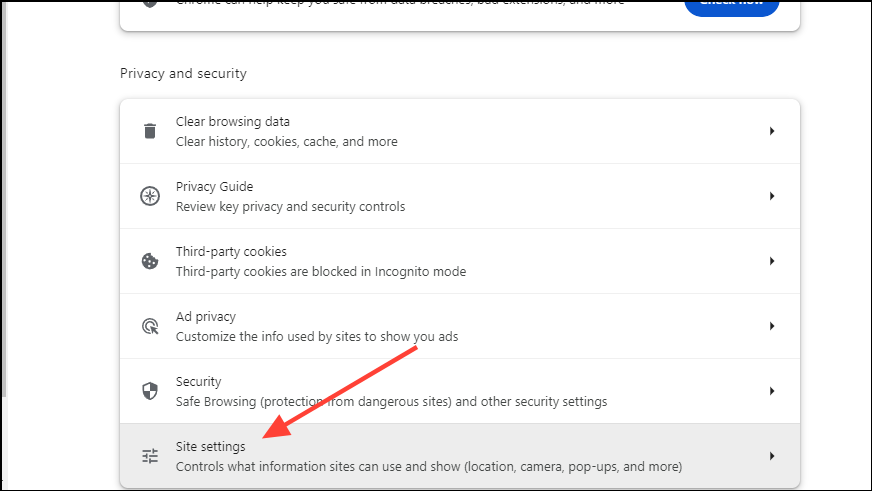
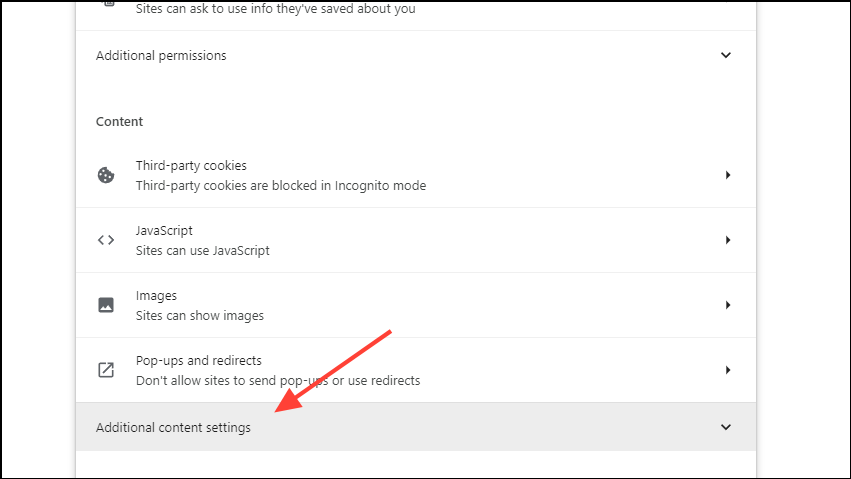
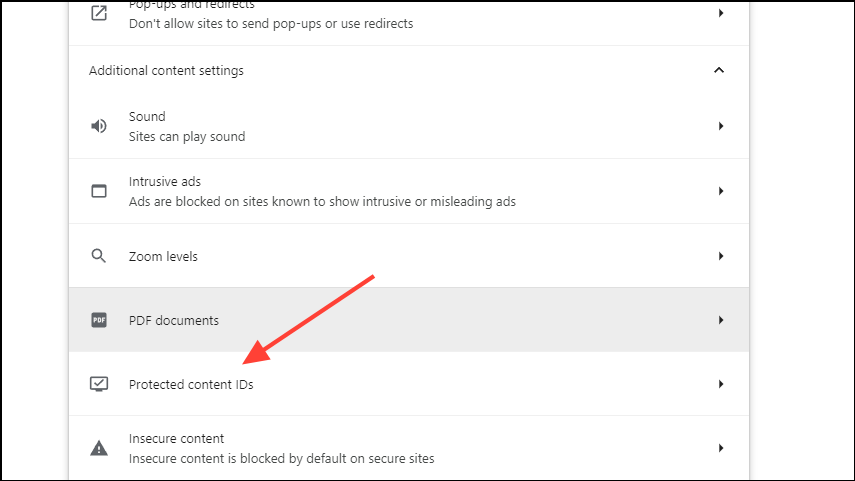
From the dropdown menu, select ‘Settings’. Alternatively, you can enter chrome://settings/content into the address bar to navigate directly to the content settings page.
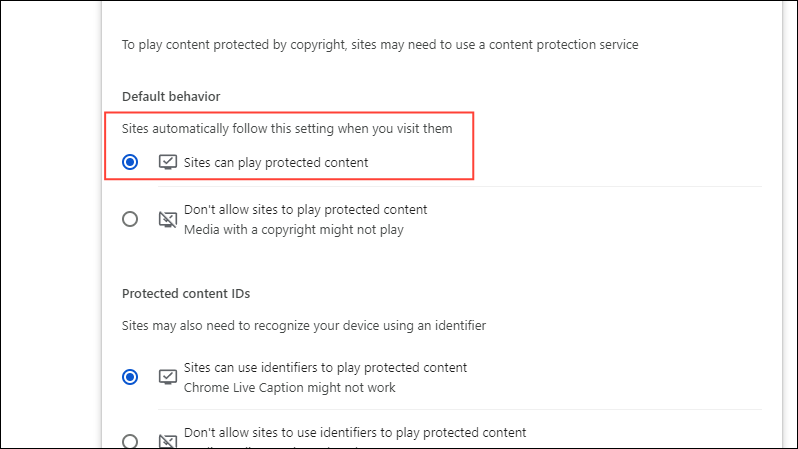
In the ‘Protected Content IDs’ settings, ensure that the option ‘Sites can play protected content’ is selected under the ‘Default behavior’ section. If it is not selected, click on the corresponding radio button to enable it.
With these steps completed, DRM is now enabled in Chrome on your desktop, allowing you to play protected media content.
On Android
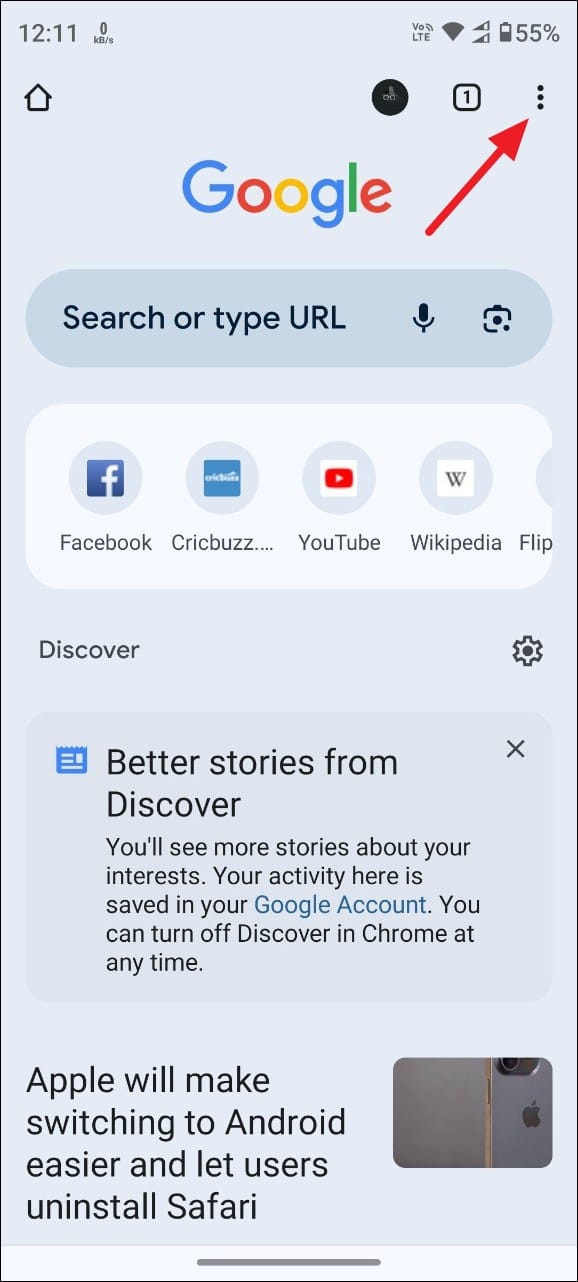
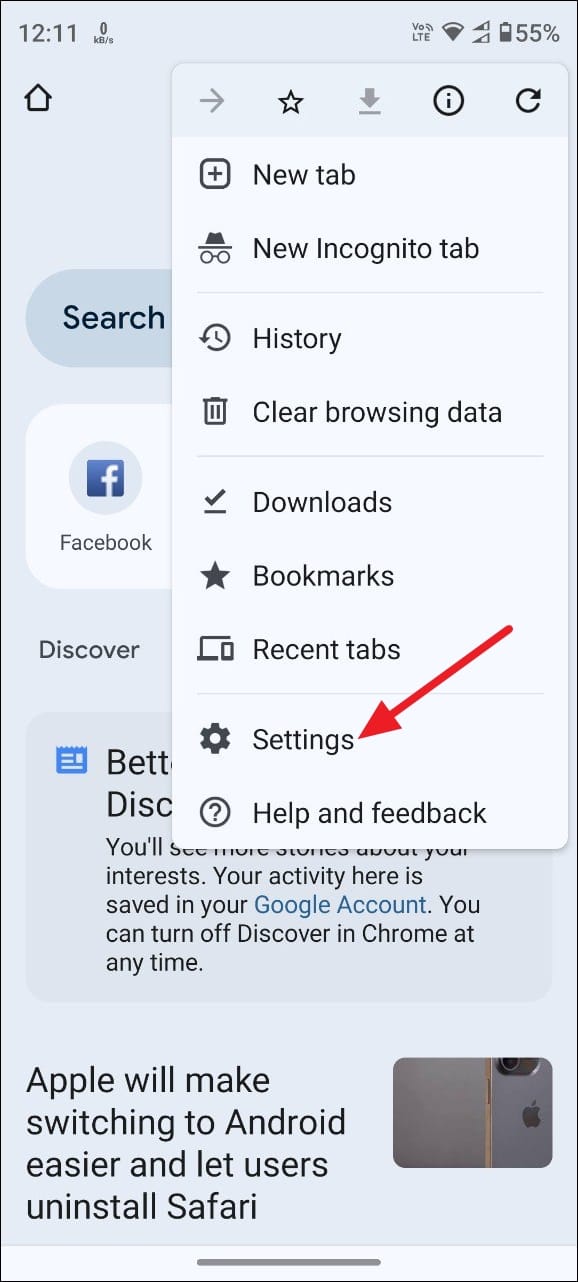
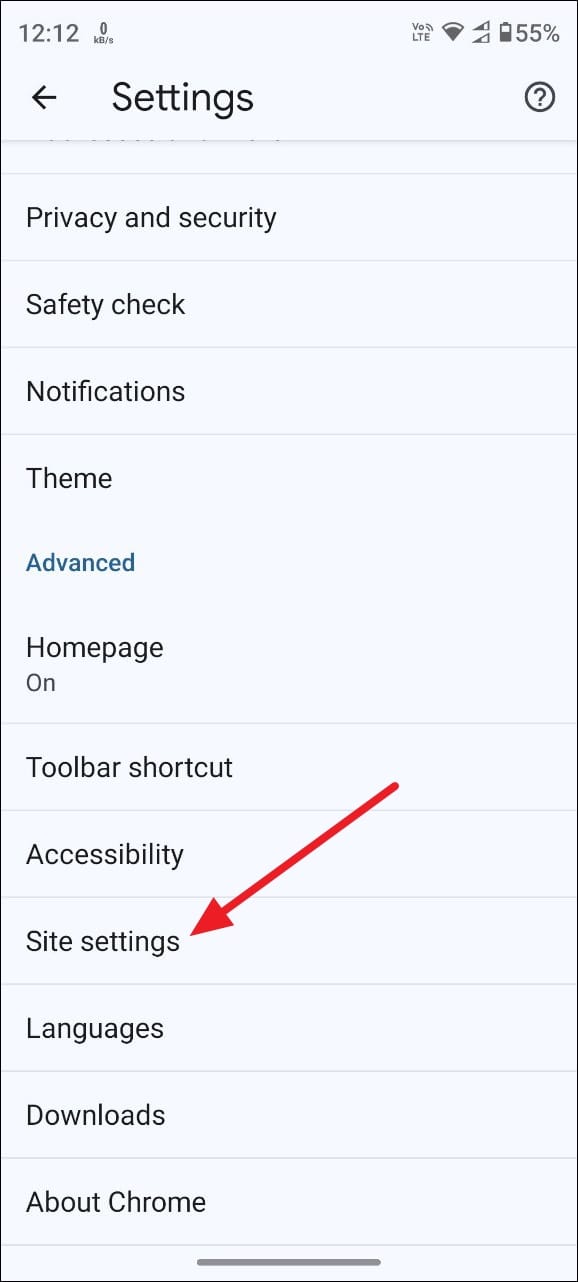
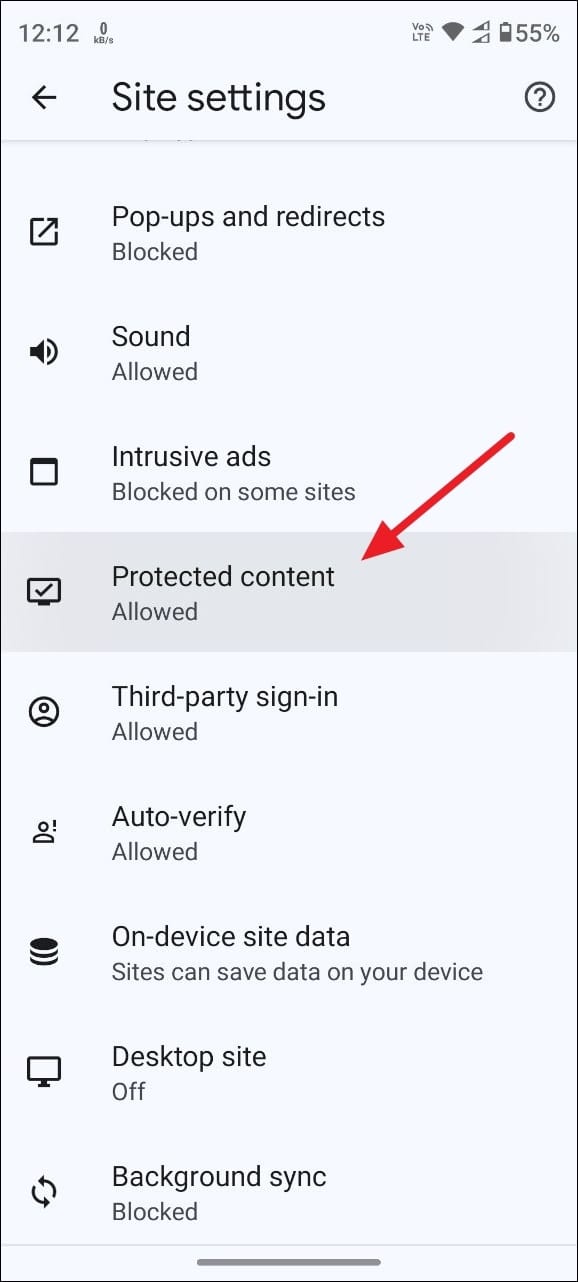
Enabling DRM in Chrome on an Android device is similar. Note that this option is not available on Chrome for iOS devices.
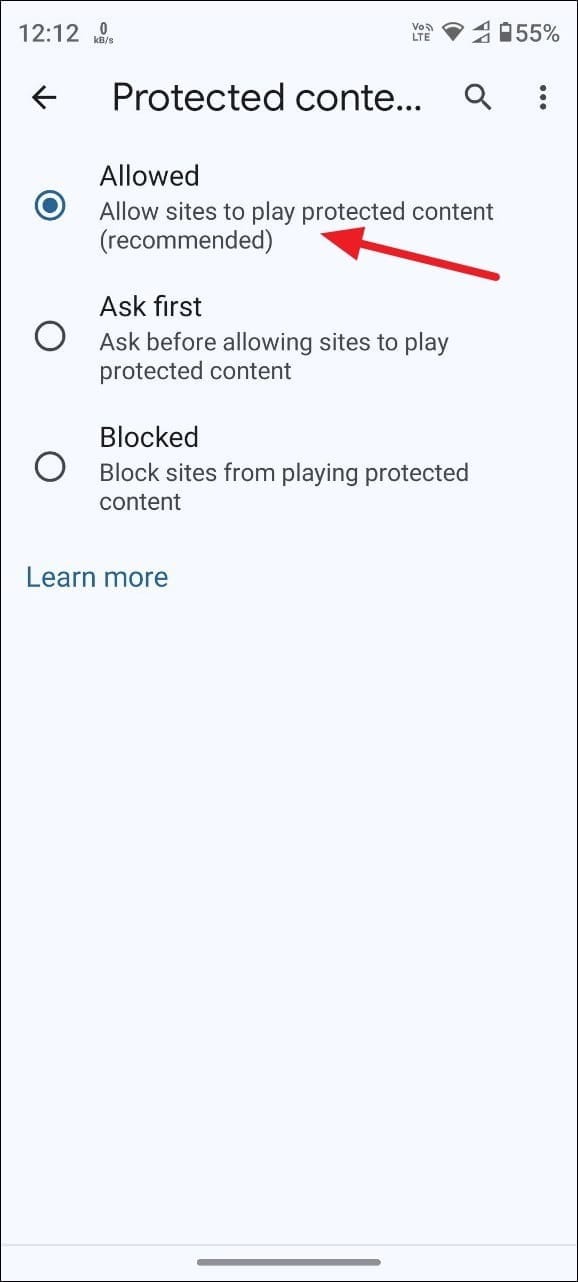
On the ‘Protected content’ page, toggle the switch next to ‘Allowed’ to enable DRM. Once enabled, you can play protected media content on your Android device.
By enabling DRM in Chrome on your desktop or Android device, you ensure access to protected audio and video content without interruption. Keeping this setting enabled allows for a seamless media playback experience in the future.