

Lower Manhattan launched on April 2, 2026, as a mid-season addition to Marvel Rivals Season 7. It runs on Convergence mode — attackers capture a point inside the Biological Engineering School, then escort a payload through the streets of a Kingpin-controlled New York that has been physically merged with Alchemax Corporation's futuristic 2099 infrastructure. The map is compact, corridor-heavy, and strongly favors defenders at almost every stage. If you want to climb on this map, you need to understand its chokepoints, its unique surveillance mechanic, and which heroes actually matter here.
Quick answer: Defense dominates Lower Manhattan because attackers face two chokepoints before even reaching the capture point. On attack, Doctor Strange's portal is nearly mandatory to bypass the initial kill corridor. On defense, hold forward at the Garden Area arch and use area-denial Vanguards like Peni Parker to stall.
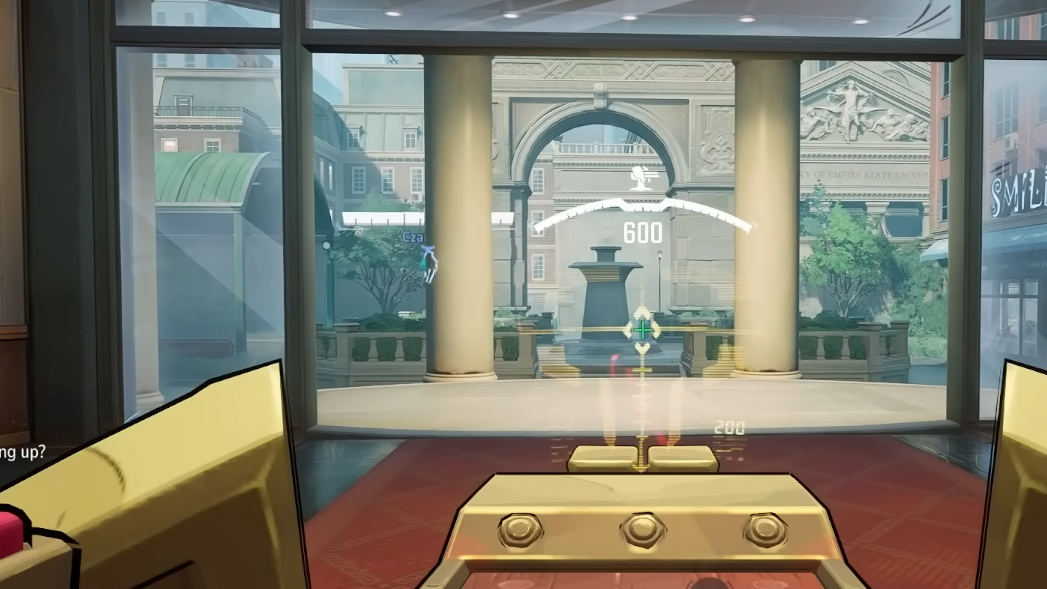
Convergence Mode on Lower Manhattan
Convergence splits each round into two phases. In Phase 1, the attacking team captures a Mission Area inside the Biological Engineering School. Defenders get a 30-second head start to set up. The capture progress bar fills incrementally, and partial progress is locked in, so even a failed push retains some value. If attackers are contesting the point when the timer expires, Overtime triggers — a Golden Bar on the HUD depletes until no attackers remain on the objective.
Phase 2 begins once the point is captured. The payload activates and must be escorted through two checkpoints to the finish line. At least one attacker needs to stand near the vehicle for it to move, and more attackers nearby means faster movement. The payload heals nearby attackers for 10 HP per second when uncontested. Defenders can reverse payload progress by contesting the vehicle, and each checkpoint shifts spawn locations for both teams.
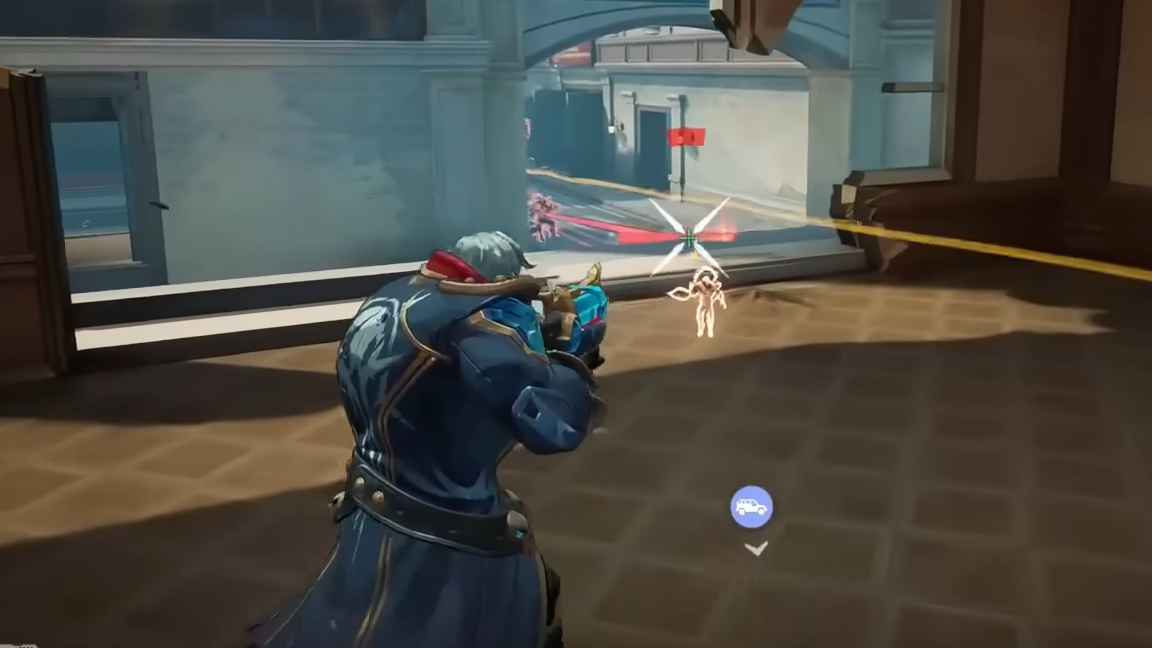
Kingpin's Surveillance System
Lower Manhattan has a unique map mechanic that no other Marvel Rivals map shares. A surveillance system, lore-wise operated by Kingpin, periodically scans the entire map and reveals every player's position, health, and ultimate charge status for a brief window. The scanner activates roughly every 90 seconds to 3 minutes. Before it triggers, a loud alarm sounds, followed by a voice announcement, and a large green scanning field sweeps across the map.
Both teams receive identical information, so neither side gets a raw advantage from the scan itself. The real impact falls on flanking and dive heroes. The scan immediately exposes anyone trying to sneak behind enemy lines, making conventional flankers far less reliable. It also reveals ultimate readiness to the enemy team, which means holding an ultimate too long or telegraphing a combo becomes riskier. Coordinated, grouped pushes gain value over solo plays.
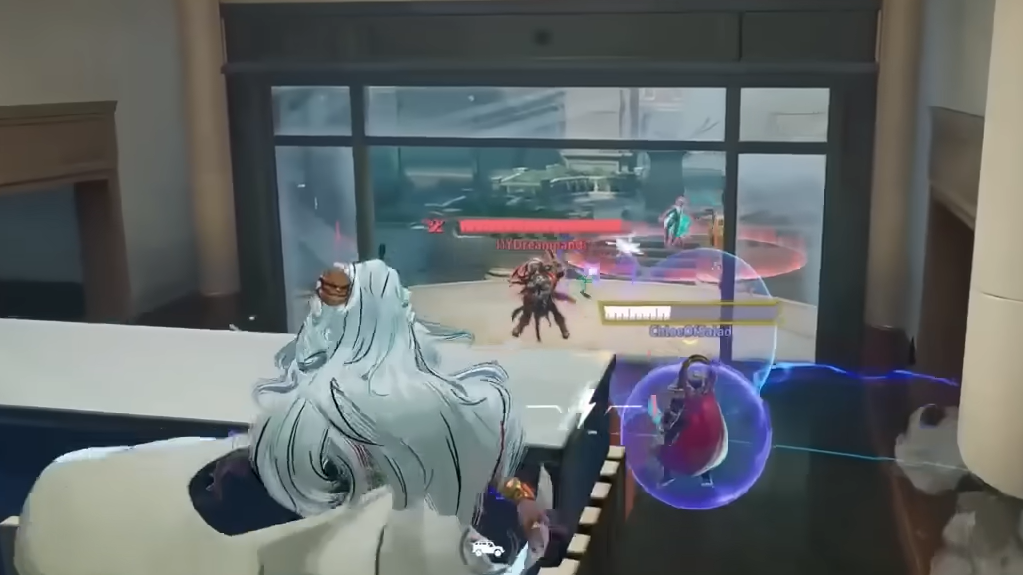
Map Layout and Chokepoints
Garden Area — First Chokepoint
The match opens at the Garden Area, which features a large arch leading into a garden and the entrance to the Biological Engineering School. Attackers have two routes: through the arch or via the Smile Deli on the left. If defenders are holding the arch aggressively, the Deli route offers a way around. If defenders are playing passively behind the garden fountain, pushing straight through the arch is more efficient.
Defenders should position a durable tank at the arch while the rest of the team controls the garden fountain area. This covers both entry points and creates a layered defense. Three Health Packs are scattered here — inside the Deli, in the parking area, and through a side door on the left. Early-match player sentiment has been overwhelmingly clear: attackers struggle to even reach the capture point because this chokepoint is so restrictive. The attacker spawn sits roughly 160 meters from the objective, giving defenders time to reset between fights.
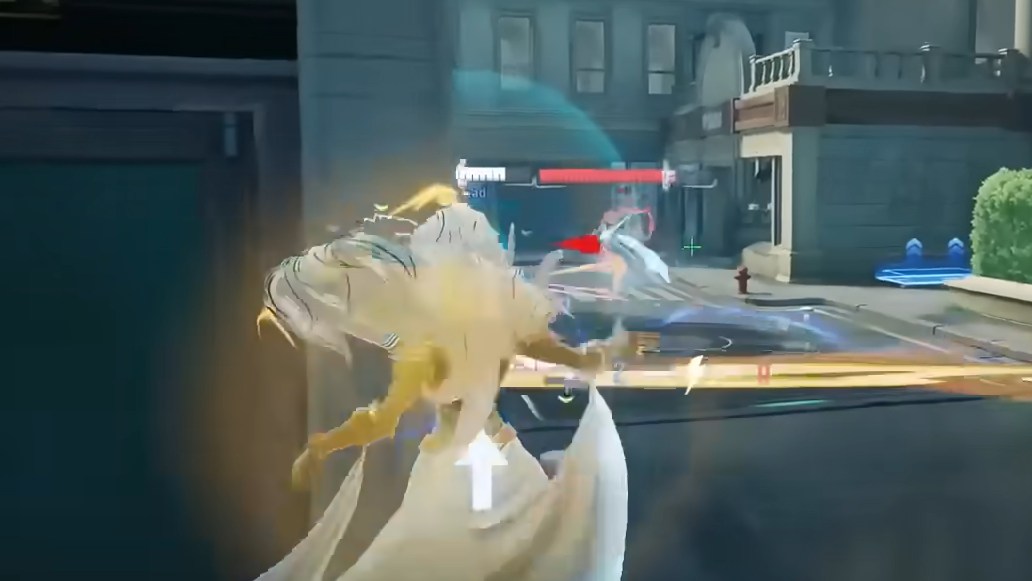
Biological Engineering School — Capture Point
Once past the garden, the fight moves inside the school. Multiple hallways and elevated platforms give both sides options. Attackers should push through the middle entrance as a group, keeping Vanguards healthy and focusing on mid-range engagements. Flankers can use the right-side hallway or the second-floor left path to isolate defenders.
Defenders benefit from the elevated platforms around and behind the point. The tight interior rewards burst damage heroes and area-denial characters. Three Health Packs are located in a small hallway, on the second floor to the left, and inside a small lab on the right.
Street Phase — Payload Escort Begins
After the point is captured, the payload activates, and the fight shifts to the streets. The first street chokepoint is narrow and favors close-to-mid-range combat. Attackers choose between the main street and the Union Allied building, which provides elevated angles to pick off defenders. Defenders should hold the main street while watching the Union Allied windows. Health Packs sit inside the Universal Bank, the Union Allied building, and the Piano Room.
Jeff Statue Roundabout
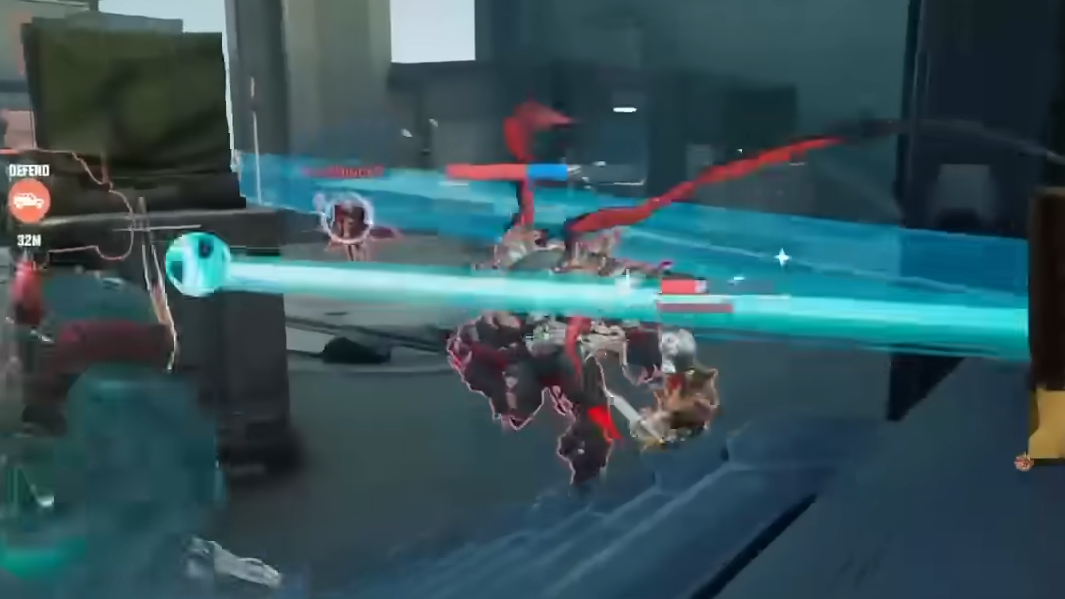
The roundabout near the Jeff statue opens up into a wider street with elevated balconies on both sides. Controlling these balconies is the single most important factor in winning fights here. Street-level brawls will happen constantly, but the team that holds the high ground dictates the pace. Long-range heroes like The Punisher, Hela, or Phoenix are especially effective from these positions. Four Health Packs are available: behind the snack shop, inside the Stock Exchange building, inside the Circle Cafe, and in a second-floor alleyway with stone pillars.
Kingpin's Fortress
Past the fortress gate, the payload enters a zigzag street lined with elevated platforms and cliffs. The cliff edges allow environmental kills — heroes with knockback or pull abilities like Angela, Invisible Woman, Emma Frost, or Spider-Man can instantly eliminate enemies by pushing them off the map. While not the primary win condition, removing even one or two enemies this way creates significant momentum swings. Two Health Packs are located inside a building next to the elevated street and in a red-colored room.
Vault Bridge — Final Stand
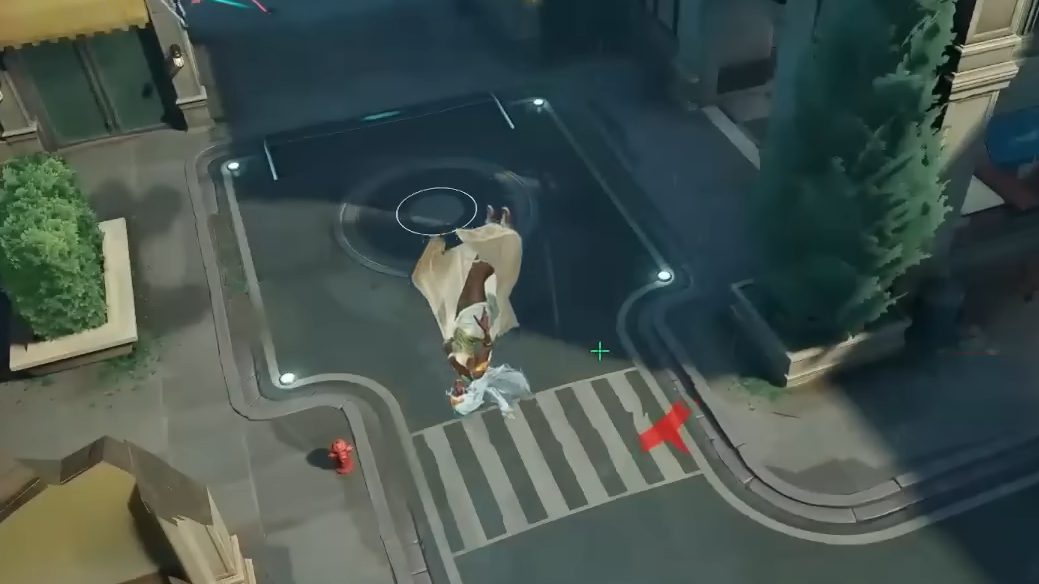
The final area is designed for an all-out team fight. Multiple elevated platforms surround a wide circular center space. Attackers should enter from different routes — flying heroes push from the second floor, tanks pressure through the center, and flankers target the backline. Defenders want to control the elevated platforms with ranged heroes and push attackers back toward the preceding chokepoint whenever possible. This stage frequently decides the match.
Some destructible elements exist throughout the map — certain balconies and walls can break, opening new sightlines. In practice, the fast pace of combat limits their impact. Positioning and timing matter far more than environmental destruction.
Best Heroes for Lower Manhattan
| Role | Hero | Why They Work |
|---|---|---|
| Vanguard | Peni Parker | Area denial in tight corridors; excellent for first-point holds on defense |
| Vanguard | Magneto | Controls chokepoints, blocks projectiles with Metal Bulwark, strong in both phases |
| Vanguard | Groot | Space control and movement blocking in narrow streets |
| Vanguard | Hulk | Buffed in Season 7; durable enough to solo-contest the payload and stall on the final point |
| Vanguard | Doctor Strange | Portal bypasses the brutal initial chokepoint — nearly mandatory on attack |
| Duelist | The Punisher | Long-range burst damage from elevated positions; dominant at the Jeff Statue and final area |
| Duelist | Moon Knight | Effective burst damage in the tight Biological Engineering School interior |
| Duelist | Iron Man | Buffed in Season 7; exploits verticality and long sightlines from above |
| Duelist | Hela | Ranged pressure from balconies throughout the payload phase |
| Duelist | Star-Lord | Best flanker on this map — windows, doors, and elevated paths enable creative movement even with surveillance scans |
| Strategist | Luna Snow | Sustained healing for prolonged point fights; ultimate counters enemy ultimates |
| Strategist | Rocket Raccoon | Keeps the team alive during extended chokepoint brawls |
Attack Strategy
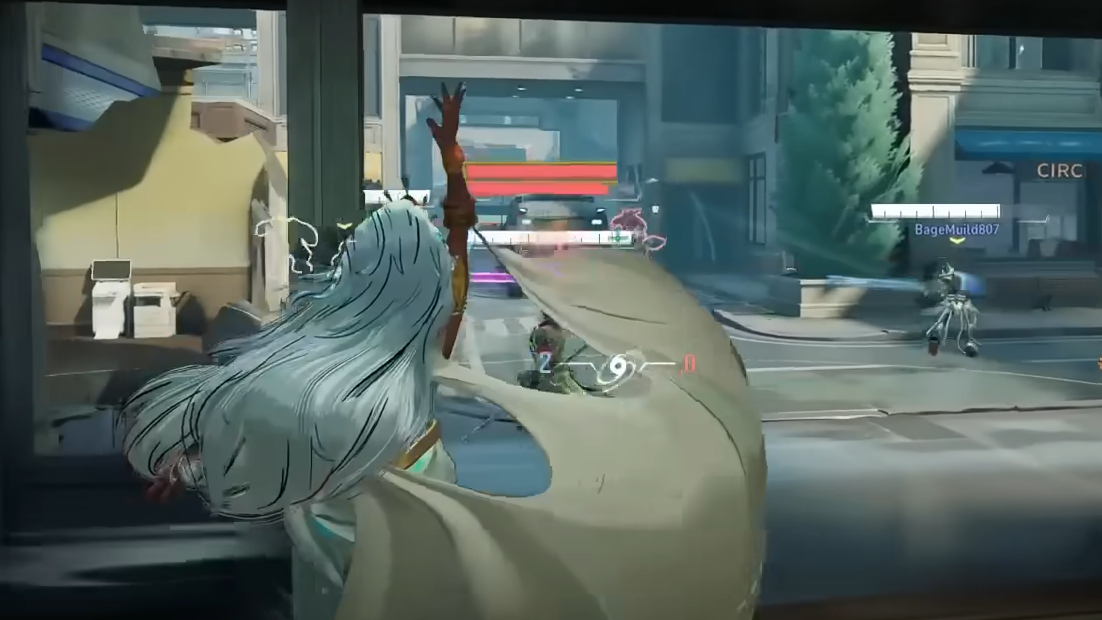
Step 1: Push the capture point as a full six-player unit. The single narrow entrance to the Biological Engineering School is a designed kill corridor. Trickling in one at a time feeds the enemy team ultimate charge and accomplishes nothing.
Step 2: Use Doctor Strange's portal to bypass the initial chokepoint entirely. Without it, your team walks into the same corridor of death repeatedly. The portal is not a luxury pick — it is structurally necessary for consistent first-point captures.
Step 3: Once the payload activates, keep at least one player on the vehicle at all times. Distribute the rest between flank pressure and backline disruption. The payload blocks projectiles, so use it as mobile cover during the push.
Step 4: Split pressure at every chokepoint. Sending all six players down the main path lets defenders set up a single crossfire. Use the Union Allied building, balconies, and side routes to force defenders to react to multiple angles simultaneously.
Defense Strategy
Step 1: Use the 30-second head start to set up at the Garden Area arch, not on the capture point itself. Holding forward creates two layers of defense — if you die at the arch, your team can catch attackers at the garden fountain or at the objective.
Step 2: During the payload phase, position ahead of where the payload is heading, not beside where it currently sits. Force attackers to push into your crossfire rather than around your flanks.
Step 3: A single durable hero contesting the payload stops it completely. One tank or slippery duelist can stall for meaningful time while the rest of the team regroups after a lost fight.
Step 4: Never trickle back in after a team wipe. Every solo player charging the point alone is free ultimate charge for the attackers. Regroup, then push together.
Step 5: Save ultimates for checkpoint moments. Clearing the point right before attackers complete a checkpoint is worth far more than burning ultimates in the middle of a street fight with no objective consequence.
Season 7 Team-Up Synergies
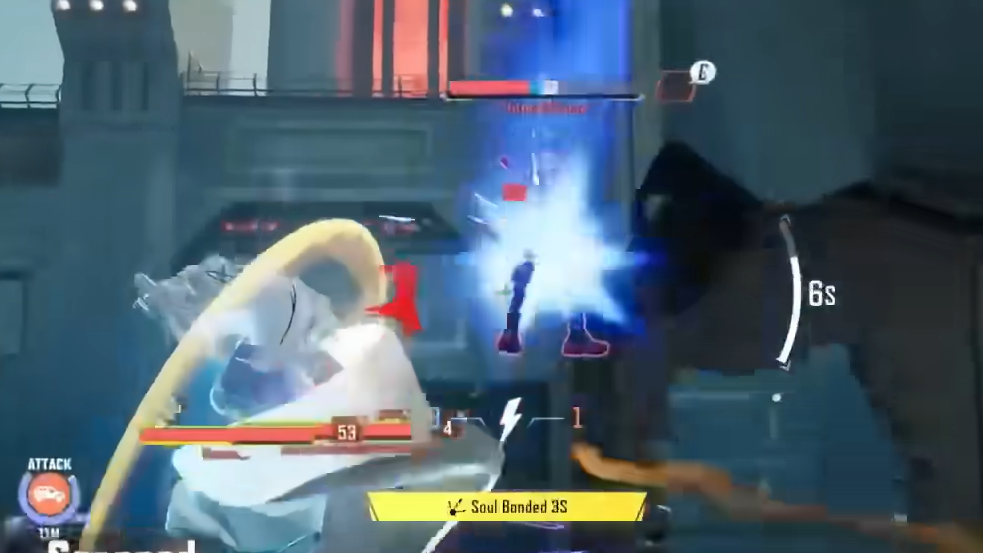
Two new team-up abilities introduced in Season 7 have particular value on Lower Manhattan. Luna Snow and White Fox share the Blessing of the Kumiho team-up, which summons a spirit fox that heals allies and charms enemies — useful during the chaotic point fights inside the Biological Engineering School. Storm and Adam Warlock share the Cosmic Cyclone team-up, which creates healing energy trails that boost ally movement speed. The movement speed bonus is especially valuable during payload pushes, where maintaining forward momentum through chokepoints can mean the difference between a checkpoint and a full stall.
Lower Manhattan rewards patience, positioning, and grouped play more than almost any other map in Marvel Rivals. The surveillance system punishes solo plays, the chokepoints punish disorganized pushes, and the 20% ultimate charge reduction punishes wasteful ability usage. Whether you are attacking or defending, the team that stays together and controls elevated positions will win the majority of fights on this map.