

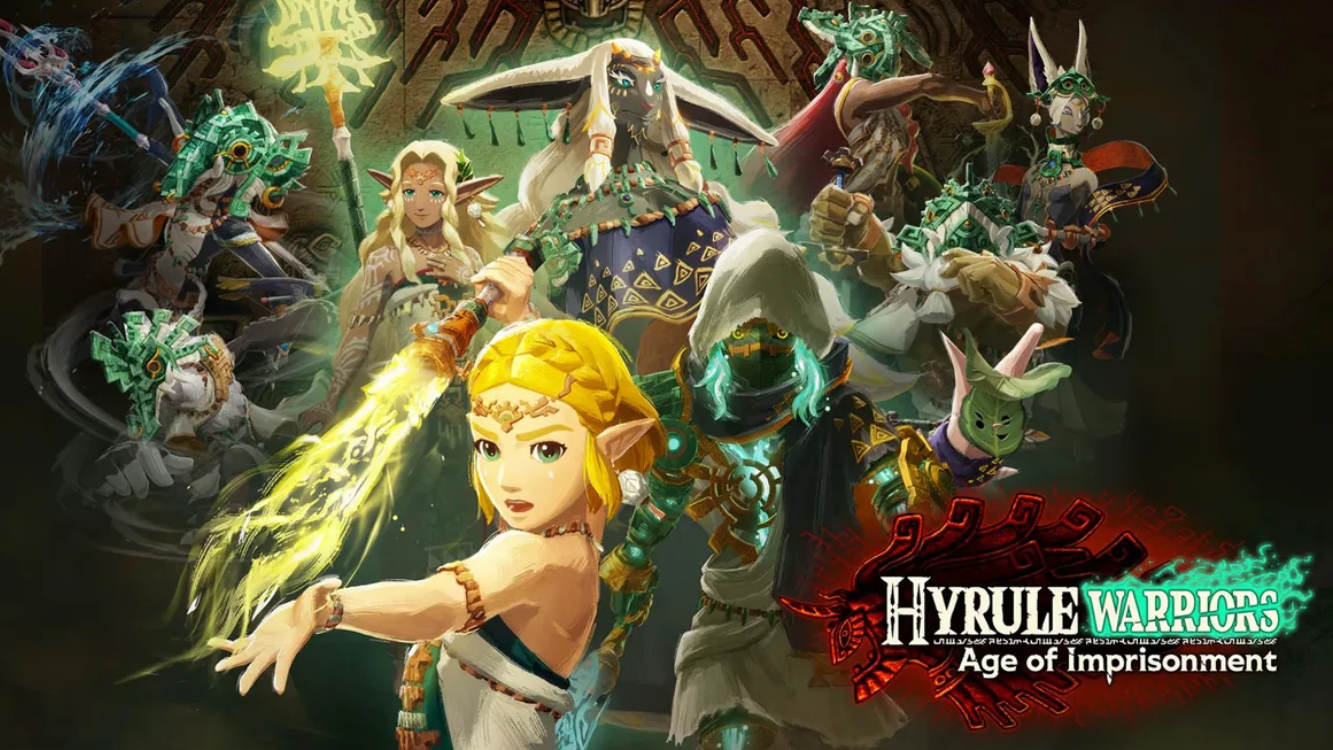
Hyrule Warriors: Age of Imprisonment doesn’t have a single, uncontested “broken” character, but some heroes clearly make clearing maps faster and safer than others. Early tier lists from wikis and fan communities already disagree on a few big names, especially Zelda, Calamo, Raphica, Mineru, and Lago.
This explainer walks through the main public tier lists, where they converge, where they clash, and what that actually means for how you pick a line-up.
How the big tier lists rate Age of Imprisonment characters
Three early reference points shape most of the discussion:
- A structured “best characters” tier list that uses S–C ranks and explains each character’s role.
- A general “all characters” tier list that pushes classic leads like Zelda further up.
- Community reactions, mostly on Reddit, challenging several placements based on hands-on play.
All of them agree on some broad things:
- Fast, wide-reaching movesets with simple elemental setups rise to the top.
- Slow, early-unlock weapon styles with little utility fall to the bottom once the full roster is available.
- Integrated Zonai and elemental gimmicks matter more than raw animation flair.
Shared framework: what S, A, B and C actually mean
Most lists use a four‑tier structure with similar logic:
| Tier | Practical meaning in gameplay |
|---|---|
| S | Strong in almost every situation with little setup. Great crowd clear, good boss damage, high mobility, and intuitive combo flow. |
| A | Very strong but either slower, more situational, or a bit more demanding to play optimally. |
| B | Viable and sometimes excellent with effort, but limited either by range, movement, or a fiddly gimmick. |
| C | Can still beat content, but feel objectively outclassed once you have access to later heroes and better kits. |
Players who come from earlier Warriors titles point out something important: in older games, S-tier often meant “ignores core mechanics and deletes stages.” Age of Imprisonment is flatter. Even the characters being called S-tier here don’t invalidate the rest of the cast; they’re just more efficient.
S tier in most lists: Qia, Rauru, one‑handed Construct, Ardi
One early, widely circulated ranking puts four names at the top, based purely on how quickly they chew through maps with minimal friction.
| Character | Why they’re rated S tier |
|---|---|
| Qia | One of the fastest base movement speeds; combo strings naturally sweep crowds. Paired with Hydrant plus a Freeze emitter, she can loop freezes on enemies and bosses, keeping weak point gauges exposed while you shred them. |
| Rauru | Simple, high-return kit. Light attack chains like Y→X cover distance while clearing mobs, and his strong attack launches a long‑range lance of light you can spam for safe damage. |
| Mysterious Construct (one‑handed) | Link‑style sword-and-board with Zonai baked into the kit. Wide device swings delete groups while naturally proccing elemental chains. If you were comfortable with Link in Age of Calamity, this feels immediately powerful. |
| Ardi | Fast Gerudo melee who frontloads Thunder element. With unique skills like Electric Rush and Conductive Impact, she floods the screen with lightning, makes weak point gauges appear quickly and stuns entire packs. |
Not everyone agrees they should all be S tier, but the shape is clear: these are “plug‑and‑play” picks that work in almost any mission without needing elaborate setups.
The main A tier candidates: Zelda, Calamo, spear Construct
Just below that, several characters land in A tier in the more conservative lists:
| Character | Why they usually sit in A tier |
|---|---|
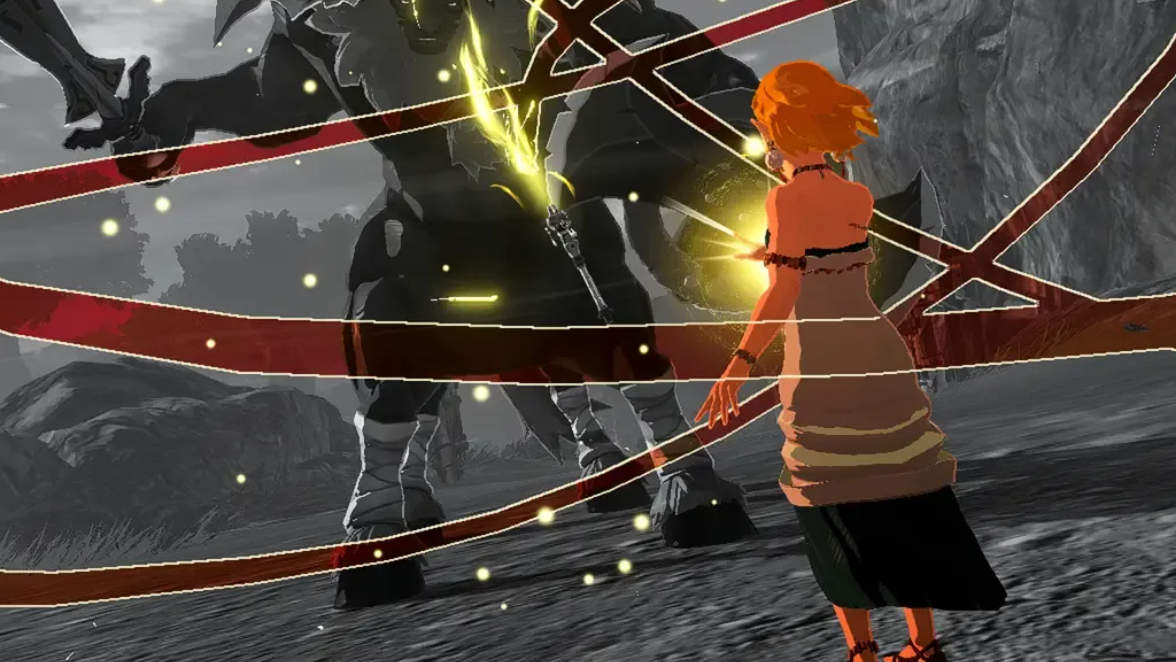
| Zelda | Recall and light-element sword attacks give her strong ranged options and big AoE once she’s upgraded. Her standout combo (commonly referenced as C2) hits hard but requires a charge window that leaves her stationary, so you need spacing and timing. |
| Calamo | Shock‑focused Korok who can throw elemental attacks almost on demand. With emitters on the field, holding strong attack produces wind tornadoes that drag enemies in and rip through weak point gauges. His kit makes chaining elements very straightforward. |
| Mysterious Construct (spear) | Spears trade some of the one‑handed Construct’s wide arcs for forward‑piercing reach. You still get the same Zonai integration, but the coverage is narrower, so you work a bit harder to hit everything. |
This is where the real arguments start. A notable slice of players insists Zelda and Calamo belong in S tier, pointing to endgame runs where they melt bosses once you’ve mastered their timing and elemental routes.
The B tier crowd: strong but with caveats
Most mid‑tier placements share a theme: good power, but either slower, narrower, or more demanding than the top picks.
| Character | Why they’re usually rated B |
|---|---|
| Raphica | Rito archer with built‑in Wind element. Once upgraded, his unique skills give free wind damage and easy tornadoes off devices. Community players highlight him as a monster at deleting weak point gauges while still clearing mobs. Some lists underrate him, placing him in B where many players would push him to S. |
| Agraston | Goron brawler whose strong attack doubles as a mobility tool, rolling through enemies. Official descriptions call him slow; players push back, arguing his animations come out faster than they look and that he’s excellent at grouping foes and bullying bosses once you learn his tempo. |
| Quino | Two‑handed weapon specialist with heavy, high‑damage swings. Not mechanically complex and rewards basic positioning, but feels sluggish compared with Qia or the Construct. |
| Pinnec | Feather spear Rito with wide normal attack coverage and solid mobility. Often described as a “Rauru‑lite” — reliable and smooth but overshadowed by the fastest kits. |
| Sholani | Gerudo scimitar wielder whose damage spikes if you nail her timing gimmick. Range is decent, but she demands careful spacing and rhythm, so she feels weaker until you’ve internalized her tells. |
| Mysterious Construct (two‑handed) | Keeps the Zonai perks but inherits all the usual two‑handed drawbacks: longer recovery, slower dodges, and more commitment on big swings. |
| Mineru | Device‑driven fighter who can chain C2 into C3 to repeatedly freeze and shatter enemies once her Zonai attachments are upgraded. Many players argue she’s far better than “solid mid,” with some calling her the most broken character in the game when fully built. |
| Cadlan | Agile Zora spear user whose combos skew heavily forward. That directional focus means you either reposition constantly or accept that you’ll miss enemies off to the side. |
There’s a clear pattern here: B tier is crowded with characters that become excellent in specific hands or builds, but don’t feel instantly dominant in early, low‑investment play.
C tier and “early‑game only” picks
The bottom tier is made up almost entirely of early‑unlock characters whose straightforward warrior kits get overshadowed as soon as the full roster and more elaborate gimmicks come online.
| Character | Why they drop to C |
|---|---|
| Ronza | Claymore Gerudo with decent mobility for a two‑hander, but still outclassed in raw output by Agraston and Quino. Her timing gimmick makes her ceiling higher than it looks, yet many players struggle to use it consistently. |
| Lago | Zora swordsman with good speed, reach and emitter synergy (Ice and Shock). Several players call him “one‑button spam wonder” and “busted,” condemning his C‑tier placement as wildly off. Official lists call him “standard,” overshadowed by Qia. |
| Vence | Rito sword user who mirrors Raphica’s slot but without the same elemental payoff. The usual verdict is “fine, but why not just run Raphica instead?” |
| Pastos | Goron with large, slow swings. Frequently labeled worse than Agraston and easy to drop once you unlock better Goron kits, although some praise his sync strike for multi‑hit boss shredding. |
| Typhan | Hyrulian broadsword and shield that initially fills the “basic knight” slot. Once you have the Construct, he feels redundant: similar job, weaker implementation. |
| Braton | Late‑unlock Goron with a hammer who doesn’t bring much new to the table. Even fans of Goron movesets admit he’s overshadowed by other heavy hitters. |
One important nuance: several players argue there are no true “trash” picks in this game. The C tier label reflects relative power and ease of use, not actual unplayability.
Why Zelda and Calamo are the loudest arguments
If you look at official-style lists, Zelda sits in A tier and Calamo in A or B. Jump into community spaces and you’ll immediately find people insisting both belong in S.
- Zelda is described by some as “utterly cracked,” citing how quickly she can clear bosses once fully upgraded. The counterargument is that her best tools are gated behind charge times, which create awkward, unsafe windows in high‑density fights.
- Calamo wins fans through how little effort his elemental tornado loops require. Drop any emitter, hold strong attack, and you’re dragging enemies into repeated hits while emptying weak point gauges. That simplicity plus mobility has many players calling his placement below S “a crime.”
This split gets at the core disagreement: do you grade characters on their top‑end performance in expert hands with optimized builds, or on how they feel across a fresh story playthrough? Early lists bias toward “pick‑up‑and‑go” strength; players with dozens of hours invested skew toward ceiling.
Mineru, Raphica, Lago: the most underrated picks
Three names keep coming up in community pushback as being underrated in the early tier charts.
| Character | Community case for rating them higher |
|---|---|
| Mineru | Once you upgrade her Zonai attachments, chaining ice C2 into C3 lets her repeatedly freeze and break crowds and bosses. Her “spiked car” strong attack can stay on the field dealing damage even during weak‑point smashes, and benefits heavily from strong‑attack seals. Some players argue she belongs in her own tier. |
| Raphica | Wind charges from his fourth normal string can convert into any elemental combo. Unlocking his secret stone adds wind damage to his unique skills, and pairing him with emitters plus the right camp meal (+30% Zonai device damage) turns him into a weak‑point deleting machine. Multiple players call him “easily by far the best in the entire game.” |
| Lago | People who actually main him describe great speed, range, and weak‑point damage, plus excellent synergy with Ice and Shock emitters. Being labeled “standard” and shoved into C tier doesn’t line up with what those players are achieving on high‑level quests. |
Put simply: if you’re only using the launch‑week tier charts as gospel, you’re probably sleeping on at least one of these three.
Is there any true S tier in Age of Imprisonment?
A recurring “hot take” among series veterans is that this game might not have any real S-tier characters at all, at least not in the sense that the original Hyrule Warriors did with Master Sword Link or Sheik.
The argument goes like this:
- Every character has access to the strongest general tools: sync strikes and elemental combos.
- No moveset completely invalidates core mechanics like weak‑point management or positioning.
- The gulf between the “best” and “worst” characters is much smaller than in previous entries.
From that perspective, S tier in current lists is more about comfort and efficiency than raw imbalance. You pick Rauru, Qia, Construct, or Ardi not because everyone else is bad, but because they stay strong no matter how messy the mission gets.
How to actually use a Hyrule Warriors Age of Imprisonment tier list
With the game still fresh and opinions moving fast, the healthiest way to treat any tier list is as a starting point, not a rulebook.
- Use S and A tiers to decide who to invest in first when rupees and materials are tight.
- Dip into B and C to find playstyles you enjoy; most of them scale well once you learn their quirks.
- Re‑evaluate characters as you unlock more Zonai devices, camp meals, and weapon arts — several “mid” picks spike hard with specific setups.
The main takeaway from the early discourse isn’t that one list is definitively right. It’s that Age of Imprisonment has a more balanced roster than many Warriors games, and that players are already busting open the assumptions baked into the first wave of rankings.