

Combat in Hytale is built around distinct weapon archetypes that change how you move, defend, and manage stamina. Damage per second matters, but so do mobility, reach, and how safely you can apply that damage in Exploration worlds and on PvP servers.
The rankings below focus on Survival/Exploration weapons that are actually obtainable, not the guns and oversized toys that currently live in Creative mode.
Overall Hytale weapon tier list
| Tier | Weapon types | Why they sit here |
|---|---|---|
| S | Daggers, Bow, One-handed Sword | Best mix of safety, mobility, and reliable damage across PvE and PvP |
| A | Two-handed Mace, Crossbow / Hand Crossbow, Greataxe | Huge burst or AoE, but gated by slow swings, reloads, or combo reliance |
| B | Two-handed Axe / Greataxe (mobility builds), basic Daggers in low gear | Powerful on paper, awkward to pilot or highly gear-dependent |
Within a given material tier (Iron, Adamantite, etc.), these positions are driven by how each moves, blocks, and uses its Q ability, not by raw ore level alone.
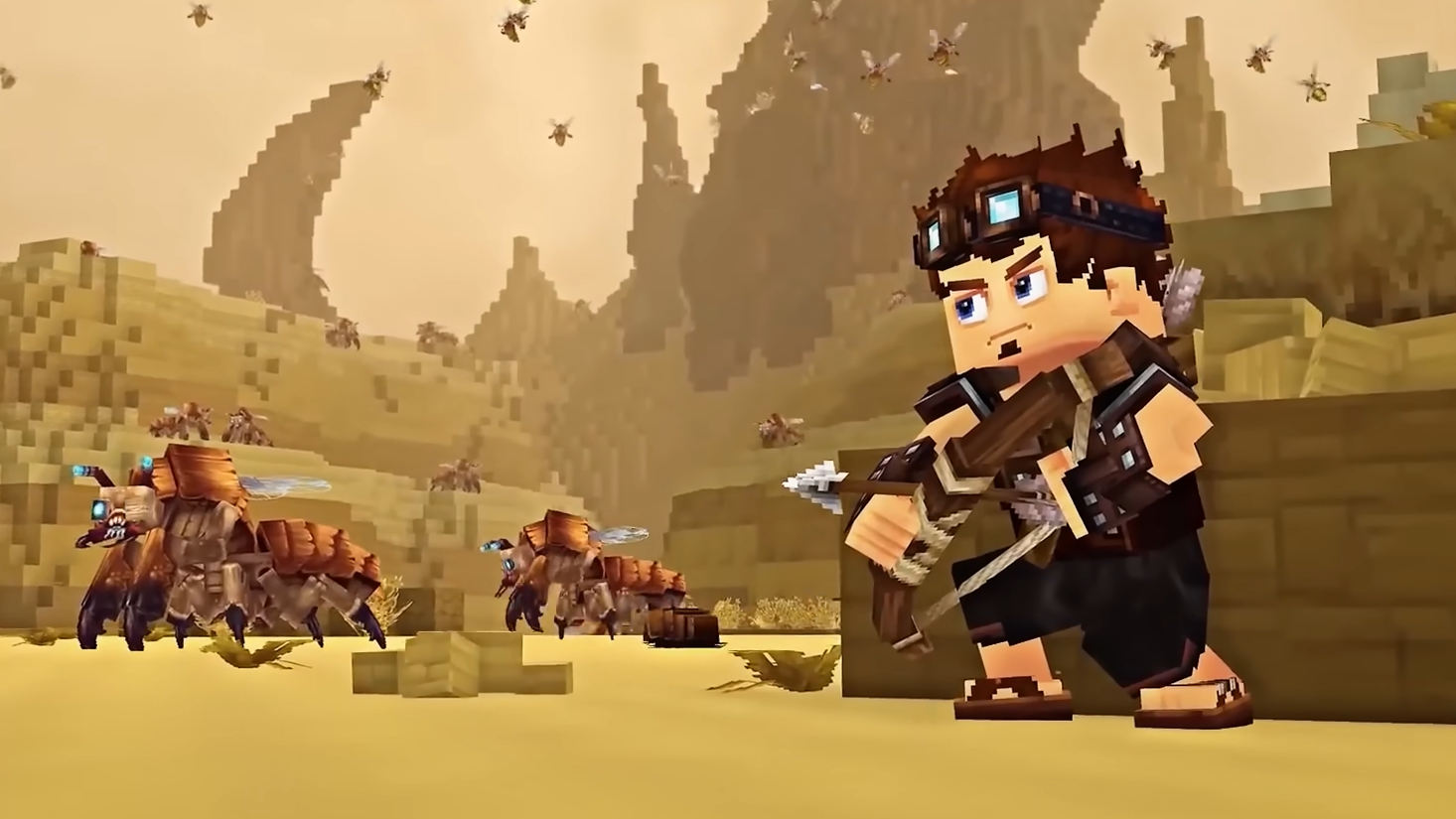
S-tier: Daggers, Bow, and One-handed Sword
Daggers sit at the top because they bend Hytale’s movement system in your favor. Their primary combo ends quickly, they charge Q fast, and the charged leap can be chained into “bunny hops” that keep you airborne and hard to punish. With high-tier armor such as Adamantite, the light-attack damage bonus stacks well with their attack speed, letting them keep up in DPS while outclassing most weapons in safety and traversal.
The dagger moveset has a few important nuances. The charged pounce launches you forward; if you tap jump the moment you touch the ground, you maintain momentum into another hop. Jumping slightly before the charge releases increases your jump height, which matters in PvP duels and when navigating rough terrain. Because all non-shield weapons currently consume the same stamina when blocking, daggers quietly become the best blocking option after an actual Shield: they recover from a block faster, so you can go back on offense sooner or swap to a heavier hitter without being stuck in post-block lag.
The Bow rounds out the S-tier as the most dependable ranged weapon in Survival. Bows are craftable early, arrows are straightforward to produce, and charged shots deliver strong damage from a safe distance. The Q ability adds a close-to-mid-range burst option when you can get closer, giving bows a second gear instead of forcing you to kite forever.
There is a tradeoff: you must commit to a charge window to reach full power and range, which exposes you if you do it in the open. Used correctly, the weapon is best before or after a brawl rather than in the middle of one. Opening an encounter by softening targets, then retreating with a mobility weapon and swapping back to finish with bow shots, minimizes the time you spend vulnerable.
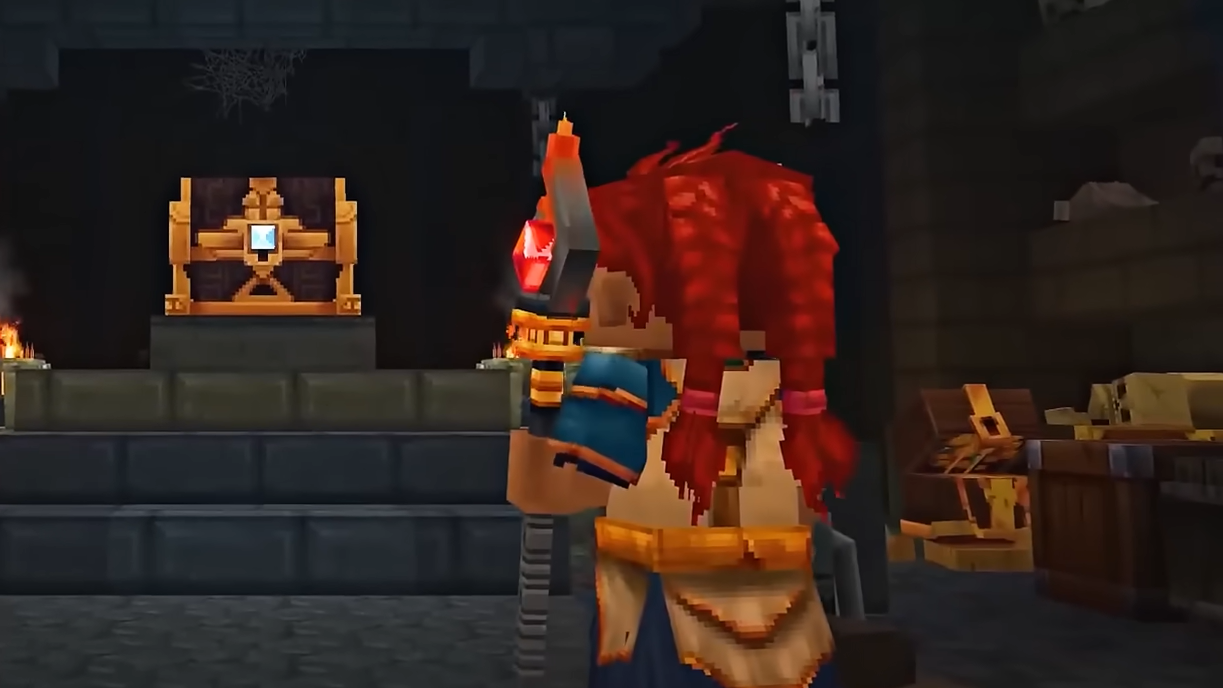
One-handed Swords edge into S-tier when you lean into their shield synergy. A sword in your main hand and a Shield in your off-hand gives you the lowest stamina damage taken while blocking, and access to shield bash pushes that control crowds in tight spaces. Sword charge attacks support bunny hopping, so you can still play a hit-and-run style, just with more emphasis on blocking windows than on all-out aggression.
On paper, one-handed swords have the lowest DPS among the melee options listed here. In practice, the ability to carry a torch, block reliably, or quickly swap off-hands keeps you alive in situations where heavier weapons would trade too much health for damage. The Q for swords lands in two parts, with a small delay before the second hit, so you must readjust your aim mid-animation if the target moves; that is the main mechanical tax for the flexibility you get.
A-tier: Two-handed Mace, Crossbow, and Greataxe
Two-handed Mace is the textbook “high risk, high reward” pick. It delivers some of the best single-hit damage in the game and doesn’t rely on finishing a long combo string for its numbers to make sense. Every swing hits hard, which means Q charges quickly. The charged attack cleaves multiple enemies, so it doubles as crowd control and burst. In PvE swarms, the Q leap lets you blow open a gap, land heavy damage, and reposition.
The catch is exposure. Mace light attacks and charge animations are slow, and you cannot bunny hop with it. When you commit, you are vulnerable unless your armor is strong enough to absorb the counter-hits. Top-tier armor, plenty of cooked food, and disciplined blocking mid-charge are mandatory if you push this weapon into the hardest zones or into serious duels. It pairs naturally with a dagger on your hotbar: block or move with the dagger, then swap to the mace for punishes.
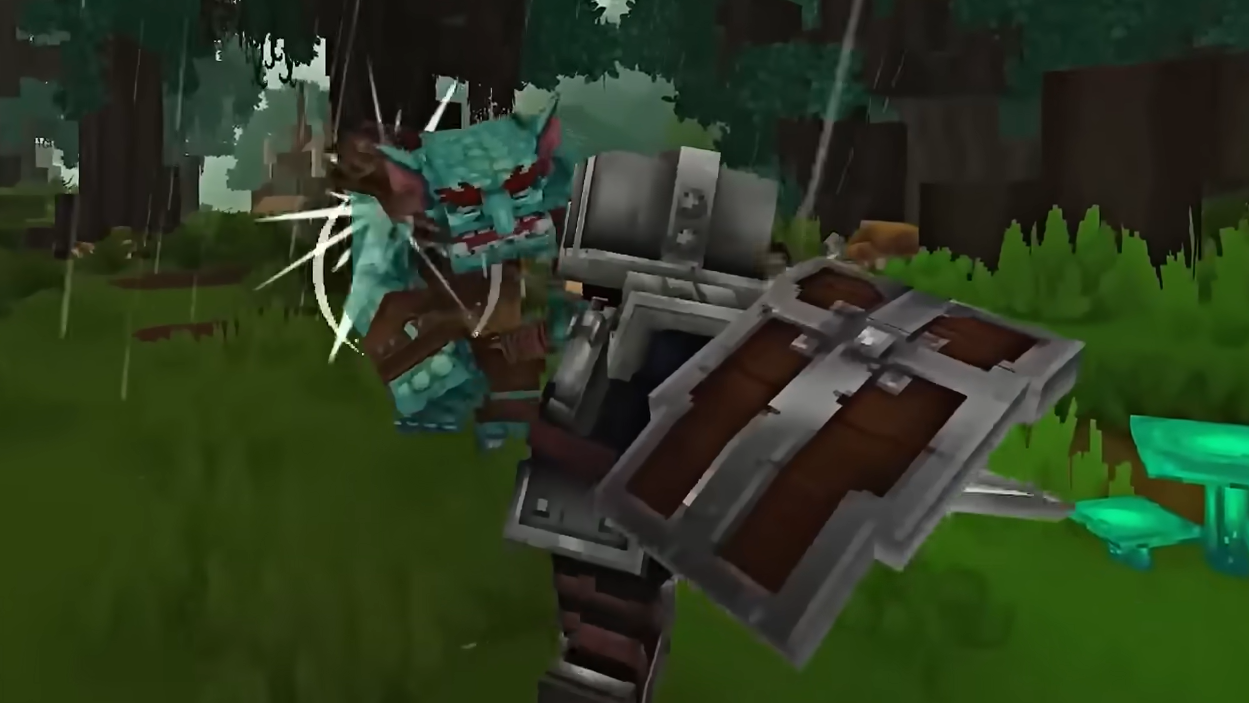
Crossbows and Hand Crossbows occupy a similar design space: they trade the bow’s fluid uptime for sharper bursts. The hand crossbow version benefits from off-hand compatibility, so you can still use a Shield and its stamina-efficient block. These weapons can store multiple loaded bolts and fire them rapidly, which is ideal for deleting a priority target during a small opening.
The downsides are deliberate. Reload animations are long, and you must reload again every time you swap away, so they do not pair well with constant weapon swapping. Their projectiles drop more quickly than arrows, reducing practical range in many situations, and their Q builds more slowly. Early game, when gear is weak, and burst matters more than sustained pressure, crossbows feel strong. Later o,n they fall behind bows for overall DPS and flexibility unless you dedicate your whole playstyle to setting up their bursts.
Greataxe / Two-handed Axe lives in A-tier for raw potential, but carries several mechanical constraints. On a per-hit basis, it trails only the mace in damage and offers sweeping arcs that can hit multiple targets. The charge attack supports bunny hopping, so with practice, you can play a safer “skirmisher” style: charge in, land a hit, immediately jump as you touch down, then repeat to maintain momentum.
What drags it down is how front-loaded its combo is. The largest chunk of combo damage sits on the final swing, which is the easiest part for opponents to dodge, especially in PvP. Q offers some area damage but locks you into a long animation that leaves you exposed if enemies don’t die. Its Q also charges slowly compared to faster weapons. In Exploration endgame zones, you are effectively forced into a mobility-heavy charge-spam pattern instead of standing and trading; when it works, it feels strong, but the execution barrier is higher than with mace or daggers.
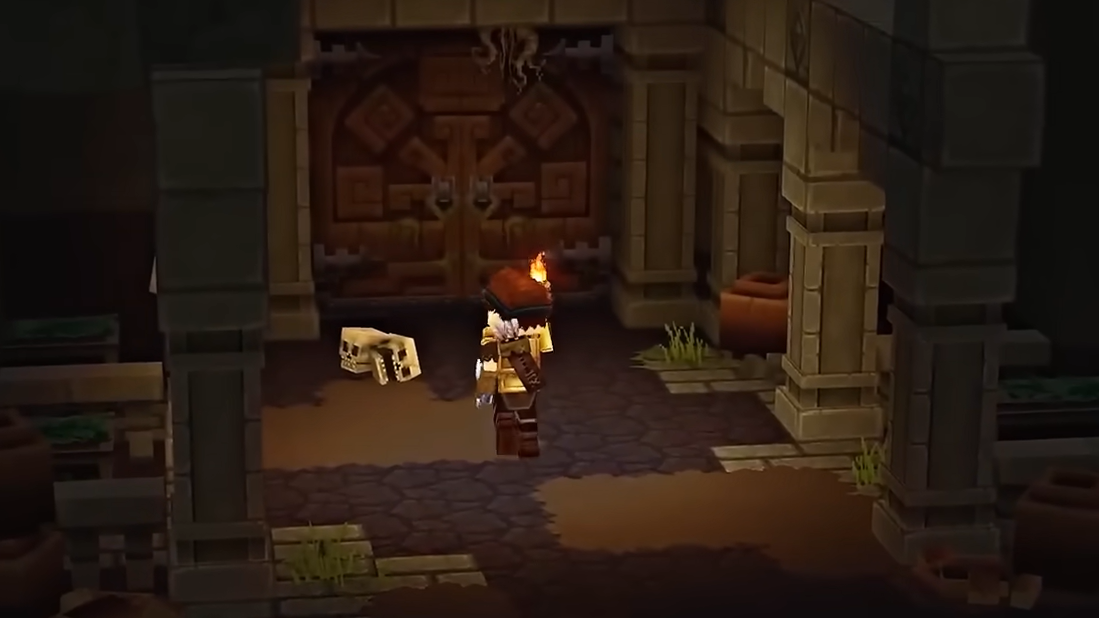
B-tier: Greataxe and Daggers in weak gear
Greataxe drops toward B-tier when you evaluate it purely on comfort and consistency. Without mastering movement tech, it behaves like a slow weapon whose best numbers depend on finishing a risky combo and whose special attack roots you in place for too long. In cramped dungeons or laggy servers, that makes it a liability compared to sword-and-shield or dagger-centric builds.
Daggers also feel closer to B-tier at the very start of a world. Their damage per hit is low, and if you cannot sustain contact long enough to reach full strings or Q uptime, they struggle to kill tougher enemies. As soon as armor and ore tiers rise, though, and you learn how to chain pounces and jumps, they quickly climb back to S-tier.
How armor tiers and ore affect weapon performance
Ore and armor progression in Early Access has a direct impact on which weapons feel strong. Adamantite is currently the highest widely known armor tier and boosts light attack damage. That buff amplifies high-frequency weapons such as daggers the most, and also gives a noticeable boost to mace, whose base numbers are already high. Axes benefit too, but only when you consistently land the critical final combo swing, which is difficult with their slower rhythm.
Weapon icons in many tier lists are often normalized to Iron for clarity, but the actual testing behind those rankings has been done with top-tier ore like Adamantite rather than mid-tier Iron. Mithral weapons exist but are not yet widely documented in Survival progression, so most practical comparisons still revolve around Adamantite as the assumed ceiling for now.
Blocking, stamina damage, and why shields still matter
Right now, all non-shield weapons apply the same stamina damage when you block. That single rule quietly reshapes the meta. It means the distinction between “good blocker” and “bad blocker” is driven much more by how fast a weapon recovers from a block than by how much stamina it spends.
Daggers, with their short recovery, become the best emergency blocker you can carry apart from a dedicated Shield. One-handed swords paired with a Shield go even further: they not only benefit from minimal stamina drain but also gain access to shield bash to push back crowds and carve out breathing room. Heavy two-handed weapons can block, but the long recoveries make mistimed blocks much more punishing, especially when surrounded.
Recommended weapon pairings for Survival and PvP
The strongest setups in Early Access pair complementary strengths instead of leaning on one weapon for every problem.
Mace + Daggers is the standout combination when you have access to high-tier ore and armor. Daggers handle movement, exploration, and safe blocking, letting you scout, kite, and set up windows. When enemies commit or stagger themselves, you swap to the two-handed mace to land a small number of extremely high-value hits or a disruptive Q in the middle of a pack. The tradeoff is Q management: swapping resets your signature meter, so you must plan around which ultimate you actually intend to use in a given skirmish.
Sword + Shield + Bow offers a slower but very stable alternative. Sword-and-shield covers close-quarters work with low-stamina blocks and shield bashes, while the bow handles pulls, finishing fleeing targets, and safe chip damage on bosses. You give up the raw burst of a mace or greataxe, but you get a smoother learning curve and fewer situations where a single mistimed swing costs you the fight.

Creative-mode-only weapons and why they’re not in the rankings
Hytale’s sandbox also includes weapons such as spears, two-handed swords, guns, and various exotic tools that currently only appear in Creative mode or on heavily customized servers. Many of these, including firearms and sci‑fi weapons, dramatically out-damage the standard Survival arsenal and are clearly not tuned for the same progression curve.
Since they are not obtainable through normal Survival or Exploration play, they are not part of the functional tier list for Early Access. They remain useful for testing the combat engine, building custom modes, or experimenting with different fantasy themes, but they do not help you decide what to craft on a fresh Exploration world.
Weapon balance in Hytale will keep shifting as Early Access evolves, but the underlying principles are already clear. Weapons that combine mobility, safe blocking, and reliable access to their Q abilities sit above those that only offer damage numbers on a tooltip. Building around at least one high-mobility tool and one reliable finisher will carry you further than chasing the heaviest stat block on the crafting table.