

Glass is one of the first materials that exposes how Hytale quietly diverges from Minecraft. You can smelt sand, and you can place windows, but those two actions are not directly connected. Understanding that split saves a lot of early-game confusion, especially if you are trying to finish a starter house and keep hearing that you “need glass for windows”.
How glass actually works in Hytale
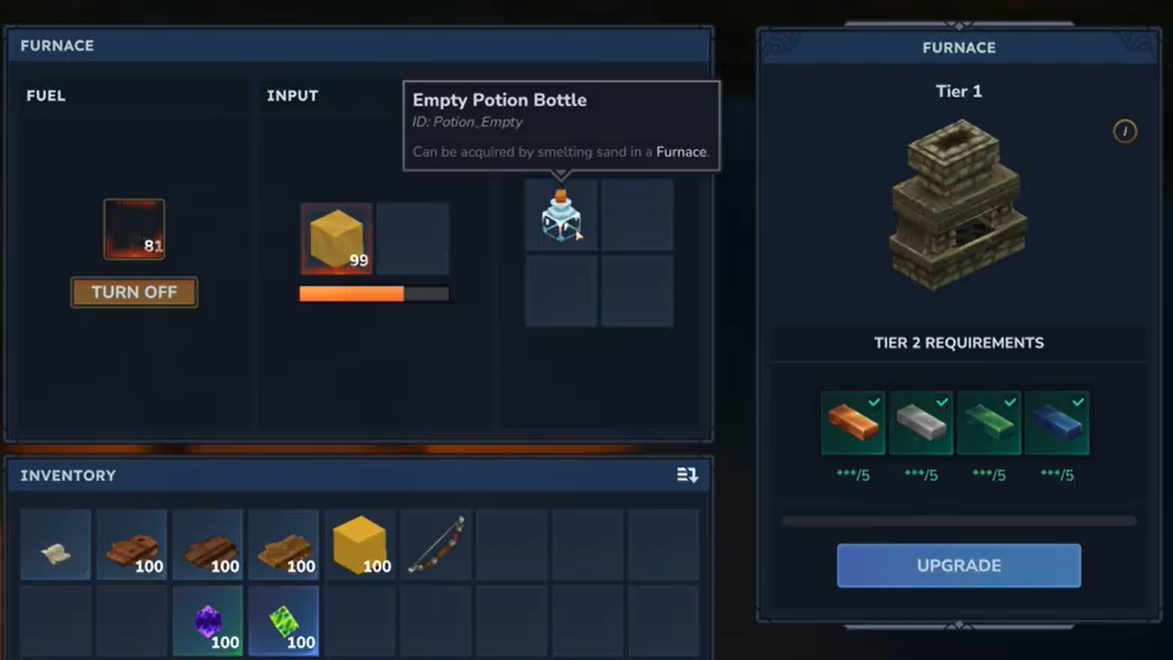
In the current early access version, “glass” means usable items rather than placeable blocks. You do not get glass blocks or glass panes for building. Instead, sand processed in a Furnace becomes Glass Bottles.
Those bottles are functional items. They can hold liquids and serve as a base for potions through Alchemy. For now, that is the entire role of smelted glass in standard survival play. The visual “glass” in your house’s windows comes from a different system.
How to find sand in Hytale
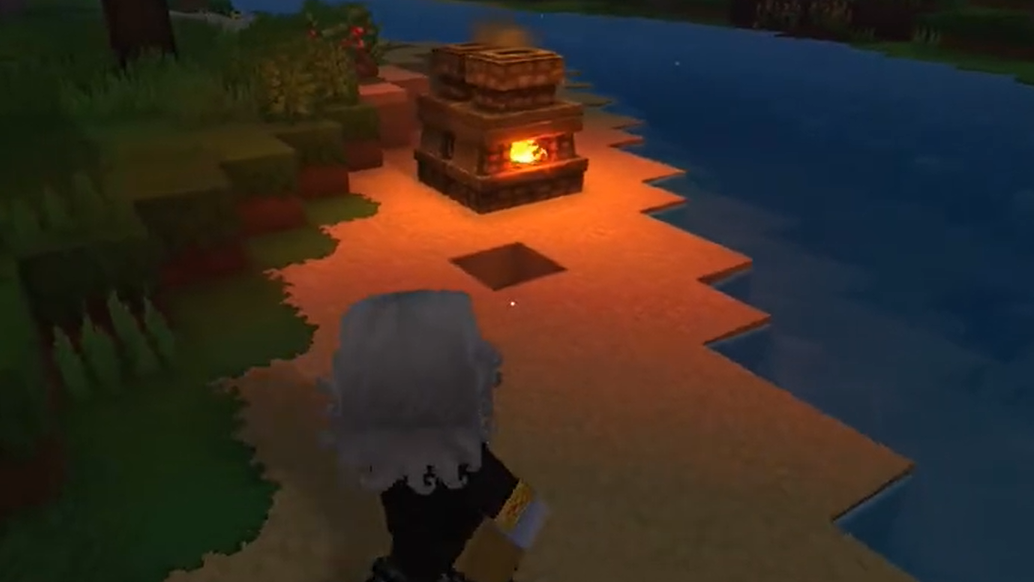
Step 1: Open your map and look for a sizeable body of water, such as a lake. Larger shorelines make it easier to spot the right terrain.
Step 2: Scan the edges of that water for pale, beach-colored terrain. These light-toned strips mark sand along the shoreline.
Step 3: Travel to the beach and mine the sand blocks with a pickaxe. Breaking these blocks yields sand as a resource.
Sand tends to appear consistently around lakes and other broad water features, so once you identify one beach, you typically have enough material for a long time.
How to turn sand into glass in a Furnace
Step 1: Place or locate a Furnace in your base. Any standard Furnace will work; there is no special variant for glass.
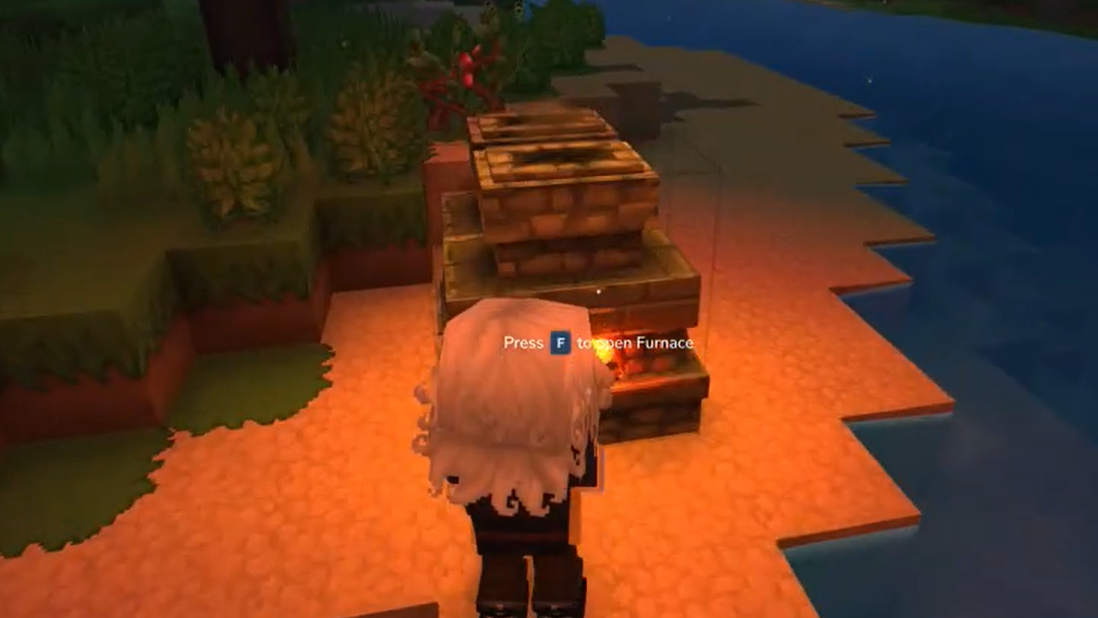
Step 2: Interact with the Furnace and insert sand into the input slot. Add a fuel source to the fuel slot, such as basic smeltable fuel.
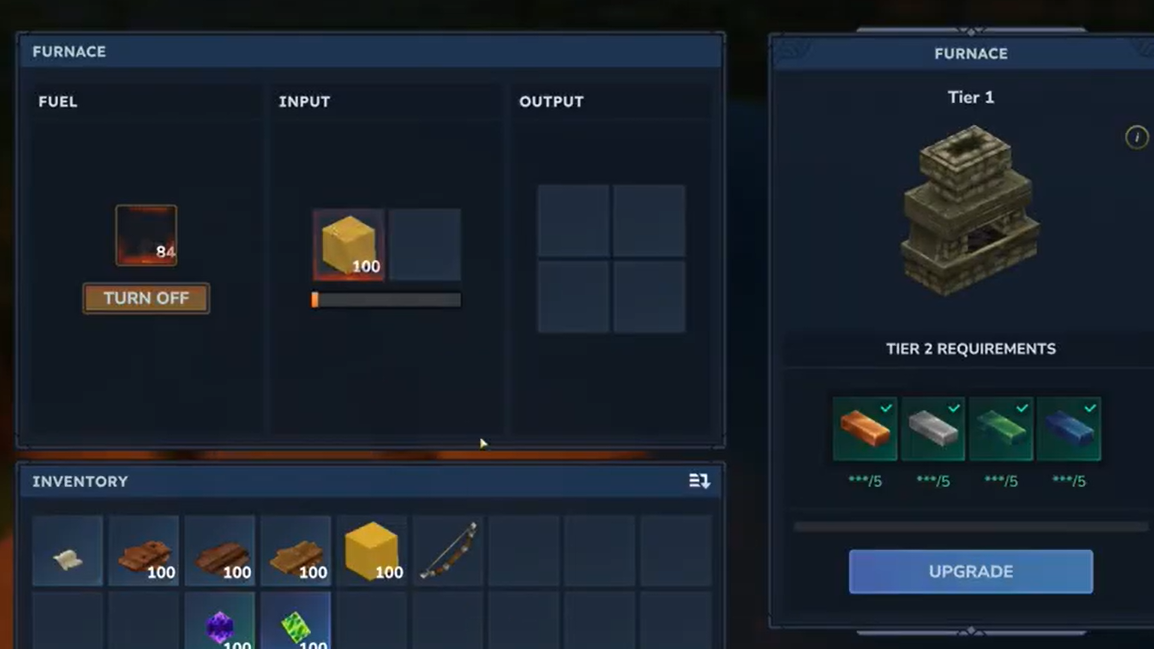
Step 3: Wait for the Furnace to complete the smelting cycle. The output is a stack of Glass Bottles, not a cube of building glass.
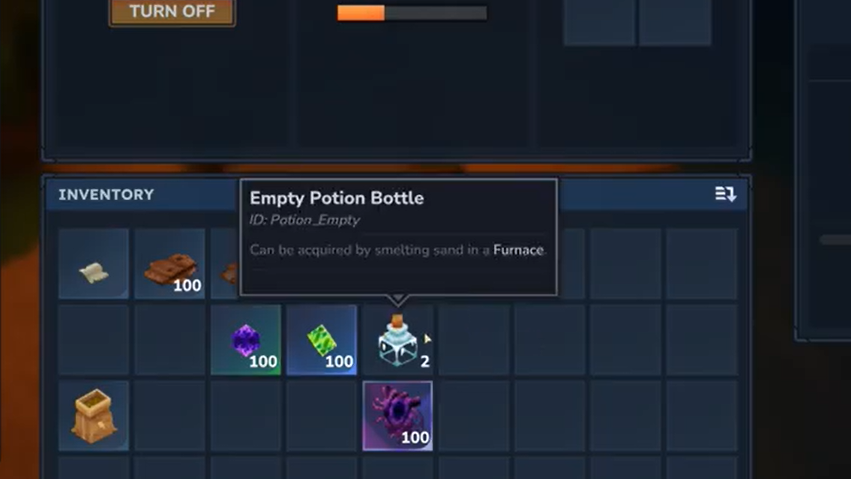
These Glass Bottles are then ready for Alchemy or for collecting liquids. They do not place into the world as transparent blocks and cannot be crafted into window blocks or panes in the current implementation.
What glass bottles are for
Glass Bottles are designed for utility rather than decoration. Their two primary uses are:
- Potion crafting: Combined with reagents on an Alchemy Table, bottles become potions with effects such as healing or stamina restoration.
- Liquid collection: Bottles can be used to scoop water and certain other liquids, allowing you to transport small volumes without a bucket.
Because of this focus, you will typically spend sand on bottles for potion work instead of treating it as a main construction material.
How to craft windows in Hytale
The surprise for many players is that Hytale windows do not require glass at all. Window blocks are crafted from wood at the Builder’s Workbench.
Step 1: Make sure you have a basic Crafting Workbench placed. This is the standard early workstation you use for tools and starter items.
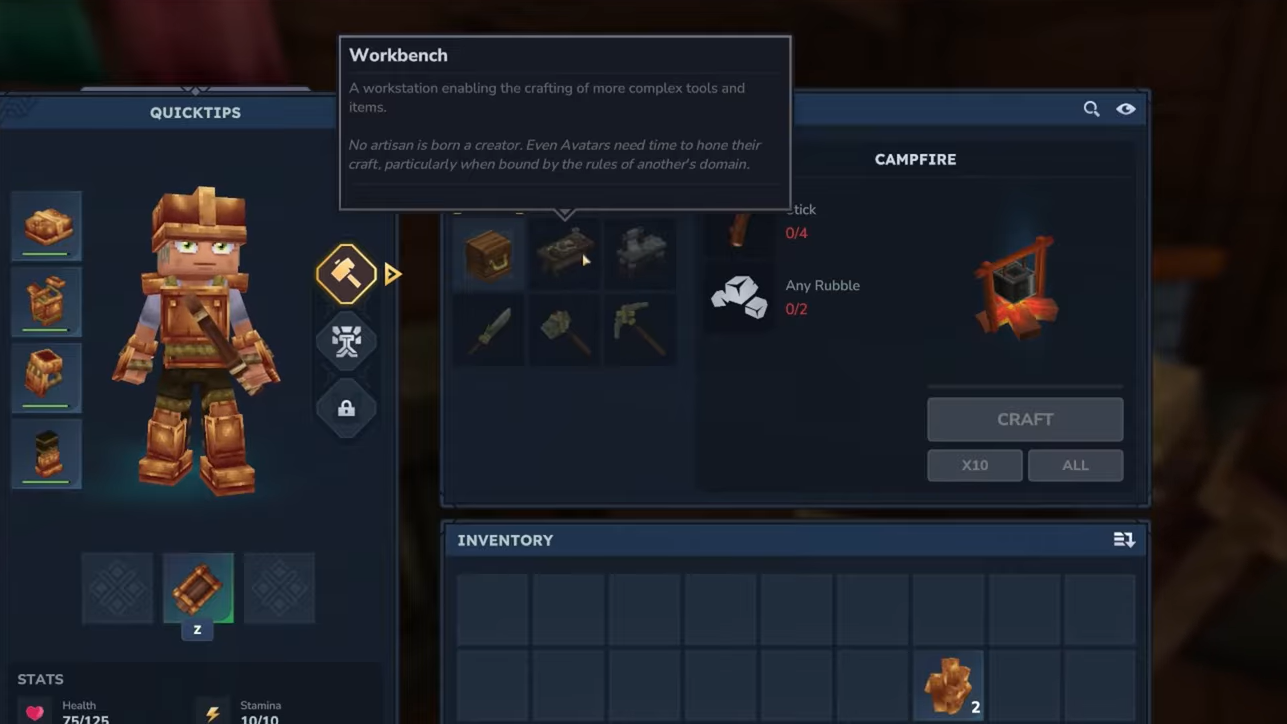
Step 2: Open the Workbench interface and move to the third crafting tab. This tab contains utility and station recipes rather than tools or armor.
Step 3: Craft a Builder’s Workbench using six pieces of any wood and three pieces of stone. The recipe is flexible about wood type, so you can use whatever you have on hand.
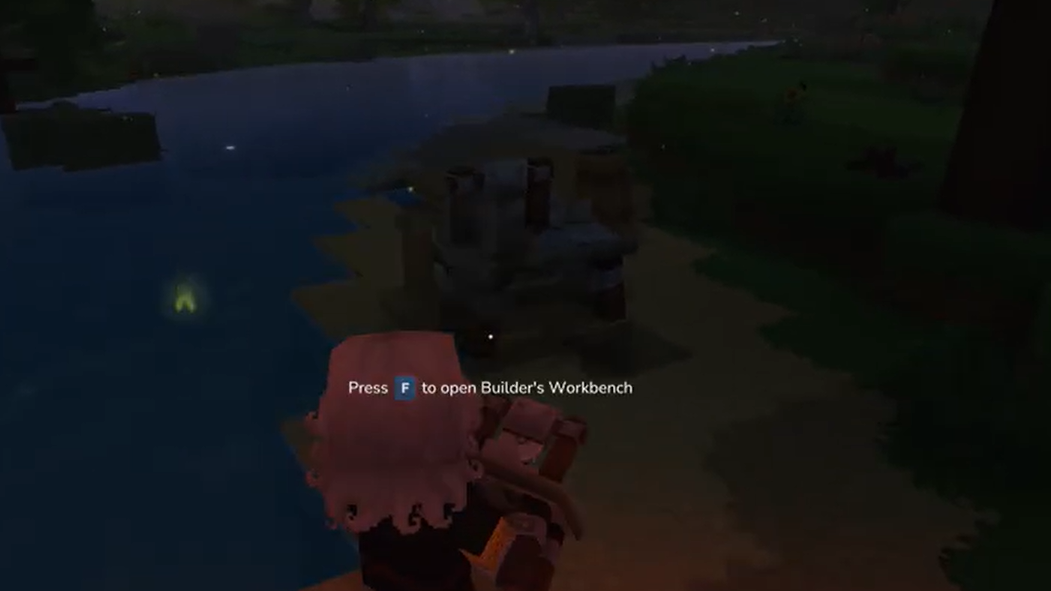
Step 4: Place the Builder’s Workbench in your base and interact with it. Insert any type of wood as the input material.
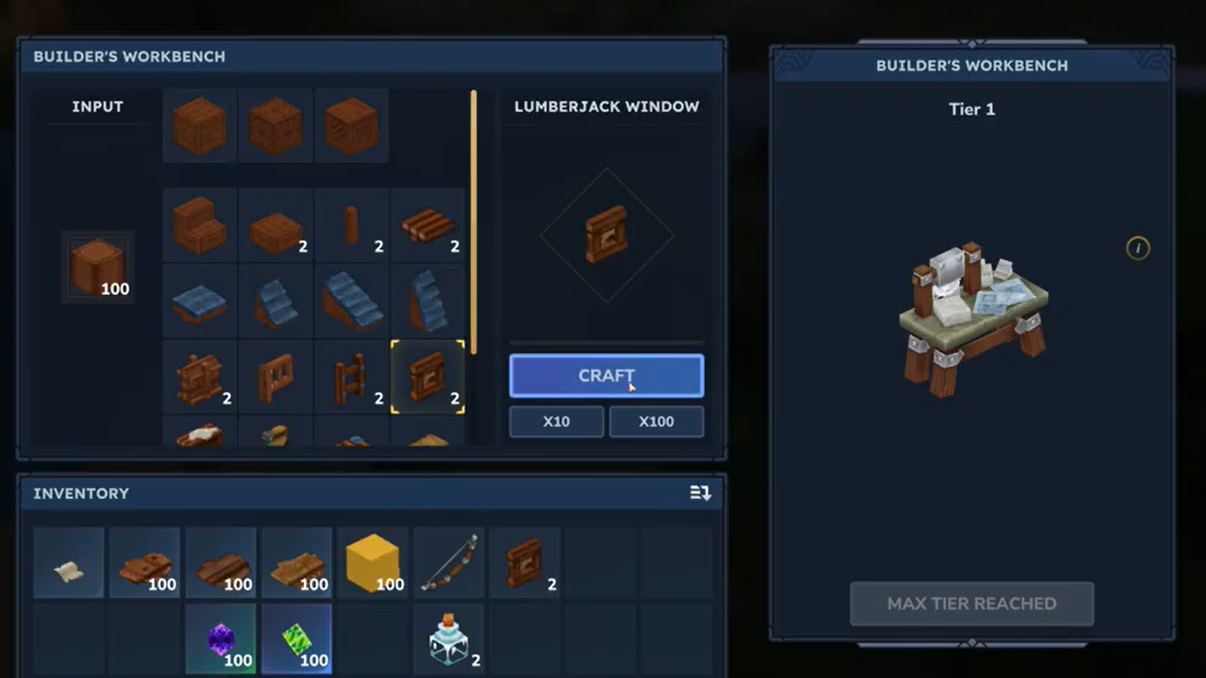
Step 5: Scroll through the output list until you find the four-panel window item. A single block of wood converts into two windows.
Those wooden-crafted windows include the glassy visual and frame in one object. Once crafted, they can be placed into your walls like any other block.
Why windows do not consume glass
Hytale separates the fantasy of glass from its materials. The game shows framed, transparent windows, but their recipe aims to keep early building simple and cheap. You construct them with the most common resource in the game — wood — rather than tying them to beaches, smelting, and fuel.
This design choice also reflects the rendering approach described by the developers. Hytale leans on stylized voxel models and hand-painted textures, then adds selective lighting and post-processing to keep the world readable and performant. The “glass” in windows is largely a visual treatment applied to the window asset itself, not a distinct transparent material that must exist as a universal block type.
Future possibilities for transparent glass blocks
The rendering team has signaled plans to explore transparent glass as the engine evolves, alongside features like improved color grading and godrays. That work sits within the renderer, which balances visibility, performance, and the hand-painted texture style.
For now, the building-facing surface of that work is the wooden window item crafted on the Builder’s Workbench, plus any additional window variants introduced by mods that follow the same basic idea. If and when fully transparent, placeable glass blocks arrive, they will likely plug into that existing visual direction rather than emulate Minecraft’s one-to-one sand-to-glass block pipeline.
For players starting out, the practical takeaway is simple: mine sand and smelt it when you want bottles for potions and liquids; cut down trees and use the Builder’s Workbench when you want windows in your walls. Treat those as two parallel tracks, and early building becomes much smoother.