

Planks sit right at the center of Hytale’s early crafting loop. They gate key upgrades like the Farmer's Workbench, unlock decorative building blocks, and feed into storage and furniture recipes. The game never spells out clearly which trees give which plank type, though, or how the Builder's Workbench fits into the process.
Softwood planks in Hytale (beech and aspen)
Softwood planks are one of the first processed wood types you need, especially for upgrading the Farmer’s Workbench to Tier 2.
Tree types for softwood: softwood planks come from Beech and Aspen logs.
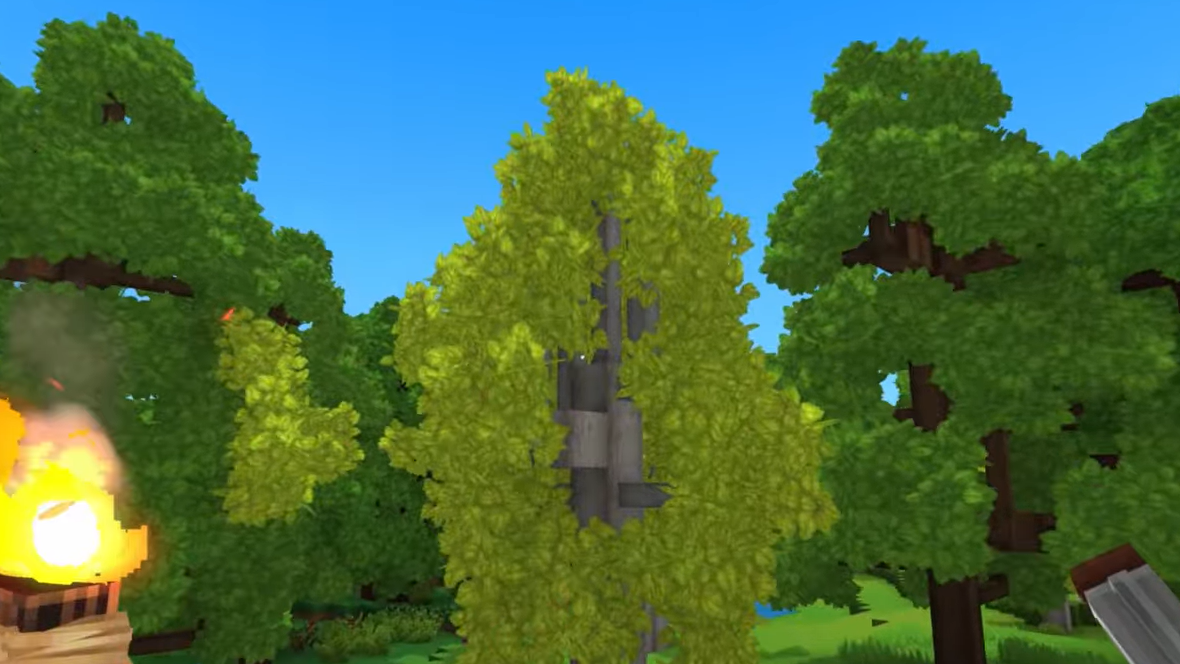
- Beech trees use a moderately light brown trunk and bright green leaves.
- Aspen trees have white, speckled bark and orange leaves.
Step 1: Find beech or aspen trees in the overworld and cut them down with an axe. Focus on the trunk blocks to collect Beech Logs or Aspen Logs.
Step 2: Pick up the logs and keep them in your inventory; do not place them as blocks if you plan to process them into planks.
Softwood planks are required in small quantities very early. You need five softwood blocks to upgrade the Farmer’s Workbench to Tier 2, which unlocks new seeds and farming items. It is usually better to reserve your first batch of softwood for that upgrade instead of spending it on decorative building pieces.

Hardwood planks in Hytale (oak and ash)
Hardwood planks support more advanced building and storage, particularly through the Furniture Workbench. They also come from specific tree types.
Tree types for hardwood: hardwood planks come from Oak and Ash logs.
- Ash trees have thick, reddish‑brown trunks with deep green leaves.
- Oak trees use dark, “chocolate” colored wood with yellowish‑orange leaves.
Step 1: Locate oak or ash trees and cut down the trunks with an axe to gather Oak Logs or Ash Logs.
Step 2: Keep the logs in your inventory, ready to feed into a Builder’s Workbench.
Hardwood planks feed into a long list of structural and decorative blocks once you have the right workstations. Many of these recipes also accept logs directly for more ornate shapes.

| Hardwood use | Key ingredients | Notes |
|---|---|---|
| Wooden walls (patterns/colors) | Hardwood Plank + Clay | Clay can be tinted by mixing petals for colored variants. |
| Tankard and small decorations | Hardwood Plank + Iron Ingot | Purely decorative, helps furnish interiors. |
| Small Iron Chest / Large Iron Chest | Hardwood Plank + Iron Ingot | More resilient storage than basic wooden chests. |
| Lumberjack Bed | Hardwood Plank + Plant Fiber + Heavy Hide + White Cloth | Rustic bed variant for themed bases. |
| Lumberjack Lamp | Hardwood Plank + Candle + Iron Ingot | Light source with a matching hardwood style. |
| Hardwood building shapes* | Oak/Ash Logs in Builder’s Workbench | See list below; crafted directly from logs. |
Items marked with an asterisk in the original list are crafted directly from Oak or Ash Logs in the Builder’s Workbench without needing planks as an intermediate step. These include:
- Hardwood Stairs
- Hardwood Half‑Slab
- Hardwood Beam
- Simple Wooden Platform
- Hardwood Roof variants (standard, flat, shallow, steep)
- Hardwood Fence
- Hardwood Gate
Among all hardwood recipes, Small Iron Chests are especially important for progression, as they offer tough, compact storage to manage the growing number of resources you collect.
Lightwood and other wood types
Not every tree produces softwood or hardwood. Some species map to other families of processed wood.
- Birch logs turn into lightwood, a brighter option for lighter builds.
- Oak and ash logs make hardwood, as outlined above.
- Beech and aspen logs become softwood.
Players sometimes try to feed every log type into the same recipe set and wonder why certain outputs never appear. Each log type has its own palette of shapes and plank variants, so pay attention to trunk and leaf color when you are scouting for wood.
How the Builder's Workbench works
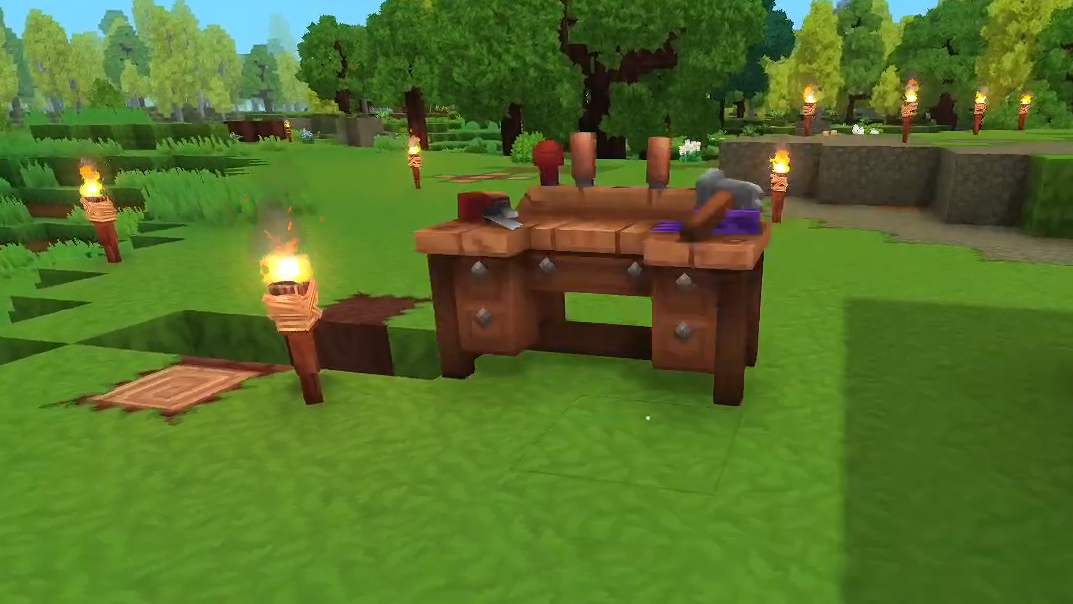
The Builder’s Workbench is the tool that turns raw logs into planks and then into more complex building pieces like stairs, slabs, beams, and roof blocks. It also handles processed variants for other materials.
Step 1: Place a Builder’s Workbench in your base. If you do not have one yet, craft it at a basic Workbench using the standard recipe that calls for stone and wood (any tree trunk type works here).
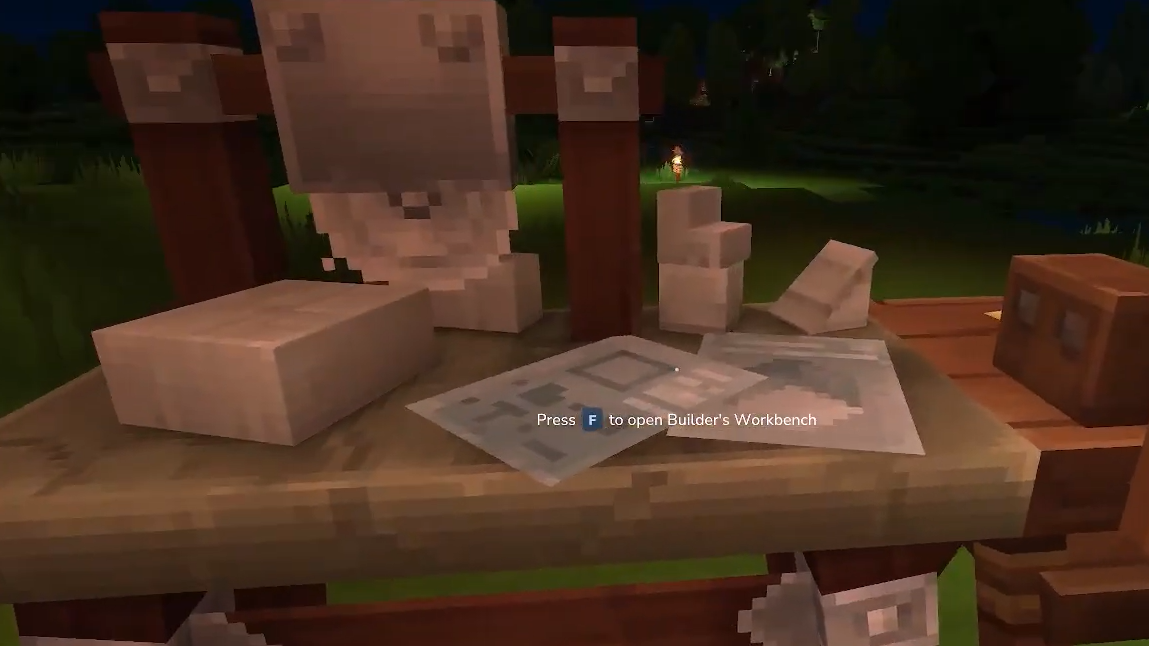
Step 2: Open the Builder’s Workbench and move a stack of logs into its main input slot. For softwood planks, use Beech or Aspen Logs; for hardwood planks, use Oak or Ash Logs.
Step 3: Once the logs are in the slot, the matching plank recipe appears in the output or recipe list. Craft the number of planks you need, then collect them from the result slot.
Step 4: Leave some logs in the Builder’s Workbench if you plan to craft structural shapes like stairs or beams. Many of those recipes consume logs directly instead of planks.
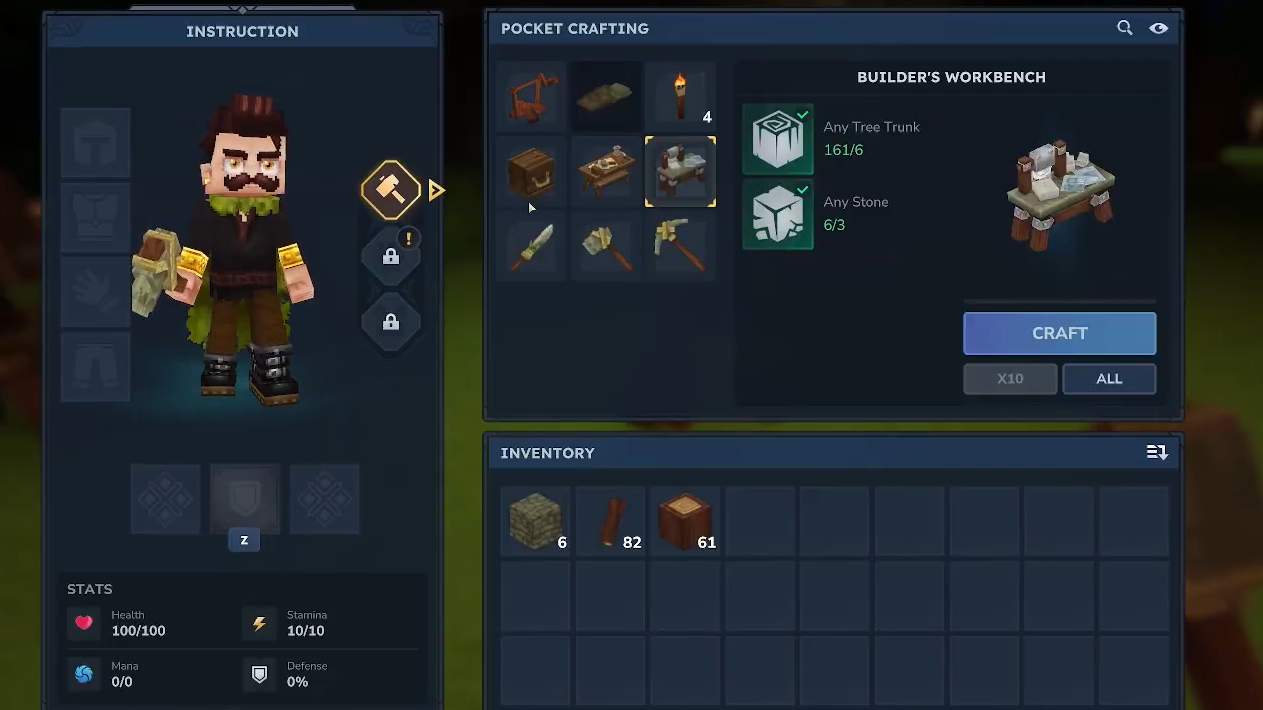
Every log type you insert changes the set of recipes the Builder’s Workbench offers. Swapping between beech, aspen, oak, ash, and birch effectively changes the theme and color of the building components you can craft.
How to build and use the Furniture Workbench
Planks alone do not give you furniture and storage. To turn hardwood planks into chests, beds, lamps, and similar items, you need a Furniture Workbench.
Step 1: At a standard Workbench, craft a Furniture Workbench using any stone and any tree trunk. The recipe requires six of each material.
Step 2: Place the Furniture Workbench inside the room where you plan to craft furniture. Positioning matters for how it interacts with storage.
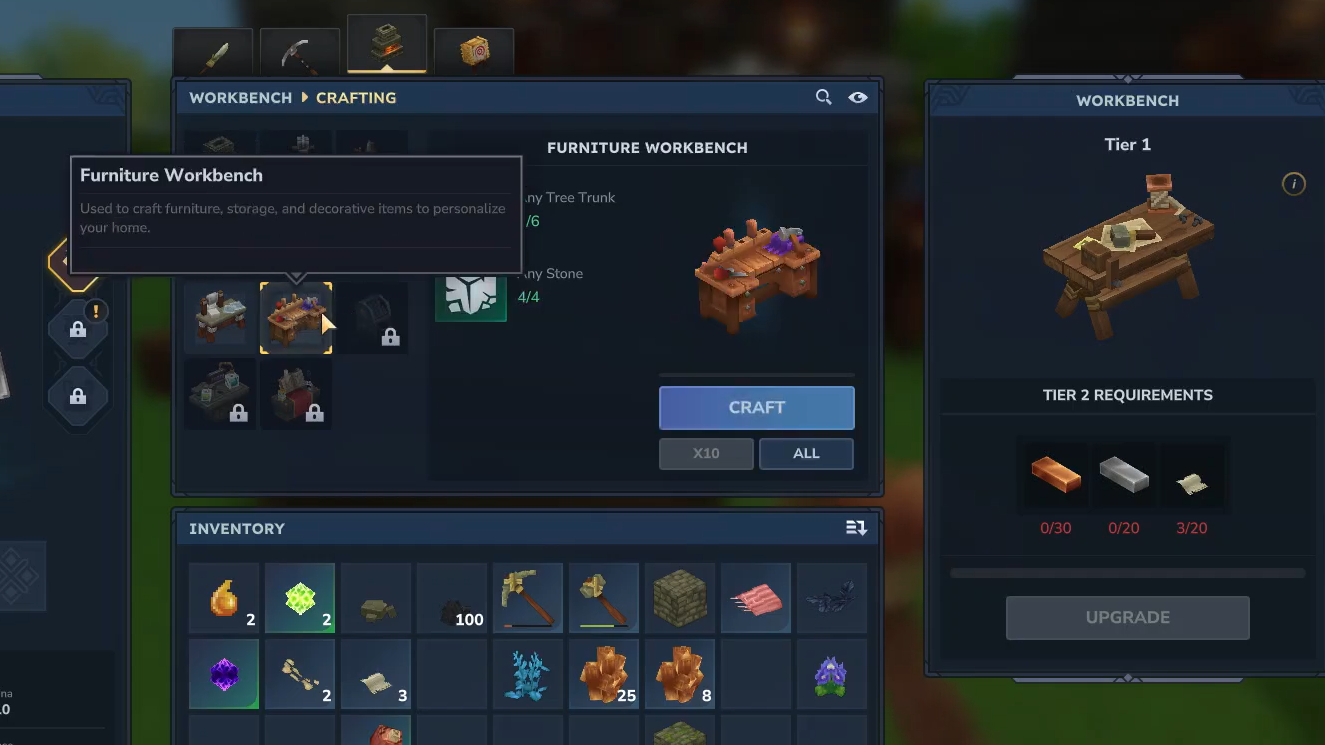
Step 3: Ensure the Furniture Workbench and the chest holding its materials share the same room and flooring. When both conditions are met, the workstation can pull required items directly from that chest.
Step 4: Open the Furniture Workbench and browse the recipes that use Hardwood Planks, like Small Iron Chests, Wooden Walls with Clay, and the Lumberjack set. Craft what you need; the workstation pulls from your inventory and, when correctly positioned, from the linked chest.
Which planks to prioritize in early‑game Hytale
In the first hours of a world, it is easy to burn rare processed blocks on cosmetic builds and then find yourself short on upgrade materials. A few priorities help keep progression smooth.
- Reserve softwood first. Set aside at least five softwood planks for the Tier 2 Farmer’s Workbench upgrade. Do that before spending softwood on steps or decorative blocks.
- Use hardwood for storage next. Once you have oak or ash, route your first batch of hardwood planks into Small Iron Chests and, later, Large Iron Chests. Extra storage stabilizes the rest of your crafting loop.
- Then explore decorative shapes. After core stations and storage are covered, start experimenting with hardwood roofs, fences, and beams, or softwood variants where available, to define your base’s style.
Hardwood’s visual style also pairs well with patterned Wooden Walls made from hardwood planks and colored clay, giving you a strong base theme once your survival and farming needs are handled.
Once you understand which trees map to which plank types and how the Builder’s and Furniture Workbenches split responsibilities, planks stop being a confusing bottleneck and turn into a flexible design tool. Plan your first logging runs with specific upgrades in mind, and you will have enough softwood and hardwood on hand to cover both progression and the first real touches of personality in your Hytale base.