

Water in Hytale sits somewhere between a visual showcase and a core survival resource. It drives farming, baking, travel, and base layout, and players quickly run into the same question: can you create an infinite water source near home, or are you stuck hauling buckets from the nearest river?
How water blocks behave in Hytale
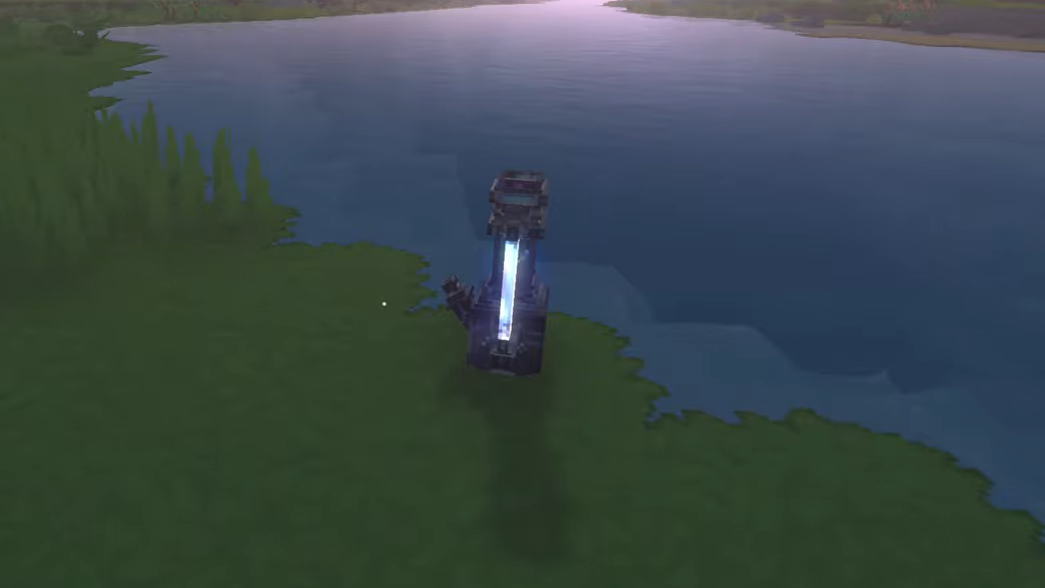
Hytale uses discrete water blocks, but they do not copy Minecraft’s 2×2 “infinite spring” behavior on the surface. Dropping a few source blocks into a 2×2 hole and scooping from the top does not automatically refill the missing top blocks.
Instead, water has a vertical refill behavior. When a full layer of water sits directly above empty space, water can recreate itself below. This difference is important, because it shifts the most reliable “infinite” layout from a flat pool to a shallow tank.
How to build a practical infinite water pool
The simplest repeatable layout is a compact well that exploits water’s ability to respawn under itself.
Step 1: Dig a 2×2 hole that is one block deep and fill that entire 2×2 area with water blocks. At this point, you effectively have a small surface pool.
Step 2: Once the 2×2 surface is full, stand in the pool and dig the floor out one block deeper so the total shape becomes a 2×2×2 cavity. Do not break the outer walls, only the bottom layer.
Step 3: Use your bucket to take water from the bottom layer of the 2×2×2. The full layer of water above will cause water to respawn in the empty block below, keeping the well supplied.
Step 4: If you want more margin for mistakes, extend the depth to three blocks so the structure becomes 2×2×3. Keep the very top layer as the “source plate” and always scoop from the lowest layer.
Moving water with buckets
Buckets remain the main way to relocate water blocks.
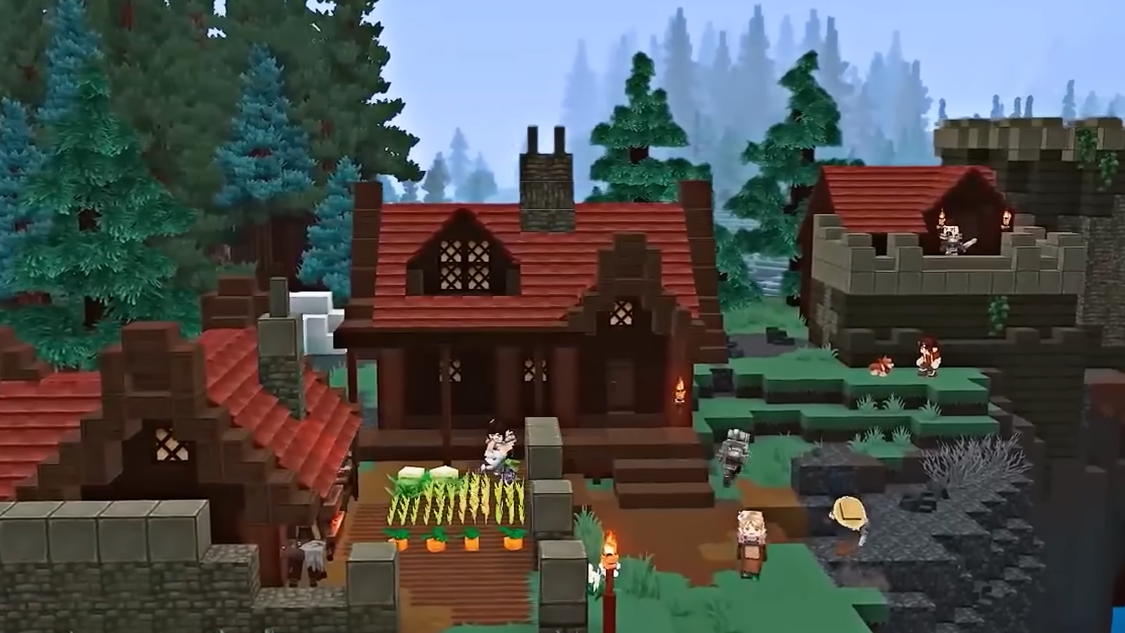
Players can use a wooden bucket to pick up a full water block and place it somewhere else. That makes it possible to seed the initial 2×2 pool at your base even if the nearest pond is hundreds of blocks away. Each trip with a bucket moves one block of water; once the pool is established using the layout above, the pool itself becomes the local source for further building or irrigation features.
Water buckets also serve as crafting ingredients. For example, buckets of water are used to make dough, which in turn is required for bread. That link makes free-flowing water more than a visual feature; it directly affects how often you can bake without long collection runs.
Watering cans and “infinite” water for crops
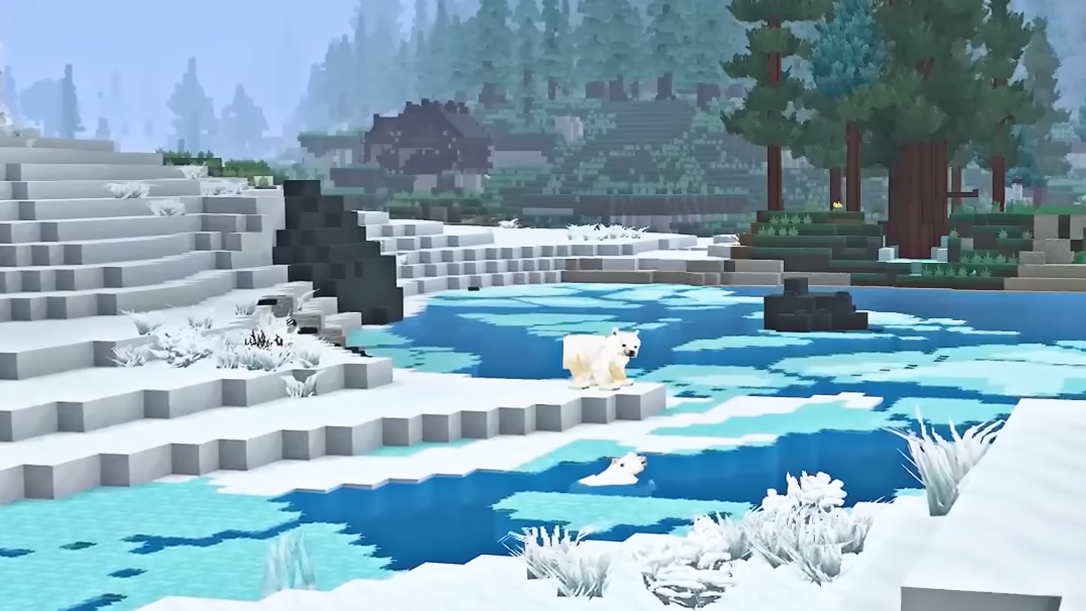
For farming, watering cans change the equation further. A single water block can supply a watering can endlessly.
Step 1: Place at least one water block within reach of your farm. This can be part of your 2×2×2 well or a single decorative block set into the ground.
Step 2: Equip your watering can and use it on that water block to fill the can. You can refill from the same block as many times as needed; drawing water with the can does not consume the block.
Step 3: Use the filled watering can directly on tilled soil with seeds planted. The soil will switch to a “wet” state, and crops on that tile will grow faster.
This behavior means there is effectively infinite water for irrigation as long as at least one water block is nearby. The limit becomes your patience with refilling and walking, not the water itself.
Do water blocks irrigate soil on their own?
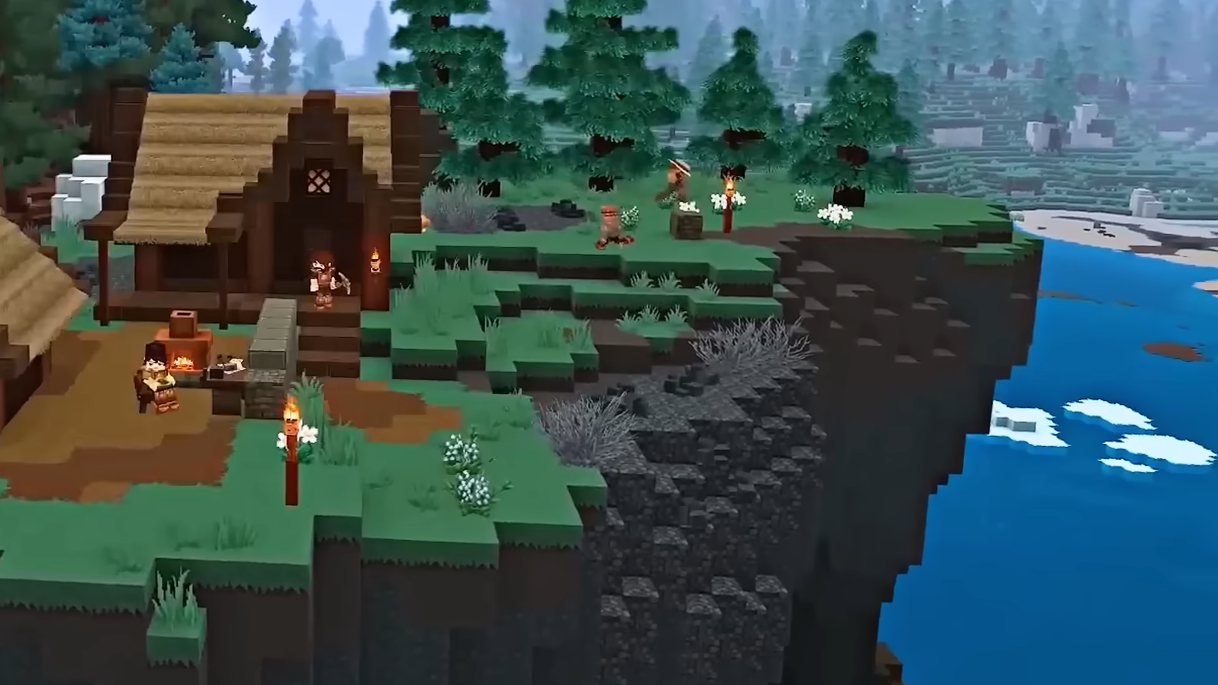
There is active debate in the community about whether standing water next to farmland changes crop growth without using a watering can. The discussion often comes from players expecting Minecraft-style hydration where any farmland within a certain radius of a water block is passively irrigated.
Observations in Hytale show three overlapping behaviors:
- Seeds will grow on dry tilled soil, but more slowly than on wet soil.
- Using a watering can on tilled soil clearly speeds up growth, with a commonly cited figure of about 2.5× faster for watered crops.
- Water blocks near tilled soil appear to influence growth data. Code references to a
WaterGrowthModifiershow that external fluid and weather affect crop behavior.
Players testing in survival worlds report that soil within one tile of a water block darkens and that crops in those wet tiles tend to progress earlier than identical crops placed far from water. Others report runs where side-by-side test plots do not show a clear difference. Growth ticks are probabilistic, so short tests can produce confusing results.
The practical takeaway is straightforward: if you want reliable, faster harvests, treat the watering can as mandatory and place water close to your rows anyway. The can gives a guaranteed speed boost, while adjacent water provides an additional, subtler modifier that helps over longer cycles.
Designing permanently irrigated crop rows
For larger farms, it is possible to keep plots constantly influenced by water with simple trench layouts.
One common pattern uses alternating rows of farmland and water:
- Dig a long trench one block wide and one block deep for water.
- Leave a one-block-wide strip of soil next to it for crops.
- Repeat: water row, soil row, water row, soil row.
Each soil row sits directly next to at least one water block, which keeps the tiles in range of water-related growth modifiers. To make navigation easier, some players place trapdoors or beams over the water rows so characters can walk across without falling in, while the water below still counts as adjacent.
Even with these permanent channels, watering cans remain useful. You can establish a base rate of growth from nearby water, then periodically run down the rows watering planted soil to hit the higher growth multiplier flagged for “wet” tiles.
Fast water transport with Gaia’s Temple portals
Scooping water into buckets and walking it home is workable early on but does not scale well for large builds. Once you have progressed far enough to visit Gaia’s Temple and hand in a few memories, you can unlock cheap portals that link two points in the world.
Step 1: Reach Gaia’s Temple and complete the required memory turn-ins until portal crafting becomes available.
Step 2: Craft two linked portals using the unlocked recipe. The exact components are modest enough that players can build multiple pairs in mid-game.
Step 3: Place one portal near a large, natural body of water and the other at your base. Travel back and forth quickly while filling buckets or moving water-block-dependent machinery.
With this setup, your base no longer needs to sit next to a river or lake. The portal effectively turns a distant ocean into a tap that is a few steps away.
Other water-related quirks: skeleton horses and travel
Water interacts with mounts in ways that change how you explore. Skeleton Horses, for example, have infinite stamina while moving in water. They act like fast living boats, letting you cross oceans or wide rivers without slowing to a crawl.
All horse types benefit from this stamina behavior in water, but there is a catch. Skeleton Horses can drown, and they do not emit any sound when taking drowning damage. It is easy to ride across a bay, get distracted, and only realize something is wrong when the mount dies under you.
Hytale’s water systems reward a bit of upfront planning. A 2×2×2 well can act as a permanent local source, a single water block powers endless watering can refills, nearby trenches subtly accelerate crop cycles, and late-game portals turn distant lakes into convenient resource hubs. None of this looks exactly like Minecraft’s iconic infinite springs, but once these patterns are in place, running out of water near your base becomes very hard to do.