

Wolves in Hytale sit at an interesting crossroads between the creature ecosystem, combat, and the early animal “taming” mechanics. They look like ideal companions, but in the current Early Access build they function entirely as predators, not pets.
Wolf variants, zones and stats in Hytale
Hytale currently features two wolf variants on Orbis: the Grey Wolf and the Arctic Wolf. Grey Wolves appear in Zone 1, Emerald Grove, while Arctic Wolves roam the colder Zone 3 region of Borea. Both occupy the role of dangerous wildlife in otherwise resource-rich areas, especially around early-game farms and travel routes.
Wolves share the same basic stat line, making them significantly more threatening than typical farm animals.
| Creature | Variant | Zone | Damage | Health | Primary Drops |
|---|---|---|---|---|---|
| Wolf | Grey Wolf | Emerald Grove (Zone 1) | 25–29 | 103 | Medium Leather, Raw Wildmeat |
| Wolf | Arctic Wolf | Borea (Zone 3) | 25–29 | 103 | Medium Leather, Raw Wildmeat |
Both variants are categorized as mobs and animals, and are additionally flagged as hostile and not tameable in the current data. In practice, they can act hostile, neutral, or territorial depending on the situation, but players should treat them as combat threats.
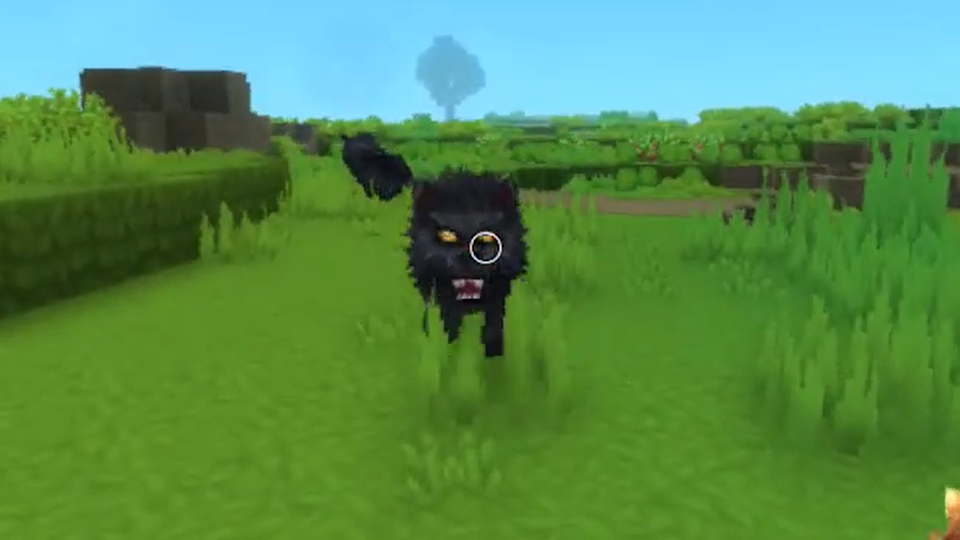
Wolf behavior and aggression patterns
In direct combat, wolves follow a clear pattern. They close the distance quickly with a charge, deliver a bite, then retreat a short distance before preparing to charge again. This “hit and back off” loop repeats until either the wolf or the player goes down.
During this charge phase, blocking is critical. A properly timed block absorbs the incoming damage and sets up a safe window while the wolf recovers from its attack. When it backs away, it is briefly vulnerable, giving room for counterattacks before the next rush.
Wolves also interact with the broader ecosystem. They are listed alongside other dangerous predators in early-game biomes and have been observed killing livestock when enclosures are poorly designed. As long as a wolf remains aggroed on the player or a farm animal, it tends to linger in the area instead of wandering off, which matters both for kiting them and for protecting herds.
How animal “taming” works in Hytale
To understand why wolves are not pets, it helps to look at how animal systems currently function in Hytale. The game does not implement traditional, permanent taming in the Early Access build. There is no command to bind a creature to the player the way many survival games do.
Instead, Hytale uses a temporary trust or pacification mechanic for many non-predator animals. Feeding them specific foods or using luring tools can calm them, show heart particles above their heads, and make them stop fleeing for a short time. During this window they may loosely follow or at least allow the player to lead them into pens or capture them using special items.
Heart particles are often misunderstood. They indicate pacification, not ownership or breeding readiness. The effect expires after a while or if the animal moves too far away. Once it wears off, the creature resumes its normal behavior.
Two key items drive this system:
- Feed Bag – crafted at a Farmer’s Workbench using wheat, vegetables, fruit, and Essence of Life. It acts as a broad lure for small and baby animals when held or placed on the ground.
- Capture Crate – crafted at a Level 2 Farmer’s Workbench using wood and a larger amount of Essence of Life. It instantly captures baby and small animals, turning them into an inventory item that can be released later inside pens.
These tools work well on farm animals like cows, sheep, pigs, chickens, and some small wildlife. They do not convert predators into companions, and that includes wolves.
Can players tame wolves in Hytale?
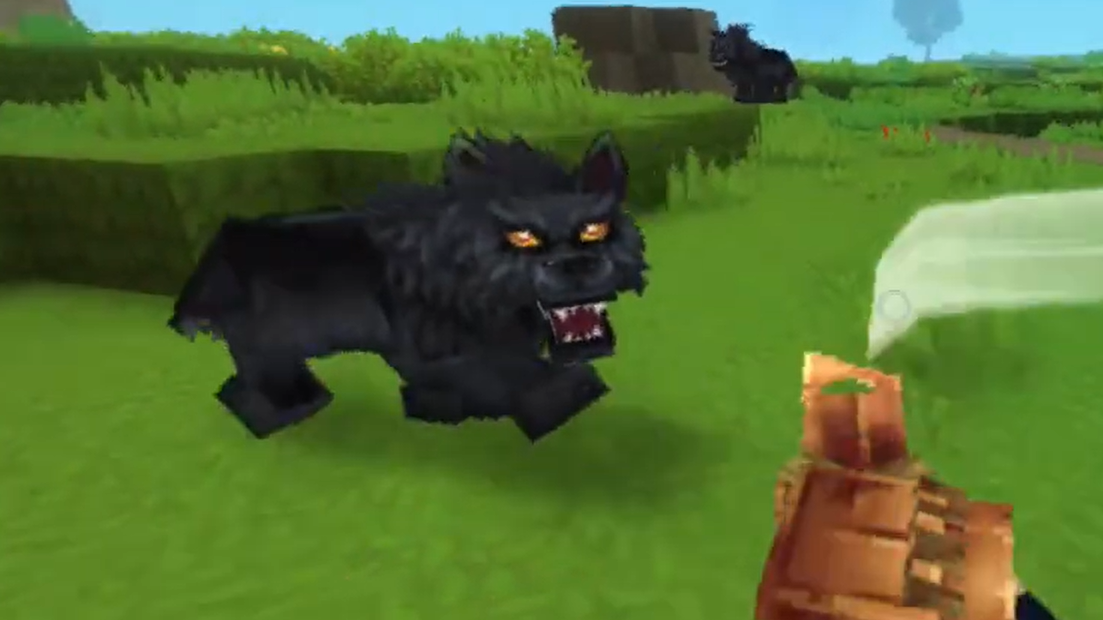
In the current Early Access version, players cannot tame wolves. They are explicitly categorized as not tameable and behave as predators, not as potential pets or mounts.
General taming tools and foods have no effect on them beyond normal combat mechanics. Feed Bags, carrots, and other lure items are designed for prey and livestock species, not for carnivores. While many animals can be pacified or guided into enclosures, wolves remain outside that system and continue to rely on standard aggro and threat logic.
Some players assume that seeing heart particles means a creature has become a pet. That does not apply to wolves. There is no supported method in vanilla Hytale to make a wolf follow the player as an ally, guard, or companion, and there is no command interface for wolves comparable to the incomplete systems that exist for dogs.
NPC wolf companions versus player limitations
In Hytale’s world, wolves are still used as companions, but only by non-player factions. Grey Wolves are described as being tamed and trained by Trork Hunters, who use them to chase down and kill prey. Arctic Wolves appear in concept art alongside fauns, implying a similar working partnership in colder regions.
These relationships are part of the game’s worldbuilding rather than a mechanic players can copy. Trork-controlled wolves, for example, function as enemy units that fight on the side of their handlers. Players encounter them as part of hostile groups rather than as recruitable animals.
The distinction is important. NPCs canonically tame and use wolves, but the player’s toolkit does not include any feature that reproduces this. The data flags that mark wolves as not tameable reflect the current state of player mechanics, even though the lore shows other characters forming bonds with them.
Protecting farms and livestock from wolves
Because wolves threaten livestock rather than joining it, base and pen design must assume they are persistent predators. A single decorative fence is not enough to keep them out or to prevent collateral damage to your animals.
Step 1: Build enclosure walls at least two blocks high. Single-block fences are treated more like visual barriers and can be jumped or exploited by both animals and predators. Two-block walls significantly reduce escape and attack paths.
Step 2: Replace natural grass inside pens with tilled soil, wood, or stone where practical. Solid floors reduce the chance of hostile mobs spawning directly within the enclosure and remove odd pathing situations that can let predators “reach” animals through blocks.
Step 3: Add lighting throughout the enclosure. Torches or lanterns inside pens keep visibility high at night and further lower hostile spawn chances. As a simple guideline, aim for a light source roughly every several blocks in large pens.
Step 4: Use secure gates or doors, ideally with a short “airlock” for larger herds. Openings are the most common escape path for livestock and the easiest entry point for wolves. A double-gate setup lets you pass through one barrier at a time without exposing the entire herd.
Reports of wolves killing livestock through incomplete or low fences highlight why enclosure design is as important as taming tools. Even though wolves cannot be converted into guards, careful building keeps them from turning your farm into their hunting ground.

Combat tips for fighting wolves
When avoiding wolves is not an option, understanding their attack rhythm makes the fight much more manageable. Their damage output is high for early-game gear, but their predictable lunges can be countered with simple techniques.
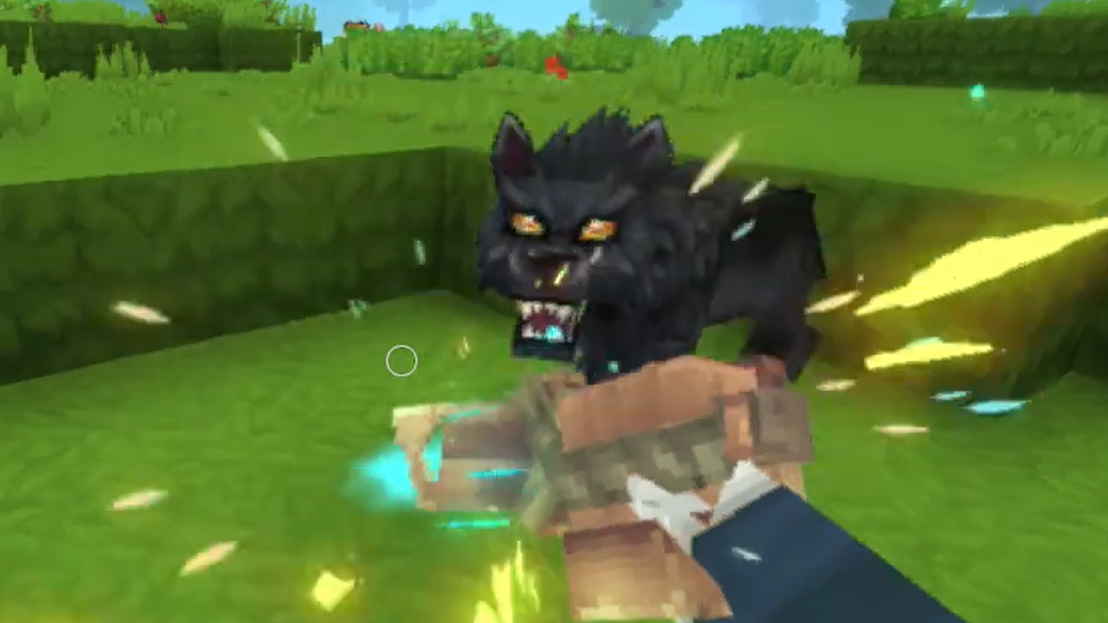
Step 1: In melee, always block the initial charge. Raise your shield or time your block as the wolf commits to its rush. This prevents the main burst of damage and sets you up for safe retaliation.
Step 2: After the attack, close the distance and land a small number of hits. The wolf typically backs away and pauses briefly after biting; that window allows roughly two to three swings with most weapons before it prepares the next charge.
Step 3: Back off and reset before the next rush. Do not stay in the wolf’s face as it begins another charge animation; instead, create a bit of space and get your block ready again. Repeating this block–counter–reset loop steadily wears down its 103 health.
Ranged combat is even safer.
Step 1: Gain elevation by climbing a small tower, rock, or structure that the wolf cannot easily path onto. Even a few blocks of extra height can be enough to break its melee reach.
Step 2: Keep the wolf aggroed by staying within detection range and landing occasional hits. As long as it remains focused on you, it will typically stay near your structure instead of wandering off.
Step 3: Use bows or other ranged weapons to chip it down while it circles below. With a clear line of sight and no risk of being bitten, even lightly geared characters can kill wolves using this method.
The combination of solid blocking fundamentals and simple terrain advantage turns what looks like a dangerous predator into a manageable encounter, especially in one-on-one situations.
Where wolves fit in the current Hytale taming system
Hytale’s Early Access animal systems are intentionally limited. Breeding is not implemented in vanilla, baby animals do not mature into adults, and there is no permanent pet bonding for farm animals or predators. Dogs and other potential companions exist in the world, but their command sets remain incomplete.
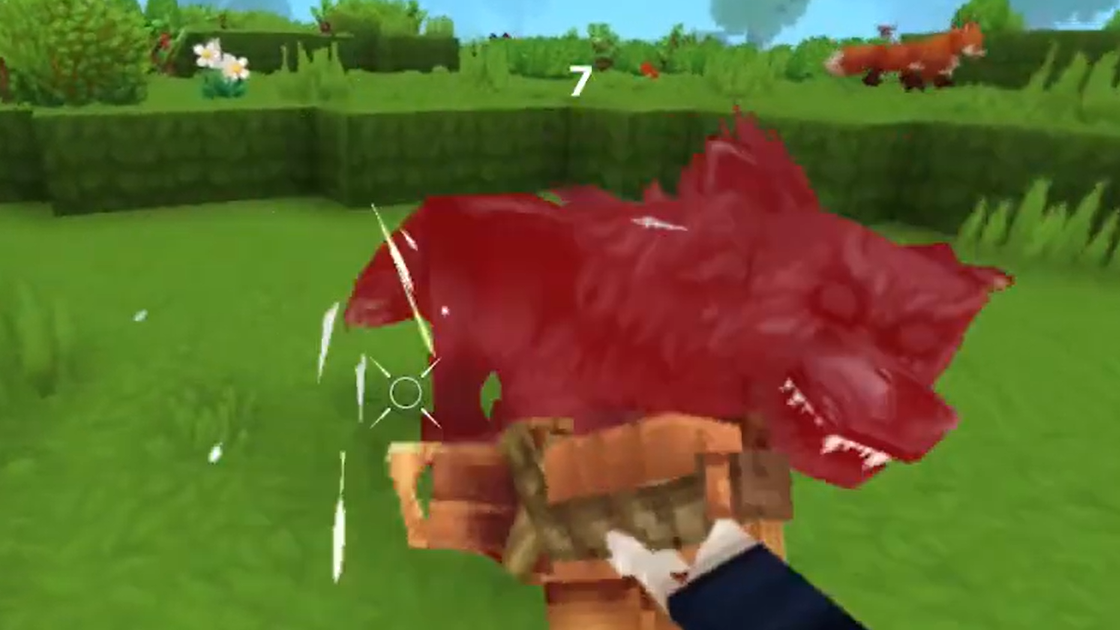
Within that framework, wolves occupy a clear role. They are combat-oriented predators with meaningful drops, positioned as a threat to both players and livestock. They are not candidates for the temporary pacification tools built around the Feed Bag and Capture Crate, and they are explicitly excluded from current taming logic.
Some community mods extend animal behavior with breeding, growth stages, and more complex resource loops, adding systems that do not exist in the base game. Those modifications focus on livestock and general husbandry rather than converting hostile wolves into companions, and their behavior remains separate from what vanilla Hytale supports.
For now, the practical approach is simple: treat wolves as dangerous wildlife. Build enclosures strong enough that they cannot exploit them, use luring and capture tools only on non-predator animals, and rely on good combat fundamentals when a wolf encounter becomes unavoidable. If full-featured wolf companions ever arrive, they will sit on top of this foundation of clear predator behavior and farm-focused taming tools.