

The Lupo are an Ancient race in Arknights, distinguished by their wolf-like traits and a complex family culture rooted in historical conflict with lupine Beast Lords. Most Lupo originate from Siracusa, Terra's equivalent of Italy, where their strict family hierarchies gave rise to the mafia-inspired organizations seen throughout the game's lore.
Quick answer: Lupo are wolf-based Ancients with pricked ears and bushy tails, separated from Perros due to cultural and biological differences. They suppress emotional tail and ear movements, value family symbols, and predominantly inhabit Siracusa and eastern Leithanien.

Physical Traits and Biological Differences
Lupo share visible similarities with Perros, including pricked ears and bushy tails, but their hair is generally coarser and harder. This physical distinction helps separate them from the broader Perro group, which also includes Vulpos and Reprobas. The name "Lupo" derives from the Italian word for wolf, with Latin roots in lupus.
Gambino is the only known bestial Lupo, a rare variation within the race.
Family Culture and Mafia Origins
Lupo family structures operate opposite to Perro traditions. Rather than treating relatives and friends with warmth, Lupo families treat members as subordinates, fostering strong antagonism between competing families. They emphasize family identification through dyed tails, earpieces, and family symbols.
Banishment from a Lupo family results in the label "lone wolf," a derogatory term for outcasts. This harsh social structure traces back to the influence of the Signori dei Lupi, lupine Beast Lords who selected "Fangs" as proxies in their ongoing battle royale. The Signori's beastkin wolves constantly attacked ancient Lupo communities, forcing them to organize into rigid family orders for survival. This historical pressure directly shaped the mafia culture prevalent among modern Lupo.
Behavioral Suppression and Communication
Lupo learned to suppress ancestral behaviors inherited from Perros. A Lupo soldato in a mafia uses hand signals instead of tail and ear movements to express emotions. Even non-famiglia Lupo often avoid using their tails and ears for communication, believing it causes unnecessary exhaustion.
This controlled demeanor contrasts sharply with Perros, who freely display emotions through their animal traits.
Geographic Distribution
Siracusa holds the largest Lupo population and serves as their homeland. Eastern Leithanien has the second-largest population due to its shared history with Siracusa before Leithanien's independence in Terran year 979. Victoria and Ursus also host significant Lupo communities.
Notable Lupo Operators
Playable Lupo Operators include Aosta, Aroma, Bassline, Figurino, Horn, Lappland, Lappland the Decadenza, Lunacub, Matsukiri, Penance, Pozëmka, Projekt Red, Provence, Quartz, Reserve Operator - Sniper, Texas, Texas the Omertosa, and Vigil. Leontuzzo Bellone, known as Vigil, serves as a prominent example of the race.
Non-playable characters include Alberto Saluzzo, Ben, Bernardo Bellone, Capone, Danbrown Leopardi, Demetri Certaldo, Eirene Lavazza, Fabrizio Venezia, Gambino, Gertrude Strollo, Meng Tieyi, Rubio, Signora Sicilia, Sommer, and Umberto de Montano. Additional notable Lupo appear in side stories, such as Silva Moretti in Prelude Suite: Old Wounds and Georgia, Rosa, and Dante in Angelina: Sketches of This Messenger's Journey.
Lupo in Arknights: Endfield
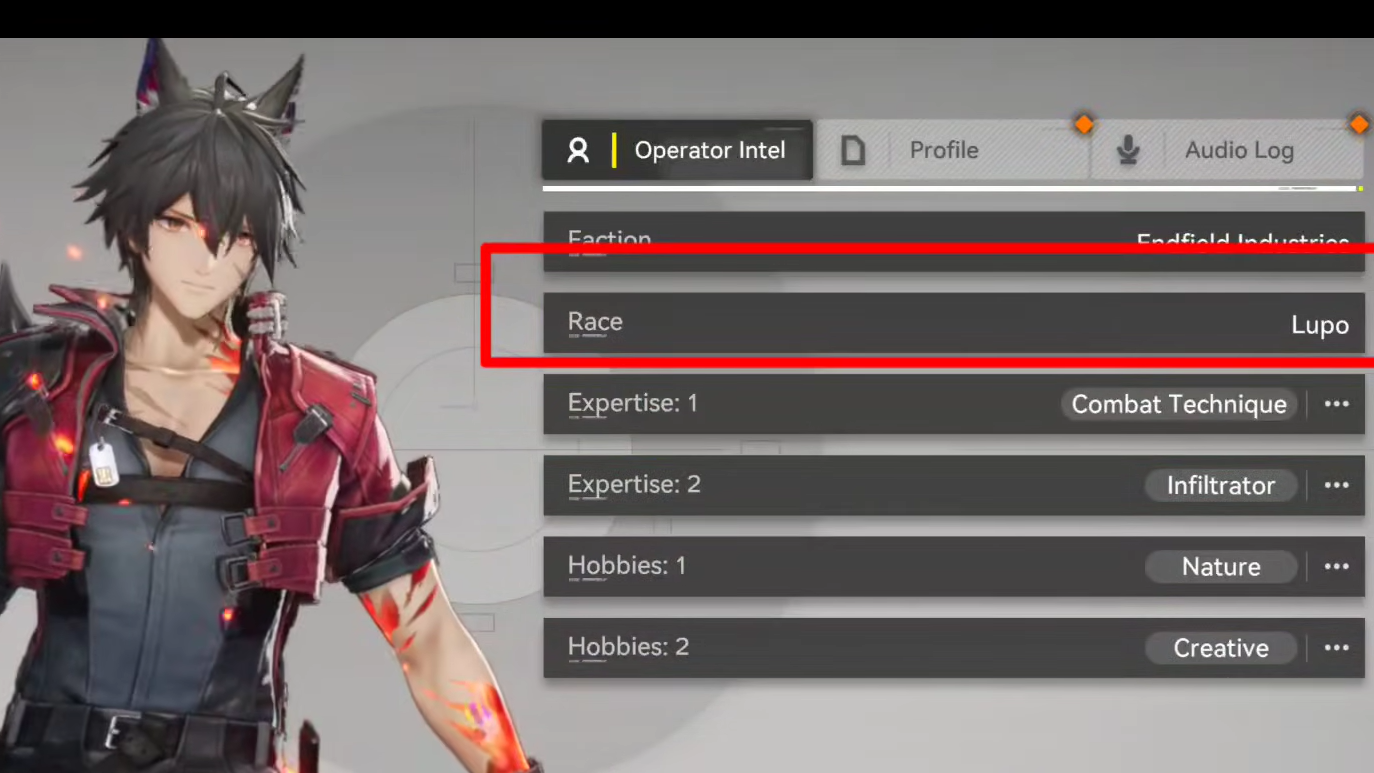
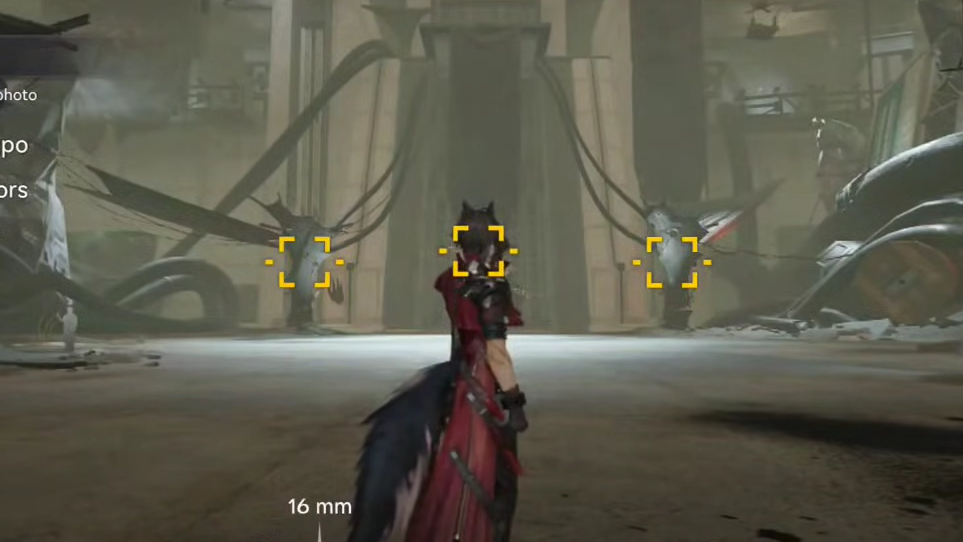
Lupo also appear in Arknights: Endfield, maintaining the same wolf-based traits and cultural characteristics. Wulfgard is a notable Lupo character in this spin-off title.
Real-World Connection
Italy is one of the few European regions where wolves were not completely driven to extinction. This historical fact directly influenced the decision to make Siracusa, Terra's Italy analogue, the Lupo homeland.
The Lupo race embodies the intersection of biological heritage and cultural adaptation, shaped by centuries of conflict and survival. Their mafia-inspired family structures and emotional restraint make them one of Arknights' most distinctive Ancient races.