

Marathon, Bungie's extraction shooter, is built around three-player squads dropping into hostile maps filled with AI enemies, environmental hazards, and rival players. But you don't need a team to play. Solo queuing is officially supported, and the game even includes a class designed exclusively for lone wolves. The catch is that going in alone puts you at a significant disadvantage — and understanding why is the first step toward making it work.
Quick answer: Yes, you can play Marathon solo by selecting the solo option at the matchmaking screen, but there is no dedicated solo-only server — you will be matched into lobbies that include full three-player squads.

No dedicated solo lobbies
The biggest obstacle for solo players is the matchmaking structure. Marathon does not separate solos into their own queue. When you launch a run alone, your lobby will contain a mix of other solo players and organized trios. That means you can round a corner and run straight into a coordinated three-stack with comms, shared callouts, and the ability to revive each other. You have none of those luxuries. Every fight is inherently lopsided, and there is no self-revive unless you bring a self-res kit in your backpack.
AI robot enemies (UESC forces) and environmental conditions like extreme heat add further pressure. In a squad, teammates can cover you while you heal or distract bots while you loot. Solo, every threat compounds because there is no one to share the load.

Runner shells that suit solo play
Marathon launches with six runner shells, each filling a distinct role. Not all of them translate well to a solo run. Two stand out for players without a squad:
| Shell | Role | Why it works solo |
|---|---|---|
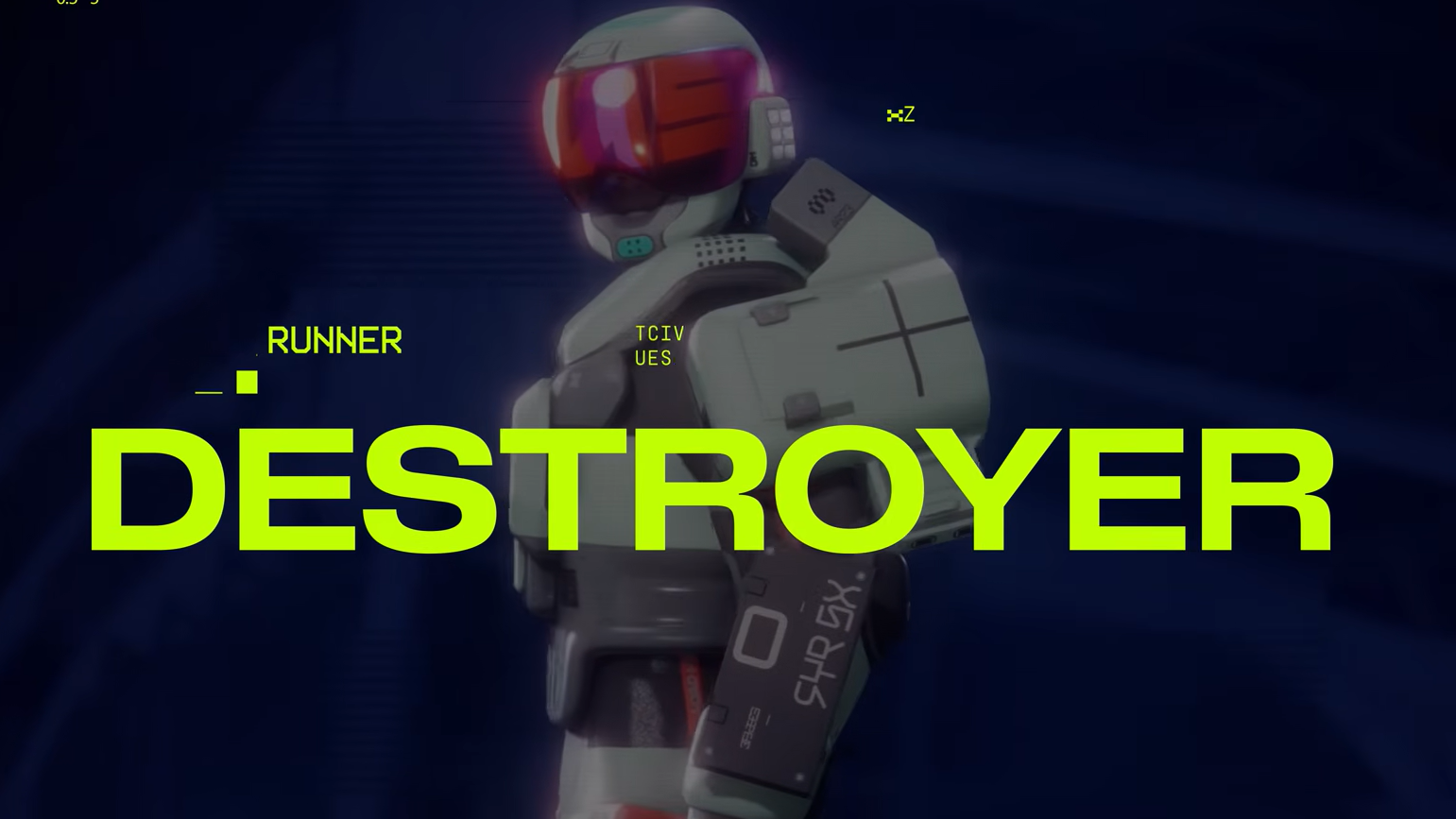
| Destroyer | Tank | Extra shield capacity absorbs burst damage, giving you time to disengage from outnumbered fights |
| Thief | Stealth | Built for avoiding combat entirely — ideal for scavenging runs where extraction matters more than kills |
Experienced players during the alpha and Server Slam testing have also gravitated toward Void and Glitch as strong solo picks. Void offers invisibility, a smoke screen, and a dive ability — a toolkit that lets you slip out of bad engagements before a trio can collapse on you. Glitch trades stealth for raw speed, making it possible to simply outrun pursuers. The tradeoff is that Glitch lacks the element of surprise; if an enemy spots you first, speed alone may not save you.
Shells like Locust are harder to justify when playing alone because their kits lean toward team synergy rather than individual escape.
The Rook class — built for solo only
Marathon includes a unique class called the Rook that sits outside the standard shell system. It is locked exclusively to solo play and behaves differently from every other option in the game.
When you deploy as a Rook, you drop into an already-running match rather than starting fresh with everyone else. Other players in the lobby receive no notification that you've arrived. On top of that, the Rook's ability hides you from all UESC AI enemies in the lobby. Bots will ignore you completely, which removes one of the two major threat layers solo players normally face.
The result is a class purpose-built for quick, low-risk scavenging. You slip in, grab materials, and extract before anyone realizes you were there. It is not designed for aggressive play or extended firefights — if a real player spots you, you still have to deal with the same lopsided numbers problem every solo faces. But for players whose goal is resource gathering rather than combat, the Rook is the most forgiving path available.

Loadout priorities when running alone
Gear choices shift meaningfully without teammates. A self-res kit is essentially mandatory since no one else can pick you up. Stock up on healing items — advanced patch kits let you recover to full health quickly after a fight, and shield charges keep your defenses topped off between encounters.
Energy amps are worth carrying because they accelerate your ability recharge rate. For stealth-oriented shells like Void, that means getting your invisibility back faster, which directly translates to more escape options. On the equipment side, claymores can cover your retreat through doorways if someone is chasing you, while grenades offer more offensive flexibility.
Weapon loadouts for solo tend to favor versatility. Pairing a close-range weapon like a shotgun or SMG with a sniper rifle covers both ambush scenarios and longer-range picks. If you catch a trio off guard with a sniper headshot, you can even the numbers before they close the distance.
Bring the largest backpack you can afford to lose. Higher-tier bags (blue or purple) let you extract more loot per run, which matters when each solo deployment carries meaningful risk. Avoid bringing your most valuable shields or gear on solo runs — the risk-reward math favors expendable loadouts you won't regret losing.
Playing smart as a solo
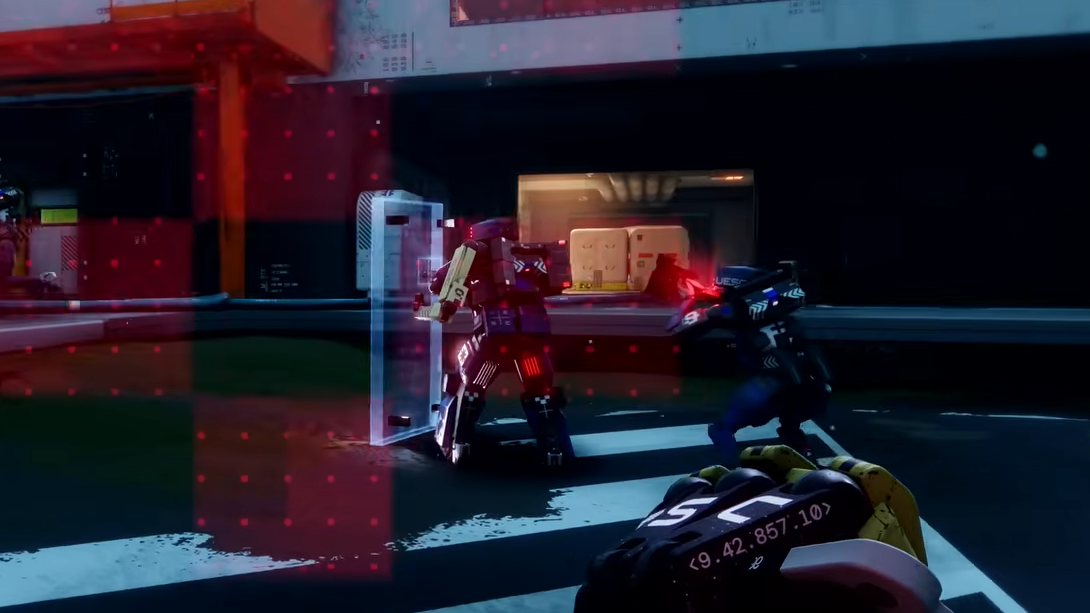
The mental approach to solo Marathon is fundamentally different from squad play. You need a specific objective before you deploy. Pick a contract, identify which zone holds the items you need, and plan your route in and out. Wandering aimlessly burns time and increases the chance of stumbling into a squad.
Movement discipline matters more than aim. Stick to the edges of the map when possible, avoid high-traffic areas unless your objective demands it, and save your escape abilities for genuine emergencies rather than burning them early. Weather events and environmental hazards can actually work in your favor by reducing visibility and forcing squads to spread out.
Audio awareness is critical but imperfect — runner footstep audio has been inconsistent during early testing, so rely on visual information as much as sound. If you spot a squad before they spot you, you've already won the most important exchange. Disengage, reroute, and extract.
Solo play in Marathon is viable, but it demands patience and discipline that squad play does not. The game rewards players who treat each run like a heist rather than a deathmatch — get in, grab what you need, and get out before the odds catch up with you.