

The Defect returns in Slay the Spire 2 as the Spire's resident elemental orb specialist, but veterans of the original game will quickly notice that the character plays very differently now. Focus has been fundamentally reworked, several key cards have shifted rarity or left the pool entirely, and new archetypes like Dark Orb builds and status-card strategies have opened up. If you're struggling to replicate your old Frost-Focus dominance, that's by design — and adapting early is the fastest way to start climbing ascensions.
Quick answer: Prioritize damage output in Act 1 over defensive Frost stacking, lean into Dark Orb or Claw builds for consistent scaling, and treat Defragment as a rare luxury rather than a guaranteed pickup.
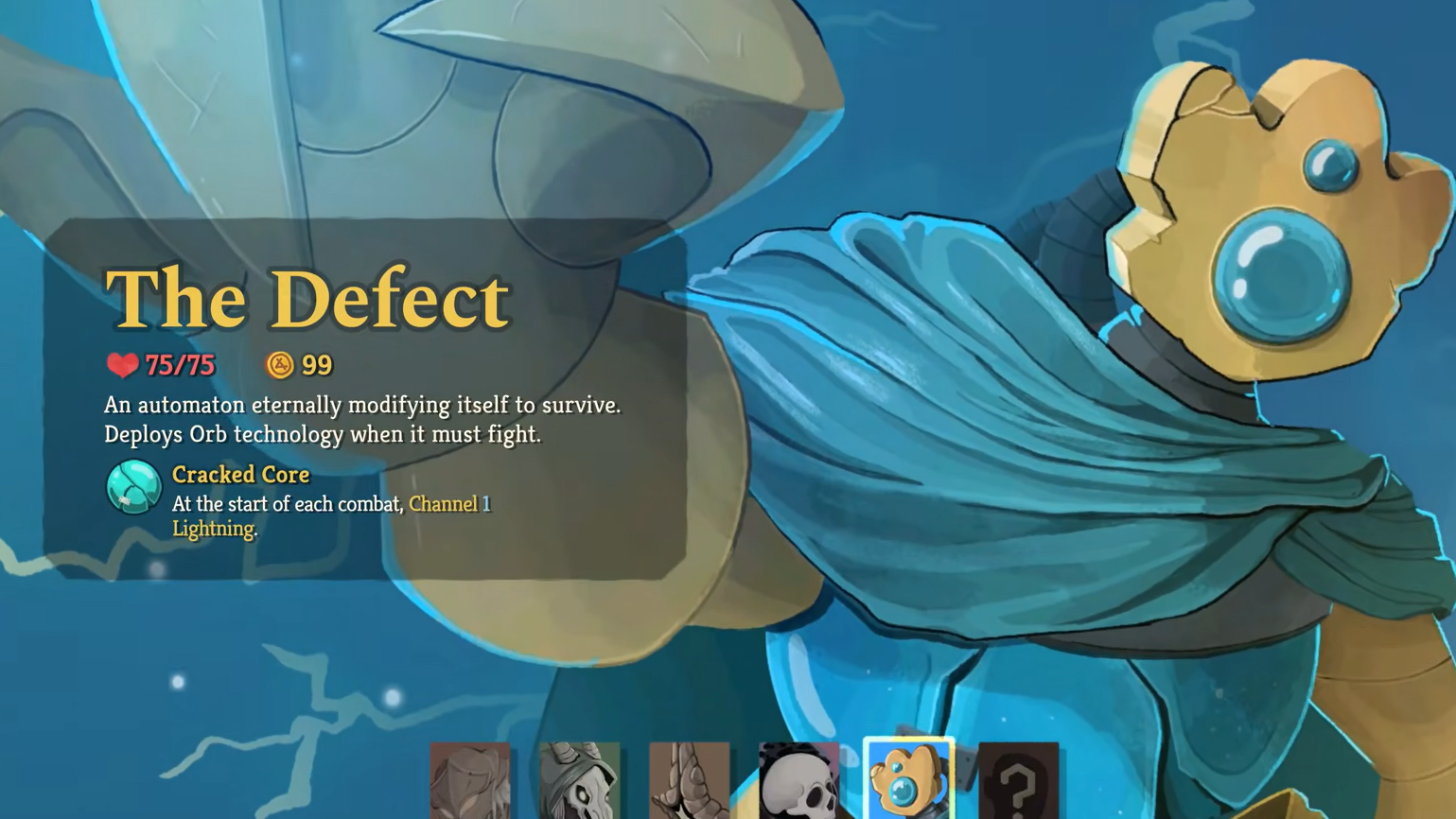
The Defect's Starting Kit and Core Identity
The Defect begins every run with the Cracked Core relic, which automatically Channels one Lightning Orb at the start of each combat. This gives you a small passive damage tick from turn one and sets the tone for the character's central mechanic: Channeling elemental Orbs into slots, where they provide end-of-turn effects, and Evoking them (pushing them out) to trigger a stronger one-time burst.
Four Orb types exist for the Defect. Lightning deals damage passively and on Evoke. Frost generates Block. Dark accumulates damage over time and unleashes it all when Evoked. Plasma grants extra Energy. A new addition, the Glass Orb, provides AoE damage but ticks down from a base of four each turn, eventually disappearing if you don't Evoke it in time.
| Strength | Weakness |
|---|---|
| Diverse playstyles across multiple archetypes | Less burst damage than other characters |
| Strong Power card options | Some cards force trade-offs between immediate and long-term value |
| Unique Orb mechanics for passive offense and defense | RNG elements in Orb generation (e.g., Chaos) |
| Can heal after combat (Self Repair still exists) | Expensive Powers are riskier with limited Energy |
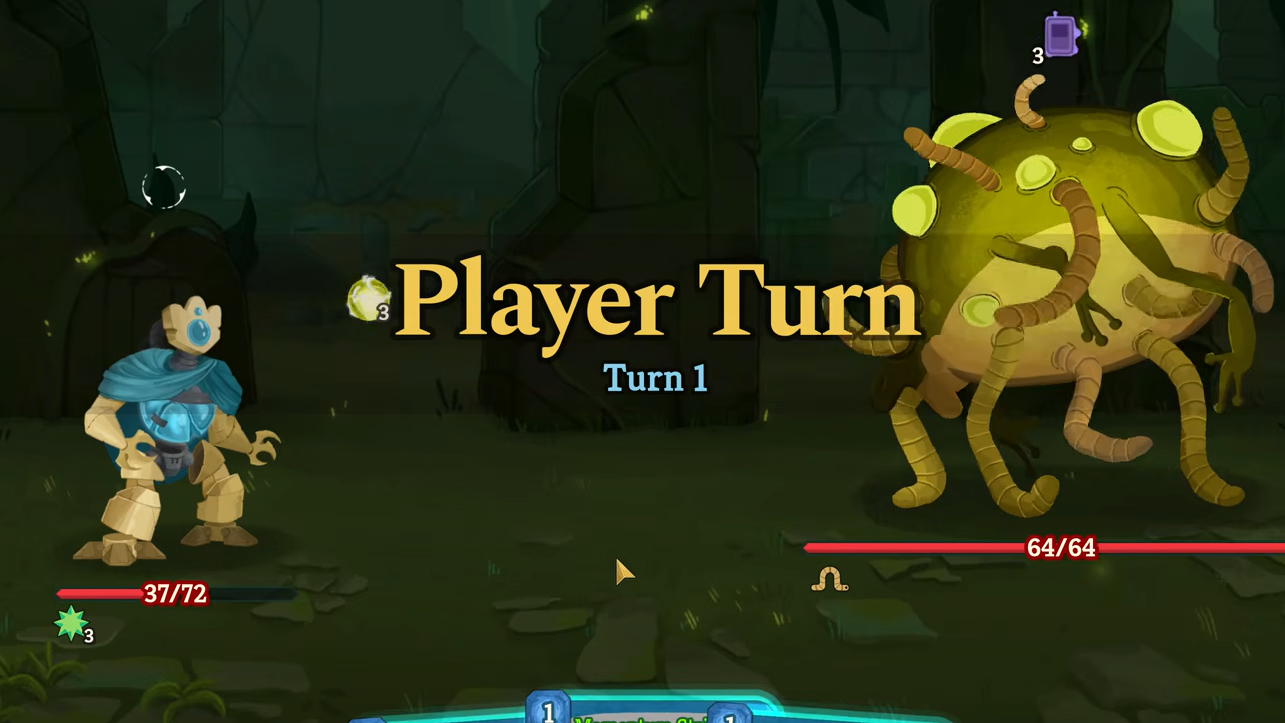
How Focus Changed From Slay the Spire 1
The single biggest shift for the Defect is that Focus no longer functions as an easily stackable permanent buff. In Slay the Spire 2, most Focus gains are temporary — they apply for the current turn and then revert. This completely undermines the original game's dominant strategy of stacking Defragment and Biased Cognition early, then letting Frost Orbs generate enormous Block every turn while you waited enemies out.
Defragment itself has been bumped from Uncommon to Rare, making it far harder to find in early card rewards. Biased Cognition has been removed from the standard rare card pool entirely and is now only available as an Ancient reward, dramatically reducing how often you'll encounter it. Consume appears to have been cut from the game altogether.
The practical result is that the old Frost-Focus turtle strategy is no longer reliable, especially in Act 1. Without permanent Focus to amplify your Frost Orbs, picking up Glacier or other defensive Frost cards too early leaves you unable to kill hallway fights and elites before they grind you down. Offense is now the best defense in the early game.
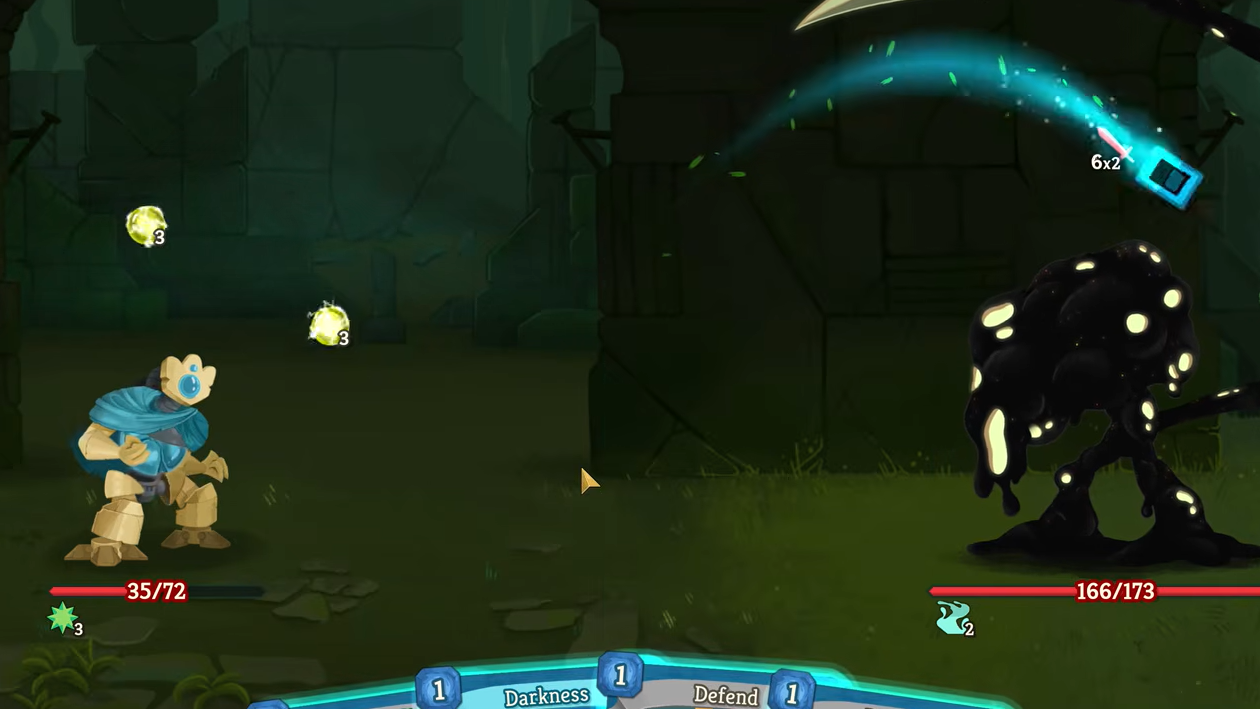
Claw Deck — The 0-Cost Spam Machine
Claw decks are back and arguably stronger than before. The archetype revolves around playing as many 0-Energy attack cards as possible in a single turn, with each Claw played increasing the damage of all future Claws for the rest of combat. The key new addition is Feral, a Power card that returns the first 0-Energy card you play each turn back to your hand — essentially doubling your Claw plays without any extra draw needed.
Key cards for the Claw build
| Card | Rarity | Role |
|---|---|---|
| Claw | Common | Core damage card; scales with every play |
| Momentum Strike | Common | Can be reduced to 0 Energy, synergizing with the archetype |
| Beam Cell | Common | Applies Vulnerable cheaply |
| Go for the Eyes | Common | Applies Weak cheaply |
| Flash of Steel | Common | Cantrip that keeps your hand cycling |
| Scrape | Uncommon | Primary cycling engine; draws cheap cards and discards expensive ones |
| FTL | Uncommon | 0-Energy card with minor draw attached |
| Hologram | Uncommon | Retrieves Claw, Scrape, or All for One from discard; upgrade removes Exhaust |
| All for One | Rare | Pulls all 0-cost cards from your discard pile back into hand |
| Feral | Rare | Returns first 0-Energy card played each turn to hand; like a cheaper Echo Form for zero-cost cards |
| Panache | Rare | Triggers bonus damage after playing five cards in a turn |
Skim and Machine Learning help with card draw, which is the Claw deck's main bottleneck — your cards are cheap, but you need to find them. Secret Weapon can tutor out All for One or Scrape to jumpstart your engine on critical turns.
Best relics for Claw
Relics that trigger on playing multiple attacks per turn are exceptional here. Nunchaku, Shuriken, Kunai, Ornamental Fan, and Kusarigama all activate frequently when you're chaining 0-cost cards. Iron Club provides extra draw, and Power Cell helps you get started.
Even though Claw decks don't rely on Orbs, channeling a few Frost Orbs for passive Block can shore up your defense without costing Energy.
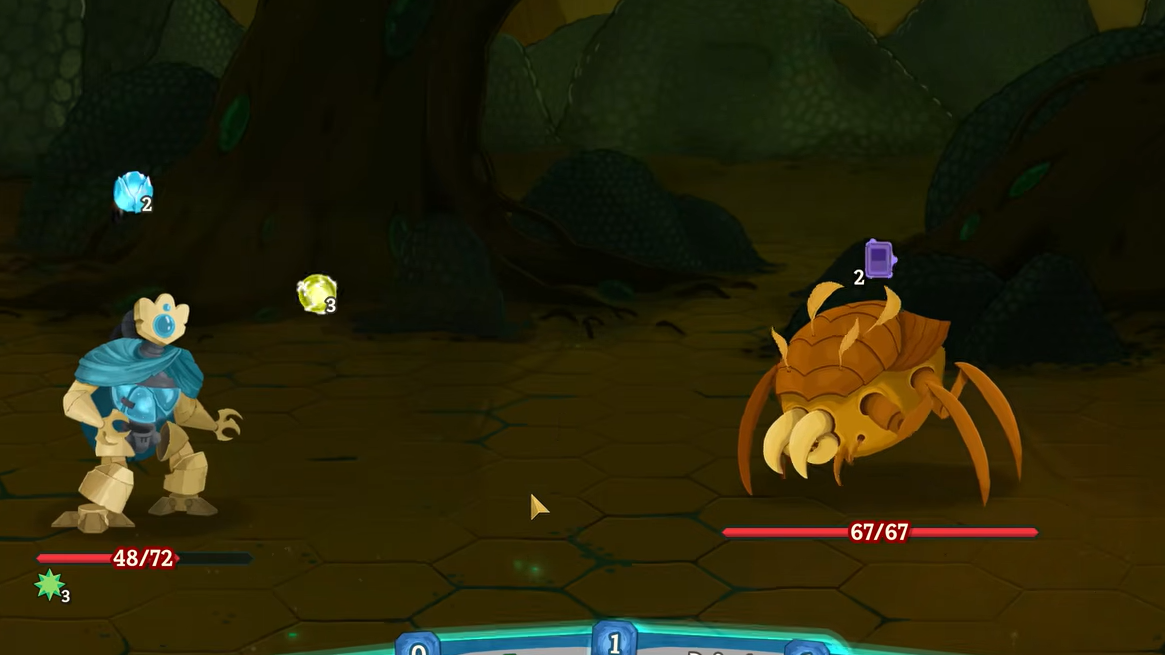
Lightning and Frost Orb Deck — Balanced Orb Cycling
The balanced Orb deck focuses on Channeling Lightning and Frost Orbs, cycling through them via Evoke, and amplifying their effects with Focus where possible. It's the most straightforward Defect archetype and works well as a fallback when you don't find the pieces for a more specialized build.
Key cards for the Orb deck
| Card | Rarity | Role |
|---|---|---|
| Ball Lightning | Common | Early damage plus Lightning Orb |
| Cold Snap | Common | Damage plus Frost Orb for defense |
| Coolheaded | Common | Frost Orb plus card draw (draws 2 when upgraded) |
| Barrage | Common | Hits once per Orb in your slots; often ~15 damage for 1 Energy |
| Compile Driver | Common | Strong draw tool |
| Glacier | Uncommon | Solid Block plus two Frost Orbs |
| Capacitor | Uncommon | Adds Orb slots for more end-of-turn triggers; pairs well with Focus but slows Evoke |
| Thunder | Uncommon | Accumulates damage as you cycle Orbs |
| Defragment | Rare | Permanent Focus; take and upgrade every copy you find |
| Multi-Cast | Rare | Evokes your first Orb multiple times; devastating with Dark or high Focus |
| Voltaic | Rare | Late-fight finisher; excess Orbs are instantly Evoked |
Chaos works like Zap but can randomly Channel Dark or Plasma Orbs, giving you access to Energy generation or big damage spikes. Loop doubles down on your first Orb's passive effect each turn, which is powerful with Focus. Hailstorm adds AoE damage whenever you Channel Frost. Tesla Coil passively Channels Lightning whenever an enemy intends to attack, and it scales well with extra Orb Slots and Focus.
Best relics for the Orb deck
Emotion Chip triggers all your Orbs' passive effects when you take damage, which is strong if you can manage incoming hits. Gold-Plated Cables provides a straightforward Orb bonus. Metronome builds toward free AoE damage as you Channel frequently. Data Disk grants Focus from the start of combat. Runic Capacitor adds Orb Slots, which is most valuable in Frost-heavy or Dark-heavy builds where you want Orbs to sit and accumulate.
Defect decks tend to include many Power cards, so Power-synergy relics like Lost Wisp, Game Piece, and Jeweled Mask are consistently useful.
Dark Orb Builds — The Sleeper Strategy
Dark Orbs received meaningful buffs in Slay the Spire 2. The Darkness card now provides a stronger buff when upgraded, and several new cards Channel Dark Orbs or interact with them directly. Consuming Shadow is a standout — it Channels two Dark Orbs and Evokes your leftmost Orb at the end of the turn, which means you don't need to fill all your Orb Slots before triggering Evoke effects. You can summon an Orb and have it fire off immediately.
Dark Orbs pair exceptionally well with Multi-Cast, since a fully charged Dark Orb Evoked multiple times can one-shot most enemies. The strategy involves Channeling Dark Orbs, protecting them behind Frost Orbs (which provide Block while the Dark Orbs charge), and then unleashing everything with Multi-Cast or by naturally cycling through your slots.
New Archetypes — Status Cards and the Glass Orb
Slay the Spire 2 introduces a status-card archetype for the Defect. Cards like Flack Cannon, Smoke Stack, Fight Through, and Compact create or interact with status cards in your deck. While this build path is less proven than Claw or Orb strategies, it represents a genuinely new way to scale damage and offers an alternative when traditional card rewards aren't cooperating.
The Glass Orb is the Defect's new Orb type, dealing AoE damage that ticks down each turn from a starting value of four. Slay the Spire 2 features significantly more multi-enemy encounters than the original, making AoE more valuable across the board. The Glass Orb's main limitation is that very few cards currently Channel it, so building around it exclusively is difficult.
General Tips for the Defect in Act 1
The most common mistake Defect players make coming from the first game is drafting defensively too early. Frost cards without Focus backing them up don't generate enough Block to survive Act 1's aggressive hallway fights and elites. You need to prioritize damage cards in your first several picks. Ball Lightning, Cold Snap (which still deals damage while Channeling Frost), and Beam Cell are all solid early pickups that let you kill enemies before they overwhelm you.
Energy management is tighter in Slay the Spire 2 overall. Getting above three Energy per turn is harder than it was in the original, which makes expensive Powers like Creative AI and Echo Form riskier to play. Spending your entire turn on a single 3-cost Power means taking a full round of attacks with no Block, and the enemies in this game hit harder and faster. Evaluate whether you can afford the tempo loss before committing to expensive setup cards.
Meteor Strike remains extremely powerful when you can afford its cost, and Hyperbeam still functions as a devastating damage option. Both reward builds that can generate extra Energy through Plasma Orbs or Turbo.
The Defect in Slay the Spire 2 rewards flexibility. Old habits around Frost stacking and permanent Focus need to be unlearned, but the character's expanded toolkit — from buffed Claws and Feral to Dark Orb scaling and status-card interactions — means there are more viable paths to victory than ever. Read what the run gives you, draft aggressively early, and let your build take shape around the strongest cards you find.