

Monster Hunter Stories 3: Twisted Reflections brings back element manipulation in a completely new form. Rather than swapping genes on existing monsties the way the original game handled it, the third entry ties elemental changes to the habitat restoration system. You'll be releasing monsties into specific regions of the map, raising ecosystem ranks, and collecting mutated eggs that carry a second element.
Quick answer: Release monsties into a habitat zone that corresponds to the element you want, raise the ecosystem rank as high as possible, then collect eggs from that area. Hatched monsties from those eggs have a chance to carry the area's element as a secondary typing.
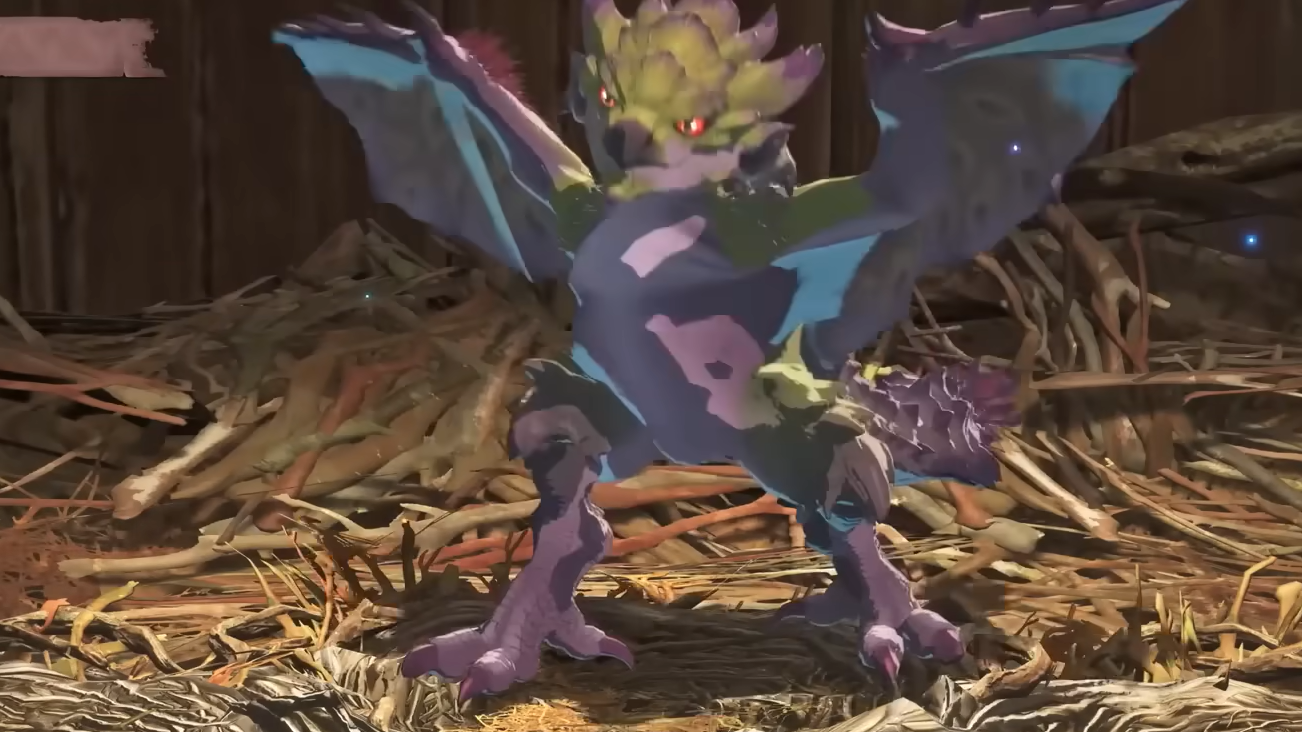
How elemental mutation works in habitat restoration
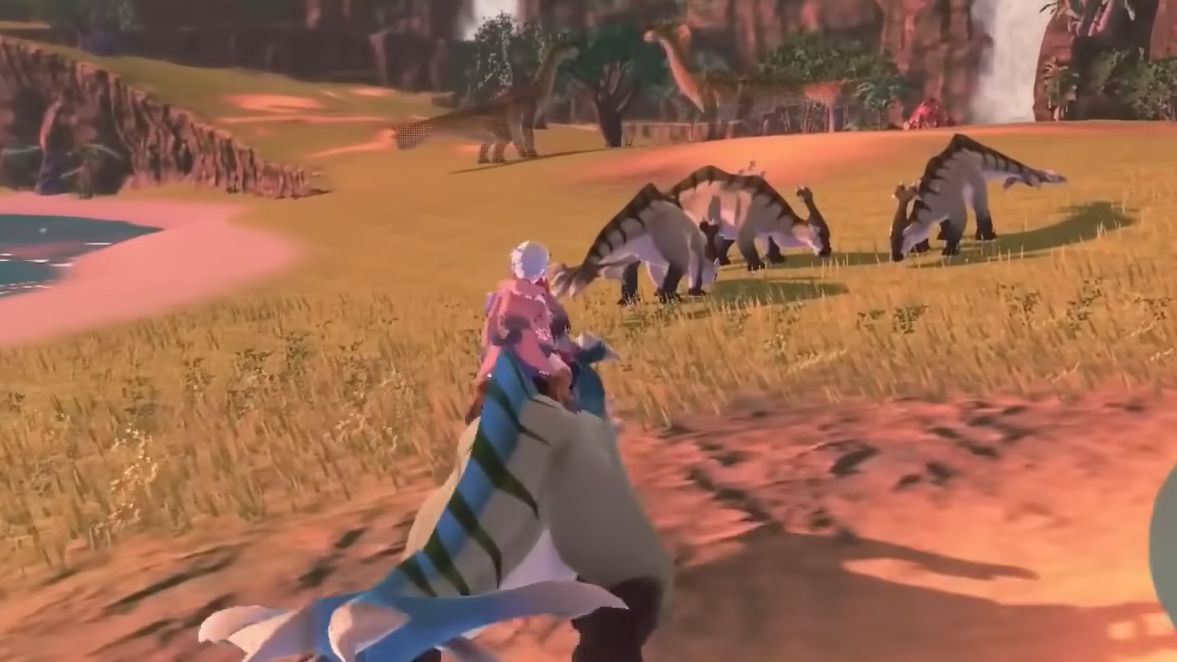
Every explorable area on the map has an element assigned to it. When you visit a camp in one of these areas, you can release monsties into the local habitat. Doing so raises the ecosystem rank for that zone. As the rank climbs, eggs found in that area gain an increasing chance of acquiring the zone's designated element as a secondary type. The higher the ecosystem rank, the better your odds of finding a dual-element egg.
The practical loop looks like this: gather eggs for the monstie species you want, hatch them, release the ones you don't need into the target habitat, and then search for new eggs in that same area. Once the ecosystem rank reaches S, the probability of pulling a mutated egg is at its highest. You may still need to hatch several eggs before landing the dual-element variant you're after.
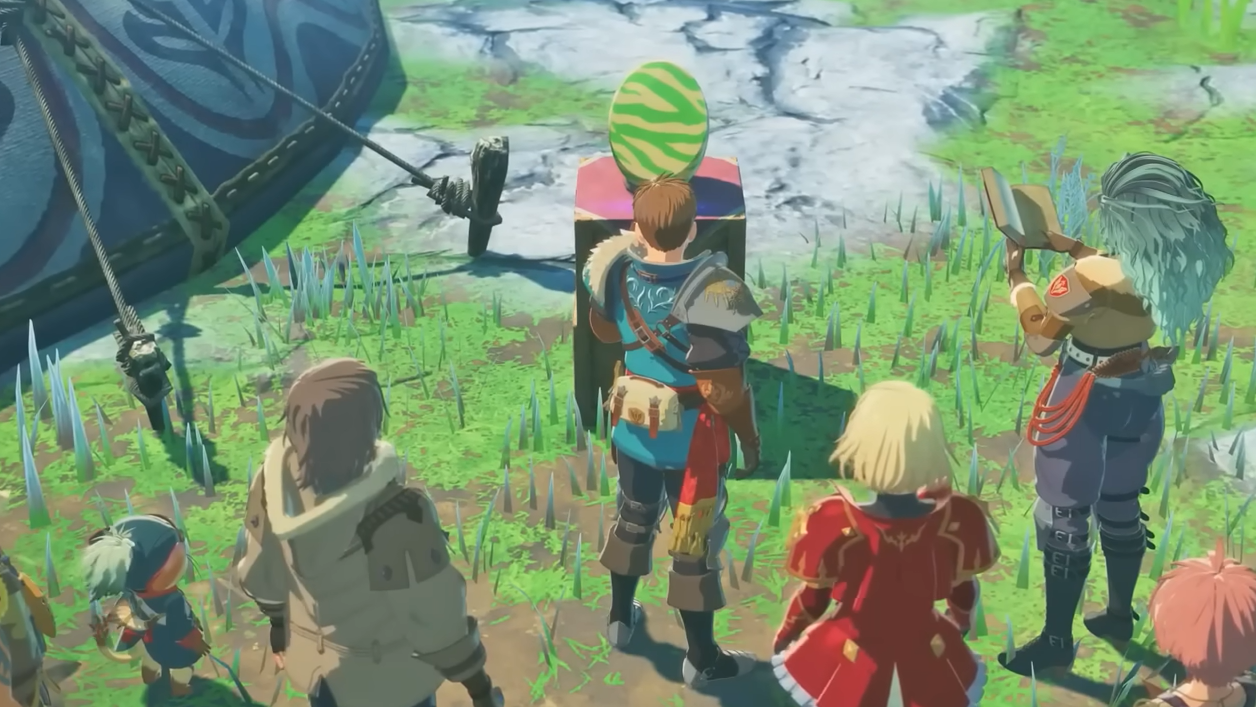
Area element map
| Element | Area |
|---|---|
| Fire | Sunpetal Plains |
| Electric (Thunder) | Broadleaf Basin |
| Water | Mirror Lake |
| Non-element | Blightstone Woods |
If you want a Water-type variant of a Thunder monstie, for example, you'd focus your efforts at Mirror Lake. Release Thunder monsties there, build the ecosystem rank, and hunt for eggs in that zone until a Water-mutated version appears.
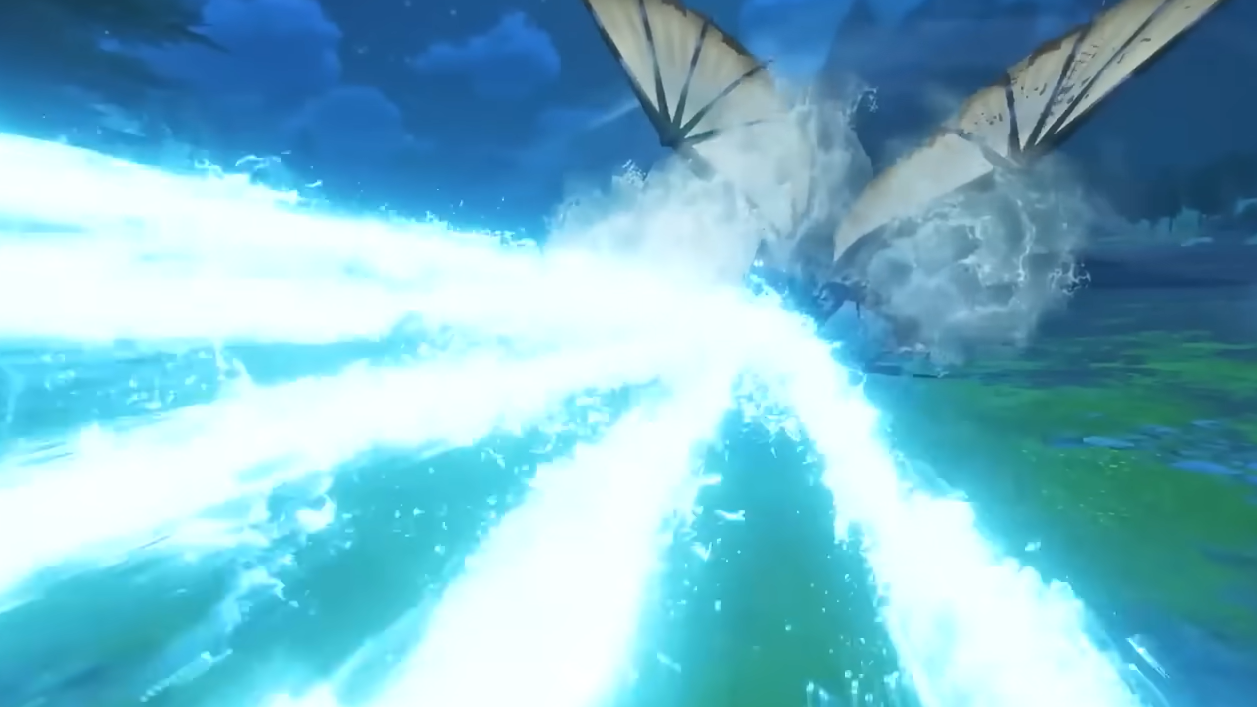
Double typing with matching elements
An interesting edge case happens when you release a monstie into a habitat that matches its existing element. A Fire monstie released into Sunpetal Plains can produce eggs with double Fire typing. This isn't redundant — double typing of the same element expands the monstie's available skill pool to include unique egg skills that single-typed versions can't access. If you're chasing specific gene builds, this is worth exploring deliberately.
What dual elements change on your monstie
Dual-element monsties differ from their standard counterparts in two significant ways. First, their appearance changes. Each elemental variant has a distinct color palette or visual mutation, giving you a wide range of looks even within a single species. You can preview these alternate appearances in your Monsterpedia by cycling through each elemental version before committing to a particular mutation target.
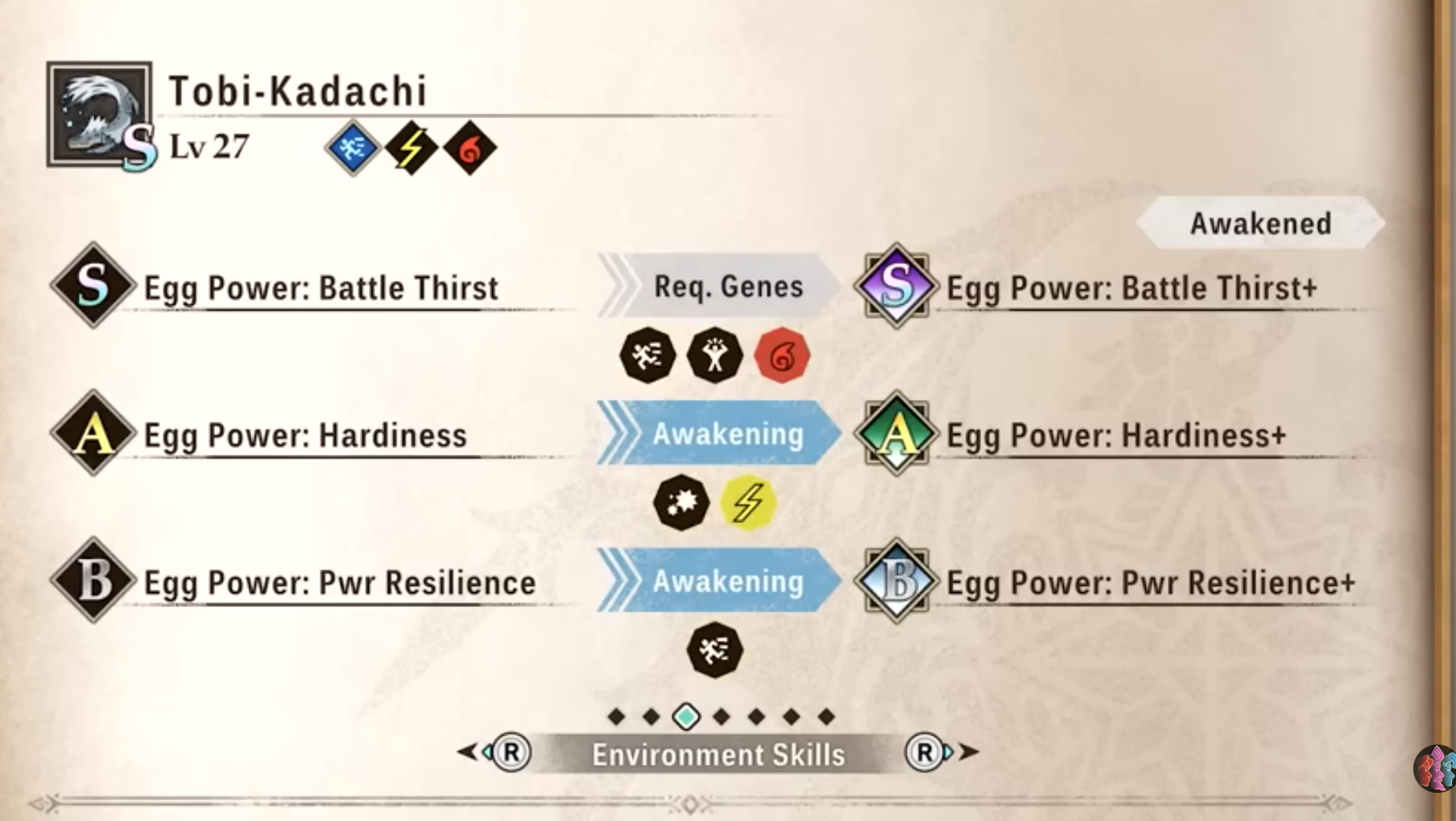
Second, dual-element monsties gain additional genes and skills tied to their acquired element. This opens up new strategic options for element coverage in battle. A normally single-element monstie suddenly has access to moves from a second element, letting you build more versatile teams without needing to swap party members as often.
Secondary elements are permanent
Once a monstie hatches with a secondary element, that element cannot be removed. There is no way to revert a dual element monstie back to its original single-typed form. Plan your targets carefully before investing time into raising ecosystem ranks and farming eggs. Decide which element pairing you actually want on a given species before you start the habitat restoration grind.
How this differs from earlier games in the series
Element changing has a complicated history across the Monster Hunter Stories franchise. In the original game, you could alter a monstie's element through the Rite of Channeling by stacking elemental attack genes until the new element's value exceeded the original. A non-elemental monstie like Aptonoth needed +4 in a given elemental attack stat to express that element, while already-elemental monsties required overpowering their innate element with a higher value in the target element — typically +5 or more, depending on the species.
Monster Hunter Stories 2: Wings of Ruin effectively removed this feature. While traces of the system existed in early builds due to shared code from the first game, element swapping was not a supported mechanic and was eventually patched out. Monsties' natural elemental attack stats scaled with level, meaning any gene-based override would be outgrown by roughly level 35.
Stories 3 takes a fundamentally different approach by tying elemental changes to the habitat restoration loop rather than gene manipulation. Instead of overwriting an existing element, you're hatching entirely new monsties that are born with dual typing. It's a cleaner system that avoids the threshold confusion players ran into with the original game's gene stacking.
Monster Hunter Stories 3: Twisted Reflections launches on March 13, 2026. If you're jumping in now, the dual-element system won't be available immediately — you'll need to progress far enough to unlock habitat restoration at camps before you can start working toward mutated eggs. Once you do, targeting specific area elements and grinding ecosystem ranks becomes one of the most rewarding endgame loops for building a diverse monstie roster.