

Murong Yuan’s backstory in Where Winds Meet is built on a simple question with a surprisingly tangled answer: who is her adoptive father? The main story, side quests, compendium entries, and even a limited-time event quiz all seem to push different names into that slot.
The key to resolving this is that Murong Yuan effectively has two fathers at different stages of her life, and the game is inconsistent about which relationship it foregrounds in different contexts.
Murong Yuan’s first adoptive father: General Li Yun
Murong Yuan’s life begins in the final years of the Later Tang. As an infant, she survives the Tianjin Bridge Rebellion only because of a mechanical wooden kite built by her mother. In the aftermath, General Li Yun finds the baby and takes her in.
Li Yun is not her biological father. He is the man who rescues her, raises her as his own daughter, and gives her the name “Yuan” (from “鸢”, kite) in memory of the construct that saved her. He brings her through the chaos of the Five Dynasties and later serves as a founding general of Later Zhou.
From a plain relational standpoint, Li Yun is her first adoptive father. He is the one who changes her life trajectory from abandoned infant to a child brought up in a general’s household, with a younger brother, Li Shoujie, and the education and protection that status provides.
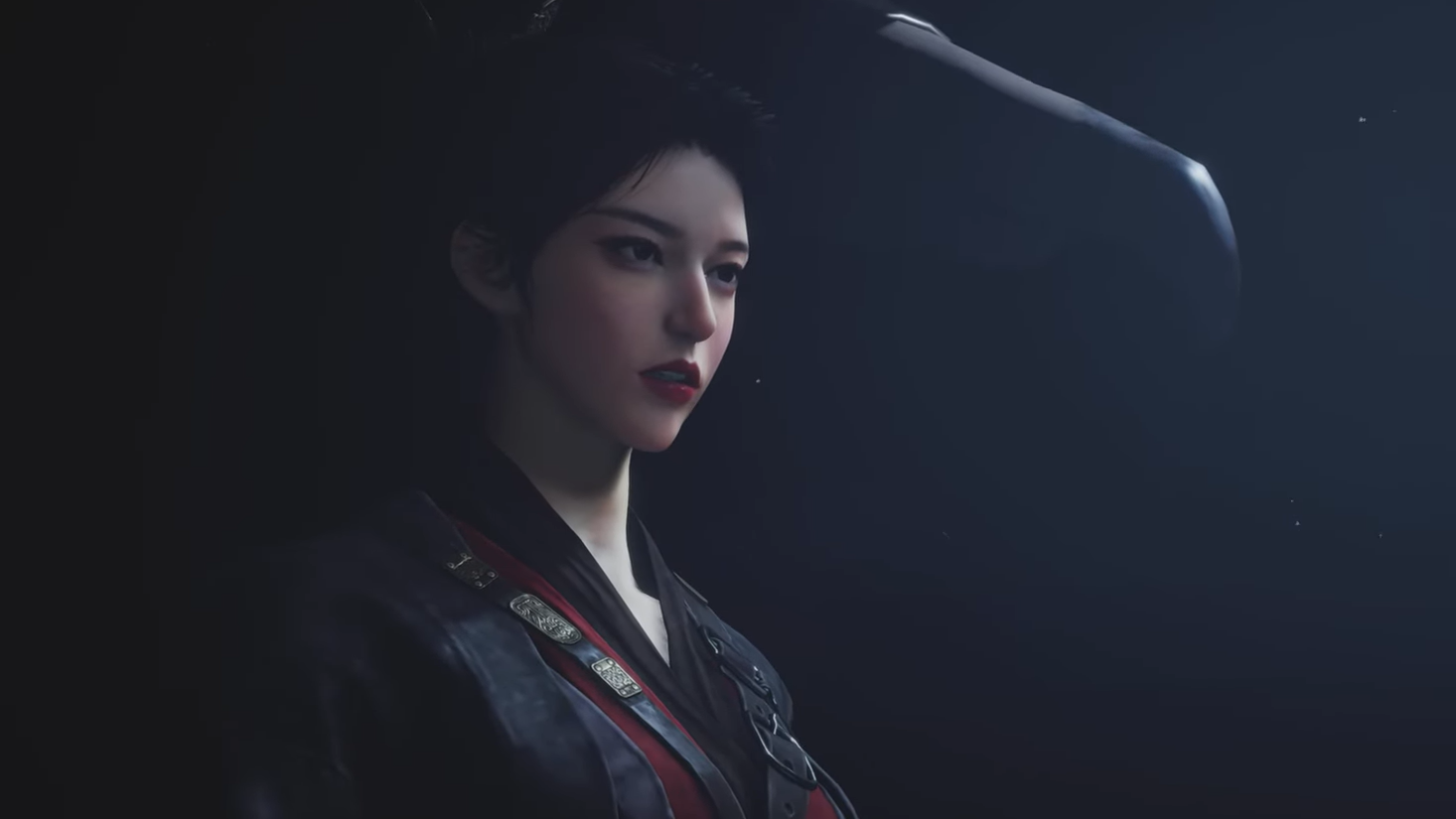
The hand-off to Murong Yanzhao and her “official” adoptive father
Li Yun’s second crucial act as a father comes when the political order shifts. During the Chenqiao Mutiny, Zhao Kuangyin seizes power and establishes the Song dynasty. Li Yun refuses to submit and quietly prepares to rebel.
Knowing that a crackdown is coming, he decides he cannot keep Murong Yuan by his side without putting her in mortal danger. To protect her, he formally entrusts her to an ally in the army, Murong Yanzhao. At this point, Murong Yanzhao becomes her new adoptive father in a legal and political sense inside the Song military structure.
From Yuan’s point of view, this transfer is emotionally devastating. She is still young, hears only that Li Yun does not want her to “suffer with him,” and is sent away. No one comes back for her. Over time, that absence hardens into the belief that her first father chose power and rebellion over his daughter.
Inside the Song court and navy, however, the picture is very different. Murong Yanzhao is the man recorded as her adoptive father, the one whose name she carries in Kaifeng and whose rank grants her status and access. By the time you encounter her at Jinming Pool, Murong Yanzhao is the father the institution recognizes.
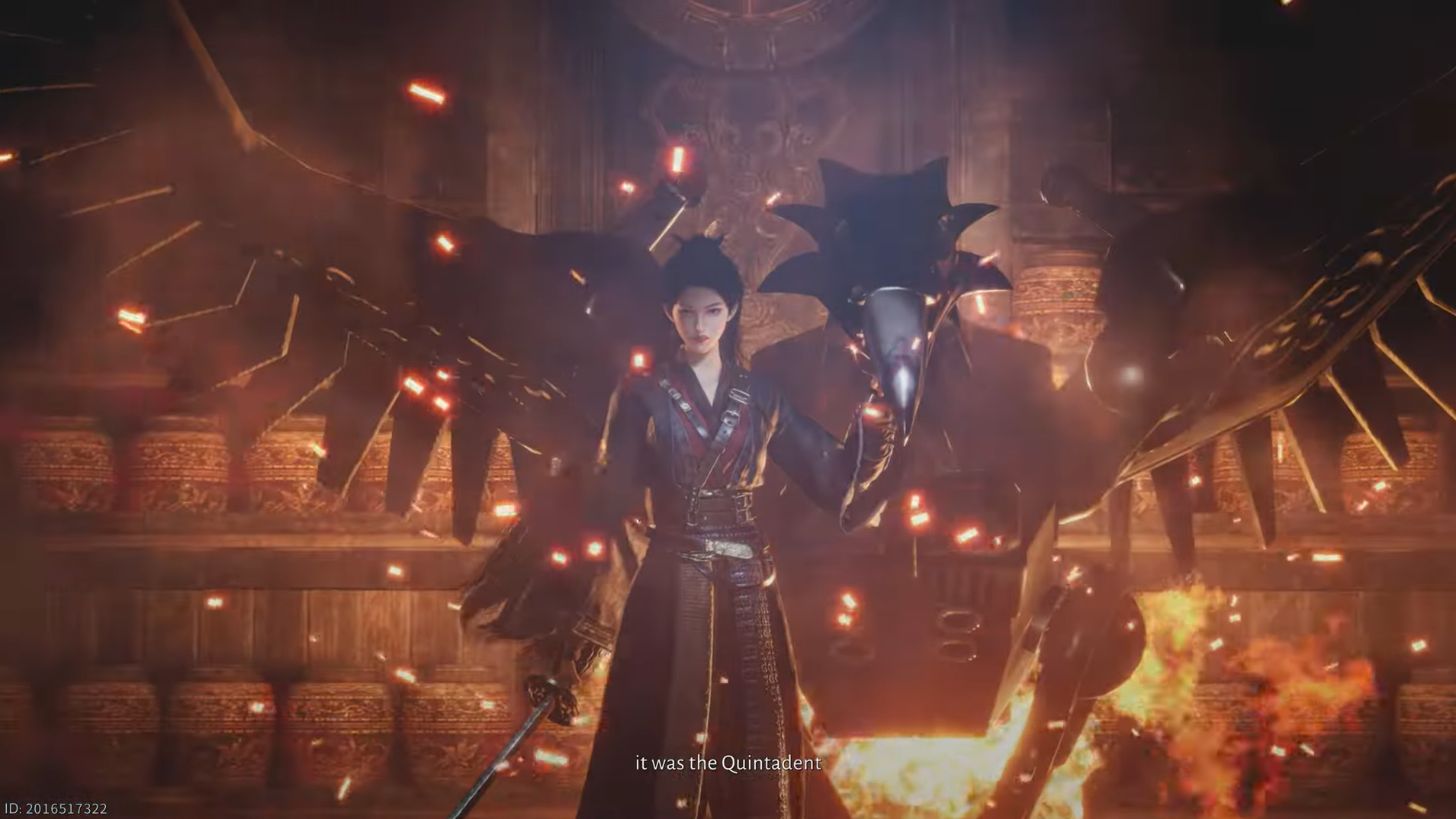
Why the Jinming Pool campaign points you to Murong Yanzhao
When players first meet Murong Yuan as a boss at Jinming Pool, the framing strongly suggests Murong Yanzhao as the answer to any “adoptive father” question.
- Compendium lore describes Li Yun handing Yuan over to Murong Yanzhao, who “became her new adoptive father.”
- Murong Yuan holds authority in the navy as Murong Yanzhao’s adopted daughter, including control over the Five-Toothed Warships.
- Murong Yanzhao is present in person on the warship, chained and broken, which makes him the most visible father figure in that storyline.
Murong Yuan’s own arc during this campaign is built around her view of Murong Yanzhao as a betrayer of Li Yun. A letter from her brother Li Shoujie has convinced her that Murong Yanzhao suppressed Li Yun’s rebellion and took the credit for his death, so she captures and imprisons him aboard the very weapon she helped create.
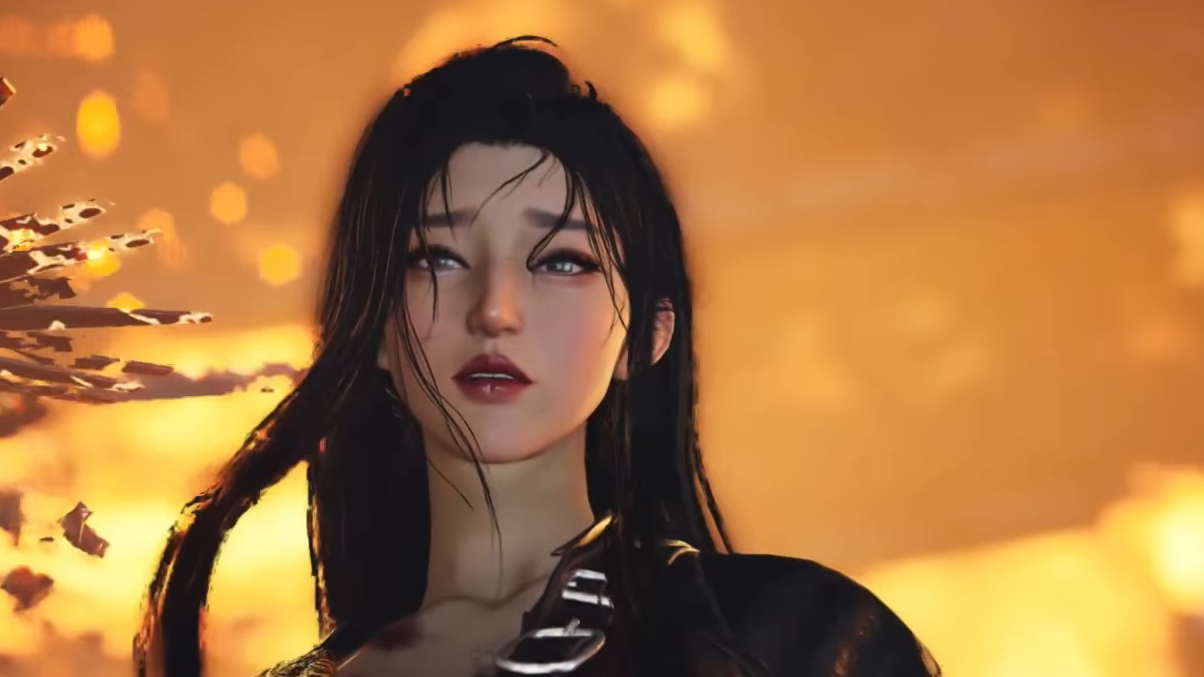
Only later does she learn that political forces around Zhao Kuangyin doomed Li Yun and that Murong Yanzhao tried but failed to save him. Once that truth surfaces, her hatred shifts away from Murong Yanzhao as an individual and toward the Song court itself. That change of focus is what leads her to sabotage her own warship and “walk willingly into the fire” during the Jinming Pool climax.
Seen from this angle, “Murong Yanzhao is Murong Yuan’s adoptive father” is accurate within the Song-era part of her life and within the immediate frame of the Jinming Pool story.
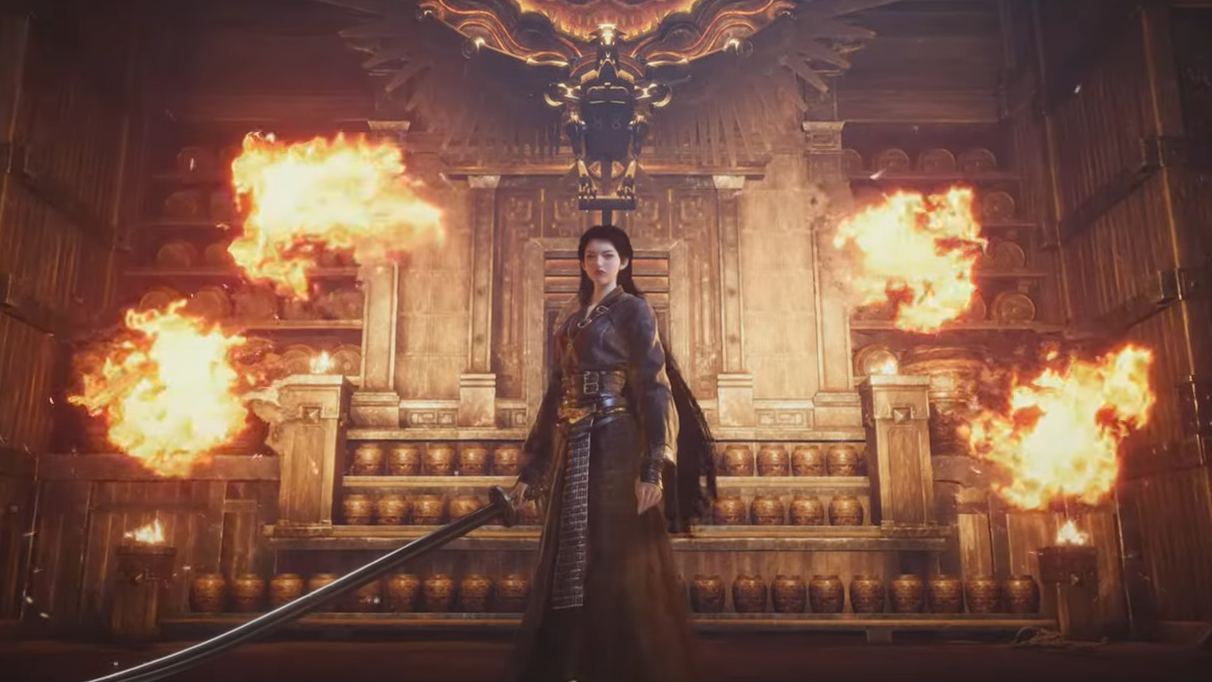
Li Yun’s role in her identity and why players treat him as a father too
Even though the court paperwork would list Murong Yanzhao, Li Yun is not just a prologue footnote. He is the original parent figure who shapes almost everything else about Murong Yuan:
- He gives her a name and a home after the Tianjin Bridge Rebellion.
- He raises her alongside Li Shoujie, creating the sibling relationship that later feeds into jealousy and misinformation.
- His planned rebellion against the new Song regime is the spark for Murong Yuan’s eventual vendetta against the dynasty itself.
Murong Yuan’s lifelong resentment toward the Song court, her eventual turn away from Mohist non-aggression, and her willingness to burn the Five-Toothed Warship all trace back to how she interprets Li Yun’s fate. In her mind, the dynasty that killed her father must be made to pay, and her engineering genius becomes the means to that end.
In that broader narrative sense, it is reasonable to describe Li Yun as her first adoptive father and Murong Yanzhao as her second. The game’s own lore supports that split: one man saves and raises the child; the other formally adopts the young woman into the Song military hierarchy.
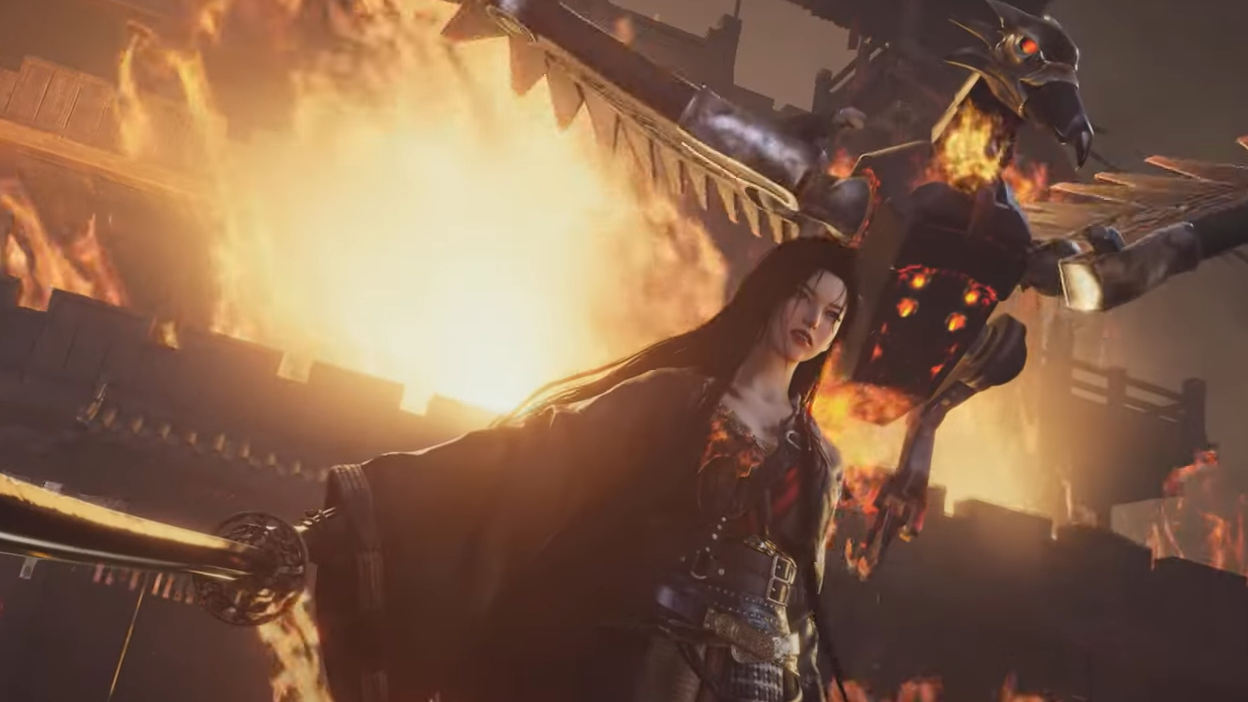
Where the Social Butterfly event quiz answer “Li Jun” comes from
The confusion escalates when the Social Butterfly event introduces a prize quiz with the prompt “Who is Murong Yuan’s adoptive father?” and marks “Li Jun” as the correct answer.
Players who have followed the Kaifeng and Jinming Pool content will naturally reach for Murong Yanzhao, especially after reading in-game lore that explicitly labels him as her adoptive father. Others who are more focused on pre-Song history or untranslated material might reach for Li Yun (sometimes rendered as “Li Jun” in certain texts or regions) as the father figure who actually raised her from infancy.
The quiz’s use of “Li Jun” reflects that older identity rather than the Song-era military relationship. Event UI and localization choices then compound the issue by not clarifying which period of her life the question is targeting, and by using a name that does not match the spelling most players see in the compendium (“Li Yun”).
The end result is a split experience:
- Story and compendium: push “Murong Yanzhao” as the adoptive father once the Song dynasty is established.
- Event quiz: points back toward Li Yun/Li Jun as the man who first took her in.
Neither is strictly wrong, but the game rarely acknowledges that both answers are defensible, which is why so many players feel burned by the event question.
How to think about Murong Yuan’s fathers when the game is inconsistent
The cleanest way to hold these facts in your head is to anchor them to specific phases of Murong Yuan’s life rather than to a single all-purpose label.
| Life phase | Father figure | Role |
|---|---|---|
| Post–Tianjin Bridge Rebellion, Five Dynasties / Later Zhou | Li Yun (often rendered as Li Jun in some text) | Rescues and raises her, names her Yuan, functions as first adoptive father. |
| Post–Chenqiao Mutiny, early Song dynasty | Murong Yanzhao | Receives her from Li Yun, becomes her adoptive father within the Song military and navy. |
| Kaifeng / Jinming Pool present | Murong Yanzhao (in chains aboard the warship) | Official father in court eyes, focus of her misdirected vendetta until the truth is revealed. |
When you see questions phrased without context, you can use this split as a guide:
If the context is the Jinming Pool campaign, the navy, or Kaifeng politics, “Murong Yanzhao” is the intended adoptive father.
If the context is an event reaching back to her origins, or a prompt that uses the “Li Jun” spelling, the target is the general who found and raised her, Li Yun/Li Jun.
Murong Yuan’s tragedy comes from living between those two names. One father saves her and dies defying a new regime; the other tries to protect her within that regime and becomes the face of a betrayal that never quite happened the way she imagines. The game’s own systems may be inconsistent about which relationship they highlight, but treating her as a character with two fathers—one of upbringing, one of adoption in law—makes the story much easier to follow.