

Nioh 3 concludes with a pivotal decision that determines which of two endings you witness. After defeating the final boss Hiruko, you face your brother Tokugawa Kunimatsu one last time. The choice you make in that moment locks in the ending sequence.
Quick answer: You can either kill Kunimatsu or spare him. Killing him triggers the "Kill Ending," while sparing him unlocks the "Spare Ending." Both choices are available immediately after the Hiruko fight, and you can replay the final mission from the Battle Scroll menu to see the alternate ending.
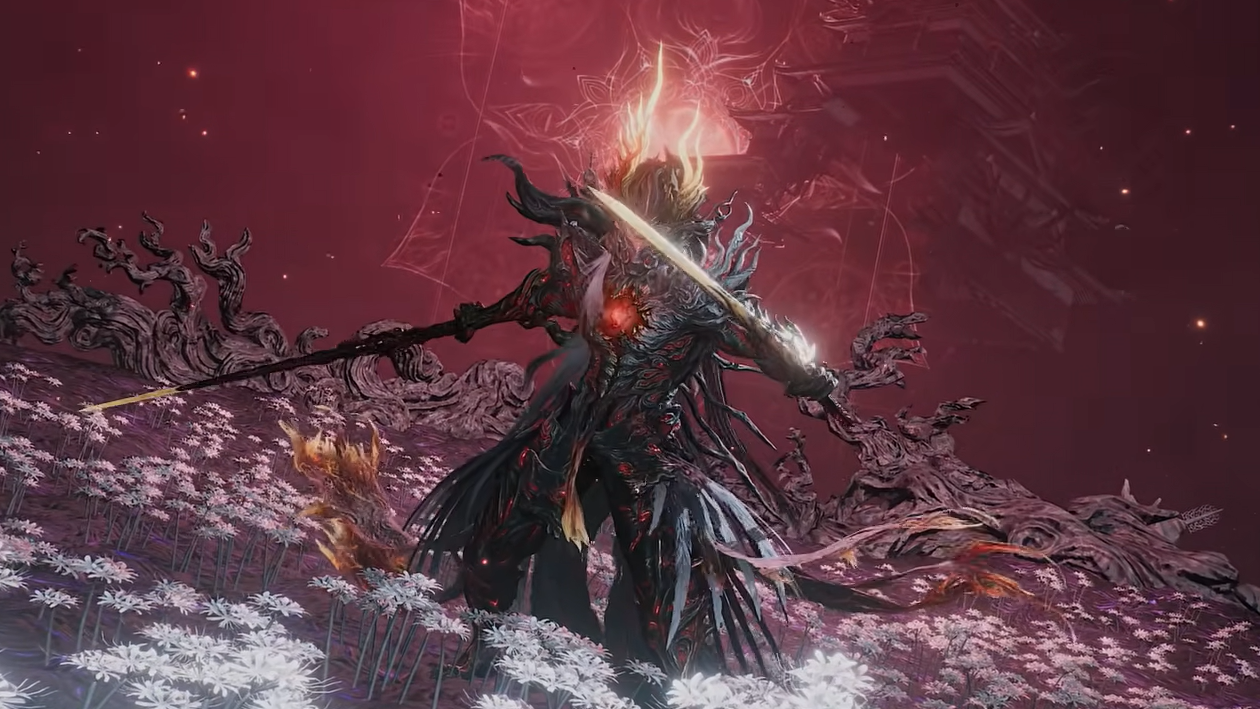
Kill Ending
Choosing to kill Kunimatsu brings Takechiyo's journey to a definitive close. This ending emphasizes the weight of Takechiyo's decision to end his brother's threat permanently. The sequence shows the immediate aftermath of Kunimatsu's death and Takechiyo's resolve to move forward as the rightful heir to the shogunate.
This path reflects a more traditional resolution in which the protagonist eliminates the antagonist to restore order. The game treats this as a valid conclusion, and no in-game penalty or locked content results from this choice.
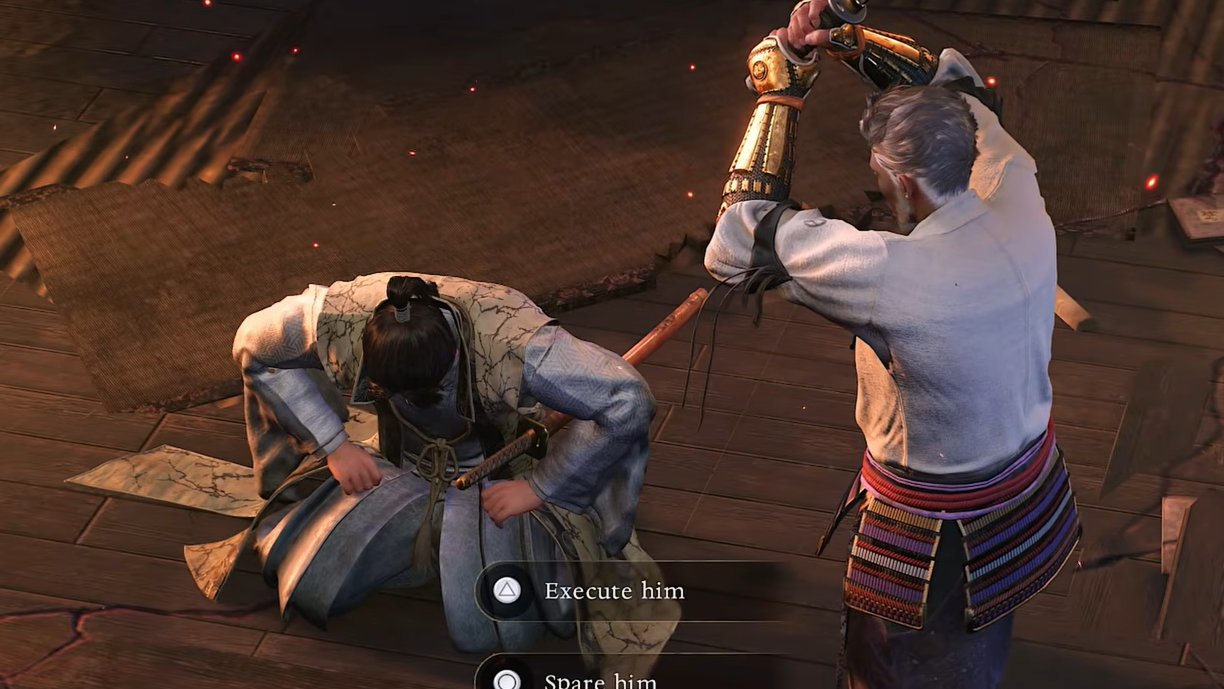
Spare Ending
Sparing Kunimatsu offers a more nuanced resolution. Takechiyo chooses mercy over vengeance, leaving his brother alive despite the chaos Kunimatsu caused across multiple timelines. The spare ending includes additional dialogue that explores Takechiyo's motivations and the possibility of redemption.
This ending does not unlock new missions or alter post-game content, but it provides a different emotional tone and perspective on the brothers' conflict. Players who prefer character-driven conclusions often favor this route.
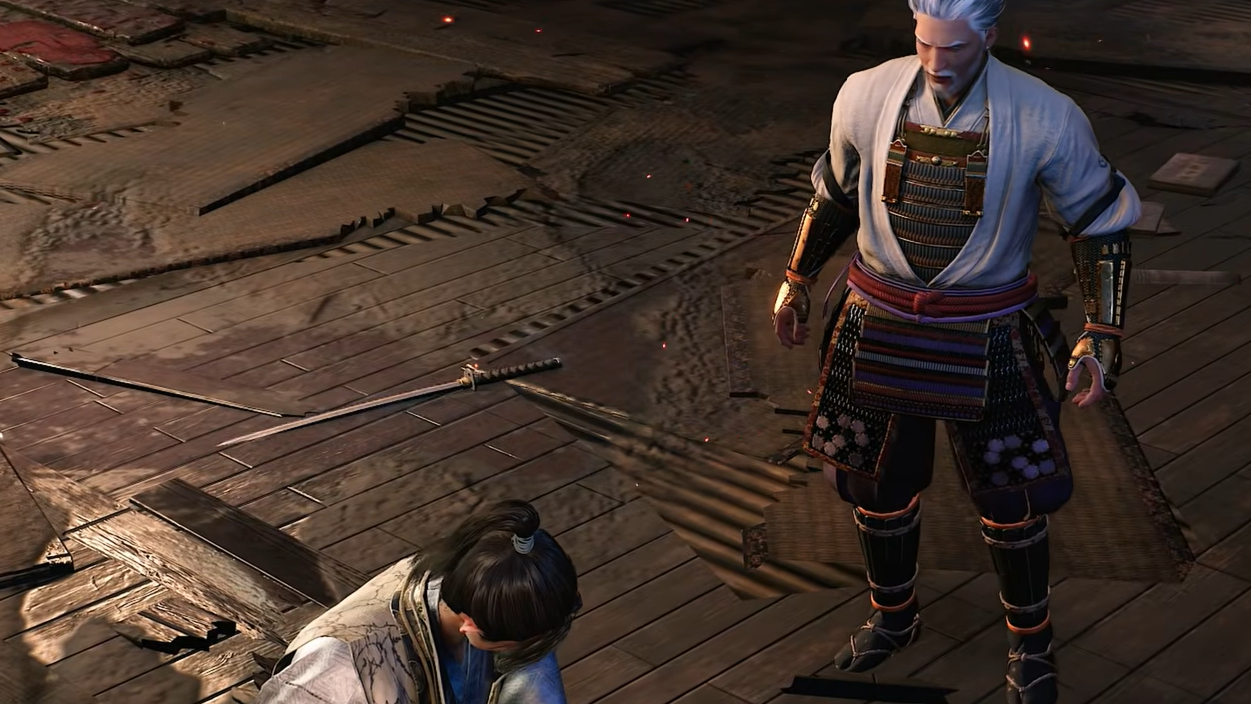
How to replay for the alternate ending
After completing the game once, you can return to the final mission through the Battle Scroll menu at any shrine. Select "A Sinister End" from the list of cleared Main Missions, then replay the Hiruko fight and the subsequent confrontation with Kunimatsu. When the choice prompt appears, select the opposite option to unlock the other ending.
Progress and unlocks carry over between playthroughs, so you retain all equipment, levels, and collectibles when replaying the final mission. The game saves both ending completions separately, allowing you to view either sequence from the Progress menu afterward.
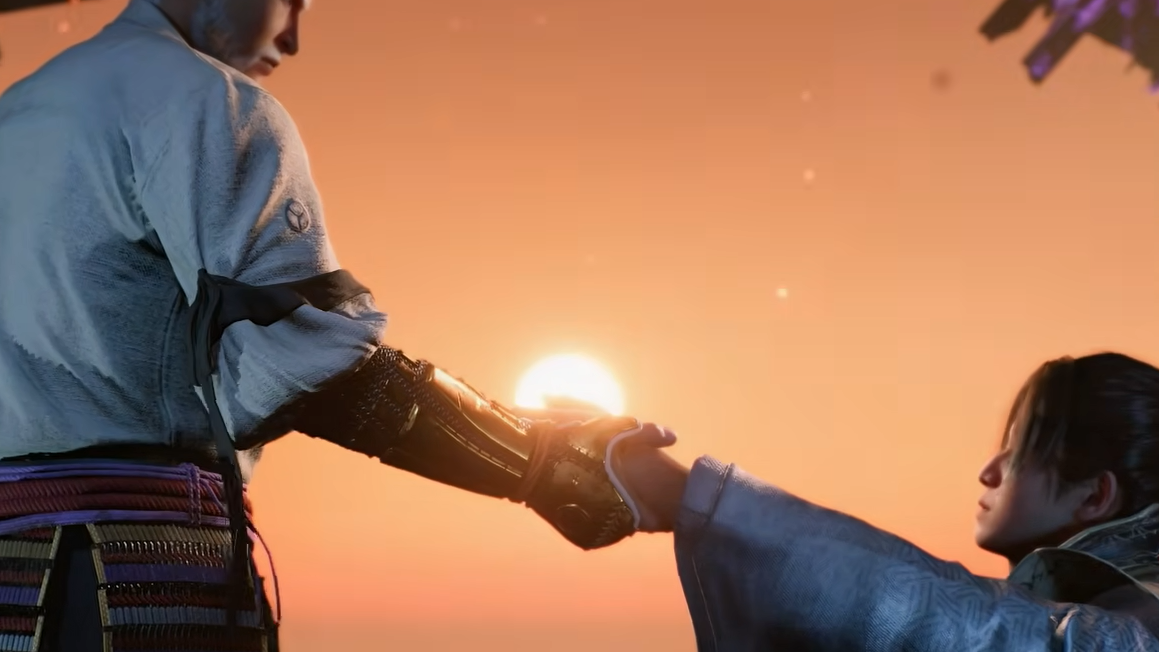
Story context for the final choice
Tokugawa Takechiyo, grandson of Ieyasu Tokugawa, was destined to become the next shogun. His younger brother Kunimatsu, driven by ambition and corrupted by dark forces, murdered their family and attempted to kill Takechiyo. The guardian spirit Kusanagi saved Takechiyo by sending him back in time to the Sengoku period, where he met his grandfather Ieyasu and Honda Tadakatsu.
Throughout the game, Takechiyo travels across the Sengoku, Heian, and Bakumatsu eras, confronting yokai and Crucibles spread by an entity manipulating timelines. Kunimatsu appears repeatedly as an antagonist, his actions fueled by a mysterious force that grants him power at the cost of his humanity. The final confrontation in Edo Castle forces Takechiyo to decide whether his brother can be saved or must be stopped permanently.
No missable content tied to endings
Nioh 3 does not lock trophies, achievements, or post-game content behind a specific ending. Both the kill and spare options are considered valid narrative conclusions, and you can experience both by replaying the final mission. The game encourages players to explore both paths without penalizing either choice.
All collectibles, side missions, and optional bosses remain accessible after completing the main story, regardless of which ending you choose first. New Game Plus and higher difficulty tiers unlock after finishing the game once, and you can continue exploring all regions and timelines without restrictions.